
Minnesota for Kids | US States Learning Video
The lesson explores the unique characteristics of Minnesota, highlighting its geographical location in the Midwest, its nicknames—The North Star State and The Land of Ten Thousand Lakes—and its rich natural beauty, including over 21,000 lakes. It also discusses the significance of the state flag, the major cities of Saint Paul and Minneapolis, and the state’s bird, the Common Loon, emphasizing Minnesota’s vibrant culture and history. Overall, the lesson showcases Minnesota as a remarkable state with diverse landscapes and a lively community.
Insects for Kids
The lesson explores the incredible diversity and significance of insects, which make up about 85% of all animal species on Earth. It highlights their common characteristics, such as having six legs and quick movement, as well as their vital roles in ecosystems, including pollination and waste decomposition. By understanding and appreciating insects, we can better protect these essential creatures and the environments they inhabit.
Harriet Tubman for Kids
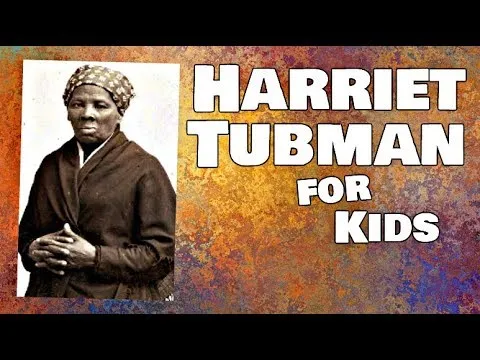
The lesson on Harriet Tubman highlights her extraordinary life as a symbol of bravery and the fight for freedom. Born into slavery, Tubman escaped and became a conductor on the Underground Railroad, leading over 300 enslaved individuals to freedom while also serving as a nurse and spy during the Civil War. Her legacy as an advocate for both freedom and women’s rights continues to inspire movements for justice and equality today.
Facts about Cats for Kids | Animal Learning Video
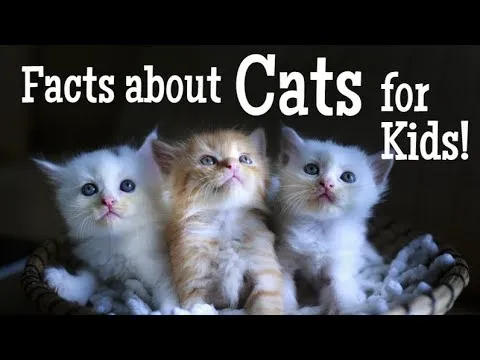
The lesson explores the unique characteristics and behaviors of domesticated cats, highlighting their physical traits, sleep patterns, exceptional senses, and grooming habits. It also distinguishes between feral and stray cats, emphasizing their different relationships with humans. Overall, the lesson aims to deepen our appreciation for cats as beloved companions and the special qualities they possess.
Pennsylvania for Kids | US States Learning Video
The lesson explores Pennsylvania, known as the Keystone State, highlighting its historical significance, geographical location, and cultural features. It discusses the state’s borders, major cities like Harrisburg, Philadelphia, and Pittsburgh, as well as its state symbols, including the flag and the Ruffed Grouse as the state bird. Overall, Pennsylvania’s rich history and diverse landscapes make it a vital part of the United States.
Area for Kids
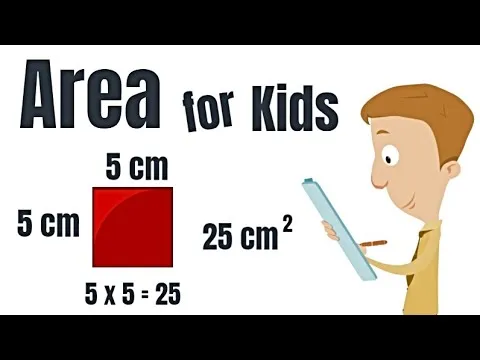
The lesson on understanding area introduces the concept of area as the measure of space within a shape, distinguishing it from perimeter, which measures the distance around the shape. It provides formulas for calculating the area of basic shapes like squares and rectangles, and explains how to find the area of irregular shapes by counting square units or using multiplication. The lesson emphasizes the importance of using squared units and introduces the area formula for circles, highlighting the practical applications of area in real life.
The Phases of the Moon for Kids
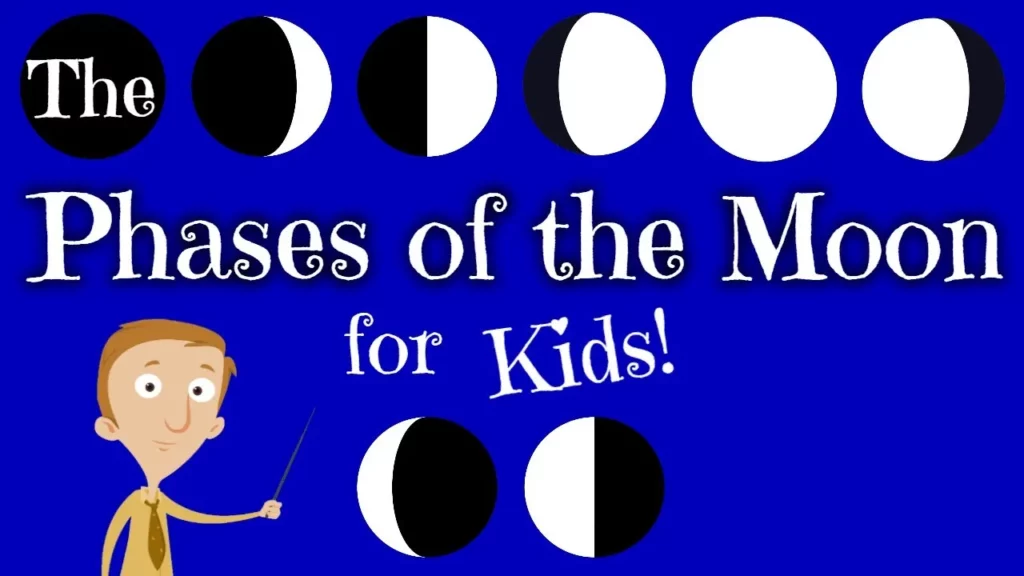
The lesson on the phases of the moon explains the eight distinct phases that occur as the moon orbits the Earth, influenced by its position relative to the sun. These phases—new moon, waxing crescent, first quarter, waxing gibbous, full moon, waning gibbous, last quarter, and waning crescent—represent a predictable cycle that takes about a month to complete, showcasing the dynamic relationship between the Earth, moon, and sun. Understanding these phases not only enhances our appreciation of the night sky but also has practical applications, such as aiding in agricultural practices and influencing ocean tides.
Helping Verbs for Kids
In this lesson, we learned about helping verbs, which act as supportive sidekicks to main verbs in English sentences, enhancing their meaning and clarity. Helping verbs provide additional context, such as indicating the timing or nature of an action, and they always precede the main verb in a sentence. By understanding how to identify and use helping verbs, we can improve our communication skills in both writing and speaking.
Insects in Spanish | Spanish Learning for Kids
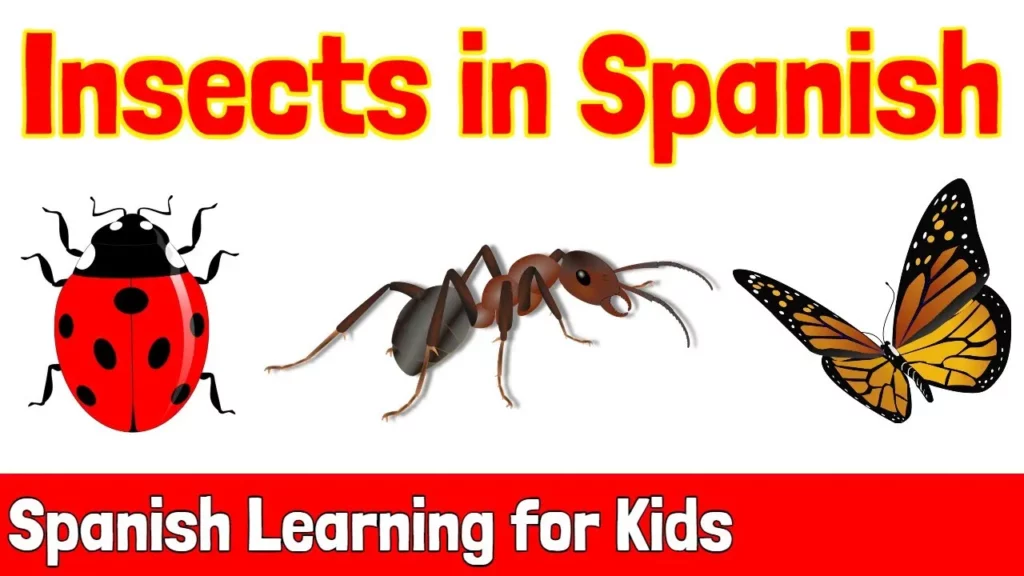
In this lesson, students learn the names of common insects in Spanish, enhancing their outdoor experiences by recognizing and naming these creatures. Key insects covered include “una mosca” (a fly), “una hormiga” (an ant), “una mariquita” (a ladybug), “una abeja” (a bee), “un saltamontes” (a grasshopper), and “una mariposa” (a butterfly), along with their significance in nature. The lesson encourages exploration and appreciation of insects while reinforcing their importance in the ecosystem.
Sentence Fragments for Kids
This lesson focuses on the importance of complete sentences in writing, emphasizing that a complete sentence must contain both a subject and a verb to convey a whole idea. It explains the concept of sentence fragments—groups of words that lack either a subject or a verb—and highlights the significance of avoiding them for clarity and effective communication. By understanding the difference between complete sentences and fragments, writers can enhance their writing quality and ensure their messages are clearly understood.