
Owl Facts for Kids
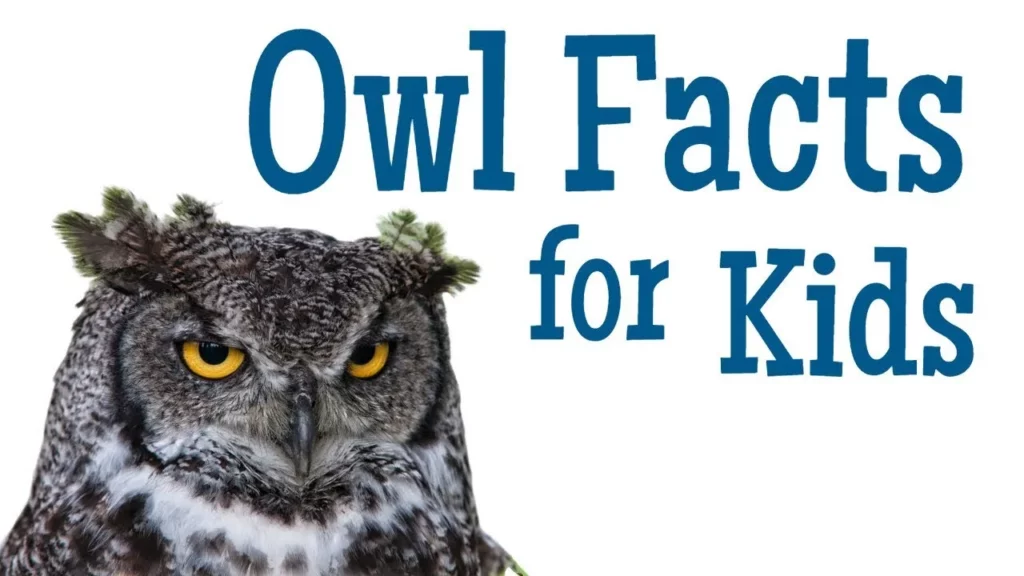
This lesson explores the fascinating characteristics of owls, highlighting their nocturnal nature, unique physical features, and exceptional hunting skills. It also covers their global distribution, communication methods, and camouflage abilities, showcasing how these traits contribute to their survival and success in various environments. Overall, owls are portrayed as remarkable birds that captivate our interest with their adaptations and behaviors.
Clouds for Kids
This lesson explores the fascinating world of clouds, detailing their composition, role in the water cycle, and impact on Earth’s climate. It explains how clouds form from water droplets and aerosols, the types of precipitation they produce, and highlights different cloud types such as cumulus, stratus, and cirrus. By understanding clouds, we gain a deeper appreciation for their significance in weather patterns and the environment.
Polar Bears for Kids

The lesson on polar bears highlights their unique adaptations to the Arctic environment, including their clear fur that helps them blend into their icy surroundings and their impressive size as the largest land carnivores. It emphasizes the importance of protecting these magnificent animals, as they face significant threats from climate change that endanger their habitat and food sources. Conservation efforts are crucial to ensure the survival of polar bears and the preservation of their natural environment.
Division for Kids
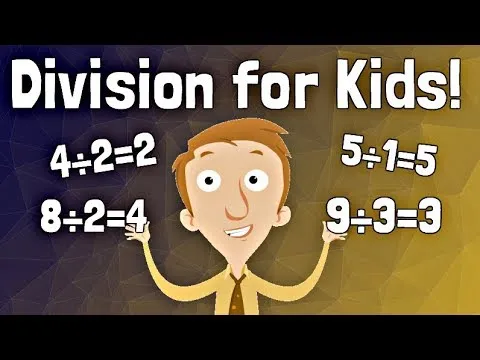
The lesson on division introduces it as a method for sharing things equally, using relatable examples like sharing carrots and presents among friends. It covers the basics of division, important rules such as never dividing by zero, and different ways to express division. Additionally, it highlights practical applications of division in everyday life, emphasizing its usefulness in sharing resources, budgeting, and time management.
Lizards for Kids | Homeschool Pop
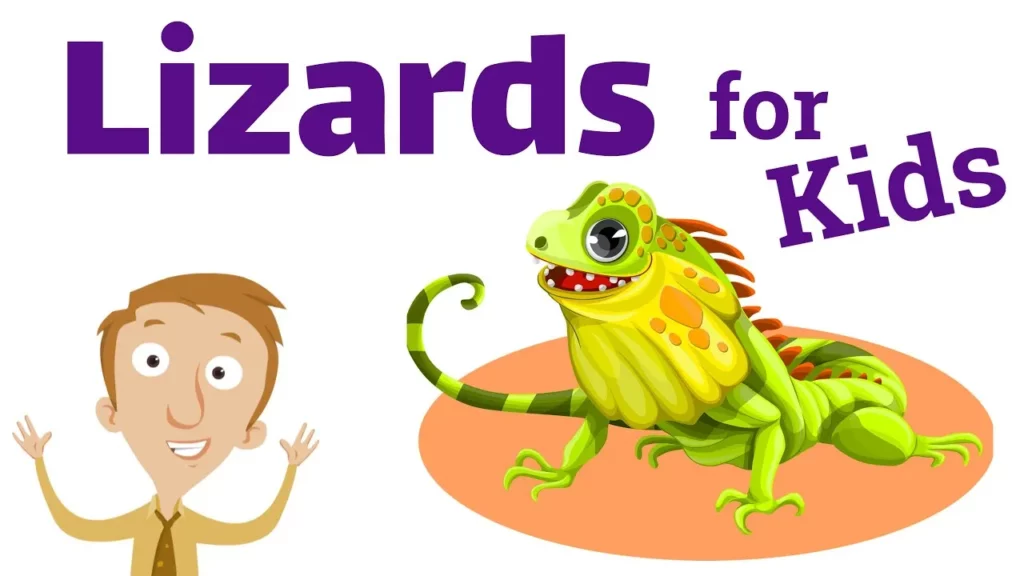
The lesson explores the fascinating world of lizards, highlighting their unique characteristics as reptiles, such as their scaly skin and cold-blooded nature, which enable them to thrive in various environments. It introduces different types of lizards, including chameleons, komodo dragons, geckos, and iguanas, each with distinct features and adaptations. Additionally, the lesson discusses popular pet lizards like bearded dragons and leopard geckos, emphasizing the diversity and ecological importance of these remarkable creatures.
Oceans of the World for Kids

The lesson “Exploring the Oceans of the World” highlights the significance of oceans, which cover over 70% of the Earth and play crucial roles in climate regulation, biodiversity, and global trade. It introduces the five major oceans—Arctic, Atlantic, Pacific, Indian, and Southern—each with unique characteristics and ecosystems. Understanding these oceans is essential for appreciating their value and the need for their protection to ensure a healthy planet for future generations.
Run-on Sentences for Kids

This lesson focuses on understanding run-on sentences and how to improve writing clarity. It explains that a complete sentence must have a subject and a verb, conveying a complete thought, while run-on sentences improperly combine multiple complete ideas without appropriate punctuation. The lesson provides strategies for identifying and correcting run-on sentences, such as splitting them into separate sentences, using conjunctions, or adding punctuation, ultimately emphasizing the importance of clear writing.
Music Theory for Kids
In the lesson “Discovering the World of Music,” students learn about the fundamental elements of music, including the staff, clefs, dynamics, and types of notes. The staff serves as a framework for writing music, while clefs help identify different sound ranges. Understanding dynamics and note types is essential for expressing musical emotions and maintaining rhythm, setting the stage for a deeper appreciation and exploration of music.
Suffixes for Kids | Homeschool Pop
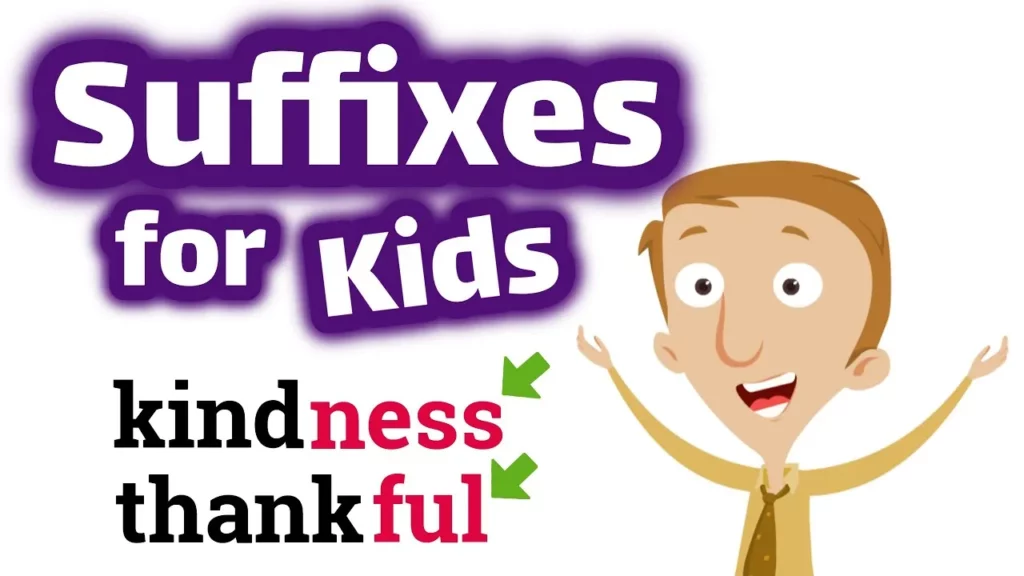
In this lesson, students learn about suffixes, which are groups of letters added to the end of base words to create new meanings. The lesson highlights common suffixes such as “-ness,” “-ful,” and “-less,” explaining how they transform adjectives into nouns or vice versa, and how they convey specific meanings. Understanding suffixes enhances vocabulary and improves reading and writing skills, allowing learners to appreciate the nuances of the English language.
Earthquakes for Kids
This lesson explores the fundamentals of earthquakes, emphasizing the Earth’s crust and the movement of tectonic plates as the primary causes of these natural events. It explains how earthquakes originate from the focus underground, with the epicenter being the point on the surface that experiences the strongest shaking. Additionally, the lesson highlights the impact of earthquakes, their measurement using the Richter scale, and the importance of understanding these phenomena for safety and preparedness.