
FIGURATIVE SPEECH for Kids ???? Personification, Alliteration and Repetition ✏️ ✍️ Episode 2
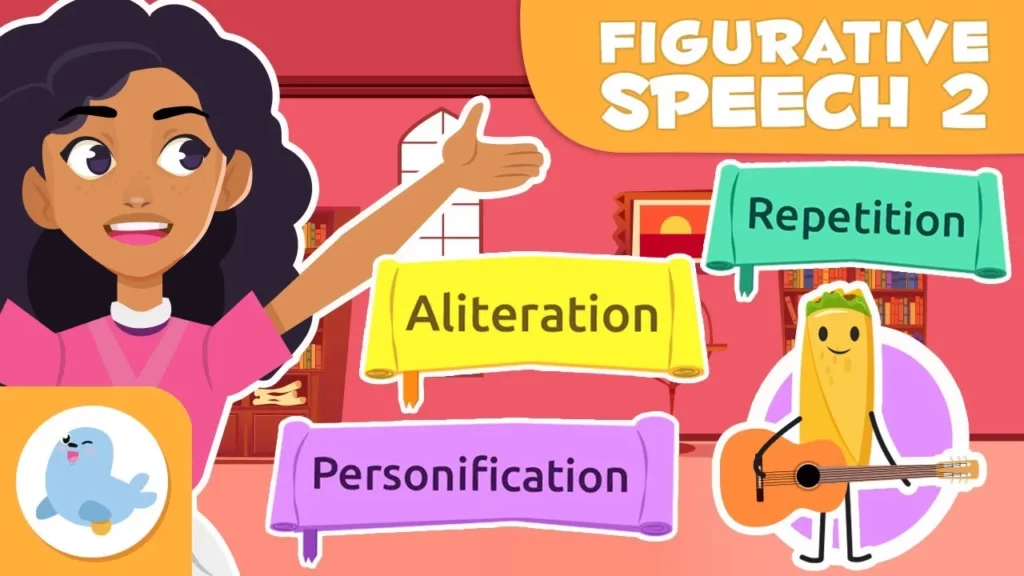
In this lesson, children explore three engaging figurative speech techniques: personification, alliteration, and repetition. Personification brings inanimate objects and animals to life by attributing human qualities to them, while alliteration enhances the rhythm and sound of phrases through repeated consonant sounds. Repetition emphasizes important ideas or actions by reiterating words or phrases, making them more impactful and memorable.
???? The Lion’s Roar ????
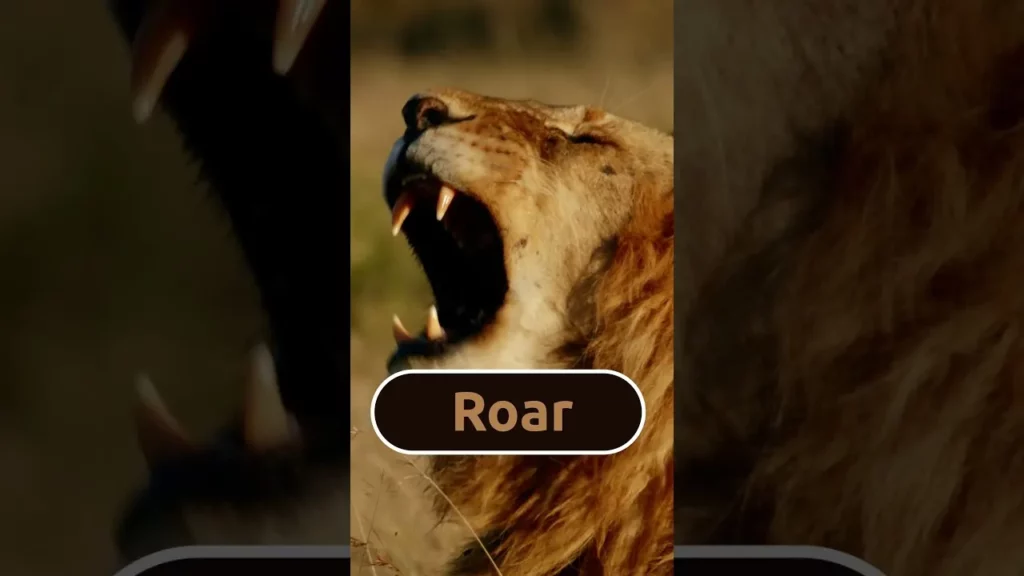
In this lesson, we explored the fascinating world of lions, focusing on their distinctive features, such as the male lion’s mane and their powerful roar, which can be heard from five miles away. We learned about their social structure, living in prides, and their crucial role in maintaining ecological balance by hunting other animals. Overall, the lesson highlights the unique characteristics and importance of lions in their natural habitat.
????What Should We Do When We Feel SAD? ????

The lesson emphasizes that feeling sad is a normal part of life, and there are effective ways to cope with those feelings. Talking to someone you trust, seeking comfort through hugs, and spending time with friends can help lift your spirits. Additionally, engaging in fun activities like drawing, listening to music, or playing outside can also contribute to feeling better.
COLORS for Kids ???????????? YELLOW, RED, ORANGE and PINK ???? Compilation

In today’s lesson, we explored the fun world of colors, focusing on yellow, red, orange, and pink. We identified various objects associated with each color, played games to spot them, and enjoyed singing songs that celebrate these vibrant hues. The lesson emphasized the joy of learning about colors and encouraged continued exploration and creativity.
DAYS of the WEEK and EMOTIONS SONG ???????? Every Day is Different ???? Days of the Week for Kids ????????

In this lesson, students explore the days of the week and the various emotions they might feel each day, emphasizing that it’s normal for feelings to change. Each day is presented with a different emotion, highlighting the uniqueness of each day and encouraging acceptance of all feelings. The lesson concludes by celebrating the importance of learning and maintaining a positive attitude.
???? Where Do Lions Live? ????
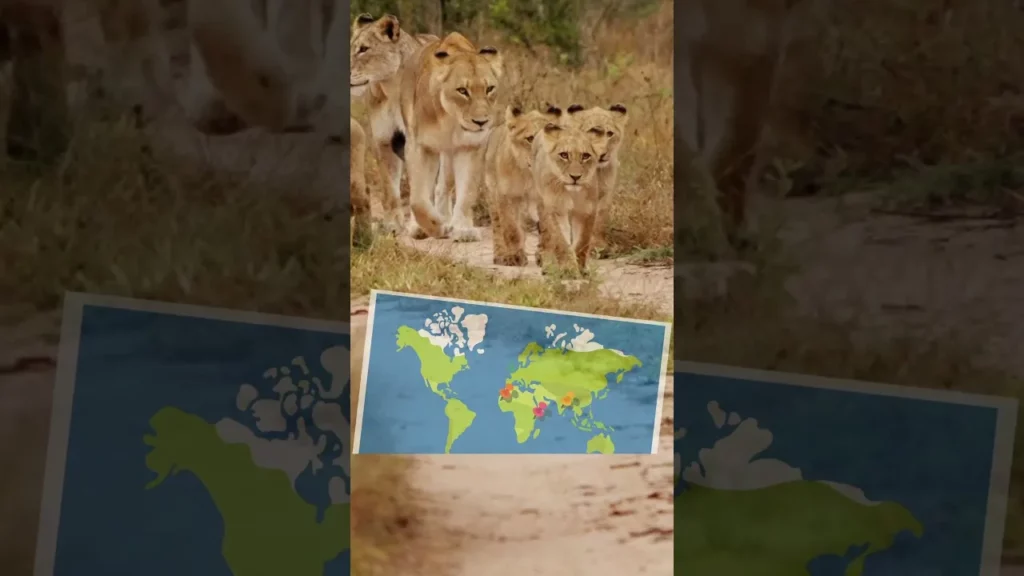
In this lesson, students learn about the natural habitat of lions, primarily found in the African savannah and a small population in India. The lesson highlights the ecological importance of lions in maintaining the balance of their environment and addresses the challenges they face, including habitat loss and hunting, which have led to a significant decline in their population. It concludes by encouraging proactive measures to protect lions and their habitats through education and support for conservation efforts.
How to Identify FEAR ???? RECOGNIZING EMOTIONS for Kids ???? Episode 2

In this lesson, children learn to identify and understand the emotion of fear, recognizing its physical signs such as a racing heart, quick breathing, and muscle tension. The lesson emphasizes that while fear is a natural response that helps keep us safe, it can be managed through techniques like deep breathing and seeking support from others. By sharing a personal story, the lesson illustrates how confronting fears can lead to clarity and even laughter, encouraging kids to express their emotions and learn from them.
???? What is ANGER? ????

The lesson on anger explains that anger is a strong emotion that can arise when things don’t go our way, sometimes escalating to rage. It emphasizes the importance of managing anger through techniques like deep breathing, counting to ten, talking about feelings, and expressing emotions through drawing or writing. Ultimately, the lesson encourages understanding and handling anger positively to improve emotional well-being and problem-solving.
???? Did you Know that Lions are Excellent Hunters? ????
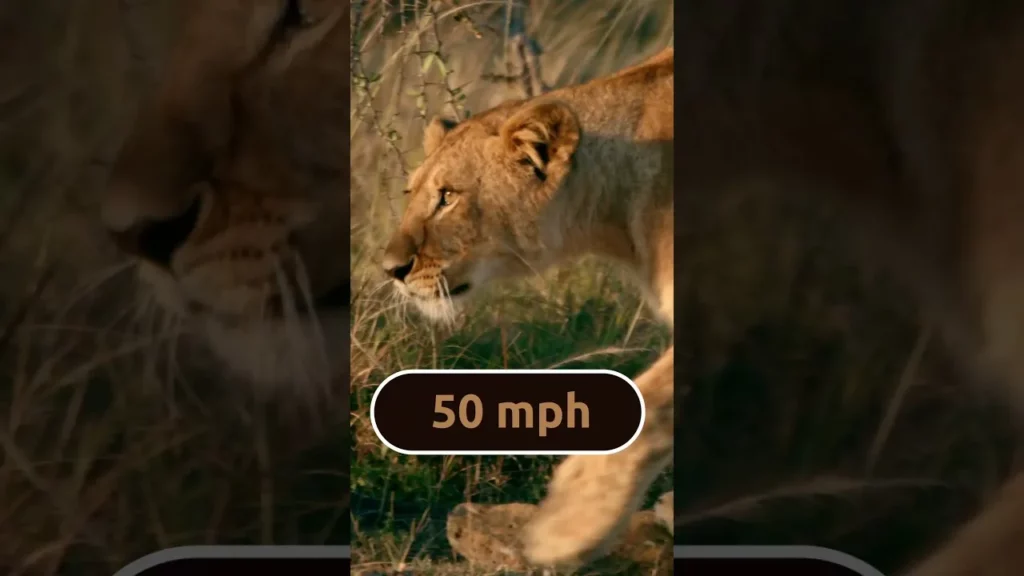
This lesson highlights the remarkable characteristics of lions, focusing on their social structure, hunting abilities, and protective behaviors. Lions live in groups called prides, which can cover large territories, and are known for their impressive speed, reaching up to 50 miles per hour during hunts, primarily conducted by lionesses at night. Additionally, male lions play a crucial role in safeguarding the pride, making lions unique among big cats for their social living and teamwork.
COLORS for Kids ???????????? GREEN, BLUE AND PURPLE ???? Compilation

In today’s lesson, children learned about the colors green, blue, and purple through interactive activities and games. They identified various objects in their surroundings that correspond to each color, such as green leaves, blue skies, and purple fruits, while practicing color recognition and vocabulary. The lesson emphasized the joy of exploring colors in a fun and engaging way, encouraging continued learning and curiosity.