
CAT/KITE RULE – C OR K? ????♀️ SPELLING for Kids???? Superlexia ⭐ Episode 13
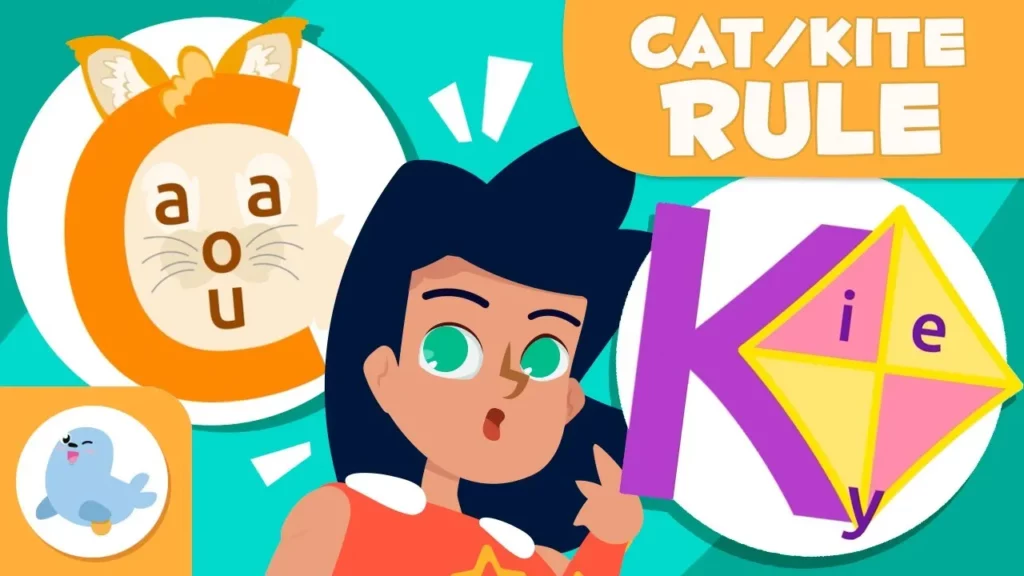
In this lesson, Super Lexia introduces the “Cat-Kite” rule to help kids determine when to use the letters “C” or “K” at the beginning of words. The rule states that “C” is used before the vowels “A,” “O,” and “U,” as well as most consonants, while “K” is used before “E” and “I.” Through engaging activities like drawing a cat and a kite, children learn to apply this rule and practice identifying the correct spelling in various words.
???? Is it Normal to Feel ANGRY?????

The lesson explains that feeling angry is a normal emotion that everyone experiences, often arising when things don’t go as expected or when faced with unfair situations. It offers practical strategies for managing anger, such as deep breathing, counting to ten, talking about feelings, and engaging in creative activities like drawing. Ultimately, the lesson emphasizes the importance of understanding and expressing anger in healthy ways while being kind to oneself and others.
WEATHER VANES and ANEMOMETERS ????⛵Weather Instruments for Kids ???? Episode 2
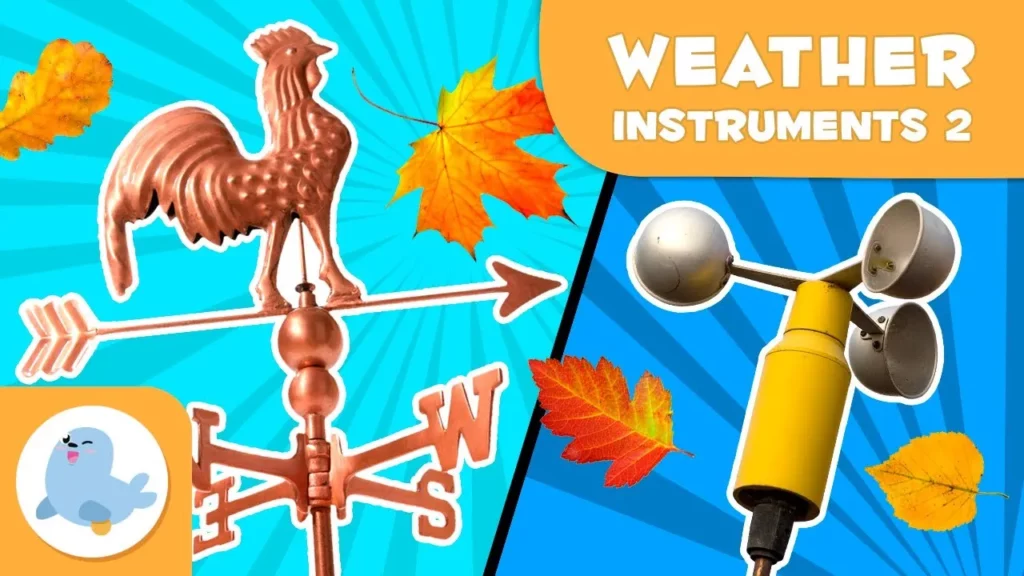
In this lesson, we explored two essential weather instruments: the weather vane and the anemometer. The weather vane indicates the direction of the wind, while the anemometer measures its speed, both of which are crucial for understanding weather patterns and making informed decisions in agriculture, transportation, and daily activities. By learning about these tools, kids can better appreciate the role of wind in their lives and the science behind weather forecasting.
???? Lions are Great Sleepers ????
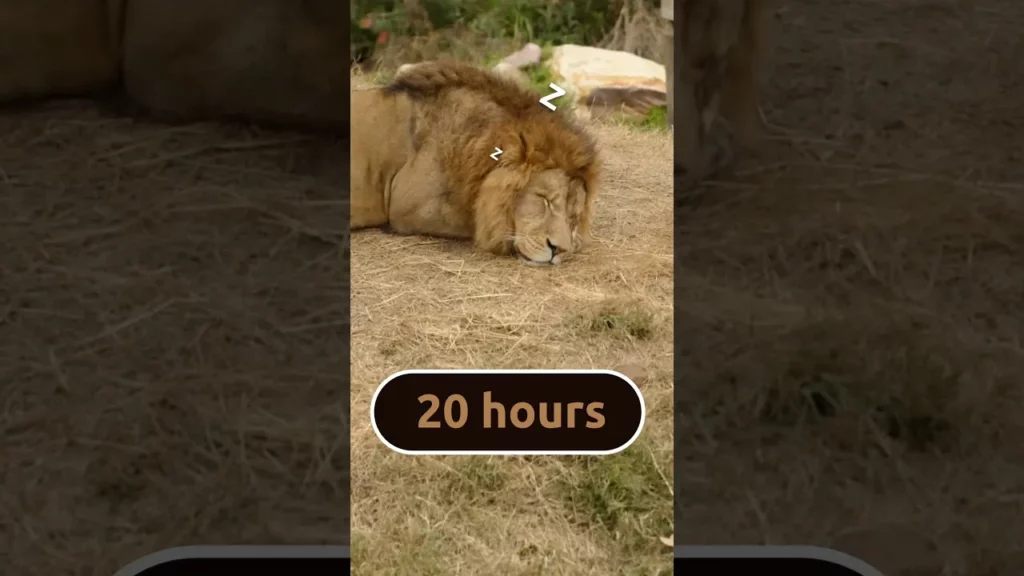
Lions are remarkable animals known for their extensive sleeping habits, often resting up to 20 hours a day. They are primarily nocturnal hunters, taking advantage of the cooler night temperatures to find food, while spending their days conserving energy. Living in social groups called prides, lions engage in various activities when awake, including hunting, playing, and caring for their families, showcasing their strength and social nature.
Discover the World of PENGUINS ????
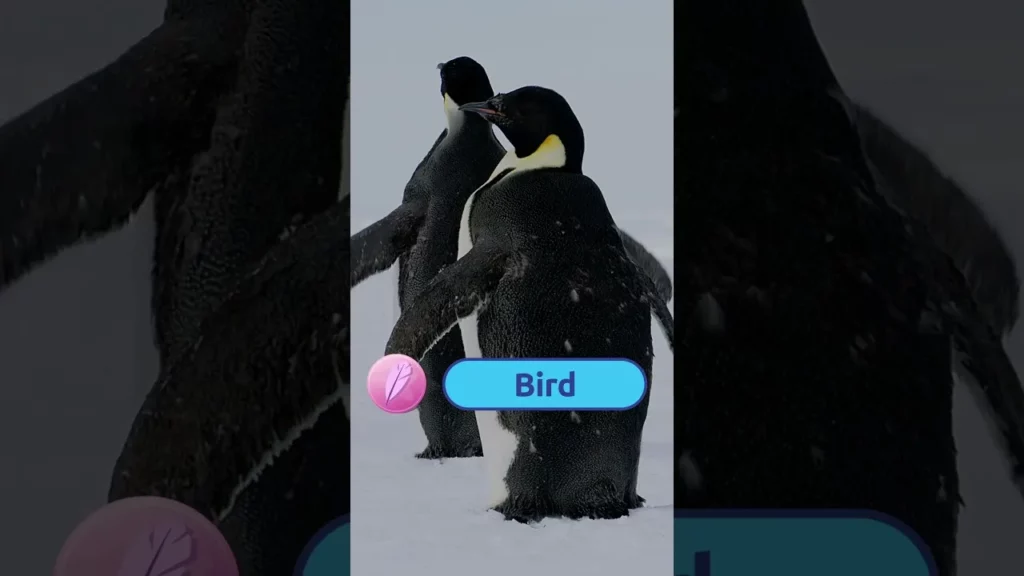
In this lesson, students are introduced to the fascinating world of penguins, learning about their unique characteristics, diet, habitats, and sizes. Penguins are flightless birds that thrive in cold environments, primarily feeding on fish, crustaceans, and plankton, while also showcasing their impressive swimming abilities and playful behaviors. The lesson encourages further exploration and discovery of these remarkable creatures.
COLORS for Kids ⬜⬛???? WHITE, BLACK and BROWN ???? Compilation
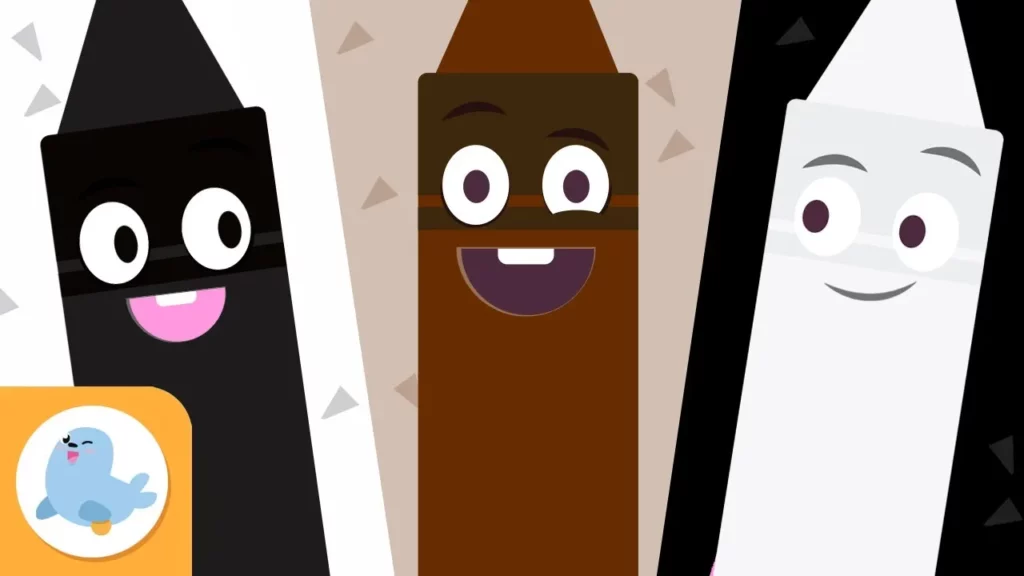
In this lesson, children explore three colors: white, black, and brown. They learn to identify objects associated with each color, such as snow and milk for white, the night sky and a cat for black, and tree trunks and chocolate for brown, while engaging in fun songs to reinforce their learning. The lesson encourages curiosity and excitement about discovering more colors in the world around them.
Ze Floss Rule ????GRAMMAR and SPELLING for Kids???? Superlexia ⭐ Episode 14
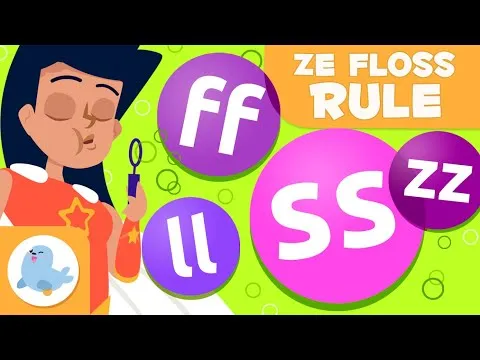
In this lesson, students learn about the Zoss Rule, which applies to one-syllable words with short vowel sounds that end in ‘z’, ‘f’, or ‘s’. The rule states that the last consonant should be doubled, as seen in examples like “fuzz” and “floss.” While there are some exceptions to the rule, practicing and memorizing these exceptions will help reinforce spelling skills.
????When Do We Feel ANGER? ????

The lesson on anger explains that anger is a natural emotion we all experience when things don’t go our way, feel disappointing, or face rejection. It emphasizes the importance of recognizing these feelings and offers strategies for managing anger, such as taking deep breaths, talking about feelings, and expressing emotions through drawing or writing. Ultimately, the lesson encourages understanding and healthy coping mechanisms for dealing with anger.
TYPES OF SENTENCES ???? Statements, Questions, Exclamations and Commands ✍️ Grammar – Spelling for Kids
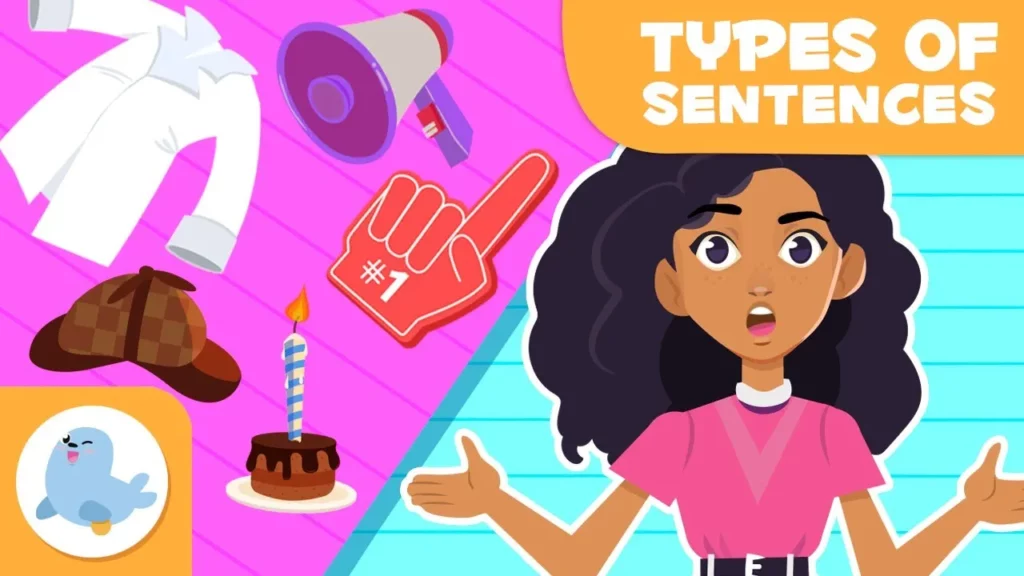
In today’s lesson, we explored the world of sentences, which are essential for expressing our thoughts and ideas. We learned about the four main types of sentences: declarative sentences that state facts, interrogative sentences that ask questions, exclamatory sentences that convey strong emotions, and imperative sentences that give commands. To reinforce our understanding, we were encouraged to identify and use all four types in our daily conversations.
Did You Know That Penguins Don’t Live at the North Pole? ????
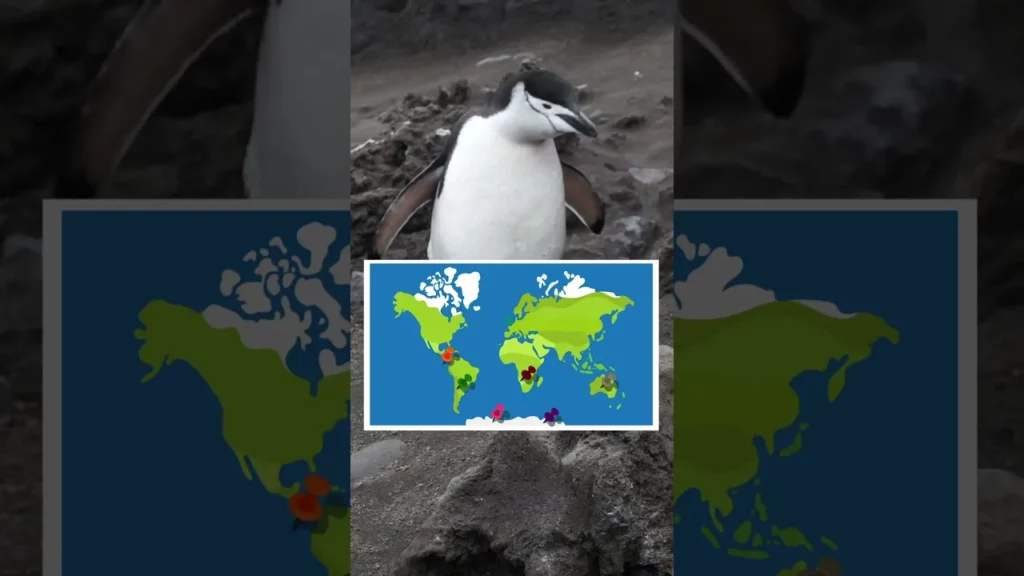
This lesson highlights that penguins primarily inhabit the Southern Hemisphere, with the Galápagos penguin being an exception found near Ecuador. It describes their unique appearance, including their feather-covered bodies, and emphasizes their remarkable swimming abilities and social behaviors, such as huddling together for warmth. Additionally, the lesson encourages further exploration of penguin life and their nurturing habits.