
???? Head Shoulders Knees and Toes | Kids Songs | Nursery Rhymes | Socratica Kids ????
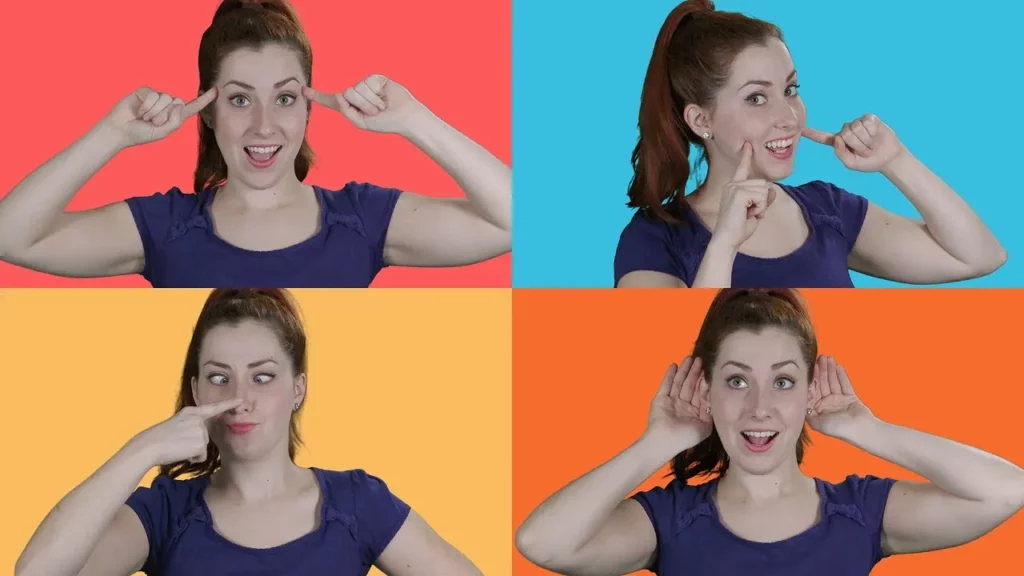
The lesson emphasizes the educational benefits of the song “Head, Shoulders, Knees, and Toes,” which teaches children about body parts through singing and movement. It highlights how the song aids cognitive development, physical coordination, language skills, and social interaction, while also suggesting ways to enhance the learning experience through visual aids, variations in tempo, dance routines, and discussions about body functions. Overall, the lesson promotes a joyful and engaging approach to learning about the body.
Night Animals for Kids | Zoo animals for preschool and kindergarten
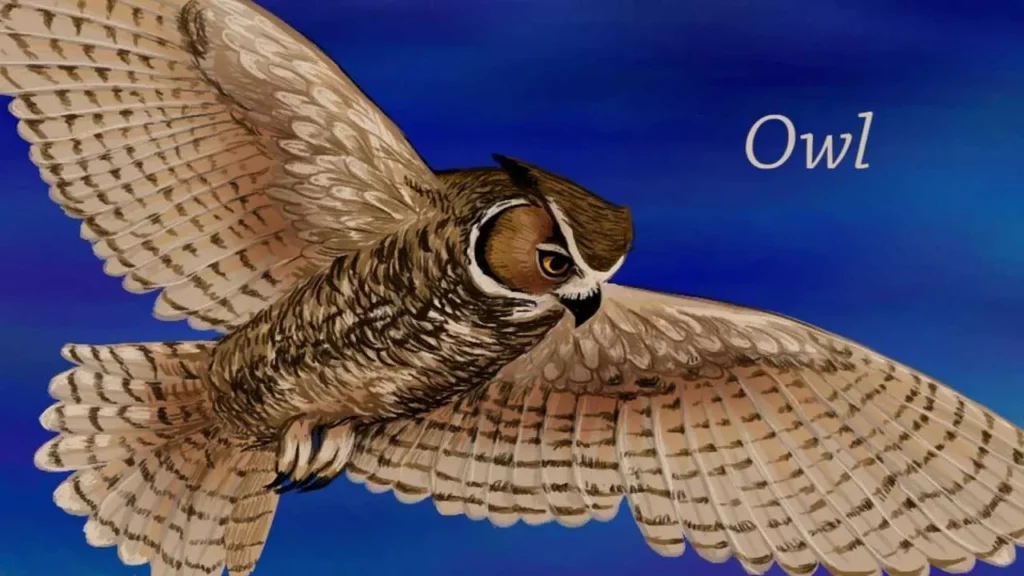
The lesson explores the fascinating world of nocturnal creatures, highlighting their unique adaptations that enable them to thrive in the dark. Animals such as bats, cats, deer, moths, opossums, owls, raccoons, and wolves each possess special skills, like echolocation in bats and teamwork in wolves, that aid in their survival. Understanding these nocturnal animals enhances our appreciation for biodiversity and the vital roles they play in ecosystems.
Science Stories: How Do Fish Breathe Underwater?|
In this lesson, we explore how fish breathe underwater using their specialized organs called gills, which efficiently extract oxygen from water. Unlike humans, who rely on lungs to breathe air, fish have adapted to their aquatic environment by utilizing gills that can absorb up to 85% of the oxygen in water. This unique adaptation highlights the importance of aquatic ecosystems and the need to protect the habitats where fish thrive.
TORNADO = a SKY whirlpool ????️Nature Earth Science
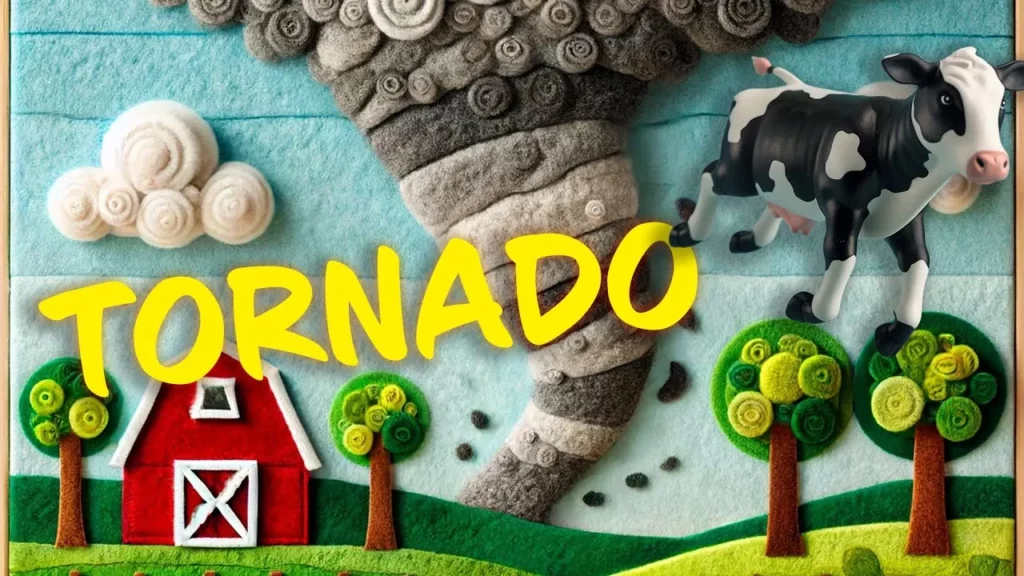
This lesson on tornadoes explains their formation, types, and safety measures to take during a tornado event. Tornadoes are fast-spinning columns of air that can cause significant damage, with supercell tornadoes being the most destructive. Understanding how to predict tornadoes and the importance of having an emergency plan can help individuals stay safe when faced with these powerful natural phenomena.
Phonics Reading Lesson 2…Ss
In this lesson, students learn the sounds “mmm” and “sss,” which are essential for developing reading skills. Through engaging activities and games, they practice pronouncing these sounds slowly and quickly in various words, enhancing their phonemic awareness. By the end of the lesson, students are encouraged to continue practicing these sounds to improve their reading abilities.
The Skull for Kids – Halloween & Dia de Los Muertos – Anatomy for Kids
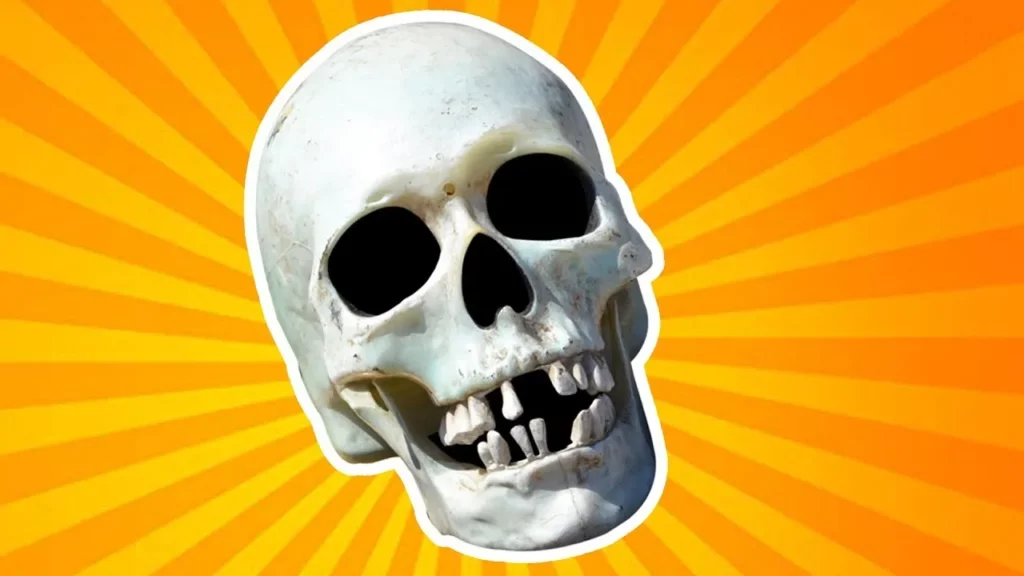
This lesson explores the significance of the human skeleton, particularly the skull, in the context of Halloween and Dia de Los Muertos. It highlights the skeleton’s essential functions, such as providing structure and protecting vital organs, while also detailing the composition and development of the skull, including its unique features like fontanelles and the movable mandible. Ultimately, the lesson encourages appreciation for our bodies and the cultural meanings behind the symbols associated with these celebrations.
14 Animals With Jobs | Animals who work for a living!
The lesson highlights the remarkable roles animals play in assisting humans across various fields, showcasing their intelligence and unique abilities. From service dogs that support individuals with disabilities to agricultural animals that aid in farming, and even marine mammals used in military operations, the diverse jobs of animals demonstrate their invaluable contributions to society. The lesson encourages appreciation for these animal workers and invites exploration of additional animal roles.
Nursery Rhymes – Little Miss Muffet (Kids)
The lesson on “Little Miss Muffet” explores the nursery rhyme’s characters, setting, and themes, highlighting its educational value. It emphasizes language development through rhyming, introduces food science by explaining curds and whey, and encourages understanding of nature by discussing spiders and overcoming fears. Overall, the rhyme serves as a fun and informative tool for children and adults alike.
Look out TSUNAMI = wall of water ???? Nature Earth Science
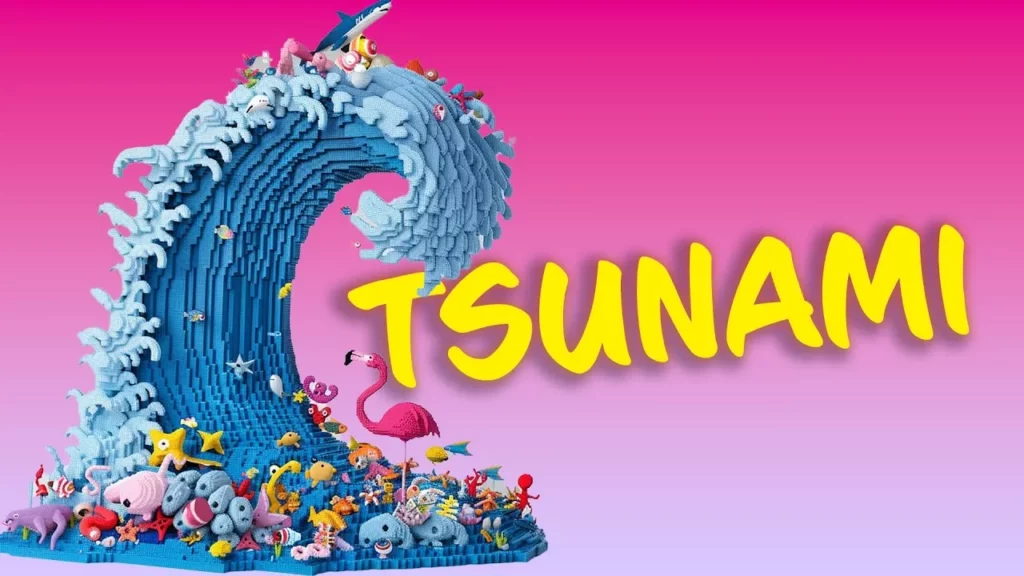
This lesson on tsunamis highlights the nature and dangers of these powerful ocean waves, which are caused by underwater earthquakes, volcanic eruptions, or landslides. It emphasizes the importance of recognizing warning signs, such as a retreating ocean or strong earthquakes, and being prepared with safety measures, including warning systems and evacuation plans, to protect ourselves and our communities from potential tsunami threats. Historical examples, like the 2004 Indian Ocean and 2011 Tohoku tsunamis, serve as reminders of the devastating impact these natural events can have.
2: The Number Two – Kids Learn to Count Numbers
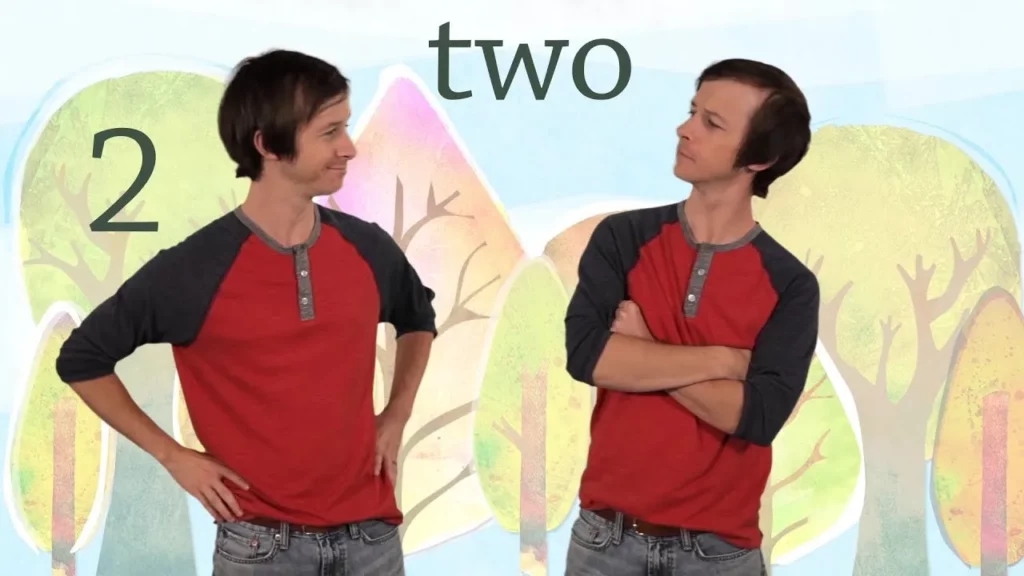
In this lesson, students embark on a fun adventure to discover the number two, learning its significance in counting and math. They practice writing the number and explore the concept of pairs, recognizing examples in everyday life, such as socks and shoes. The lesson concludes by highlighting interesting facts about the number two and sets the stage for the next number, three, emphasizing the importance of sequential learning in mathematics.