
Science Stories: What is Thunder?|
The lesson “Understanding Thunder: A Guide for the Curious” explains the science behind thunder and lightning, detailing how thunder is the sound produced by the rapid expansion of air heated by lightning. It highlights the extreme temperatures of lightning and reassures readers that while thunder can be startling, it is harmless, unlike the dangerous lightning that causes it. Additionally, the lesson provides a fun method for estimating the distance of a lightning strike, encouraging curiosity and safety during thunderstorms.
Science Stories: Why is the Sky Blue?|
The lesson explains that the sky appears blue due to Rayleigh scattering, a phenomenon where shorter blue light waves are scattered more than longer wavelengths like red when sunlight interacts with particles in the Earth’s atmosphere. Additionally, it highlights the role of our eyes and brain in perceiving colors, emphasizing that while violet light is scattered even more, our eyes are less sensitive to it, allowing us to predominantly see blue.
Nursery Rhymes – Itsy Bitsy Spider Song (Kids)
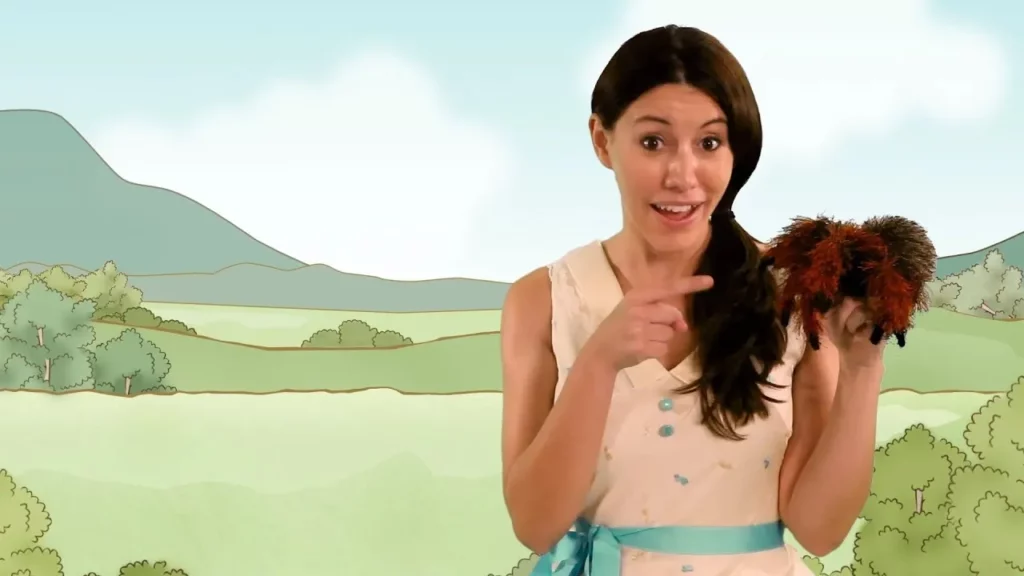
The lesson explores the educational aspects of the song “The Itsy Bitsy Spider,” highlighting its connections to nature and science, particularly the water cycle, precipitation, and the differences between spiders and insects. It explains concepts such as the function of a waterspout, the process of evaporation, and the importance of habitats for spiders, emphasizing how these elements illustrate the interconnectedness of the natural world. Ultimately, the lesson encourages appreciation for nature and the cycles that sustain it.
Black Holes for Kids | Event Horizon Telescope M87
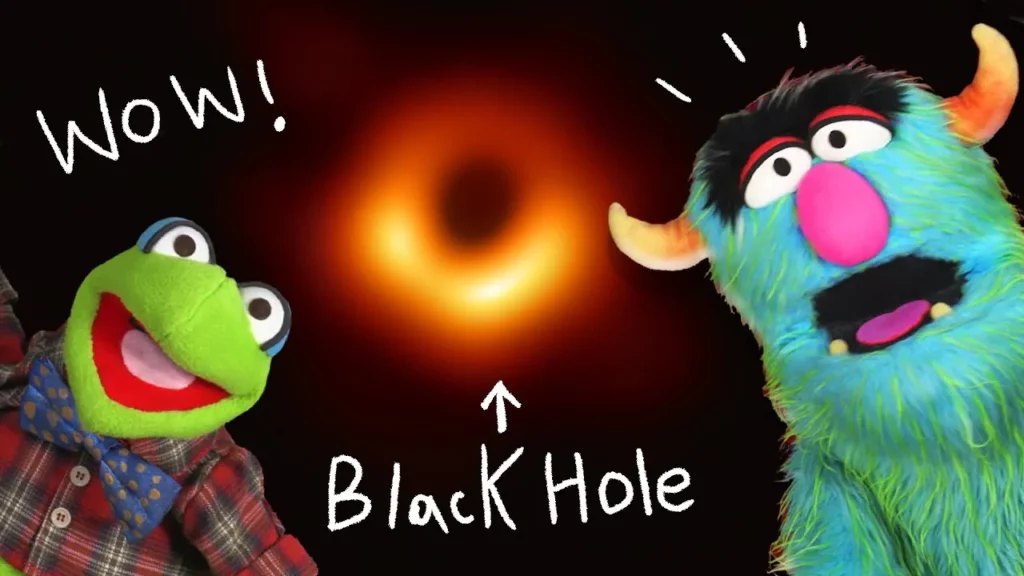
The lesson on black holes explores their nature as regions in space where gravity is so intense that nothing, not even light, can escape. It explains how black holes form from the remnants of massive stars after a supernova explosion, the significance of the event horizon as the point of no return, and the different types of black holes, including stellar and supermassive varieties. Through advanced technology and observational techniques, scientists continue to uncover the mysteries of black holes, enhancing our understanding of the universe.
Bigger or Smaller? | Words for Kids | Kids Vocabulary
The lesson “Understanding Size: A Fun Game of Bigger or Smaller” introduces a playful game that encourages participants to compare the sizes of various objects or animals. By guessing which item is bigger or smaller and discussing the outcomes, players enhance their thinking skills, expand their vocabulary, and gain a better understanding of size relationships, all while fostering curiosity about the natural world. This engaging activity not only promotes learning but also makes it enjoyable to explore concepts related to size in science and math.
ABC phonics: The Letter P for Kids
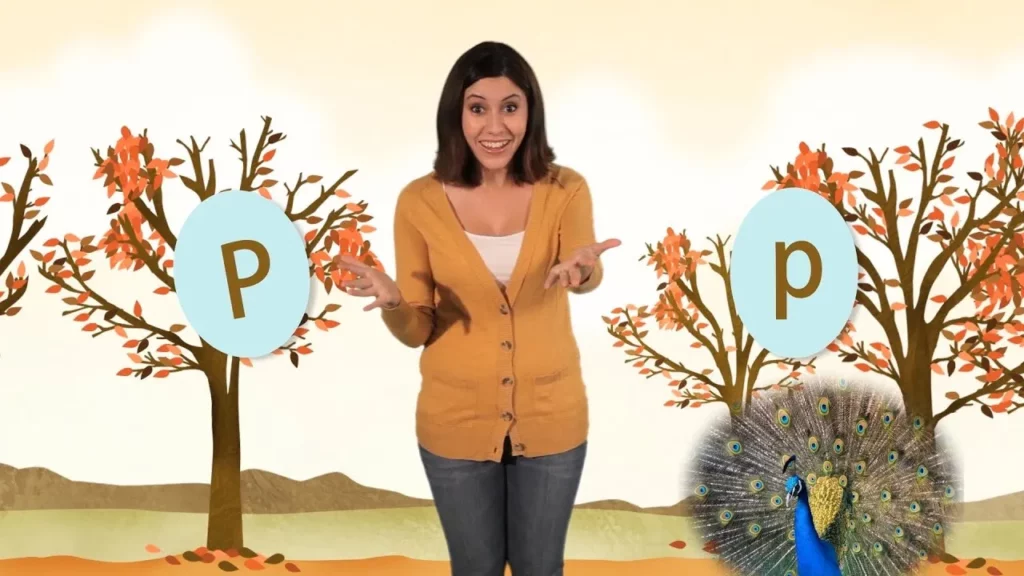
In today’s lesson, we explored the letter P, learning how it sounds, how to write both the capital and lowercase forms, and discovering fun words that begin with P, such as “pizza” and “puppy.” We practiced saying the letter and its associated words, emphasizing the unique “puh” sound it makes. By the end of the lesson, students gained confidence in recognizing and writing the letter P, setting the stage for further exploration of the alphabet.
ABC phonics: The Letter O for Kids
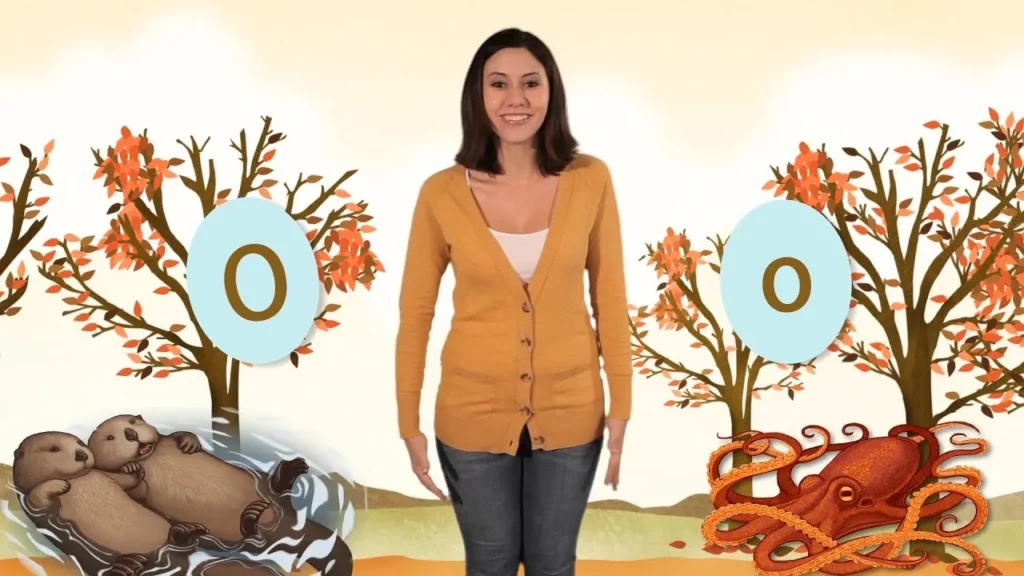
In this lesson, students learn about the letter “O,” including its position in the alphabet, its short and long sounds, and how to write both the capital and lowercase forms. The lesson emphasizes the importance of vowels in reading and writing, providing examples of words that start with “O” to reinforce understanding. By exploring these concepts, students enhance their literacy skills and gain confidence in their reading abilities.
Arithmetic: More about Multiplication!
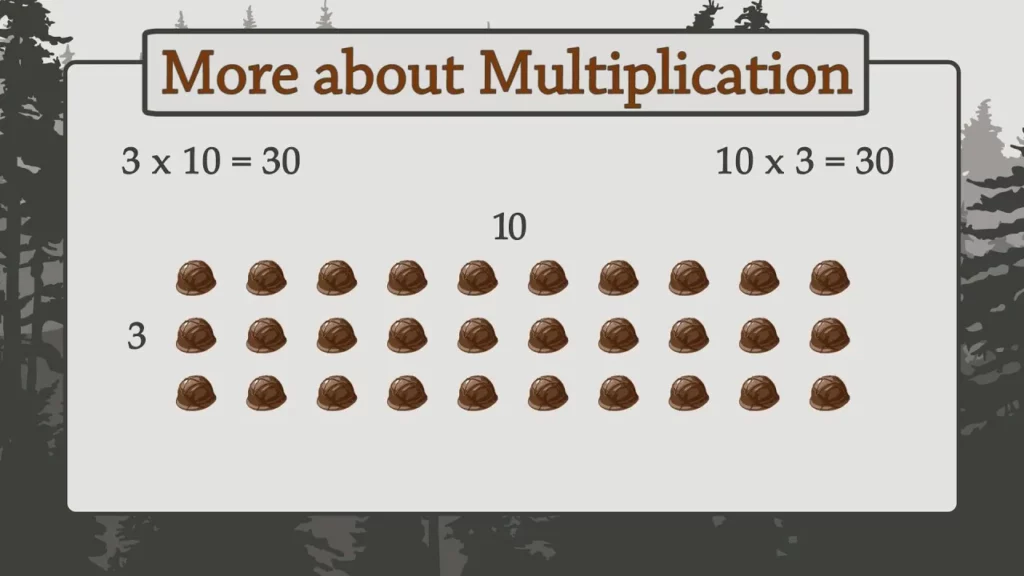
In this lesson, students learn about multiplication through a relatable scenario involving sharing chocolates at a party. By calculating the total number of chocolates needed for ten friends, each receiving three pieces, they discover that multiplication (3 x 10) is a quicker method than repeated addition. The lesson also introduces the Commutative Property of Multiplication, demonstrating that the order of numbers does not affect the product, reinforcing the efficiency and versatility of multiplication in problem-solving.
Halloween Science Experiments for Kids | Spooky Floating Ghosts | Science for Kids
In this lesson, students learn to create flying ghosts using static electricity, a fun and engaging activity perfect for Halloween. By following simple steps—drawing and cutting out a ghost from tissue paper, charging a balloon by rubbing it on their hair, and then bringing the balloon close to the ghost—they observe how static electricity causes the ghost to lift. This experiment not only entertains but also teaches the fundamental concept of static electricity and encourages experimentation with different materials.
Chinese Zodiac Animals ???? Happy Lunar New Year! 2024 YEAR OF THE DRAGON
The lesson introduces the Chinese Zodiac, known as “Shengxiao,” which features a 12-year cycle represented by different animals, each embodying unique traits. Beginning with the Rat and culminating with the Pig, the Zodiac year starts with the Lunar New Year, celebrated with family and cultural traditions. By exploring the characteristics of each animal, learners can gain insights into their personalities and relationships, while also enjoying the rich stories behind the Zodiac, including the tale of the Cat’s exclusion.