
ABC phonics: The Letter J for Kids
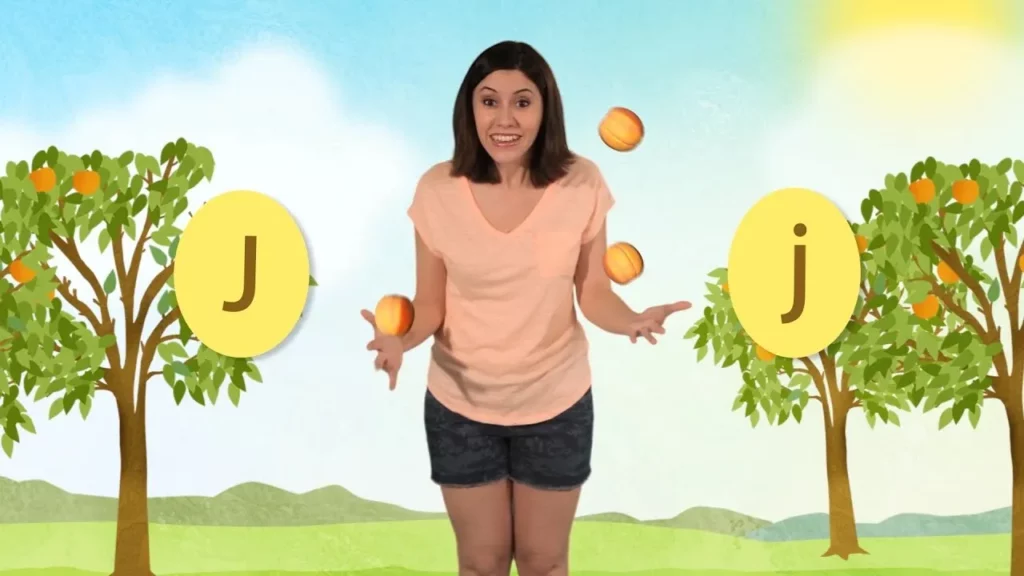
In today’s lesson, we explored the letter J, the 10th letter of the alphabet, focusing on its appearance, sound, and writing techniques. We learned that J has both a capital and lowercase form, makes a “juh” sound, and is the beginning letter for words like “jaguar,” “juice,” and “joke.” The lesson emphasized the importance of recognizing, pronouncing, and writing the letter J to enhance our reading and writing skills.
ABC phonics: The Letter H for Kids
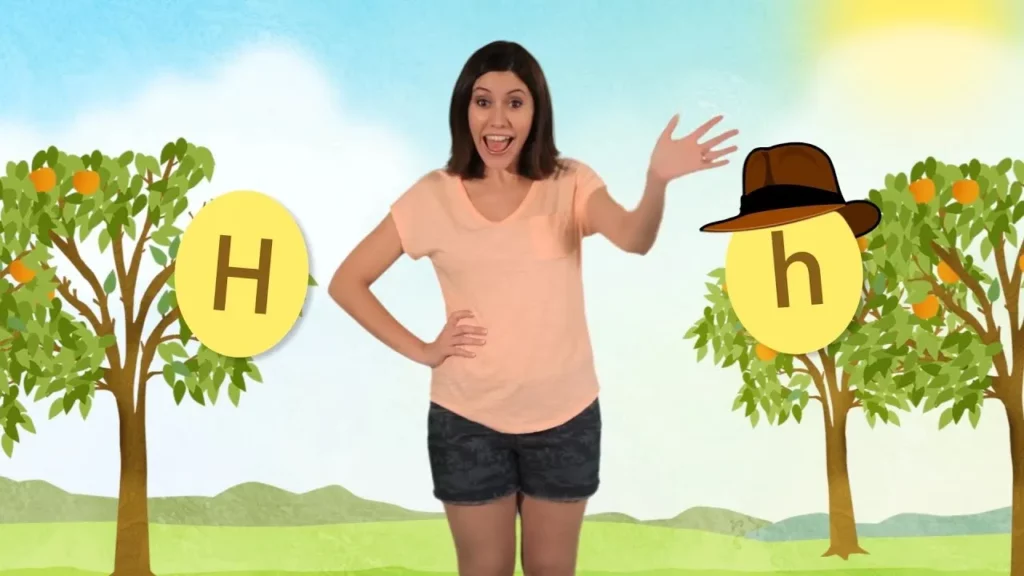
In this lesson, students are introduced to the letter H, learning its position in the alphabet, its two forms (Big H and little h), and how to write each one. The lesson emphasizes the sound of H, represented by words like “horse,” “hat,” and “hello,” highlighting its importance in reading and writing. By mastering the letter H, students build a foundation for understanding future letters and sounds.
Pi for Kids | What is Pi | Pi Day March 14th | 22/7
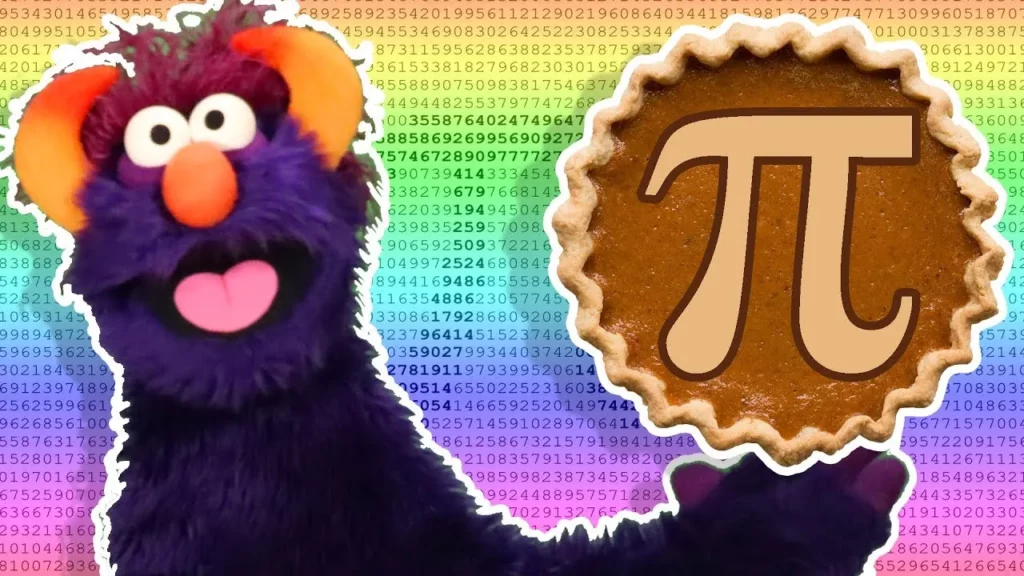
The lesson on Pi introduces it as an infinite, non-repeating number essential in mathematics, particularly in understanding circles through the relationship between circumference and diameter. Practical examples, such as comparing pizza sizes, illustrate how Pi is used to calculate both circumference and area, emphasizing its significance in real-world applications. Additionally, the lesson highlights the historical context of Pi and celebrates Pi Day, showcasing its importance in both math and culture.
What is Electricity for Kids? | Science for Kids
In this lesson, we explored the concept of electricity through the curious question of a young child named Avery. We learned that electricity is a form of energy created by the movement of tiny particles called electrons, and it comes in two main types: static electricity, which occurs when charges build up in one place, and current electricity, which involves the flow of electrons through conductors to power everyday devices. Understanding electricity helps us appreciate its vital role in our daily lives, from lighting and heating to entertainment and communication.
Which BUGS live in cities? ???????? bonus DOWNLOADS
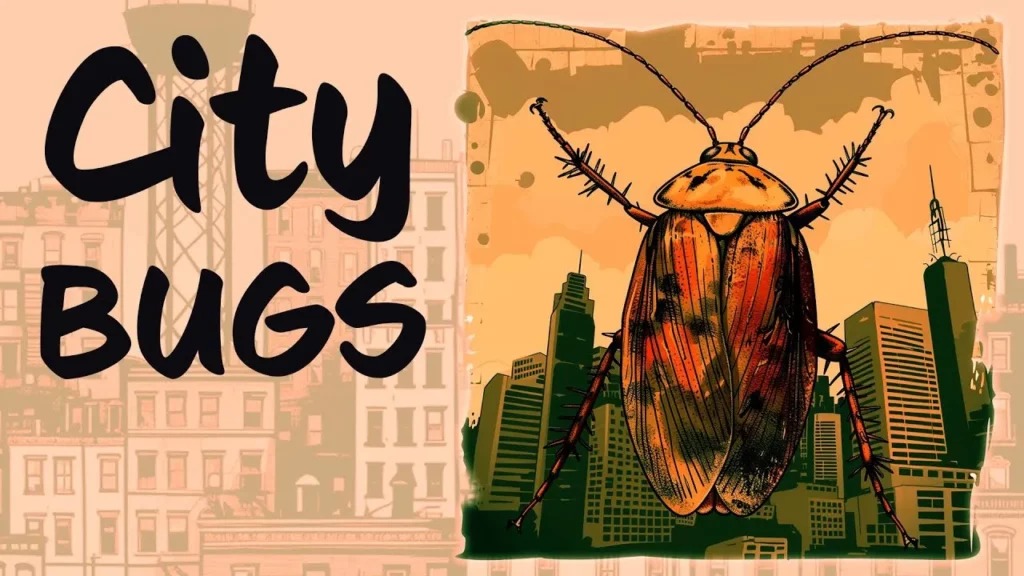
The lesson “Exploring the Hidden World of City Bugs” highlights the diverse and essential roles that various insects play in urban environments. From resilient cockroaches and chirping crickets to social ants and buzzing bees, each bug contributes uniquely to the ecosystem, whether through pollination, pest control, or decomposition. By understanding and appreciating these tiny creatures, we can recognize the importance of biodiversity in our cities.
Science Stories:How does Aspirin know where to work?
This lesson explains how pain is perceived by the brain and the role of prostaglandins in amplifying that pain during an injury. It details how aspirin alleviates pain by reducing the production of prostaglandins and altering the brain’s perception of pain signals, providing temporary relief. Understanding these mechanisms highlights the scientific basis behind aspirin’s effectiveness as a pain reliever and emphasizes the importance of seeking medical advice for persistent pain.
ABC phonics: The Letter G for Kids
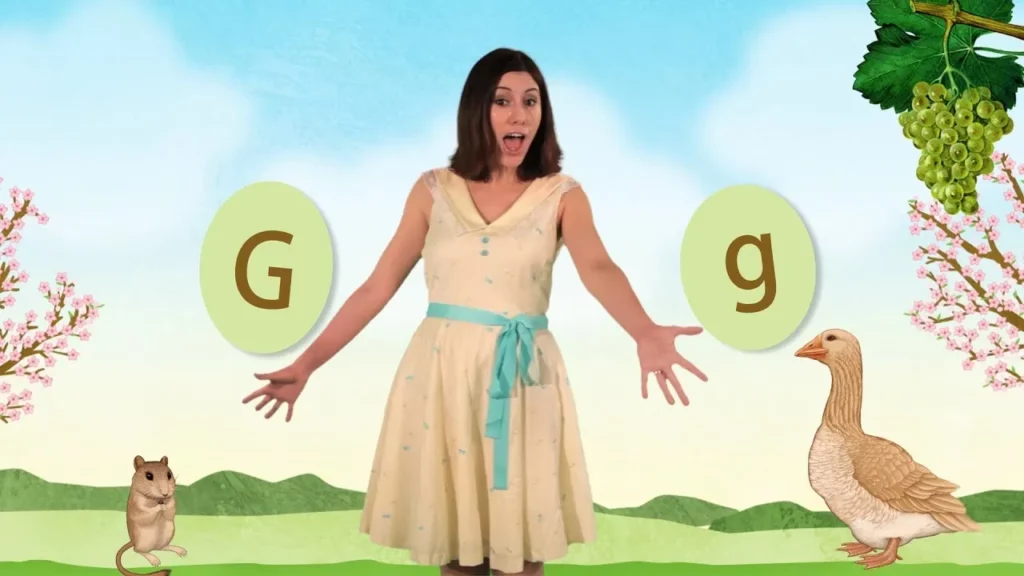
In this lesson, we explored the letter G, the seventh letter of the alphabet, focusing on its position, sounds, and writing techniques. We learned that G can produce both a hard sound, as in “gold,” and a soft sound, as in “germ,” and practiced writing both capital and lowercase G. Additionally, we discovered various words that begin with G, enhancing our reading and writing skills while preparing for the next letter, H.
17 Dolphin FACTS to know ???? Animals for Kids
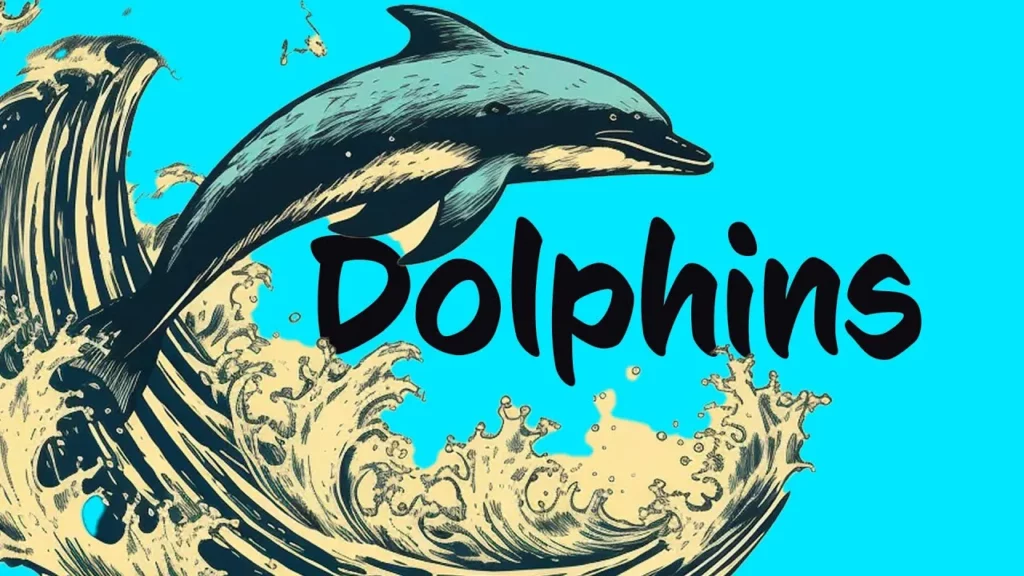
This lesson explores the remarkable characteristics of dolphins, highlighting their classification as mammals, exceptional swimming abilities, and unique social behaviors. It delves into their anatomy, communication methods, and hunting strategies, emphasizing their intelligence and maternal care. Ultimately, the lesson celebrates dolphins as not only playful creatures but also as heroes in the ocean, showcasing their fascinating role in marine life.
8 Halloween Animals | Animals for Kids | Wild Animals
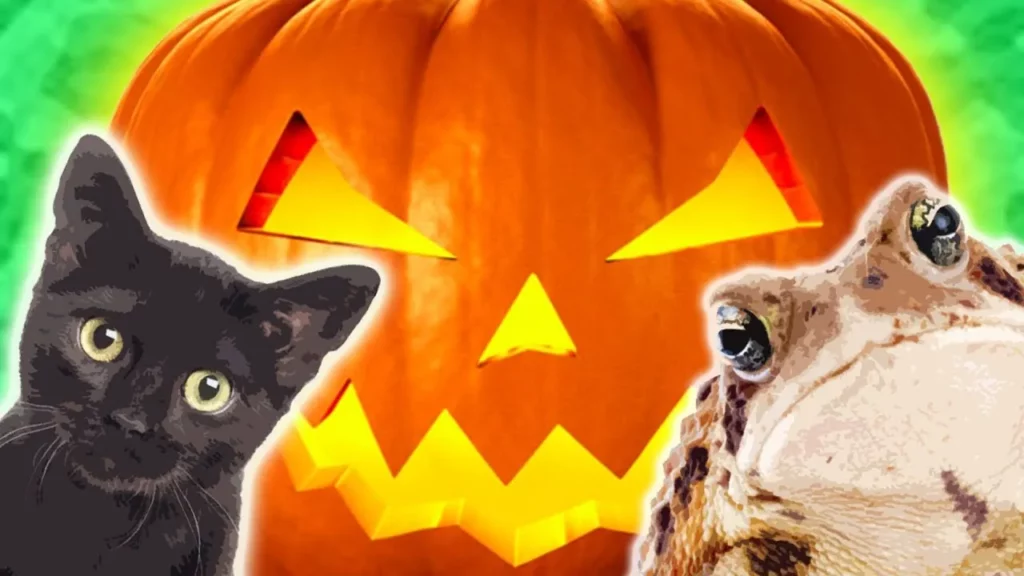
The lesson explores eight animals commonly associated with Halloween, highlighting their unique traits and roles in nature. From the silent flight of owls to the cleverness of ravens, each creature contributes to the spooky atmosphere of the season while also playing important ecological roles. Ultimately, the lesson encourages appreciation for these fascinating animals and their connections to Halloween folklore.
What makes WHIRLPOOLS? ???? Nature Earth Science
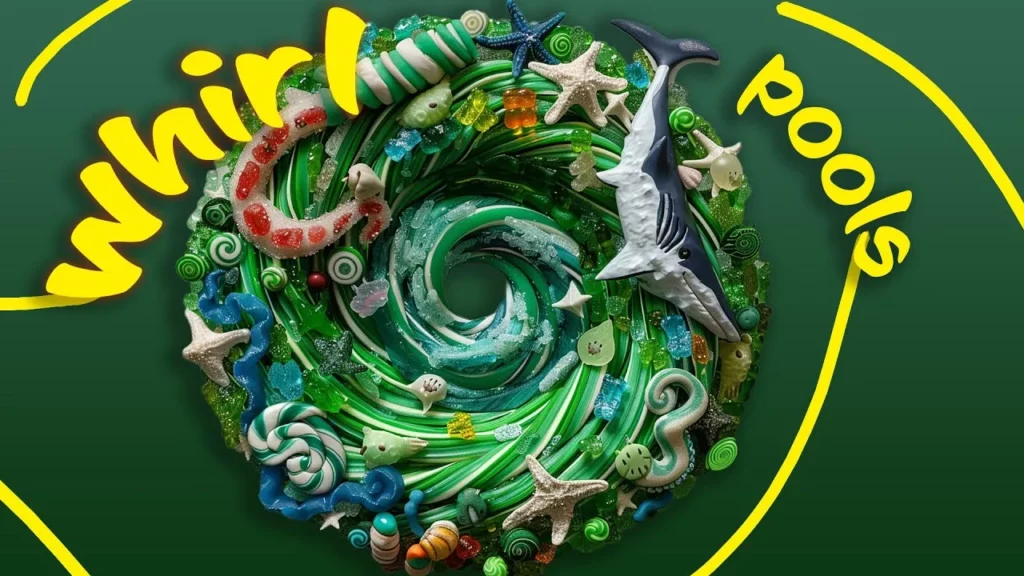
The lesson explores the fascinating phenomenon of whirlpools, explaining how they form when opposing water currents collide, influenced by geography and flow speed. It highlights the different types of whirlpools, their potential dangers, and famous examples around the world, while also touching on their significance in mythology. Ultimately, whirlpools serve as a reminder of nature’s power and the stories that have emerged from human encounters with these swirling wonders.