
CLASSIC STORIES for Kids ???? Don Quixote, Lazarillo de Tormes and Platero and I ????
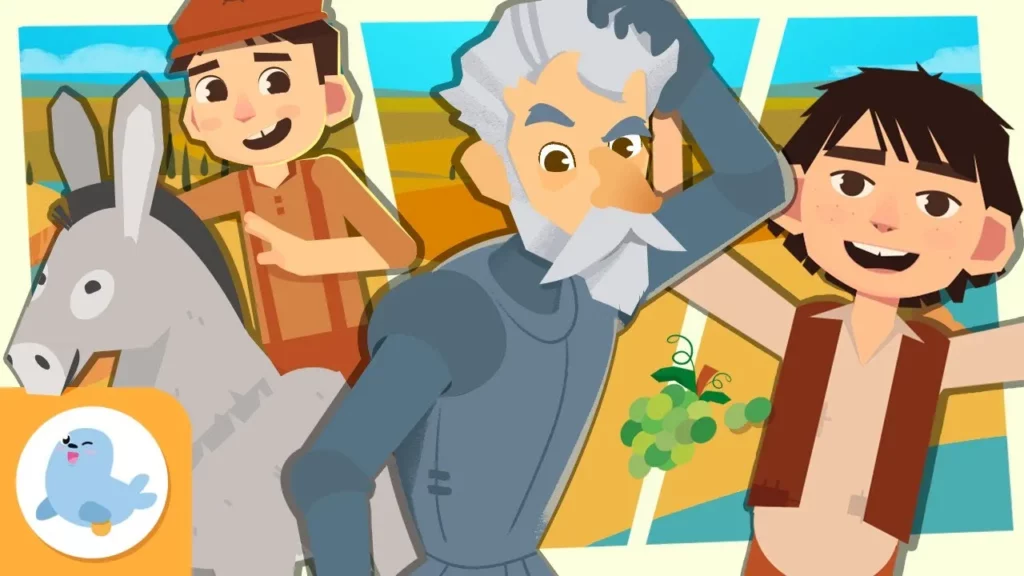
This lesson introduces classic stories for kids, focusing on “Lazaro de Tormes,” “Platero and I,” and “Don Quixote.” Each tale offers unique adventures and life lessons, from Lazaro’s clever survival tactics in a harsh world to the deep bond between a boy and his donkey, Platero, and the humorous yet insightful escapades of Don Quixote, who embodies the spirit of pursuing dreams despite challenges. Together, these stories encourage exploration and learning through their engaging narratives.
Did You Know That Turtles Lived on Earth During the Age of the Dinosaurs? ????????
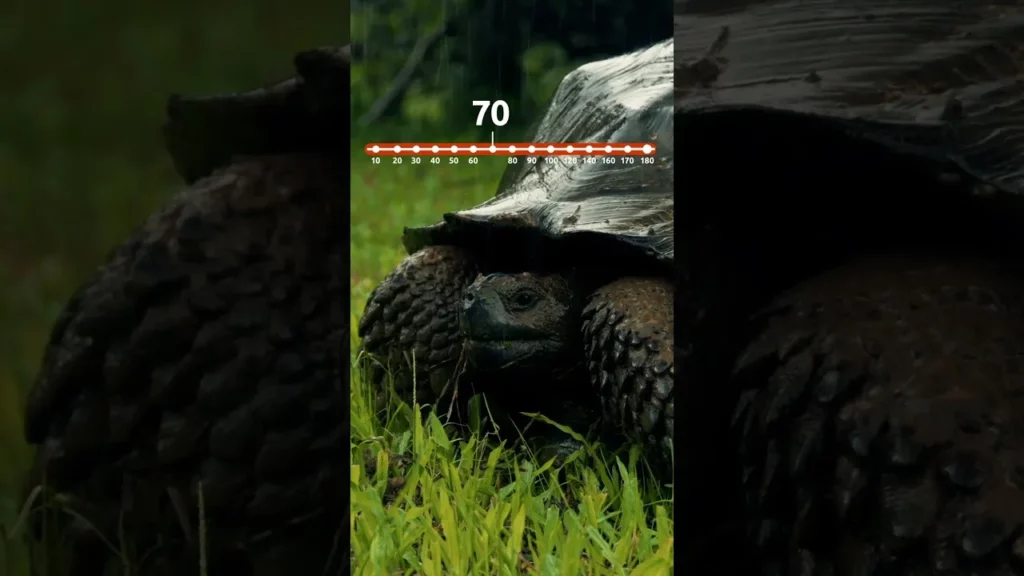
This lesson highlights the fascinating history and longevity of turtles, which have existed since the age of dinosaurs and can live for many decades, with some reaching ages over 175 years. Turtles inhabit various environments around the world, except for extremely cold regions, and play a crucial role in maintaining ecological balance by consuming plants and small animals. Overall, turtles are not only remarkable creatures but also vital to our understanding of the natural world.
Phonics for Kids ???? The CH Sound ???? Phonics in English ????
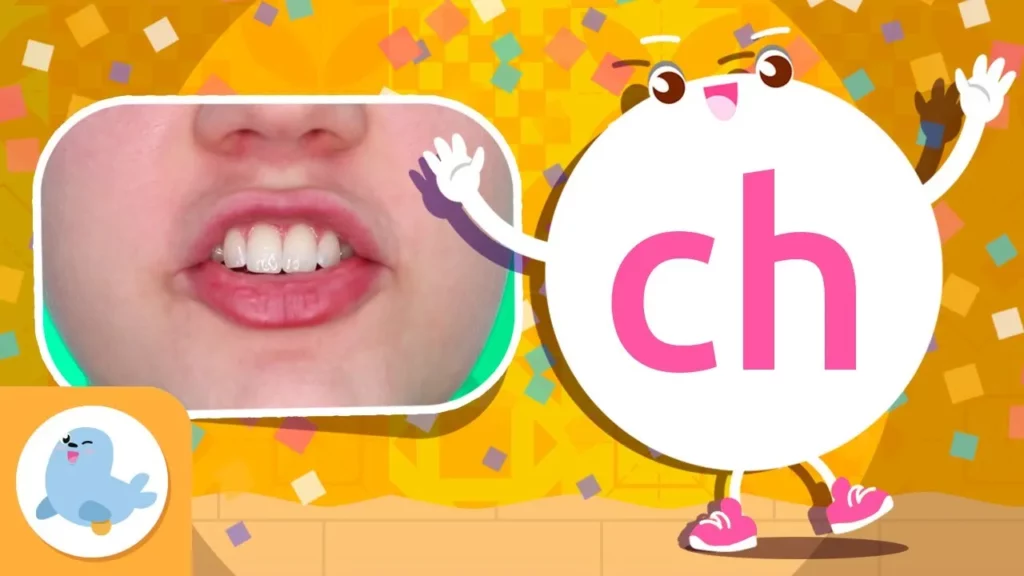
In this lesson, children are introduced to the CH sound, exemplified by the word “chin,” while engaging with a friendly character named SH. Through interactive singing and playful activities, students reinforce their understanding of the CH sound, celebrating their learning achievements and encouraging further exploration in phonics. The lesson emphasizes fun and engagement as key components of the learning process.
How to Identify SADNESS ???? RECOGNIZING EMOTIONS for Kids ???? Episode 3
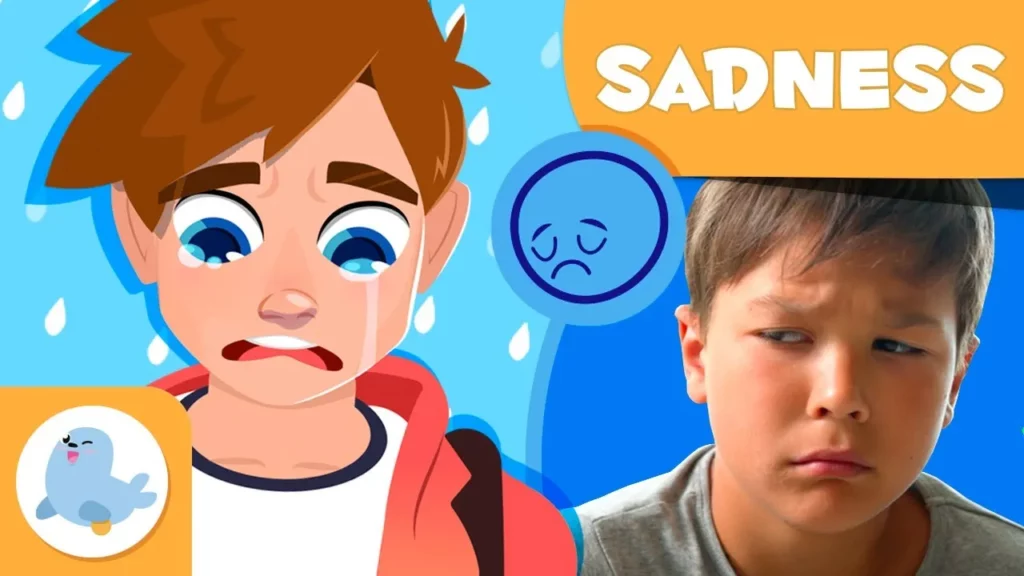
In this lesson, children learn about sadness as a normal emotion that can arise from loss or disappointment, illustrated through a relatable story about a soccer game. The lesson emphasizes recognizing physical signs of sadness, the importance of expressing feelings, and strategies for coping, such as talking to trusted individuals and engaging in uplifting activities. Ultimately, understanding and sharing emotions can help children navigate their feelings and foster connections with others.
Turtles Are Amazing! ????
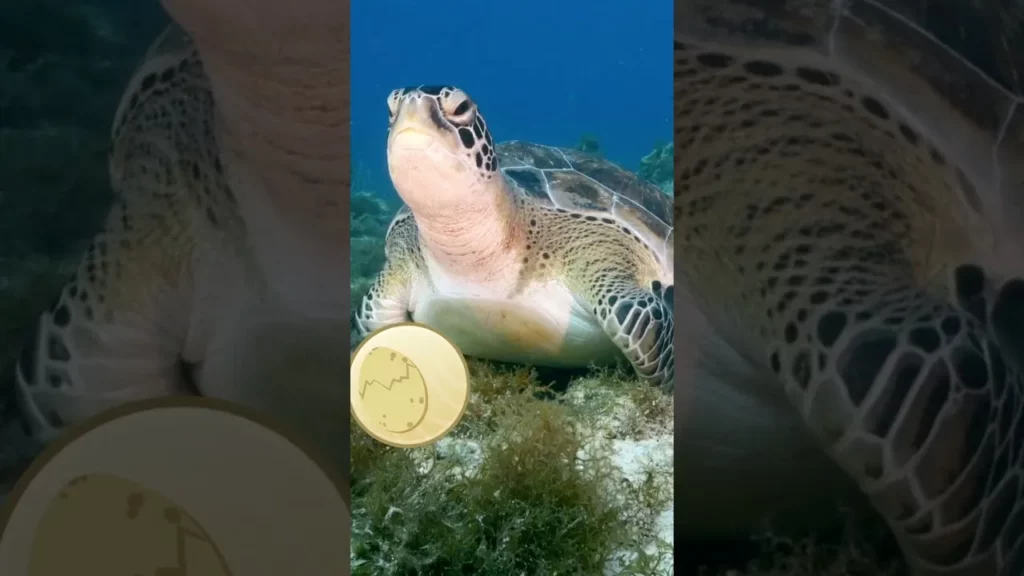
In the lesson “Turtles Are Amazing!”, students learn about the unique characteristics and behaviors of turtles, including their ability to make sounds without vocal cords and their distinctive hearing through skin flaps. The lesson also covers the life cycle of turtles, their natural predators, and highlights their ecological importance, such as maintaining healthy environments by controlling jellyfish populations and aiding in plant growth. Overall, it emphasizes the fascinating aspects of turtles and their vital role in nature.
How to Identify ANGER ???? RECOGNIZING EMOTIONS for Kids ???? Episode 4
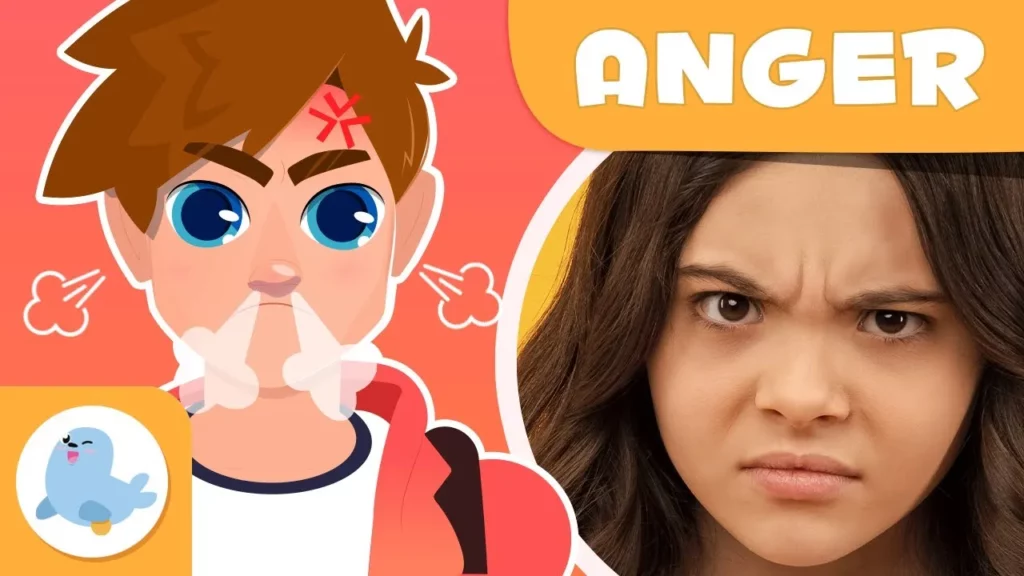
In this lesson, children learn to identify and understand their emotions, particularly anger, by recognizing physical signs such as a racing heart or tense muscles. The lesson emphasizes that while anger is a natural response to frustration or unfairness, it’s important to manage it effectively through techniques like deep breathing, journaling, and open communication. By sharing a personal story, the lesson illustrates how discussing feelings can lead to positive resolutions and improved emotional well-being.
???? The Mysteries of the Turtle Shell ????
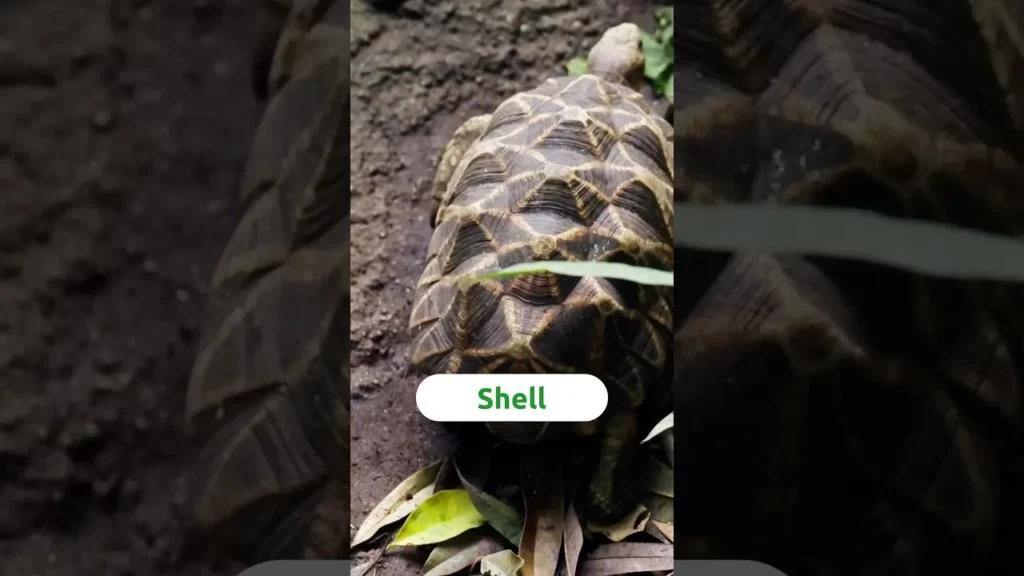
In this lesson, students explore the fascinating features of a turtle’s shell, which serves as a protective shield made up of about 50 bones and is intricately connected to the turtle’s spine. They learn that while the shell is tough, it is also sensitive and requires gentle handling. Additionally, the lesson highlights the longevity and historical significance of turtles, emphasizing their remarkable adaptability and resilience as one of Earth’s oldest creatures.
???? Are Turtles Really That Slow? ????
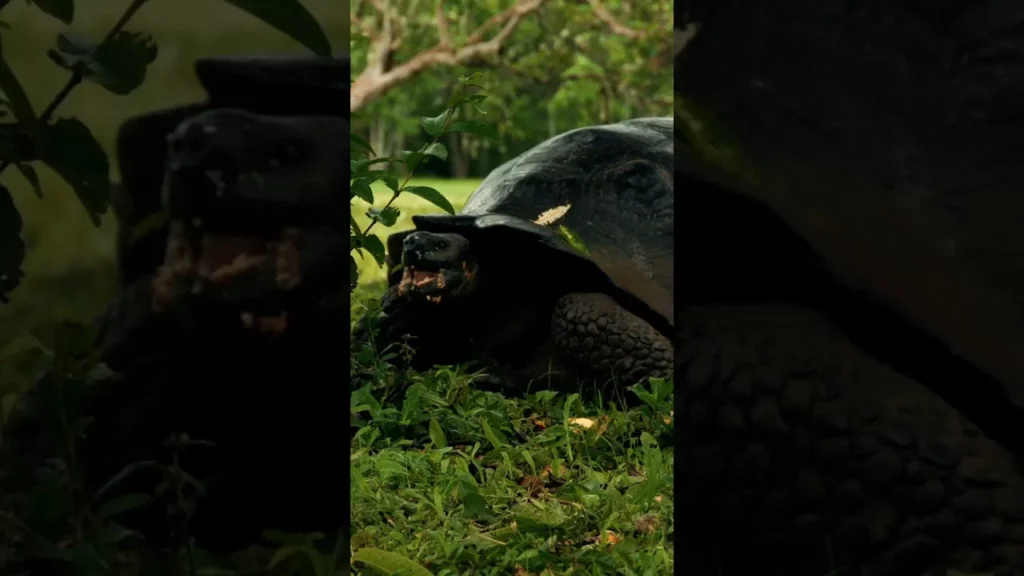
The lesson explores the unique characteristics of turtles, highlighting their slow movement on land as a protective adaptation due to their strong shells, which allow them to hide from danger. In contrast, turtles are surprisingly fast swimmers, capable of reaching speeds up to 22 miles per hour in water, showcasing their ability to thrive in both terrestrial and aquatic environments. Overall, turtles are remarkable creatures with a rich history, including impressive lifespans and a lineage dating back to the dinosaurs.
Phonics for Kids ???? The SH Sound ???? Phonics in English ????
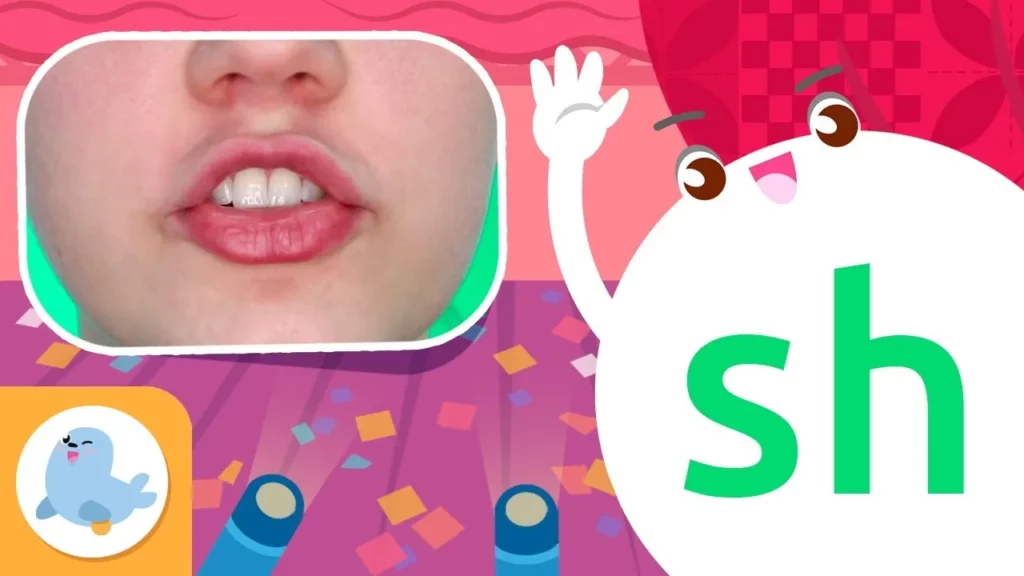
In this lesson, children are introduced to the “SH” sound, exemplified by the word “ship.” They engage in interactive activities, including calling the sound, singing a song, and practicing words that begin with “SH,” such as “shop” and “shark.” The lesson emphasizes the fun of learning phonics and encourages further exploration through additional educational videos.
FIGURATIVE SPEECH for Children ???? Literature for Children ✍️ Compilation
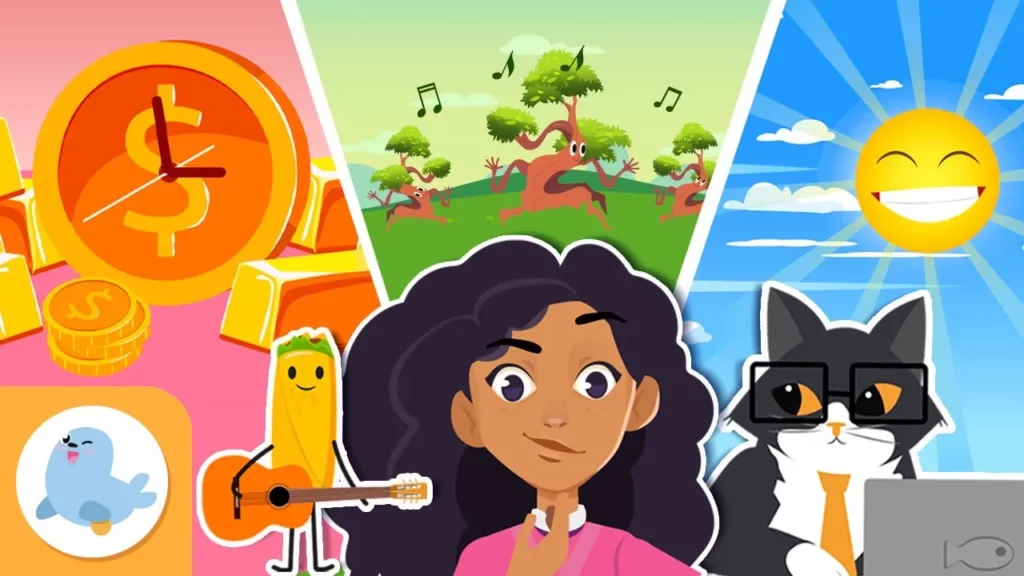
In today’s lesson, we explored various literary devices that enhance writing, focusing on similes, metaphors, hyperboles, personification, alliteration, and repetition. Each device serves a unique purpose: similes and metaphors create vivid comparisons, hyperboles emphasize feelings through exaggeration, personification attributes human traits to non-human elements, alliteration adds rhythm through sound repetition, and repetition reinforces key ideas. Students were encouraged to practice using these tools to express their thoughts creatively.