
Discover the World of BEES ????
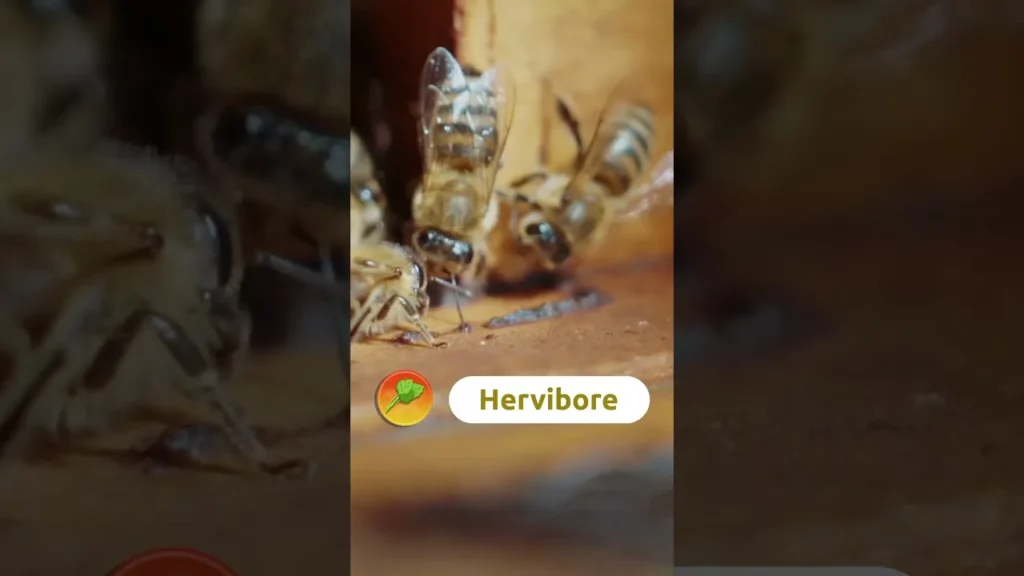
In this lesson, we explored the fascinating world of bees, learning about their unique characteristics, habitats, and vital role in pollination. Bees, which belong to the arthropod group and measure between 0.8 and 1.6 inches, are essential for helping plants grow and producing fruits and vegetables. We also discovered fun facts about bees and discussed ways to support their populations by creating safe environments for them to thrive.
K or CK ✍️ GRAMMAR and SPELLING for Kids???? Superlexia ⭐ Episode 15
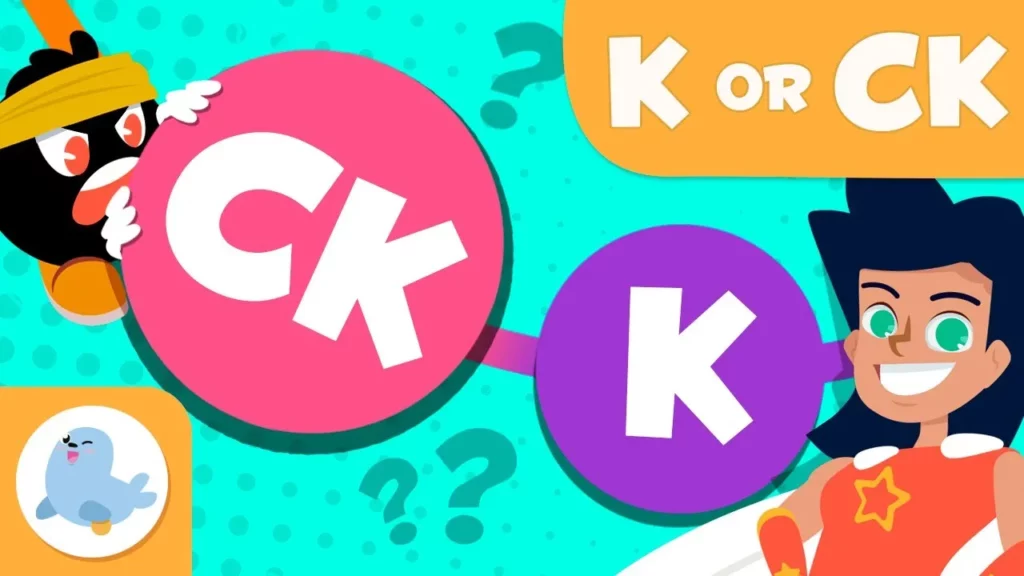
In this lesson, Super Lexia teaches kids about the “C” sound at the end of words, focusing on when to use “K” or “CK.” The key rule is that one-syllable words with a short vowel before the “C” sound should use “CK,” while those with a long vowel or consonant can simply use “K.” Through engaging examples and practice, children learn to identify the correct spelling to enhance their grammar and spelling skills.
Did You Know That There Are More Than 20,000 Different Species of Bees? ????
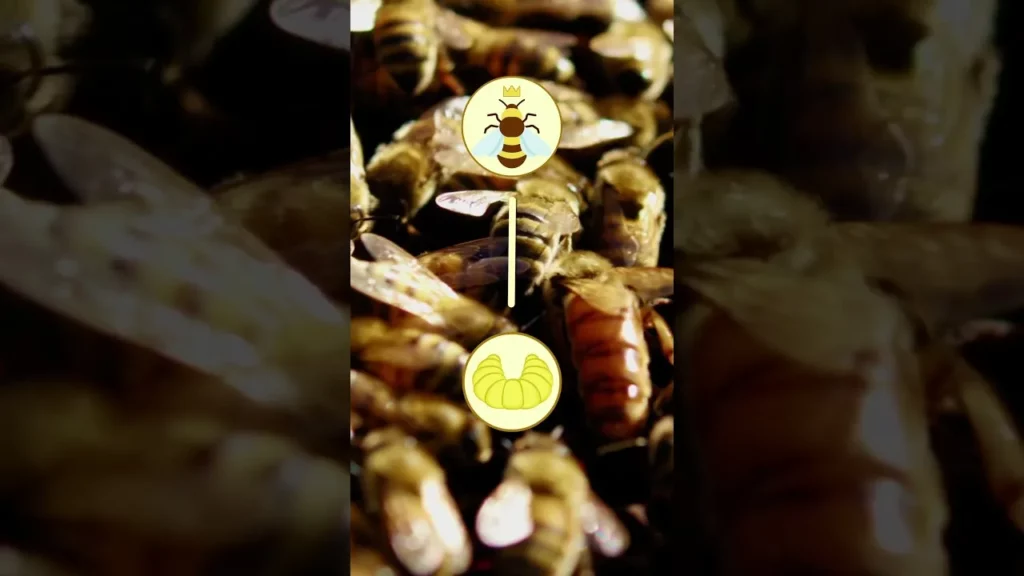
This lesson highlights the incredible diversity of bees, with over 20,000 species existing worldwide. It explains the structure of a beehive, detailing the roles of the queen bee, worker bees, and drone bees, emphasizing their collaborative efforts to sustain the hive. Additionally, the lesson underscores the vital role bees play in pollination, which is essential for the growth of many fruits and plants, and shares fun facts about their behaviors and abilities.
Learn About the Honeycomb From the Bees! ????
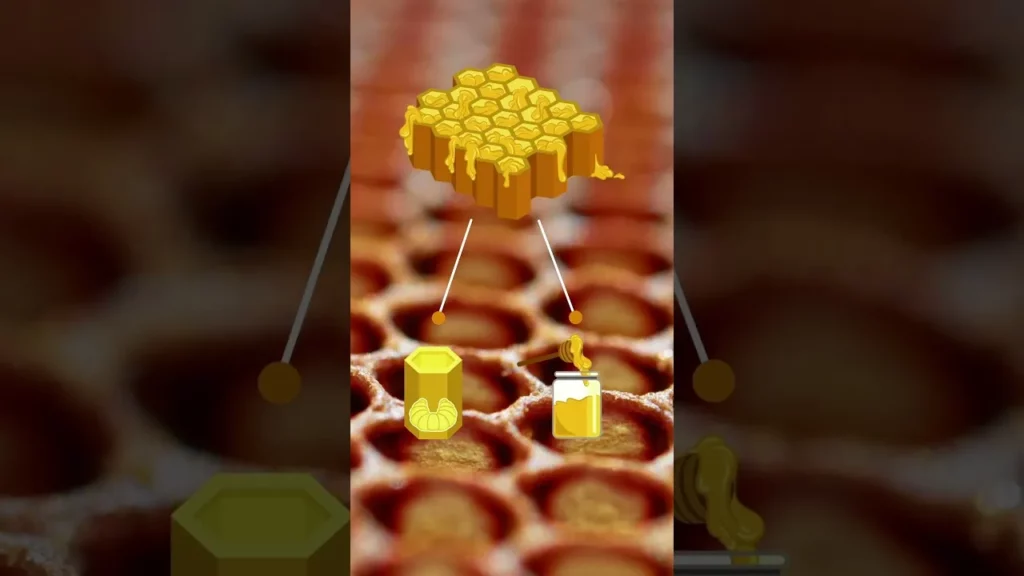
In this lesson, students learn about honeycombs, which are intricate structures made by bees from wax cells. The lesson highlights the various roles of bees within the honeycomb, including building, cleaning, storing food, caring for larvae, and protecting the hive. Additionally, it emphasizes the importance of bees in pollination and their unique method of communication through dancing.
How to Identify EMBARRASSMENT ???? RECOGNIZING EMOTIONS for Kids ???? Episode 5
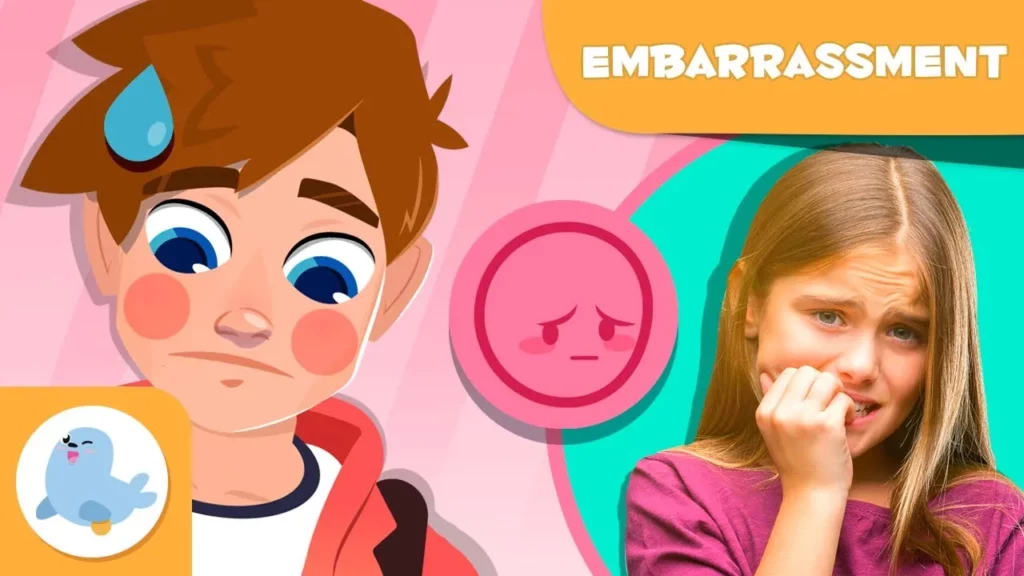
In this lesson, children learn about the emotion of embarrassment, including how it manifests physically and emotionally. Through a relatable story, they discover that embarrassment is a natural response to social situations and can help them understand themselves and others better. The lesson emphasizes the importance of managing embarrassment by taking deep breaths, seeking support, and recognizing that everyone makes mistakes.
Do You Know How Bees Produce Honey? ????????
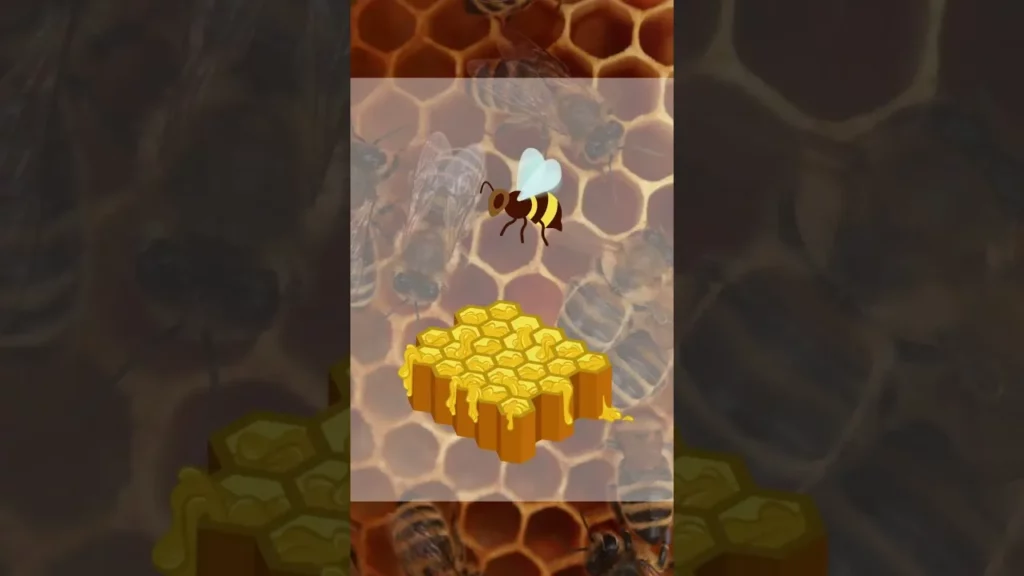
In this lesson, we learn how bees produce honey by collecting nectar from flowers and transforming it into honey through a process that involves sharing and chewing the nectar within their hive. The honey is then stored in honeycomb cells, where bees fan it to make it sticky and thick. Honey serves as a vital food source for bees, providing them with energy, especially during winter when flowers are scarce.
INTERVIEWS for Children ????️ Characteristics and Elements ✍️ Language Arts for Children
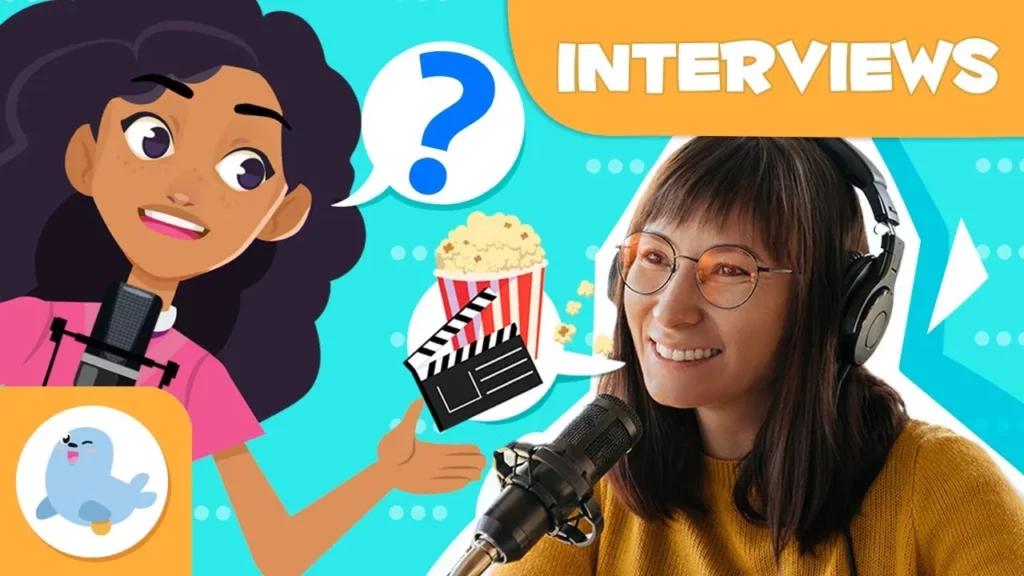
In this lesson, children are introduced to the concept of interviews as a unique form of conversation aimed at gathering information about a person’s experiences and knowledge. Key components of an interview include the interviewee, who shares their insights, the interviewer, who asks thoughtful questions, and the types of questions used, which can be either close-ended or open-ended. The lesson emphasizes the importance of respectful questioning and active listening, as well as creative ways to share the interview findings with others.
Did You Know That Bees Have 5 Eyes ?????
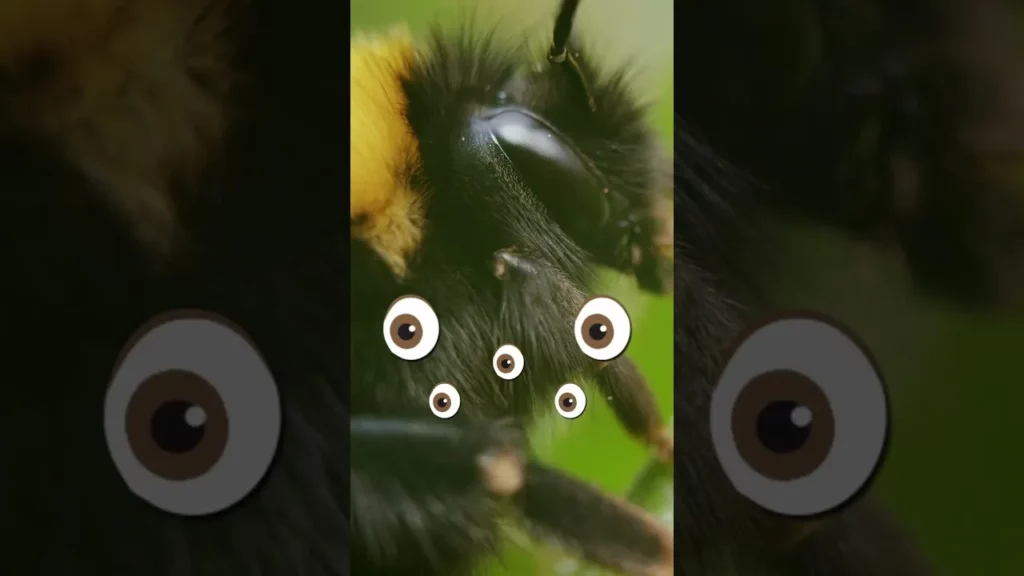
In this lesson, we learn that bees have five eyes—two large compound eyes on the sides of their heads and three smaller simple eyes on top, which help them navigate in dark environments like beehives. Additionally, bees possess an extraordinary sense of smell, enabling them to locate flowers from miles away, which is crucial for their role in pollination and the production of honey. Overall, bees are essential to our ecosystem, making them remarkable and valuable creatures.
Protecting the Bees is Everyone’s Job ????????
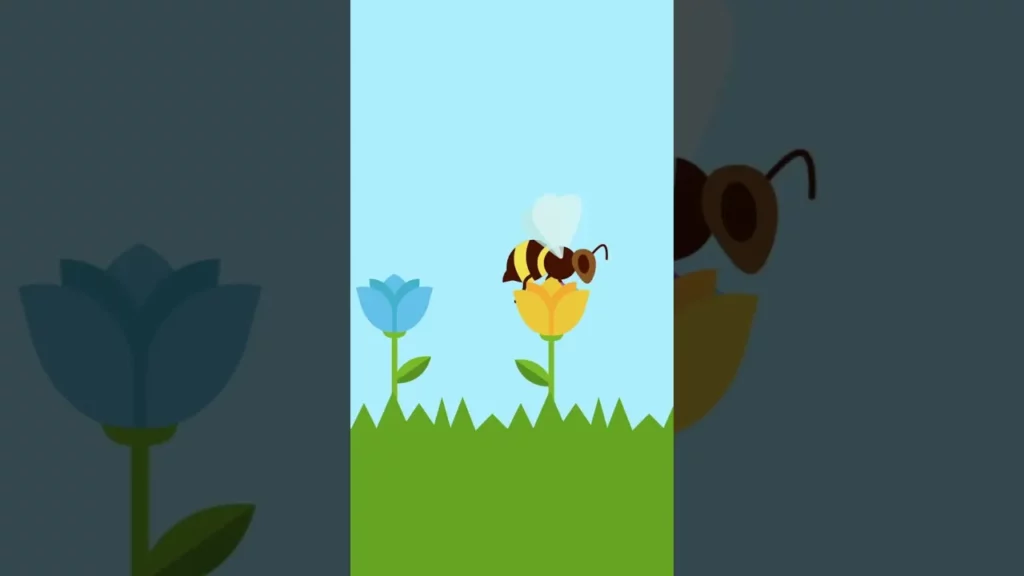
The lesson emphasizes the crucial role bees play in our ecosystem as pollinators, helping plants reproduce and ensuring a diverse food supply. It highlights the importance of protecting bees and offers simple ways to contribute, such as planting bee-friendly flowers, creating bee baths, and avoiding harmful pesticides. By taking these actions, everyone can become a “bee hero” and help sustain these vital creatures for a healthier planet.
Phonics for Kids ???? The Voiced TH Sound ???????? Phonics in English ????
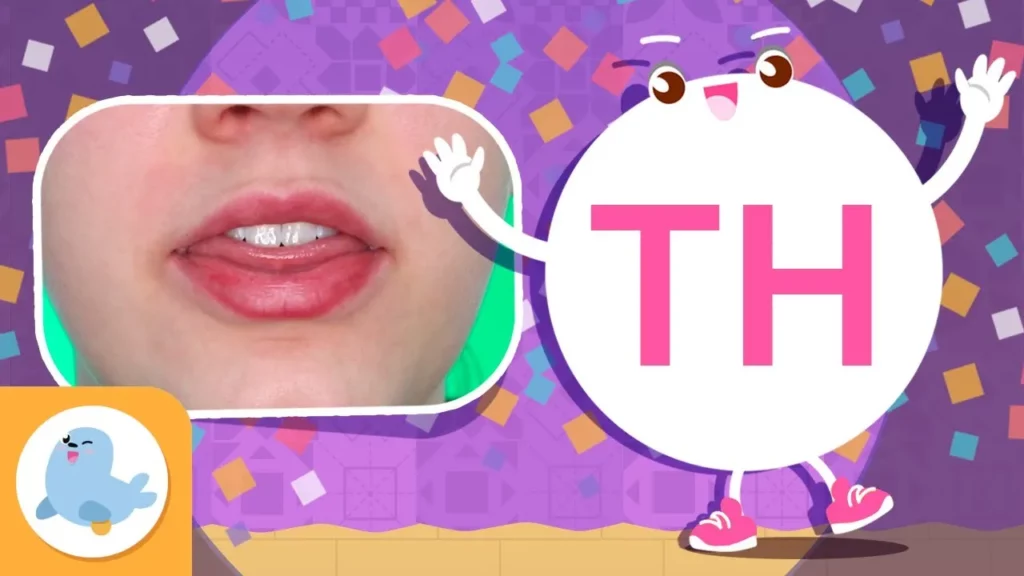
In this lesson, children are introduced to the voiced “TH” sound through the character V, using the word “mother” as an example. The lesson includes a fun singing activity that reinforces the sound while encouraging engagement and enjoyment in learning. Overall, it emphasizes the idea that learning is an exciting adventure, akin to discovering treasure.