
Elephants Are Very Important to the Ecosystem and We Must Protect Them! ????
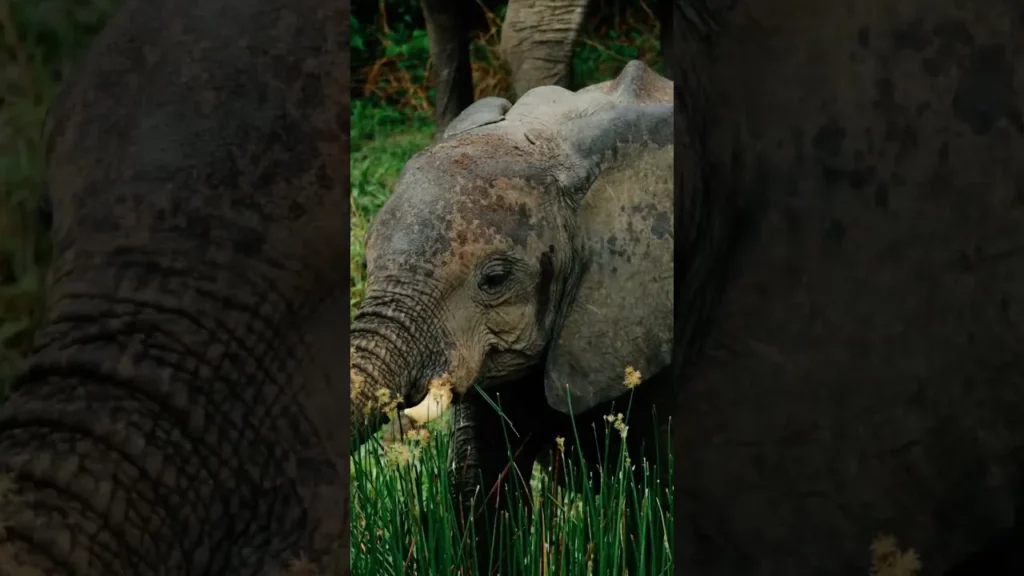
This lesson highlights the vital role elephants play in the ecosystem, particularly in promoting tree growth through their unique digestive process. It emphasizes the intelligence and strong family bonds of elephants, while encouraging individuals to take action in protecting these magnificent creatures and supporting conservation efforts. By safeguarding elephants, we contribute to the health of the entire environment.
Phonics for Kids ???? The OU Sound ☁️ Phonics in English ????
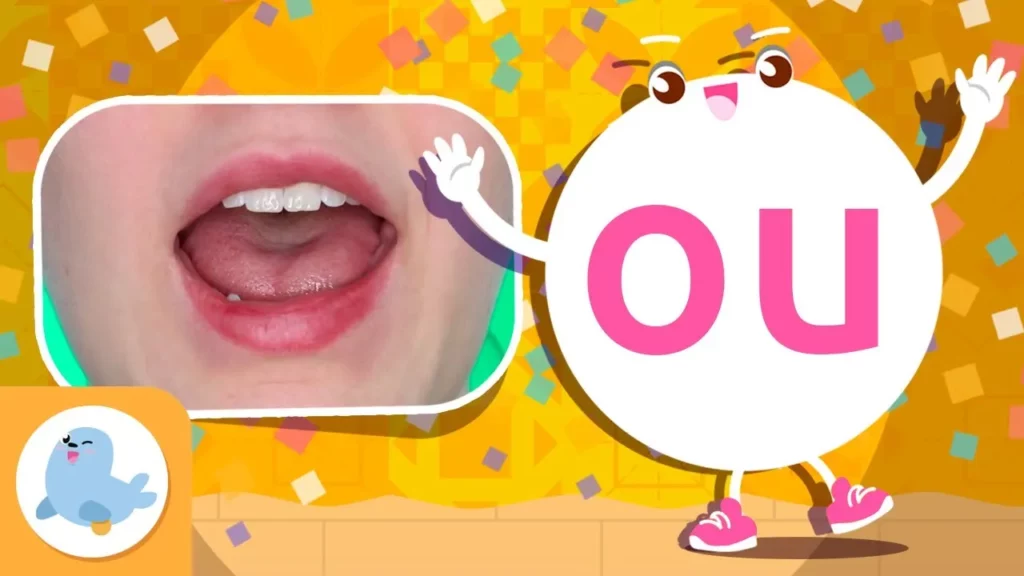
In this lesson, children are introduced to the “OU” sound through the character Owl, who helps them recognize the sound in words like “mouse.” The lesson includes interactive singing and encourages kids to explore more phonics concepts, emphasizing that learning is an exciting adventure akin to a treasure hunt. Overall, it fosters engagement and enjoyment in phonics learning.
ANIMALS of the AFRICAN SAVANNA ???????? LION, ZEBRA and GIRAFFE ???? Compilation
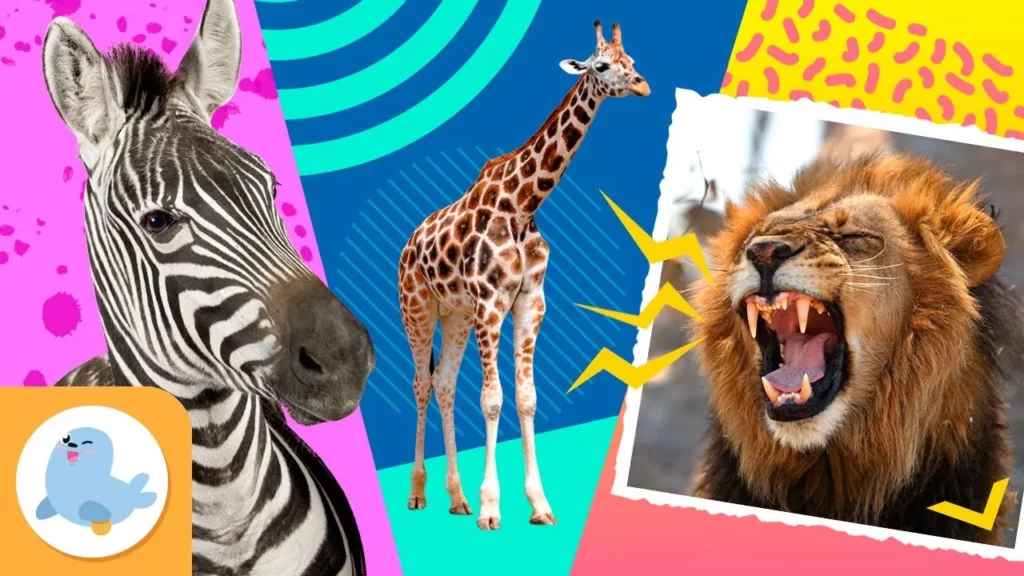
In this lesson, we explored the fascinating animals of the African savanna, focusing on the lion, zebra, and giraffe. We learned about their unique characteristics, social behaviors, and the challenges they face due to hunting and habitat loss, emphasizing the importance of conservation efforts to protect these magnificent creatures. Each animal plays a vital role in the ecosystem, and understanding their lives helps us appreciate the diversity of wildlife in the savanna.
Discover the World of FROGS ????
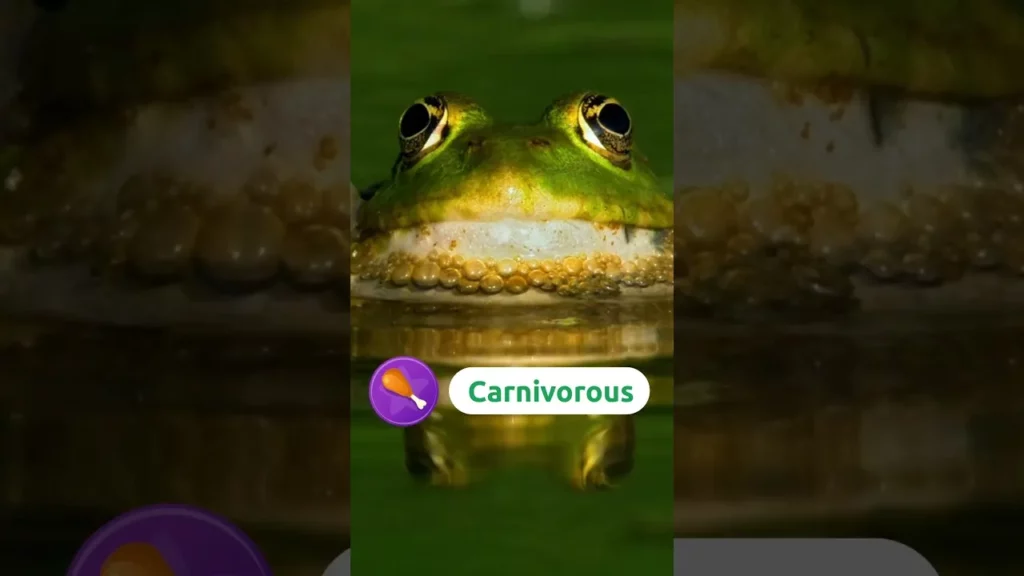
In this lesson, students explore the fascinating world of frogs, which are amphibians capable of living both in water and on land. They learn about frogs’ carnivorous diet, primarily consisting of insects, their preference for wet habitats, and the wide range of sizes they can be. The lesson also highlights fun facts about frogs, such as their impressive jumping abilities and sticky tongues, encouraging further exploration of these intriguing creatures in nature.
How to Identify SURPRISE? ???? RECOGNIZING EMOTIONS for Children ???? Episode 6
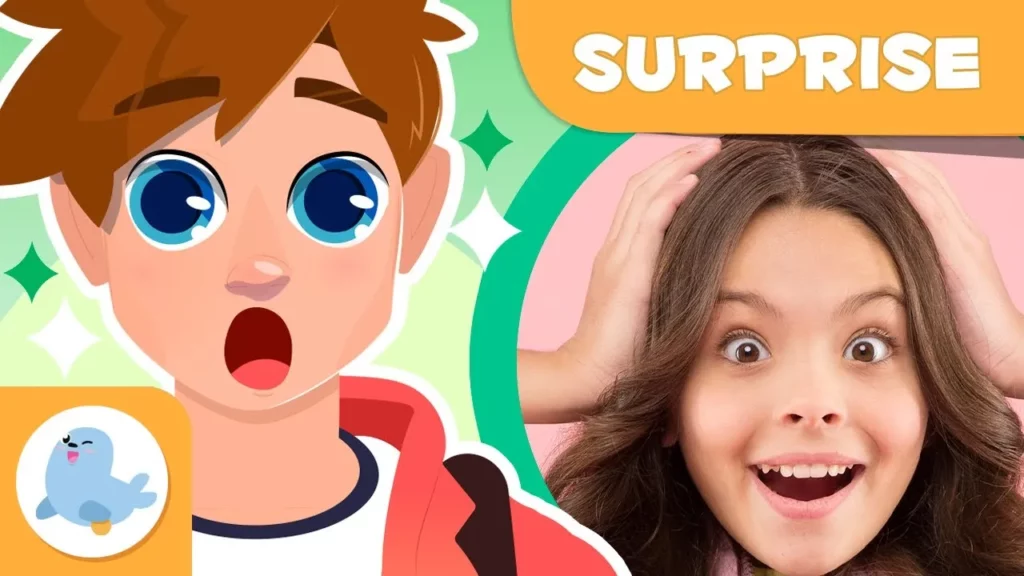
In this lesson from “Smile and Learn,” children explore the emotion of surprise, understanding its significance and how it affects their bodies. Through a personal story of a surprise birthday party, they learn that surprise can evoke feelings of excitement and confusion, and recognizing these emotions helps in better understanding themselves and others. The lesson emphasizes the importance of surprise in sparking curiosity and encourages children to express their feelings.
Want to Know Some Amazing Things About Frogs? ????
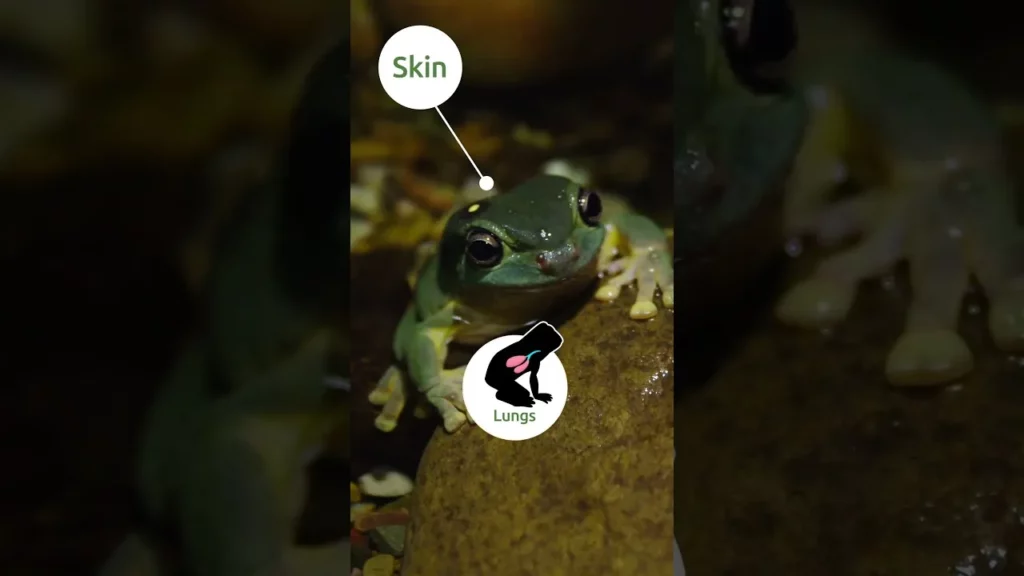
This lesson highlights the fascinating characteristics of frogs, including their unique breathing methods—using both lungs and skin—and their diverse sizes, ranging from tiny to large. It also emphasizes the ecological importance of frogs in controlling insect populations and serving as a food source for other animals, while addressing the threats they face from pollution and habitat loss. Ultimately, the lesson encourages awareness and conservation efforts to protect these remarkable creatures.
How Many Species of Frogs Do You Think There Are? ????
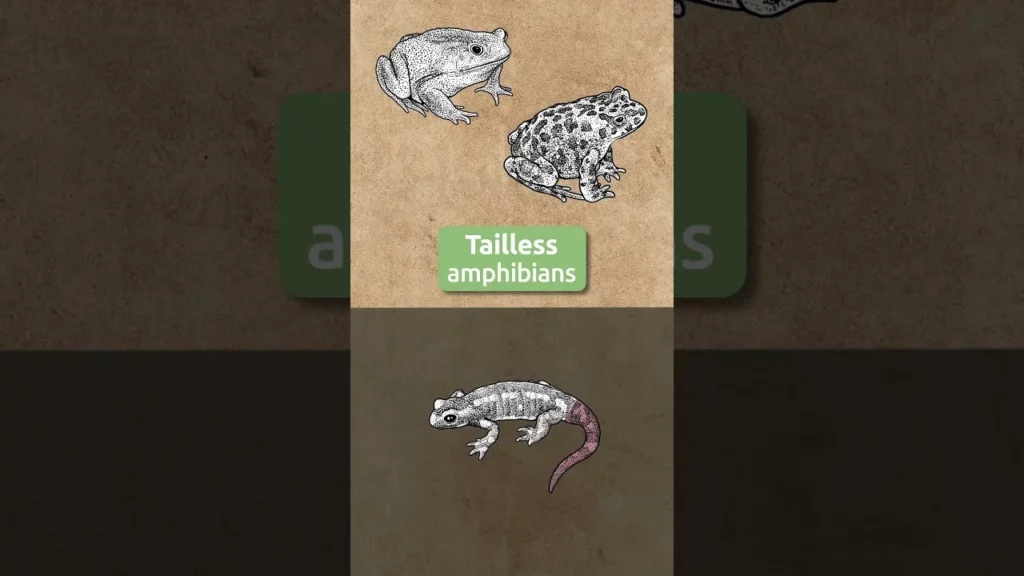
This lesson introduces frogs as unique amphibians that can live both in water and on land, highlighting their diverse characteristics and the fact that there are over 6,600 species worldwide. It emphasizes the ecological importance of frogs in controlling insect populations and serving as food for other animals, while also addressing the threats they face from pollution and habitat loss. The lesson encourages awareness and action to help protect these fascinating creatures and their environments.
Phonics for Kids ???? The OI Sound ???? Phonics in English ????
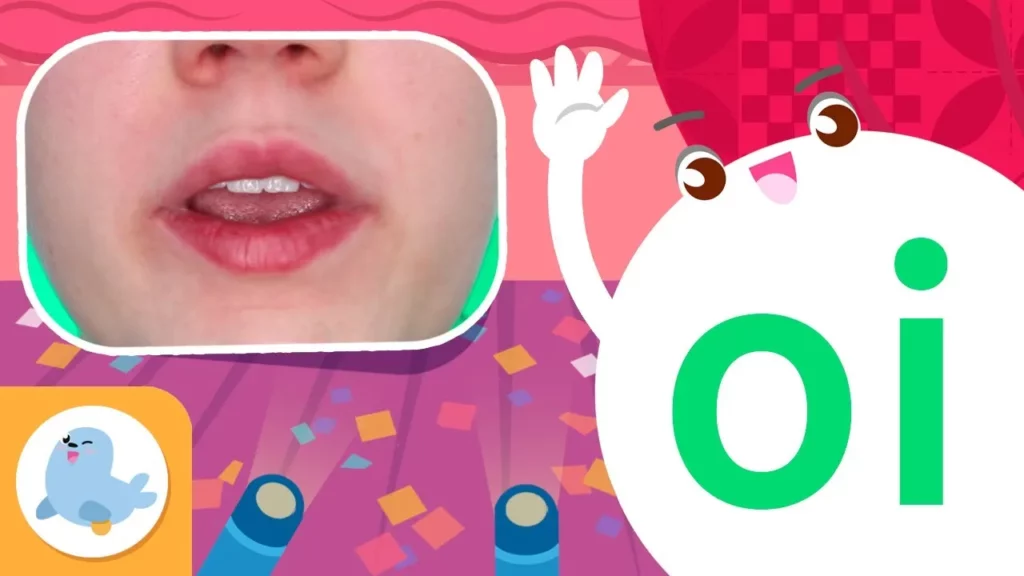
In this lesson, children are introduced to the OI sound through engaging activities, including saying the sound together and identifying it in words like “coin” and “toilet.” The lesson incorporates a fun song to reinforce the sound and encourages participation by calling out OI words. Additionally, it invites learners to explore more educational content on the Smile and Learn channel for further phonics learning.
PALEOLITHIC and NEOLITHIC ???? HISTORY for Children ???????? Compilation
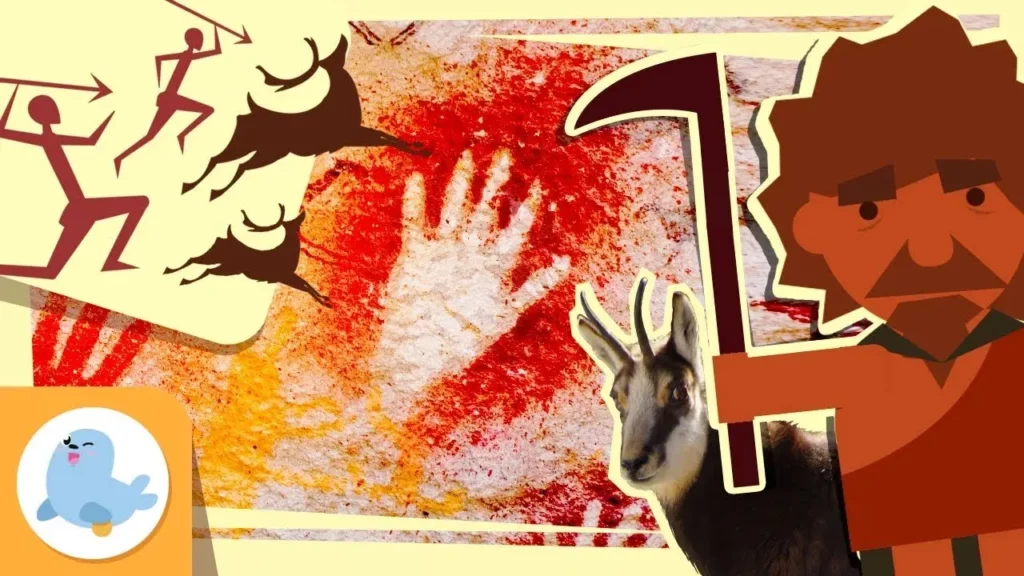
The lesson covers the Paleolithic and Neolithic eras, highlighting key developments in human history. The Paleolithic era, known as the “Old Stone” age, featured small groups of hunter-gatherers who utilized basic stone tools, discovered fire, and created early forms of art. In contrast, the Neolithic era, or “New Stone” age, marked a significant shift to agriculture and animal domestication, leading to settled communities, advanced tools, and the emergence of social structures, ultimately paving the way for the Age of Metals.
What Is the Difference Between Frogs and Toads? ????
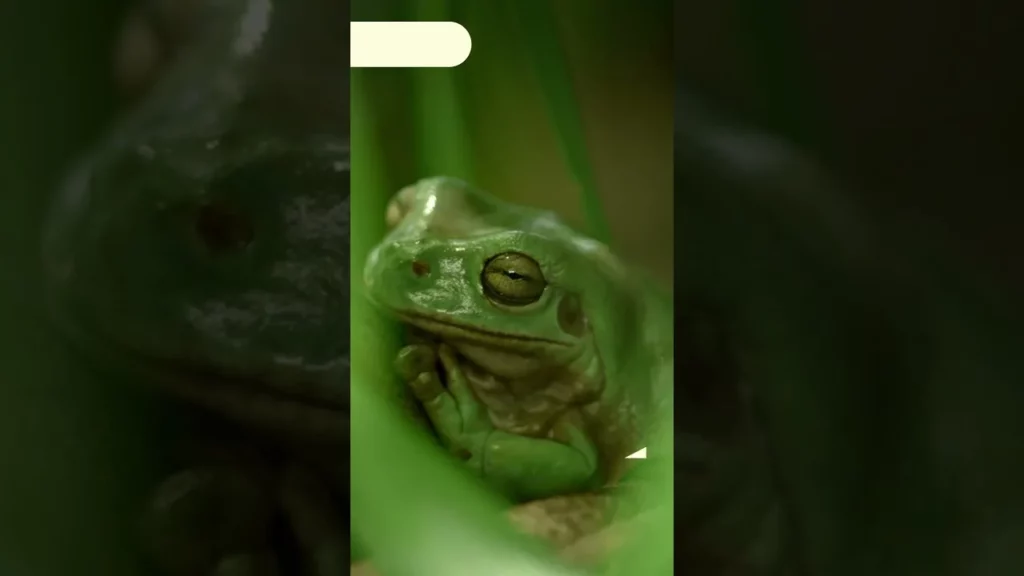
In this lesson, we explored the differences between frogs and toads, highlighting their unique characteristics. Frogs are known for their long legs and impressive jumping abilities, while toads have shorter legs and bumpy skin, making them better at walking and hopping. Both creatures thrive in various environments and play a vital role in controlling insect populations with their sticky tongues.