
CLASSICAL MUSIC ???? Genres of Music for Kids ????
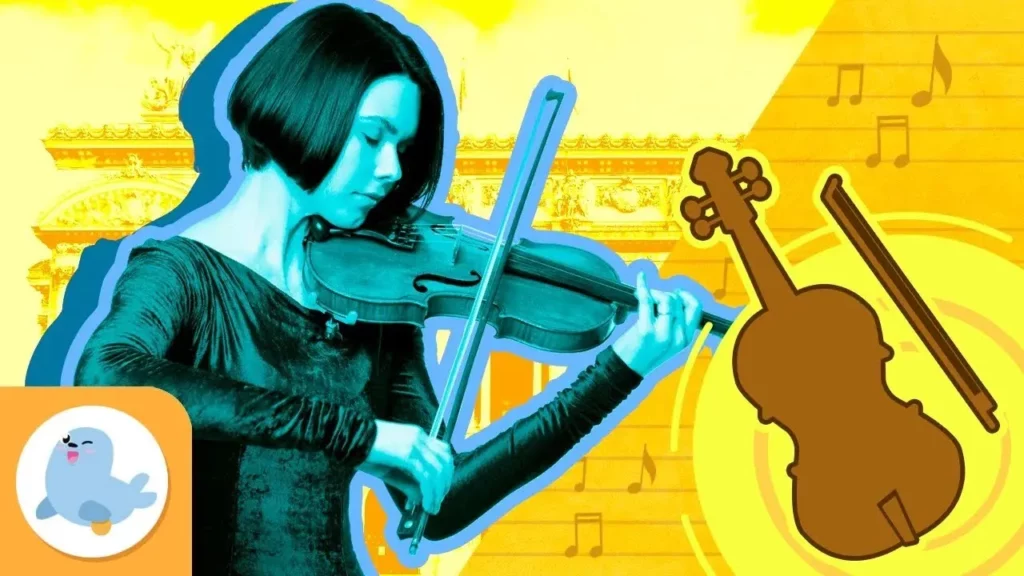
In this lesson, students are introduced to classical music, a genre that originated in Europe around the 16th century, providing entertainment before the advent of modern technology. They learn about various instruments used in classical music, including wind, string, and percussion instruments, and explore the emotional impact of this music, which can evoke feelings of relaxation, happiness, and surprise. The lesson encourages continued exploration and learning about classical music through additional resources.
What Are Tadpoles? ????
This lesson explores the life cycle of frogs, beginning with the external fertilization of eggs in water, leading to the hatching of tadpoles. Tadpoles, which initially resemble fish with tails and gills, undergo metamorphosis to develop legs and lose their tails, eventually transforming into adult frogs capable of living on land. The lesson highlights the fascinating process of growth and change in these amphibians, along with interesting facts about their relatives and abilities.
You Know What Frogs Are Best At? ????
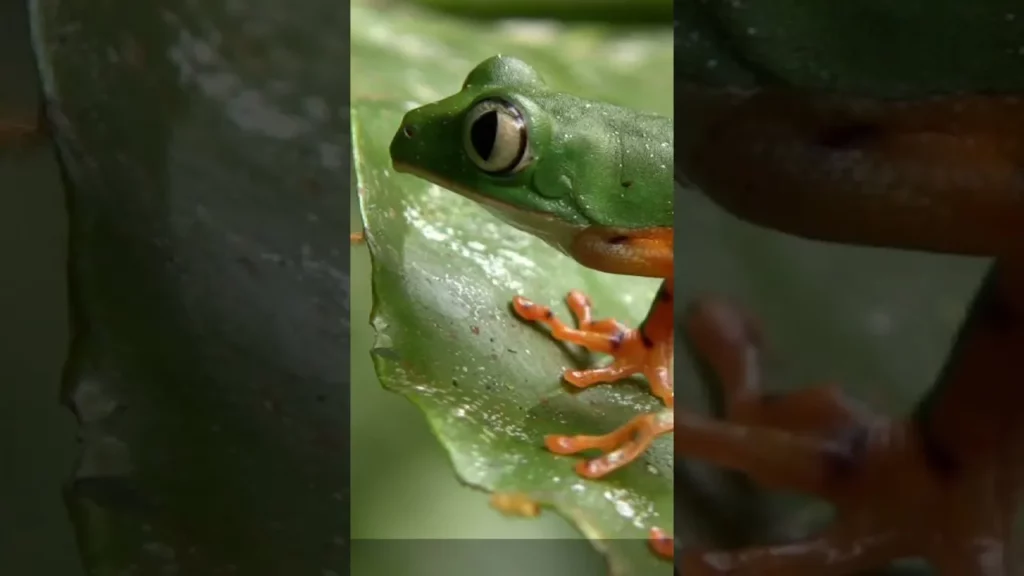
This lesson highlights the incredible abilities of frogs, particularly their remarkable jumping skills, which allow them to leap up to 30 times their body length for hunting and evasion. It also discusses the significance of their vibrant colors, which can indicate whether a frog is harmless or poisonous, serving as a warning to potential predators. Additionally, fun facts about frogs emphasize their unique adaptations, such as their sticky tongues and ability to absorb water through their skin.
Phonics for Kids ???? The AR Sound ???? Phonics in English ????
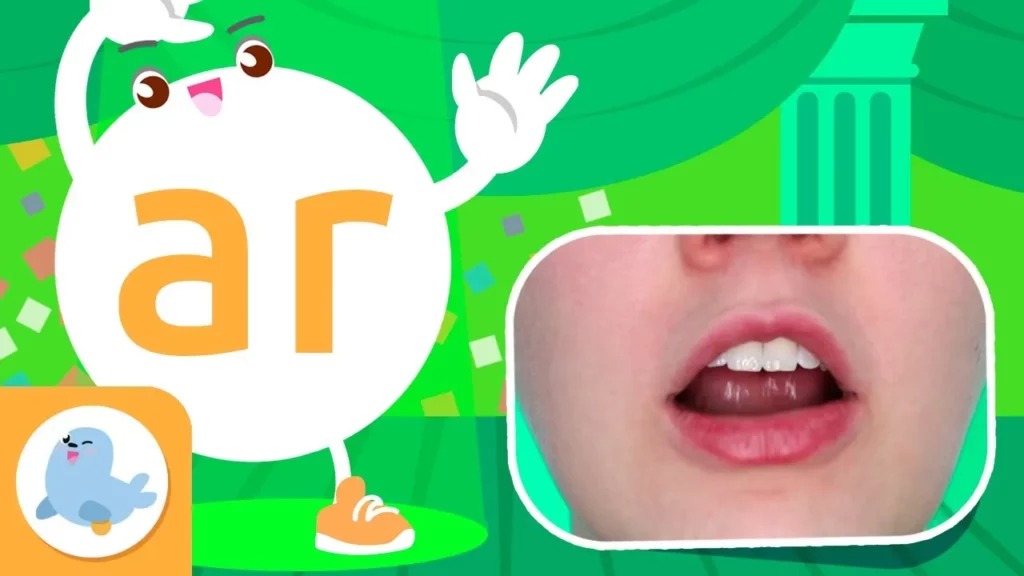
In today’s phonics lesson, children were introduced to the letter R and its sound, exemplified by the word “arm.” They engaged in interactive activities, including singing a fun song that incorporated the R sound, reinforcing their learning in an enjoyable way. The lesson concluded with encouragement to continue practicing and exploring more phonics concepts.
WHERE IS MY DINOSAUR? ???????? Educational SONG for Kids to Learn Prepositions ????????
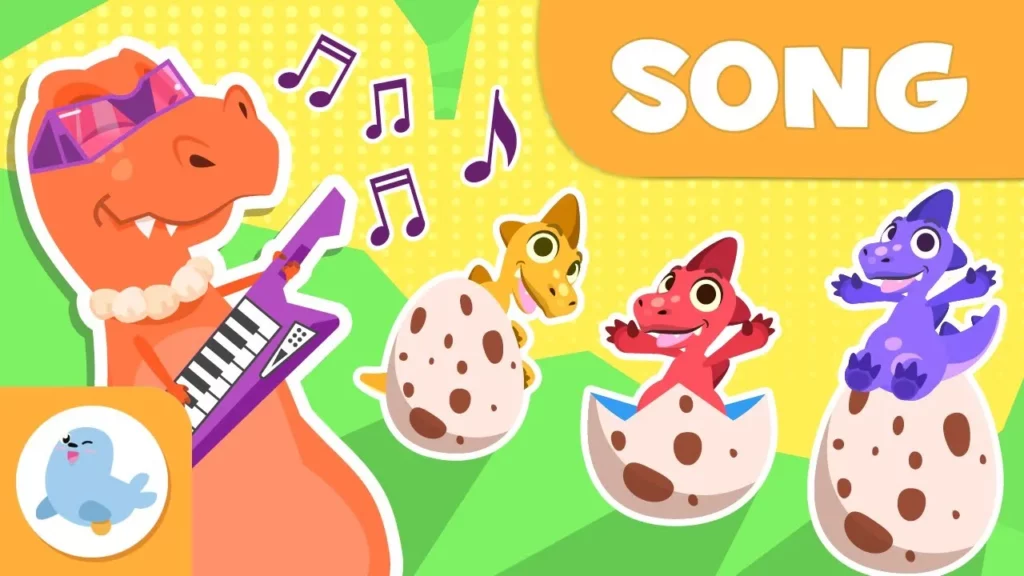
In today’s lesson, “Where Is My Dinosaur?”, students embark on an exciting adventure to find a dinosaur while learning new positional words such as “in,” “on,” “under,” “in front of,” “behind,” “next to,” and “between.” As they search for the dinosaur in various hiding spots, they engage in fun interactions, including asking the dinosaur to roar. The lesson encourages continued learning and exploration through additional videos on the Smile and Learn channel.
Protecting Frogs is Everyone’s Job ????????
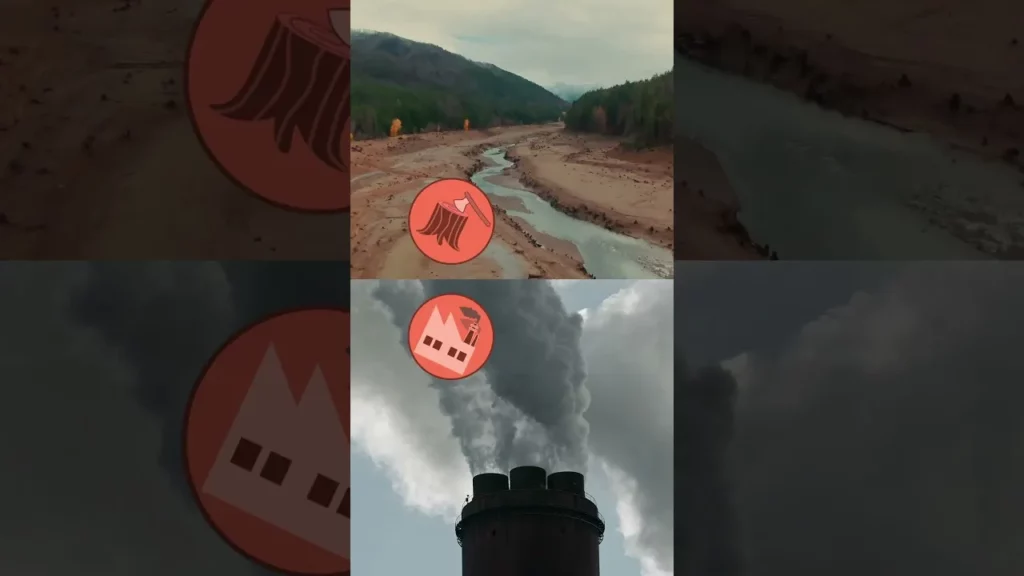
The lesson emphasizes the urgent need to protect frogs, as half of all frog species are at risk of extinction due to habitat loss and climate change. It encourages everyone to take action by caring for the environment, planting trees and flowers, and spreading awareness about the importance of frogs. By making small changes in our daily lives, we can collectively contribute to the conservation of these vital amphibians.
STORIES for Kids ???? Characteristics and Elements ???? Language Arts for Children
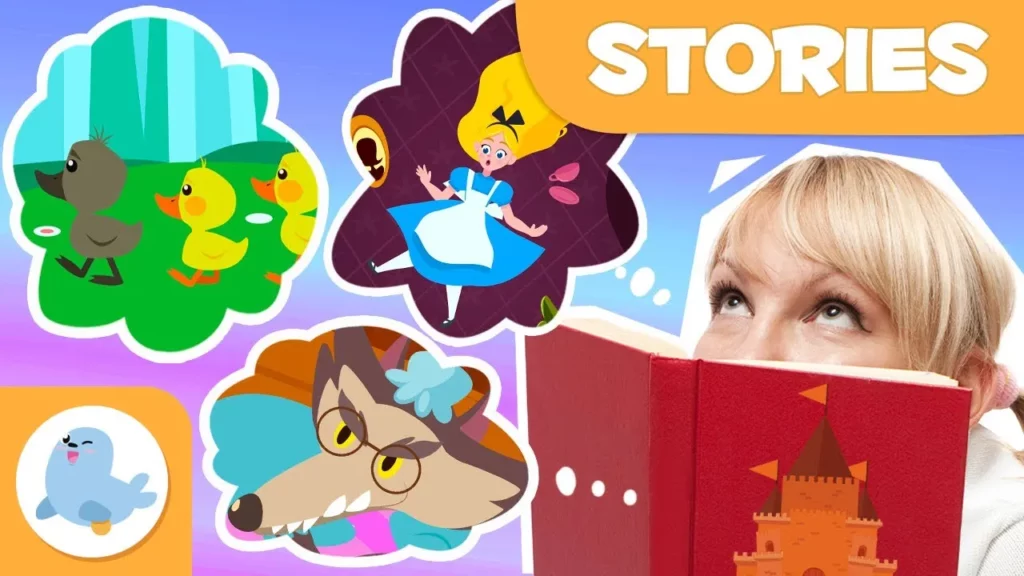
In this lesson, children are introduced to the magical world of stories, learning about their key characteristics and elements, including characters, setting, plot, and theme. The lesson emphasizes the structure of a story, which consists of a beginning, middle, and end, and encourages kids to explore new adventures through reading. By understanding these elements, children can appreciate the fun and lessons that stories offer.
Discover the World of the GIRAFFES ????
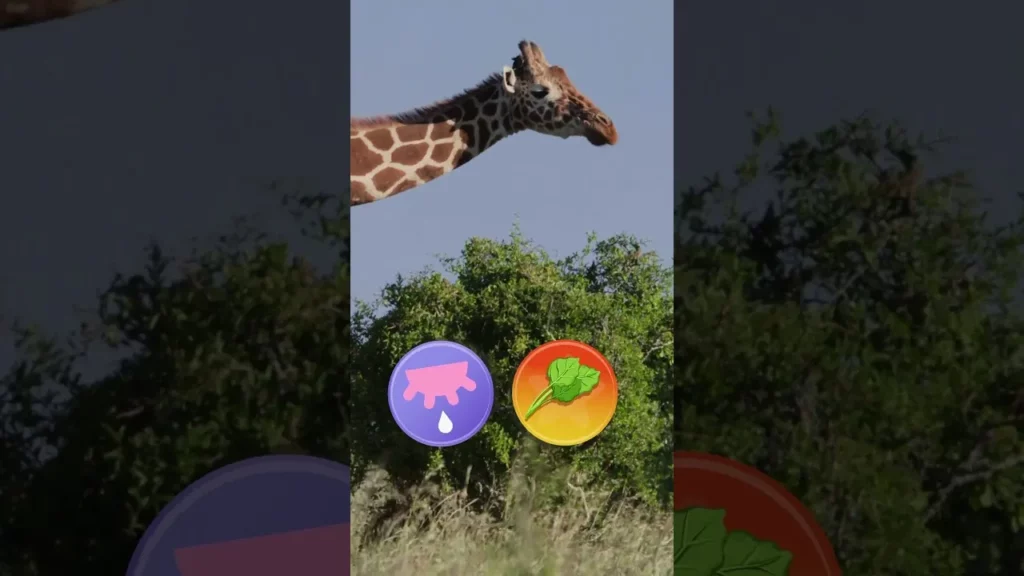
In this lesson, students explore the fascinating world of giraffes, the tallest land animals known for their long necks and unique patterns. They learn about giraffes’ diet as herbivores, their impressive size, and their ecological importance in maintaining healthy tree populations. The lesson emphasizes the need for conservation efforts to protect these gentle giants and their habitats.
Do You Want to Know Some Incredible Things About Giraffes? ????
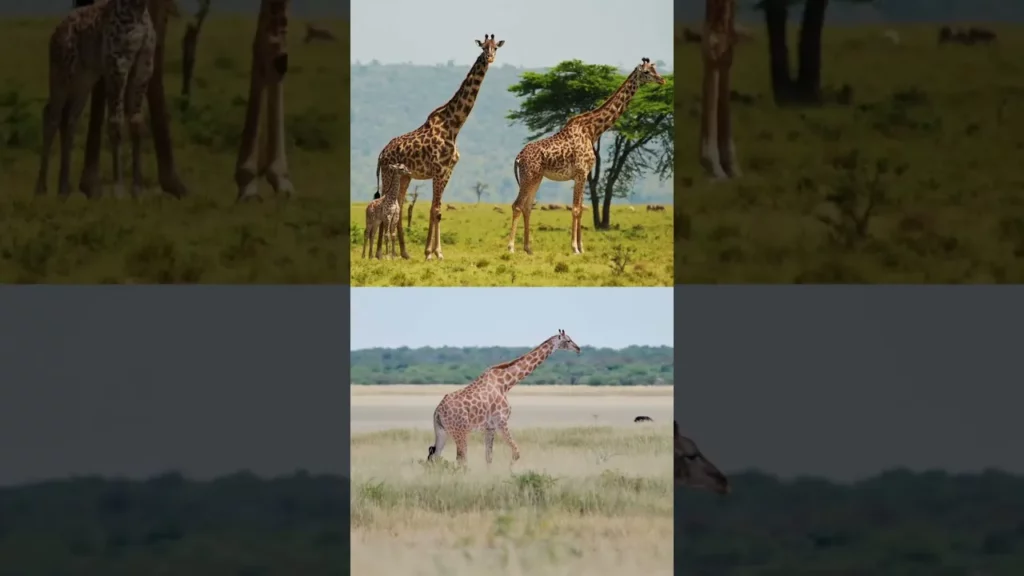
This lesson explores the incredible characteristics and habitats of giraffes, highlighting their social nature and unique physical traits. Giraffes inhabit the savannahs and grasslands of Africa, live in dynamic herds, and are known for their impressive height and distinctive spot patterns. The lesson encourages further exploration of these fascinating animals through various resources.
Did You Know That We Can Tell the Age of a Giraffe Just by Looking at It? ????
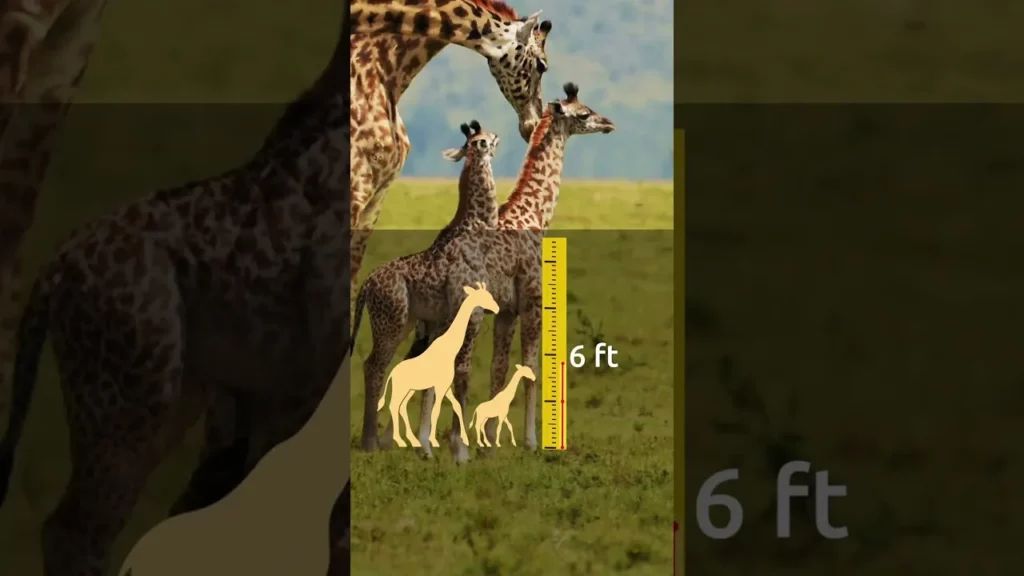
This lesson highlights fascinating facts about giraffes, including their impressive height at birth, as they can stand about 6 feet tall. It also explains how to determine a giraffe’s age by examining the color of its spots—darker spots indicate an older giraffe, while lighter spots suggest a younger one. Overall, it emphasizes the unique characteristics and intelligence of these remarkable animals.