
Did You Know That Sharks Don’t Have Bones? ????
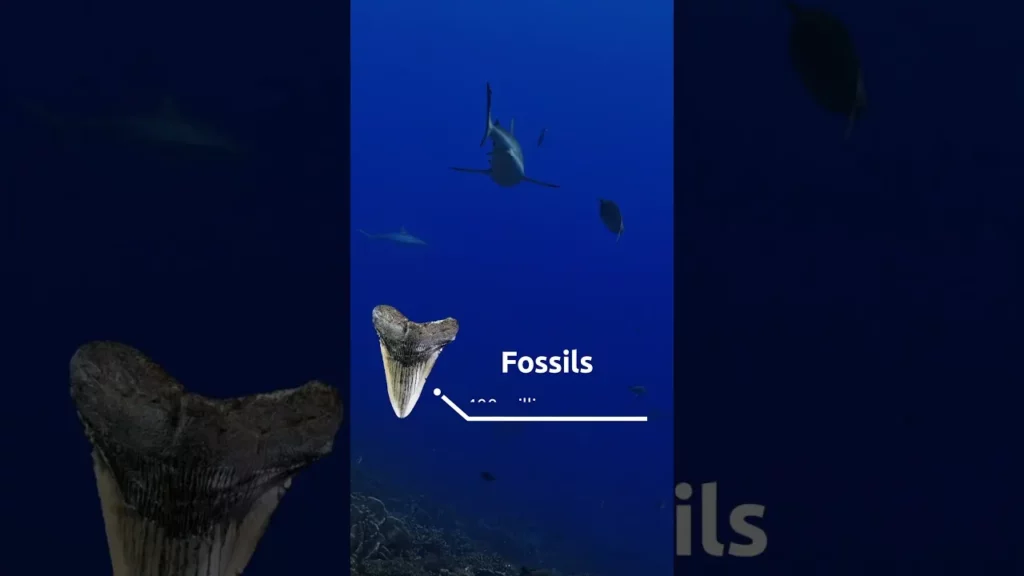
This lesson highlights the unique anatomy of sharks, emphasizing that they have skeletons made of cartilage instead of bones, which aids in their agility and speed in the water. It also discusses the long history of sharks, with fossils dating back over 400 million years, and their migratory behavior in search of optimal living conditions. Overall, the lesson showcases the remarkable adaptations that make sharks effective hunters in the ocean.
How Many Species of Sharks Do You Think There Are? ????

In this lesson, students explore the diverse world of sharks, discovering that there are over 450 species, each with unique characteristics. They learn about fascinating examples like the gentle whale shark, the fierce great white shark, and the uniquely shaped hammerhead shark, while also understanding the crucial role sharks play in maintaining the health of ocean ecosystems. The lesson emphasizes the importance of protecting these incredible creatures and their habitats.
Do You Know How Many Teeth a Shark Has? ????

This lesson explores the fascinating world of sharks, highlighting their impressive dental structure, which can include up to 15 rows of teeth and around 3,000 teeth for species like the great white shark. It also emphasizes the unique ability of sharks to continuously grow new teeth without roots, eliminating the need for dental visits. Additionally, the lesson touches on their social behaviors and intriguing facts about their long history and hunting skills, showcasing the remarkable nature of these ocean predators.
Phonics for Kids ???? The AIR Sound ???? Phonics in English ????

In this lesson, children are introduced to the phonics sound “AIR” through engaging activities and interactive singing. They learn to identify the sound in the word “hair” and are encouraged to explore more educational content for continued learning and fun. The lesson emphasizes participation and enjoyment while discovering phonics.
JAZZ for Kids ???????? Genres of Music for Kids ????

In this lesson, kids are introduced to jazz music, a unique genre that originated in the southern United States in the early 1900s. The lesson highlights the distinct sound of jazz, particularly its improvisational aspect, where musicians create music spontaneously during performances. Students are encouraged to explore more about jazz and other music genres through additional resources from the Smile and Learn educational channel.
The True Size of the American Land Army in WW2

The lesson outlines the evolution of the American land army during World War II, beginning with the U.S. entry into the war following the Pearl Harbor attack. It highlights the rapid mobilization of troops, the implementation of the Lend-Lease Agreement, and the expansion and reorganization of the military to meet modern warfare demands. Key events such as D-Day and victories in the Pacific underscore the significant impact of U.S. ground forces in securing Allied victory.
How did the Dutch create a colonial empire?
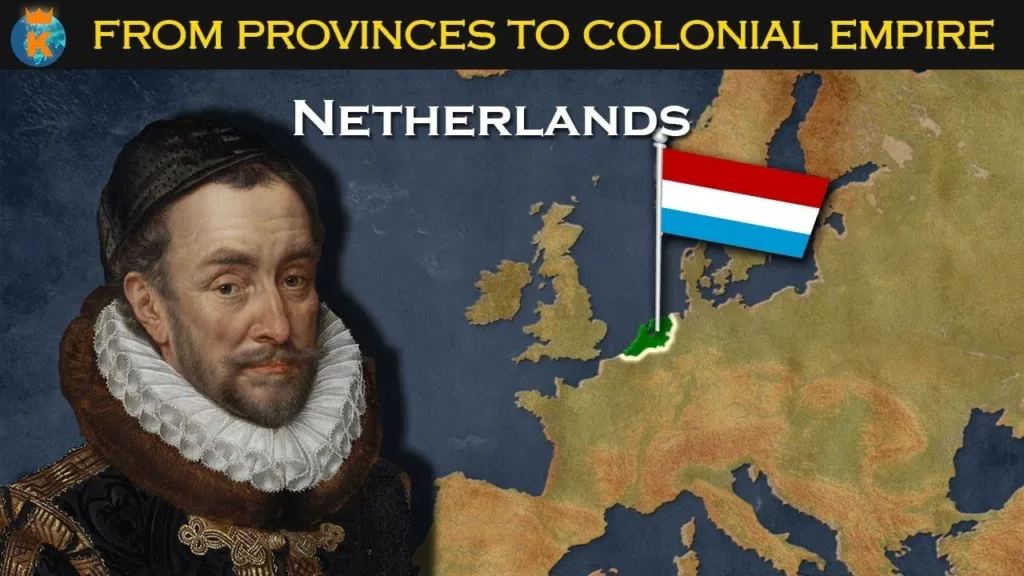
The lesson outlines the formation of the Dutch colonial empire, primarily driven by the Dutch West India Company and the Dutch East India Company, which established a network of trading posts rather than fully governed colonies. It details the Dutch Republic’s origins, the impact of the Eighty Years’ War, and the strategic expansion of Dutch influence through trade in regions like Asia, Brazil, and North America, culminating in their dominance in Indonesia during the 18th and 19th centuries. The lesson concludes by emphasizing the significance of trade and military power in the rise of the Dutch empire, setting the stage for future discussions on its challenges and decline.
Why did Ancient Egypt Collapse?
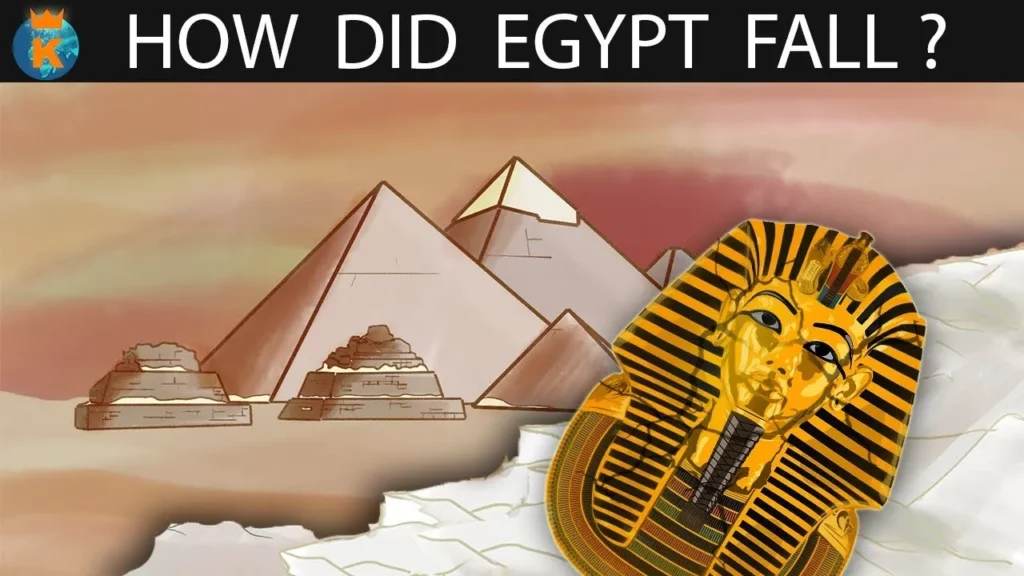
The lesson explores the rise and fall of Ancient Egypt, highlighting its remarkable achievements, such as monumental architecture and advancements in various fields, facilitated by the Nile River’s agricultural benefits and strong leadership under pharaohs. However, the civilization faced significant challenges, including military setbacks, economic struggles, and environmental issues, which ultimately led to its decline and conquest by foreign powers. Despite its collapse, Ancient Egypt’s legacy endures, influencing culture and history long after its fall.
What Actually Happened During Amelia Earhart’s Journey?
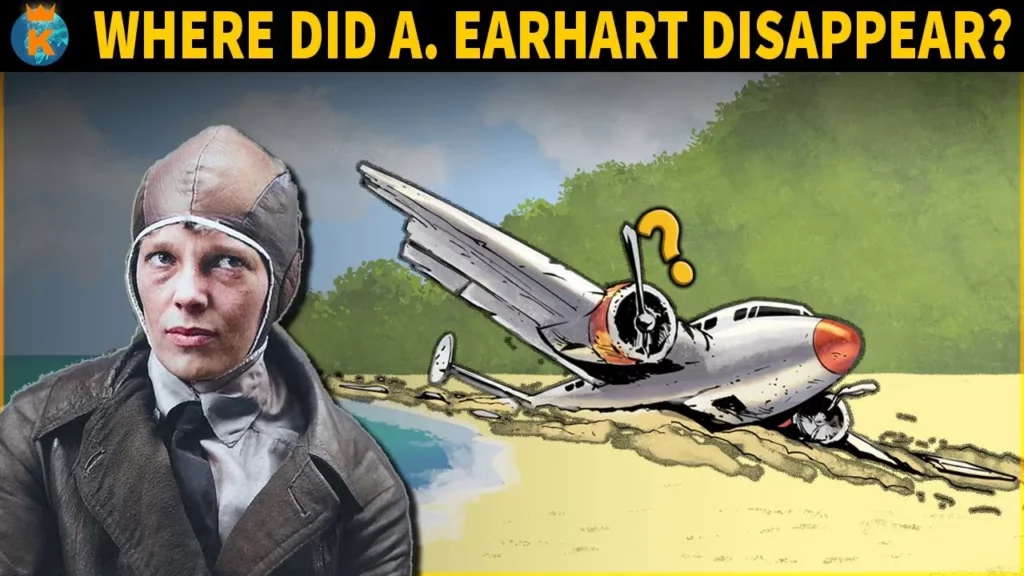
The lesson explores the life and mysterious disappearance of Amelia Earhart, a pioneering aviator known as the “Babe of the Sky.” It details her groundbreaking achievements, including being the first woman to fly across the Atlantic, and recounts her ill-fated second attempt to circumnavigate the globe in 1937, which ended with her vanishing over the Pacific Ocean. Despite extensive search efforts and numerous theories about her fate, the exact circumstances of her disappearance remain unresolved, solidifying her legacy as one of aviation’s greatest enigmas.
Why couldn’t Carthage defeat Rome? – The History of The Punic Wars – All Parts (264 BC -146 BC)
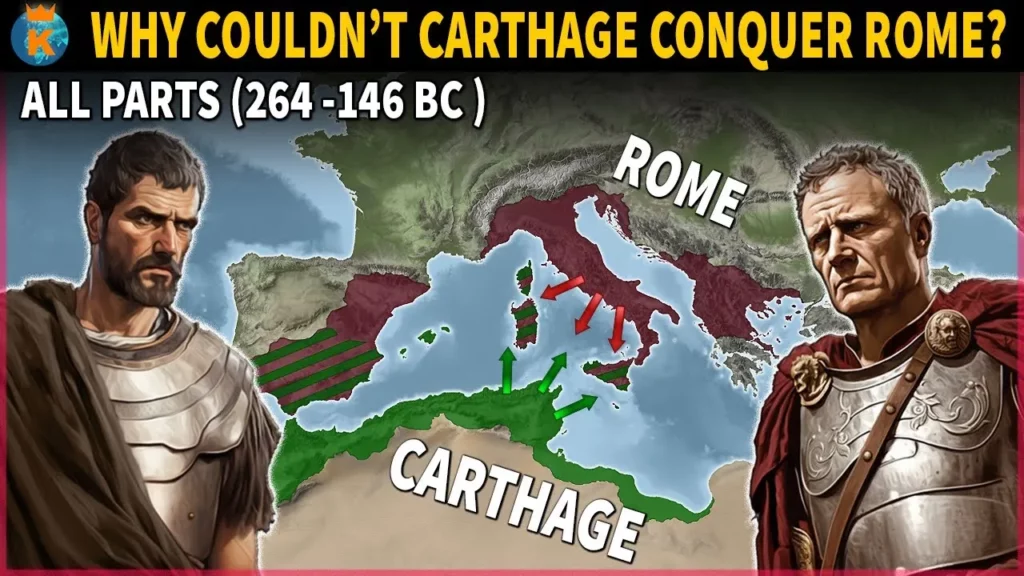
The lesson explores the reasons behind Carthage’s inability to defeat Rome during the Punic Wars, highlighting the initial alliance and subsequent conflicts over Sicily that ignited the wars. It details the strategic innovations employed by Rome, particularly in naval warfare, and the military genius of Hannibal, whose early successes were ultimately undermined by Rome’s resilience and strategic counterattacks. The outcome of the wars not only solidified Rome’s dominance in the Mediterranean but also marked the decline of Carthage as a major power.