
THE HISTORY OF TURKEY in 10 minutes
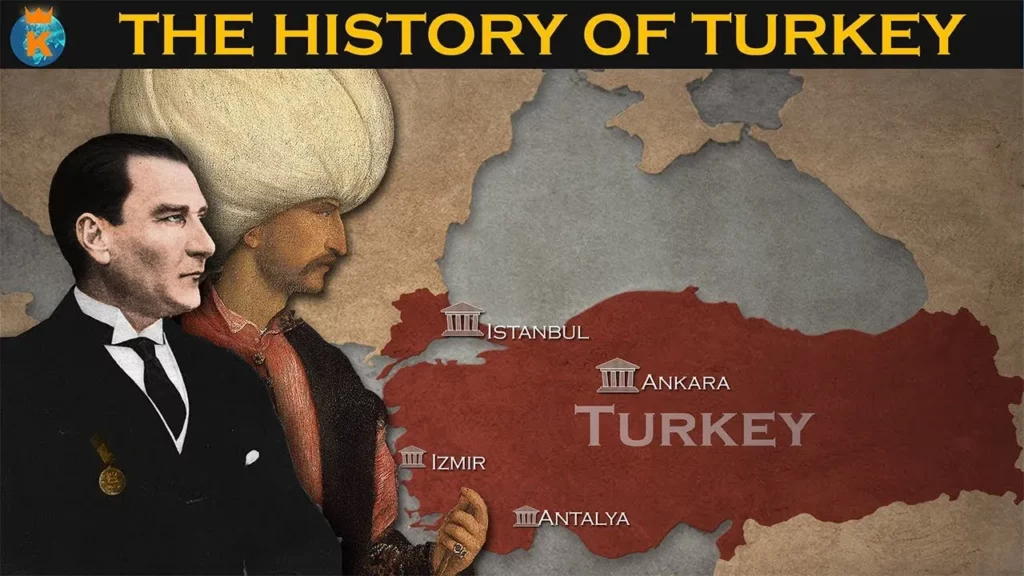
The history of Turkey is a rich tapestry that begins with the establishment of the Republic on October 29, 1923, but is deeply rooted in the diverse civilizations that have inhabited Anatolia for millennia. From the ancient Hittites and the rise of the Persian and Roman Empires to the emergence of the Ottoman Empire and the eventual birth of modern Turkey, the region has been a significant crossroads of cultures and power dynamics. Key events, such as the fall of Constantinople and the Turkish War of Independence, shaped the nation’s identity and led to significant reforms under Mustafa Kemal, laying the foundation for contemporary Turkey.
What Happened with the Christians of North Africa and Levant?
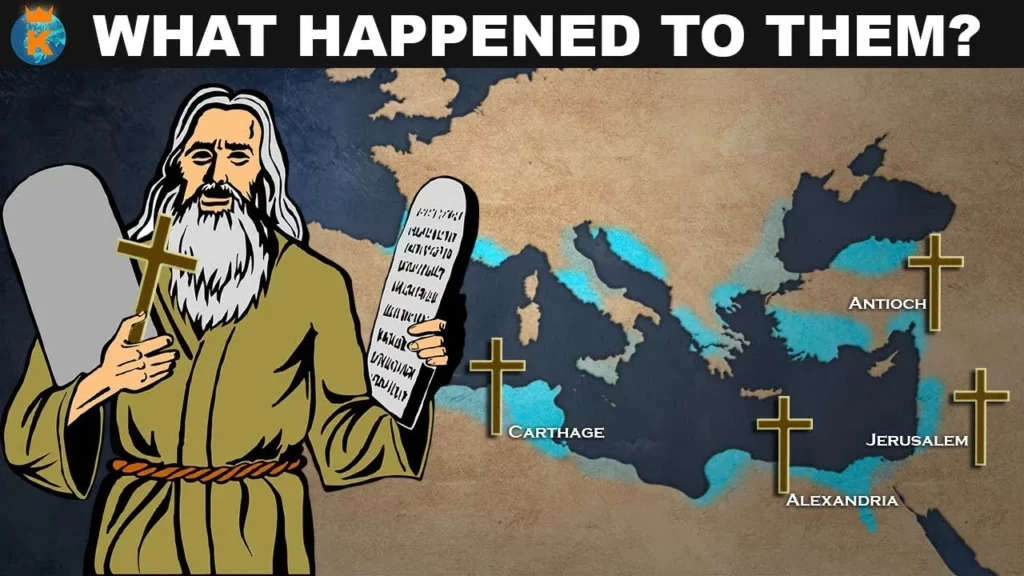
The lesson explores the historical trajectory of Christianity and Islam in North Africa and the Levant, highlighting the rise of Christianity from its origins in Judea to its spread in urban centers like Alexandria, despite facing persecution and eventual decline. The emergence of Islam in the 7th century, fueled by military conquests and weakened rival empires, led to a significant shift in religious demographics, with Islam becoming the dominant faith in the region. The lesson concludes by acknowledging the enduring presence of Christian communities in some areas and the lasting influence of both religions on the cultural landscape of North Africa and the Levant.
How did Tang Dynasty of China dominate East and Central Asia?
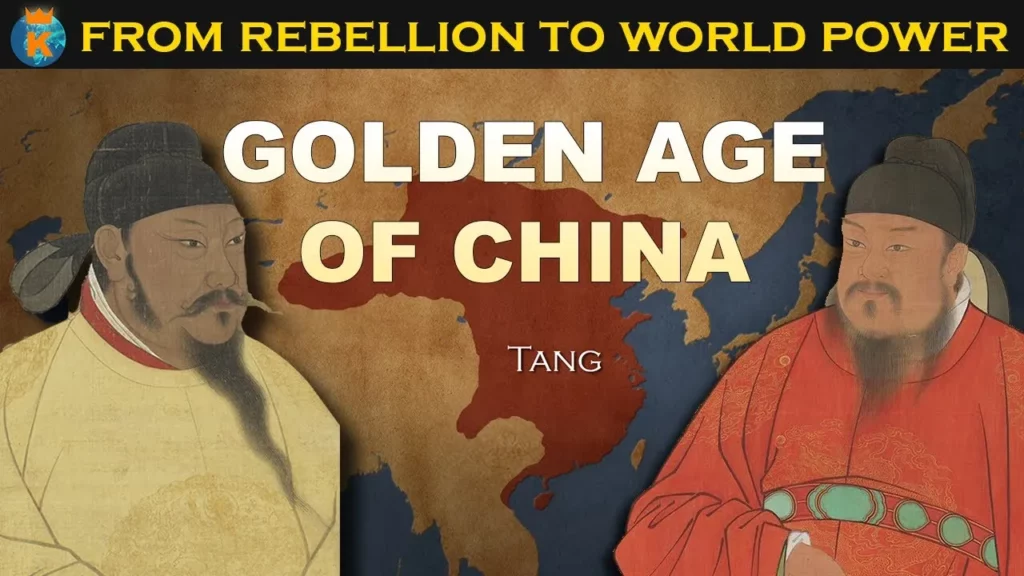
The Tang Dynasty, which ruled China from 618 to 907, emerged from the chaos of the Sui Dynasty’s collapse and became a period of significant cultural, political, and economic growth. Under the leadership of Emperor Taizong, the dynasty expanded its territory, fostered trade through the Silk Road, and encouraged cultural exchange, leading to advancements in various fields. Despite its eventual decline following military defeats and internal strife, the Tang Dynasty left a lasting legacy as a golden age of Chinese history, marked by artistic and literary achievements.
The Rise of the Gupta Empire – Explained in 10 minutes
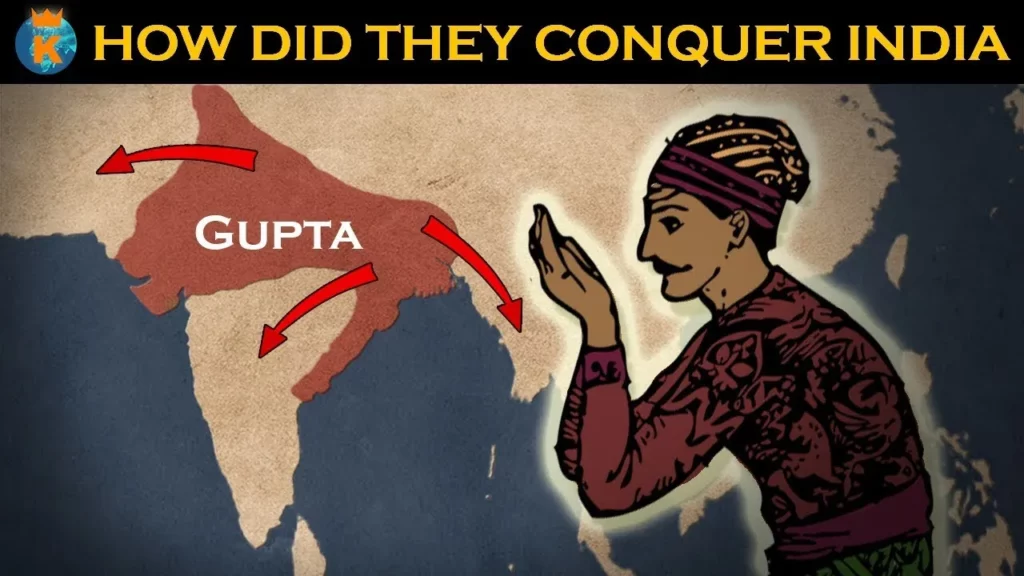
The lesson outlines the rise and fall of the Gupta Empire, which emerged in the fourth century CE after a prolonged period of disunity in India following the Mauryan Empire’s decline. Founded by King Shri Gupta, the empire expanded significantly under rulers like Chandragupta I and Samudragupta, becoming a “golden age” marked by economic prosperity, cultural achievements, and advancements in various fields. However, internal challenges and external threats, particularly from the White Huns, ultimately led to the empire’s decline and fragmentation by the seventh century.
THE HISTORY OF PAKISTAN in 10 minutes
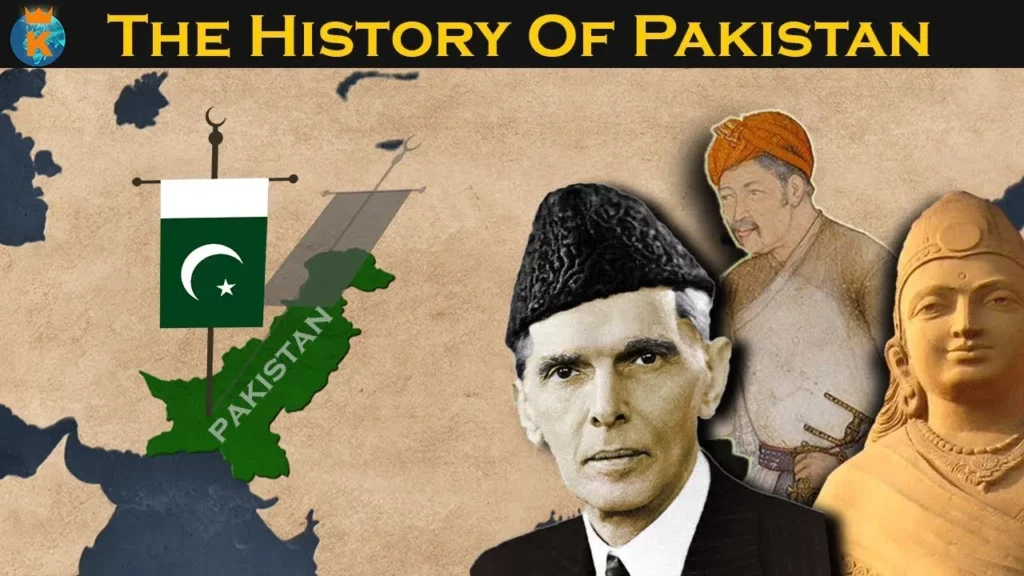
The lesson provides a concise overview of Pakistan’s rich and complex history, highlighting key events from early human settlements and the rise of the Indus Valley Civilization to the Islamic influence and the establishment of modern Pakistan. It outlines the impact of various empires, colonial rule, and the challenges faced post-independence, including conflicts and political instability. This historical journey emphasizes the region’s cultural diversity and the significant transformations that have shaped its identity over millennia.
The Second Balkan War – Explained in 10 minutes
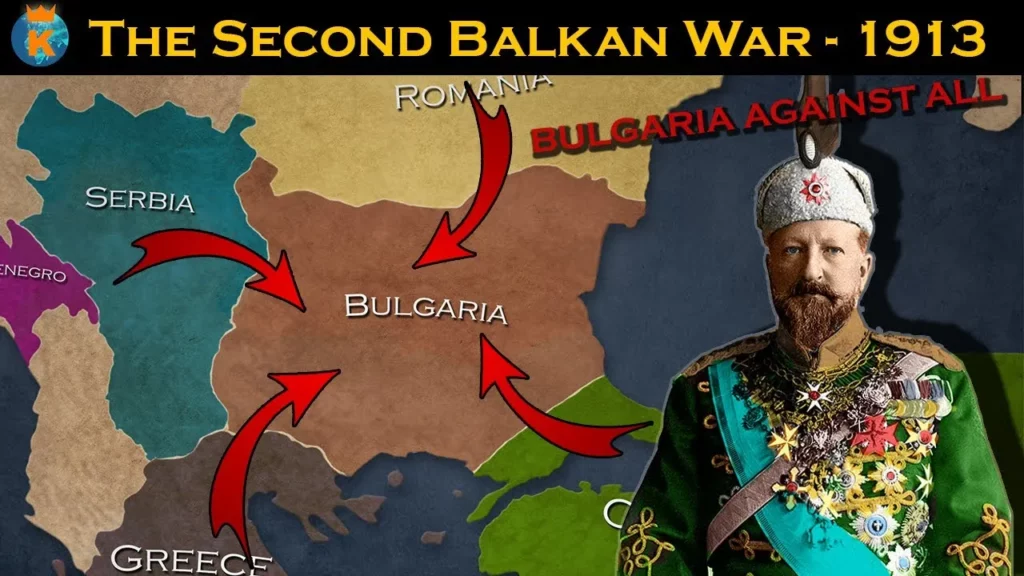
The Second Balkan War erupted due to unresolved territorial disputes following the First Balkan War, particularly over Macedonia, leading to tensions among the former allies of the Balkan League. Bulgaria, dissatisfied with its territorial gains and feeling pressured by Serbia and Greece, launched a surprise attack on Serbian and Greek positions, which ultimately resulted in a disastrous military campaign for Bulgaria. The conflict concluded with the Treaty of Bucharest on August 10, 1913, which further divided Macedonia among the victors, leaving Bulgaria with minor territorial gains but significant dissatisfaction, setting the stage for its later alignment with the Central Powers in World War I.
Why did the Dutch Empire Collapse ?
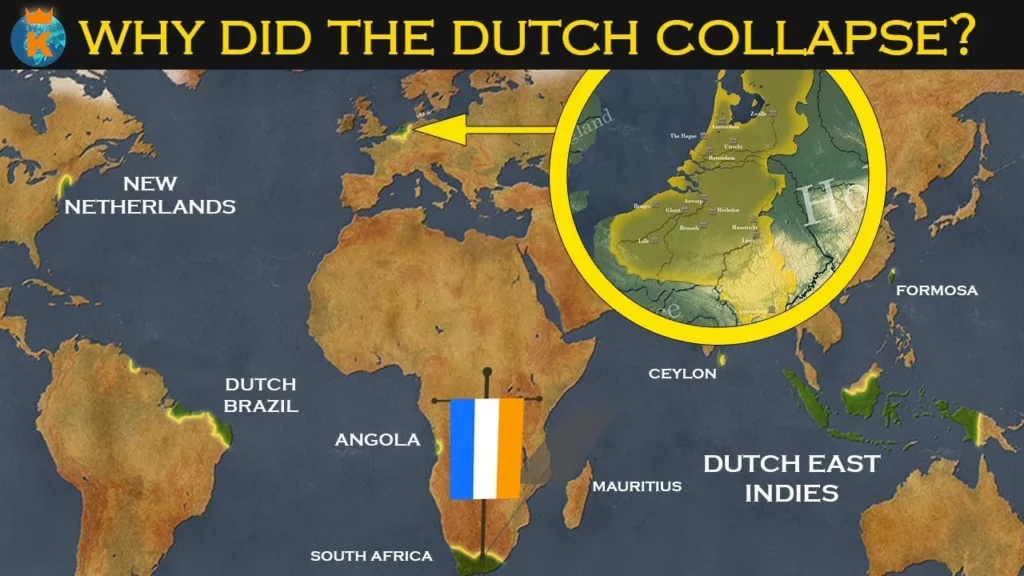
The lesson explores the rise and fall of the Dutch Empire, beginning with its formation during the Protestant Dutch Revolt and its subsequent expansion into global trade and colonization. Despite initial successes, the empire faced numerous challenges, including conflicts with rival nations, loss of territories, and the impact of global decolonization movements, culminating in the recognition of Indonesian independence in 1949. Ultimately, the decline of the Dutch Empire was driven by competition with stronger powers and shifting geopolitical dynamics.
How Powerful was The Pope in Medieval Times?
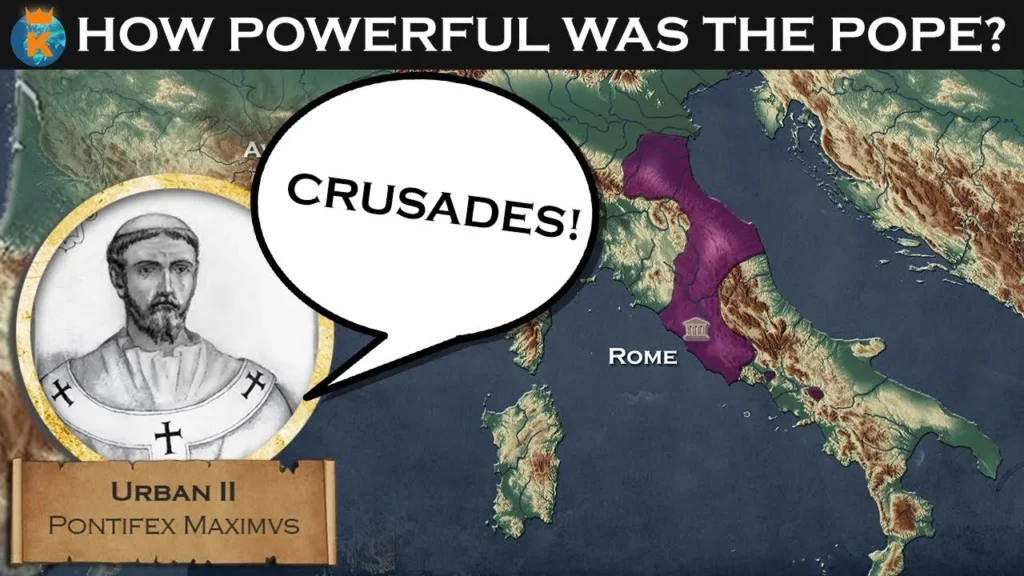
The lesson explores the significant role of the Pope in medieval times, highlighting his dual authority as a spiritual leader and a political figure. The Pope’s power, rooted in the succession from Saint Peter, allowed him to influence major events such as the Crusades and engage in conflicts with monarchs over church appointments. Despite fluctuations in authority due to political dynamics and challenges like the Avignon Papacy, the Pope remained a central figure in unifying the Catholic Church and shaping European politics.
THE HISTORY OF THE UNITED STATES in 10 minutes
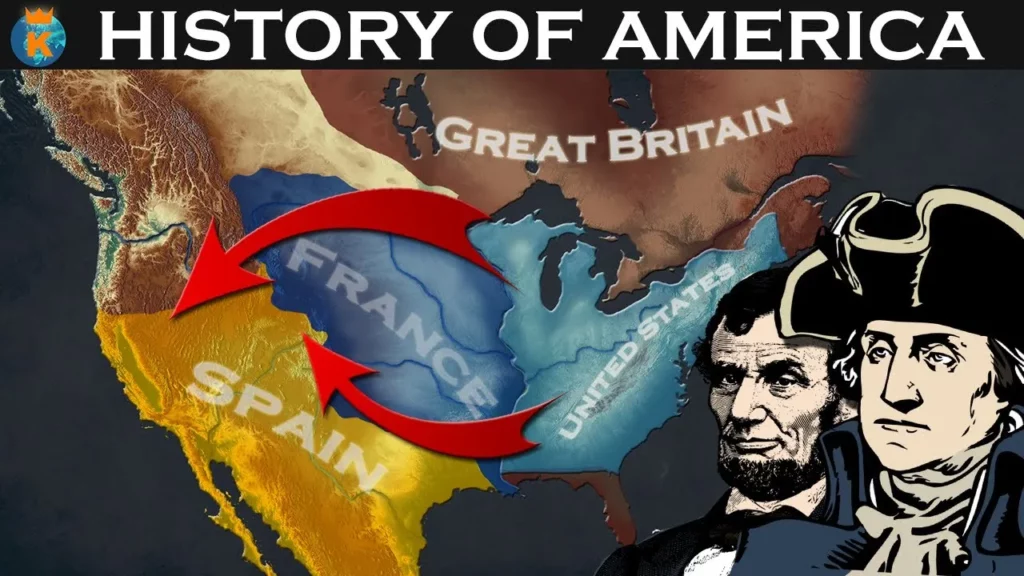
The lesson outlines the history of the United States, beginning with the arrival of the first peoples around 30,000 years ago and the development of diverse Native American cultures. It details the impact of European colonization starting in 1492, the subsequent American Revolution leading to independence in 1776, and the nation’s expansion and internal conflicts, including the Civil War. The summary concludes with a brief overview of the 20th century, highlighting key events such as World Wars, the Cold War, civil rights movements, and the challenges faced in the 21st century.
Why did Italy switch sides in WW2?
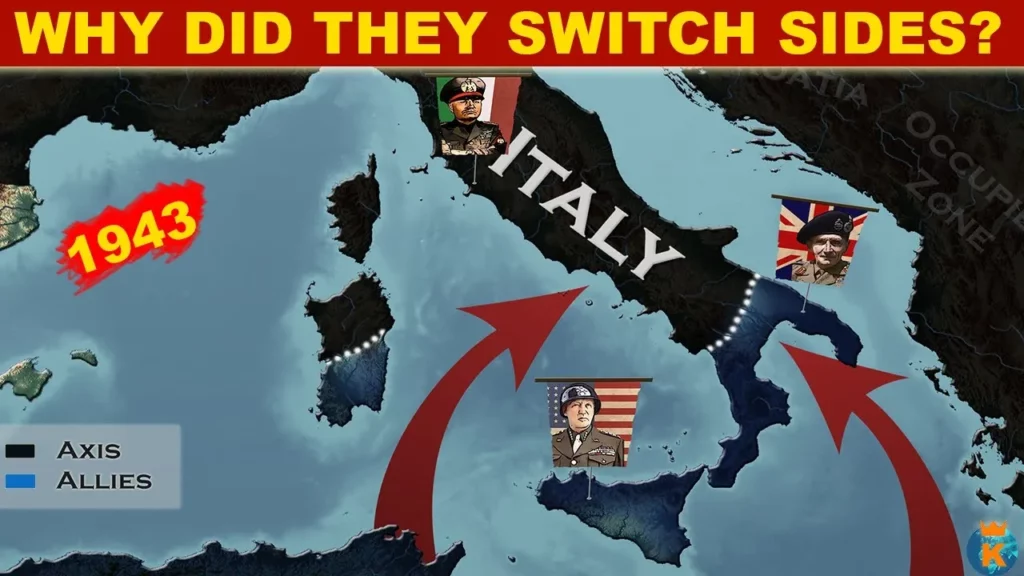
The lesson explores Italy’s transition from an Axis power to an ally during World War II, highlighting the rise of Benito Mussolini and his ambitions to expand Italy’s influence through military actions in the Mediterranean. Despite initial successes, Italy faced significant military failures and internal challenges, leading to Mussolini’s removal and the government’s decision to surrender to the Allies in September 1943, ultimately resulting in Italy declaring war on Germany. This shift illustrates the complexities of wartime alliances and the impact of political and military dynamics on a nation’s decisions.