
Why did Sparta Collapse?
The lesson explores the rise and fall of Sparta, highlighting its unique military society and the pivotal events that led to its decline. After emerging victorious in the Peloponnesian War, Sparta faced challenges from former allies and new powers like Thebes, culminating in its defeat at the Battle of Leuctra in 371 BC. Ultimately, Sparta’s story illustrates the transient nature of power and the complexities of ancient Greek civilization.
Why is Greenland a part of Denmark?
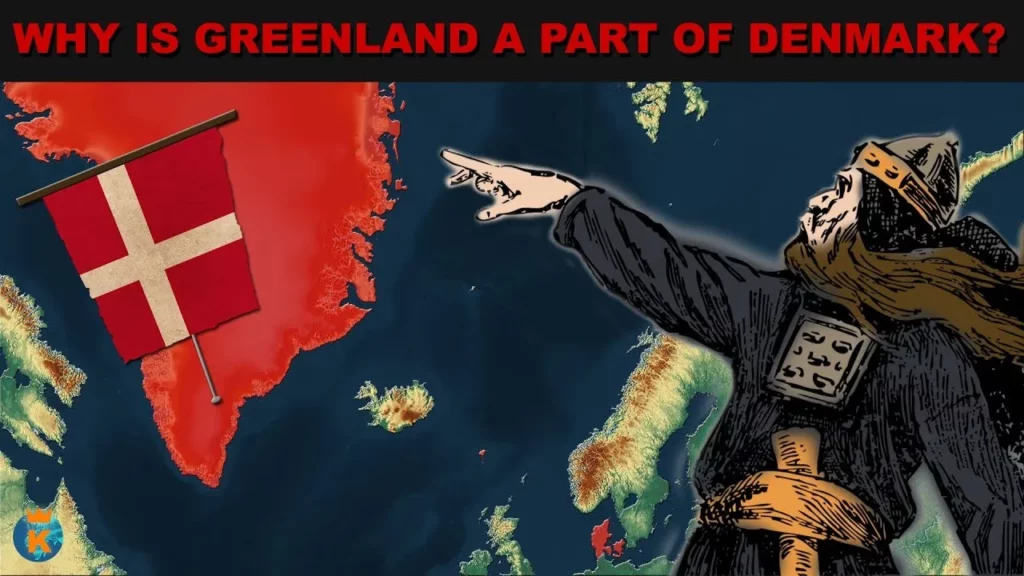
The lesson explores the historical and political reasons behind Greenland’s status as a part of Denmark, tracing its connection back to the Viking Age when it was first settled. It highlights Denmark’s attempts to assert control over Greenland from the early 1600s, culminating in the establishment of home rule in 1979 and greater autonomy in 2009, while still recognizing its status as an autonomous territory within the Kingdom of Denmark. The lesson emphasizes the unique cultural heritage of Greenland’s indigenous people and their journey through various rulings over the centuries.
Why wasn’t Portugal conquered by Spain? (OLD VIDEO)
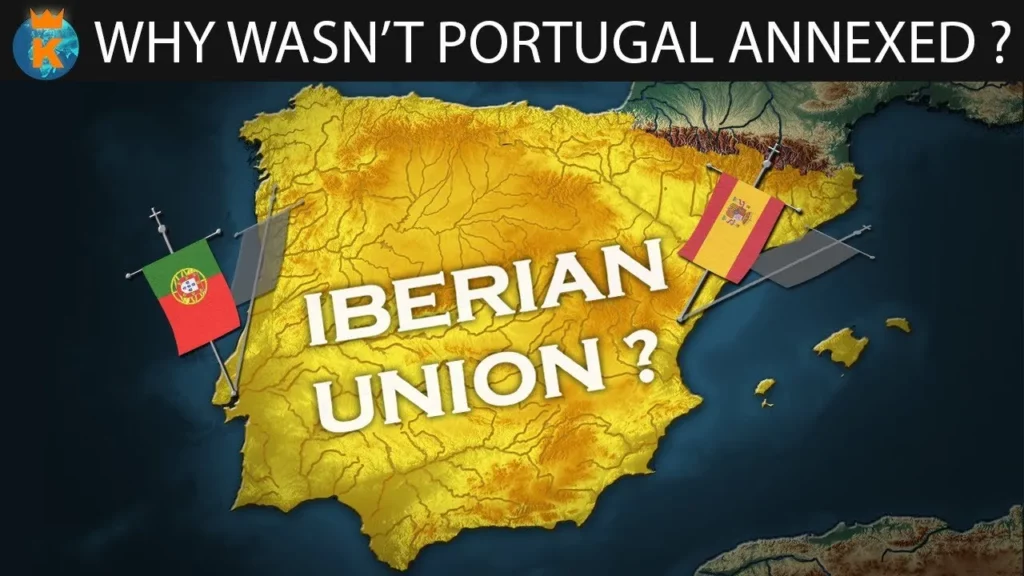
The lesson explores the historical reasons why Portugal was never fully conquered by Spain, despite their geographical proximity and shared history. Key factors include Portugal’s emergence as a separate kingdom in the 12th century, strategic diplomacy, a focus on overseas colonies, and Spain’s internal challenges, all of which contributed to Portugal’s ability to maintain its independence, especially during the Iberian Union and subsequent conflicts. Ultimately, both nations shifted their focus to exploration and colonization during the Age of Discovery, further reducing the likelihood of prolonged conflict over the Iberian Peninsula.
Why did Romania switch sides in WW2
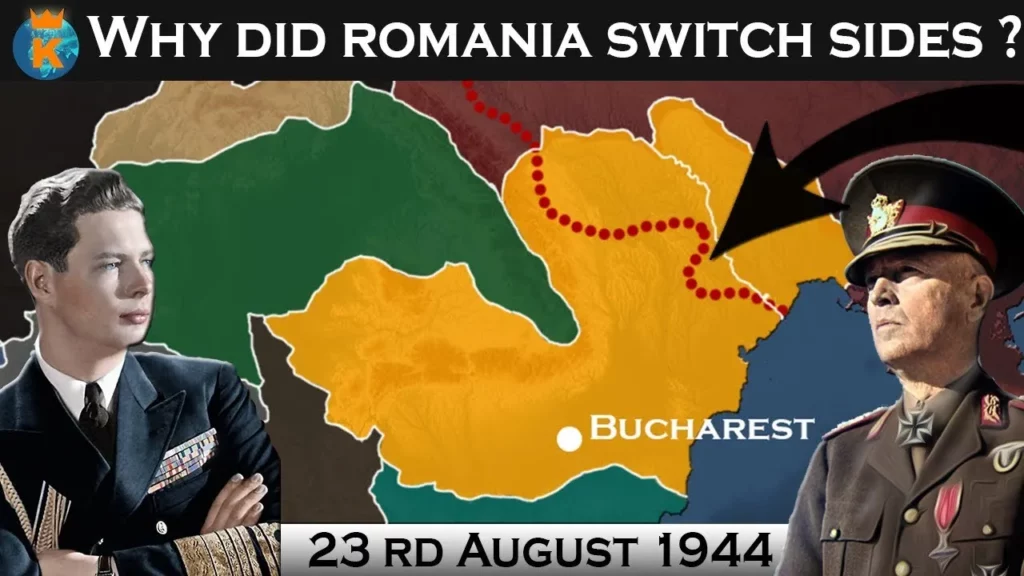
In August 1944, Romania switched sides in World War II when King Michael orchestrated a coup against the pro-Axis government led by Marshal Ion Antonescu, aiming to prevent further destruction in the country as the Axis powers faltered. This decision was influenced by Romania’s historical territorial losses, political instability, and the dire military situation following the Soviet Union’s advances. The shift ultimately led to Romania fighting alongside the Allies, regaining some territories, but also resulted in the establishment of a Communist regime under Soviet influence.
Why Did So Many German Officers Flee to Argentina after WW2?
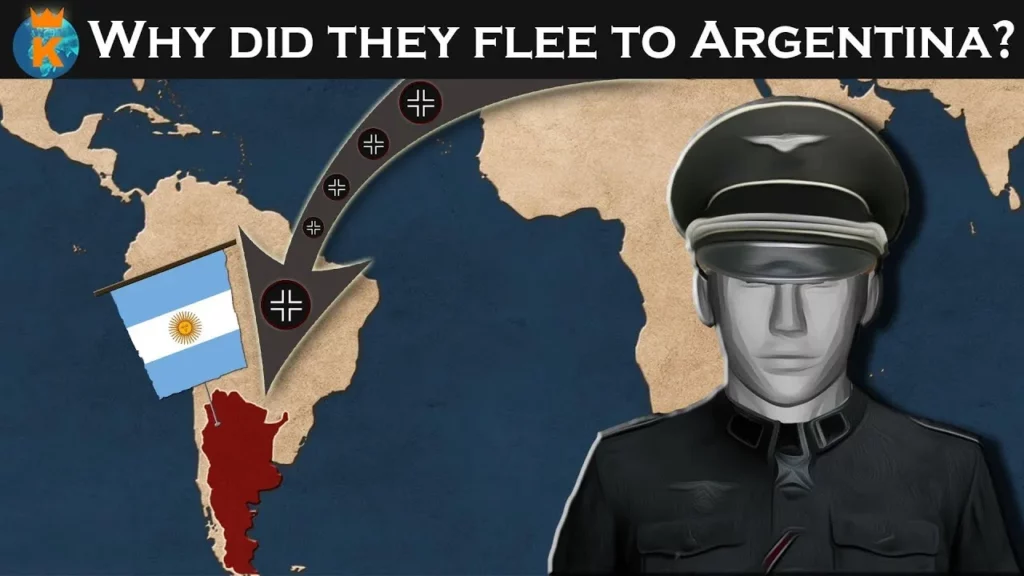
After World War II, many German officers and their allies fled to Argentina to escape potential trials for their wartime actions, as Europe was no longer a safe haven. Argentina, under President Juan Domingo Perón, welcomed these fugitives due to its historical ties with Germany and a pro-Axis stance, facilitating their escape through networks known as “ratlines.” While initially seen as a strategic move during the Cold War, the presence of these former Axis members later became a source of embarrassment for Argentina, leading to some being tracked down and tried in subsequent decades.
Why did Carthage collapse?
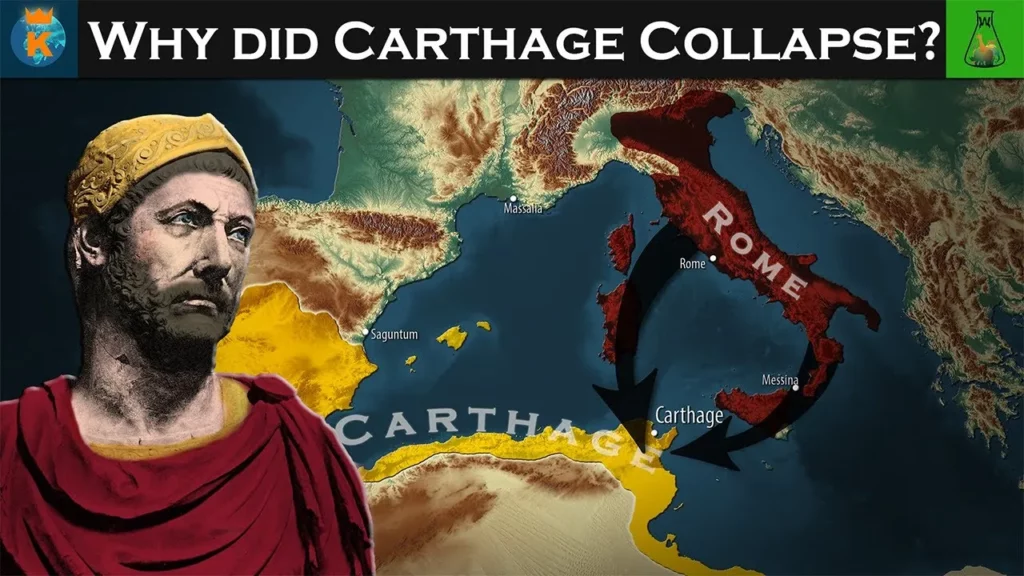
Carthage, a powerful trading city founded by the Phoenicians, rose to prominence in the western Mediterranean but ultimately fell due to its rivalry with Rome. The conflicts, particularly the Punic Wars, showcased military strategies, including Hannibal’s famous use of war elephants, but led to Carthage’s defeat and destruction by Rome in 146 BC. Despite its collapse, Carthage’s legacy persisted, influencing the development of Roman Africa in the years that followed.
Why didn’t France attack Germany in 1939?
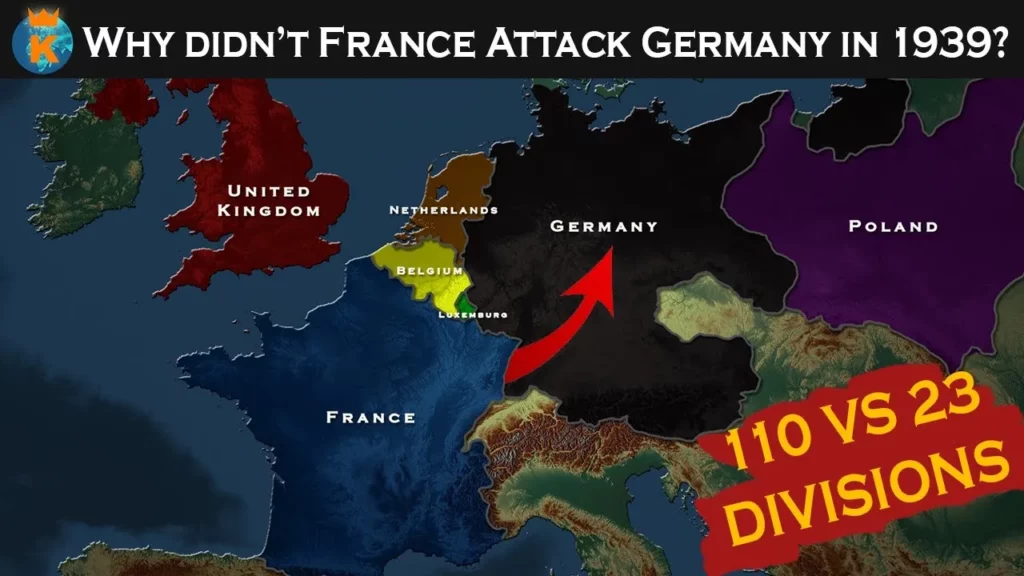
The lesson explores why France and Britain did not launch a significant attack against Germany following its invasion of Poland in 1939, despite declaring war. Key reasons include their lack of preparedness for another major conflict, a desire to avoid war at almost any cost, and a series of strategic mistakes that led to indecisiveness and underestimation of German military capabilities. Ultimately, these factors contributed to France’s rapid defeat by Germany just months later.
Why did the Persian Empire Collapse?
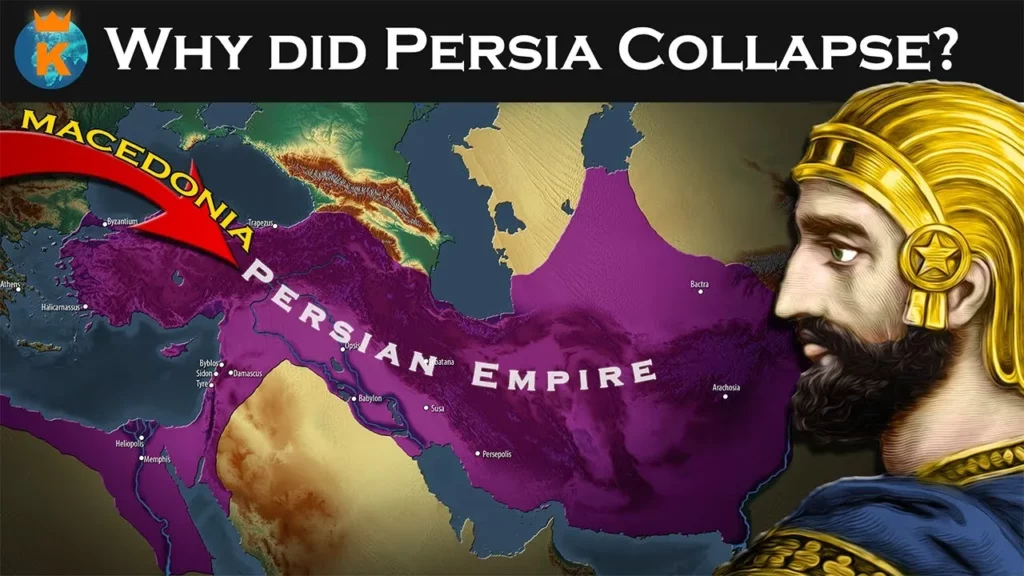
The lesson explores the rise and fall of the Persian Empire, particularly the Achaemenid dynasty founded by Cyrus the Great around 550 BC. It highlights the empire’s peak under Darius the Great, characterized by cultural and administrative advancements, followed by a decline due to weak leadership, internal strife, and heavy taxation, ultimately leading to its conquest by Alexander the Great in 331 BC. The lesson emphasizes how the combination of internal struggles and external pressures contributed to the collapse of one of history’s largest empires.
How did Indonesia become Muslim?
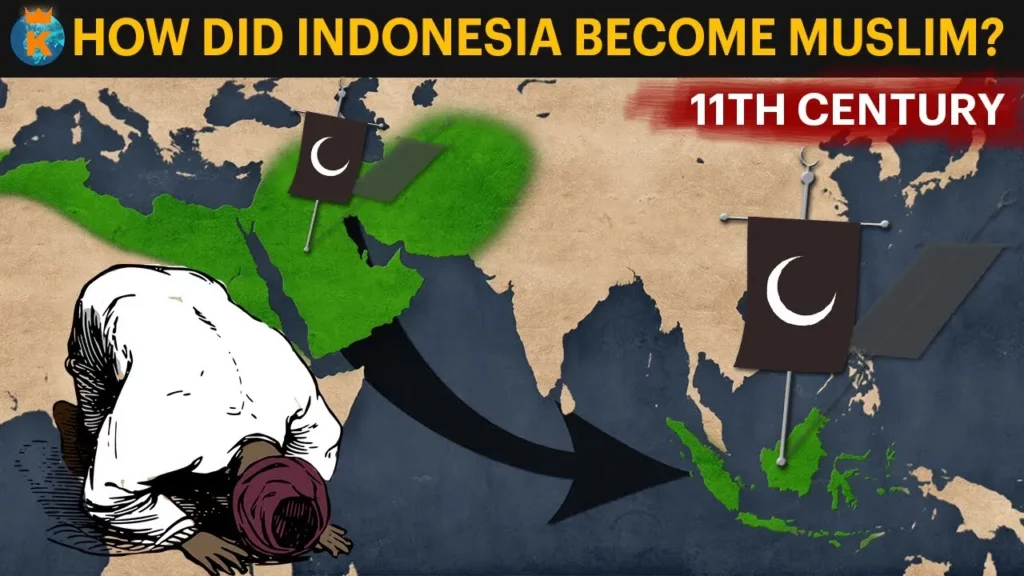
The lesson explores the historical journey of Islam’s arrival and establishment in Indonesia, highlighting that the country has the largest Muslim population in the world. It discusses how Islam spread through trade, the influence of Muslim traders and missionaries, and the conversion of local leaders, particularly during the 12th and 13th centuries. The lesson also emphasizes Indonesia’s religious diversity and the integration of traditional practices within Islam, showcasing the complex interplay of culture, trade, and faith that has shaped the nation.
What Happened to the Greeks of Asia Minor?
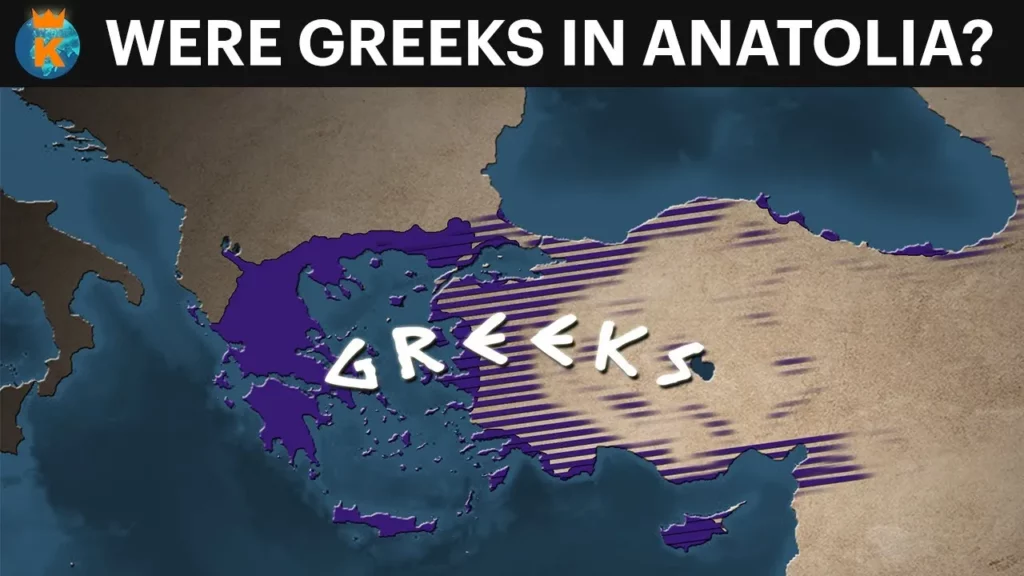
The lesson explores the historical journey of the Greeks in Asia Minor, highlighting their significant influence from ancient times through the Byzantine Empire, when they were the predominant cultural group. However, starting in the 11th century, the rise of Turkic peoples and the establishment of the Ottoman Empire led to a decline in Greek presence, culminating in violence and forced deportations during and after World War I. The narrative underscores the complexities of cultural identity and migration in the region, illustrating the lasting impact of historical events on contemporary demographics.