
How many Japanese Served in the U.S Army in WW2?
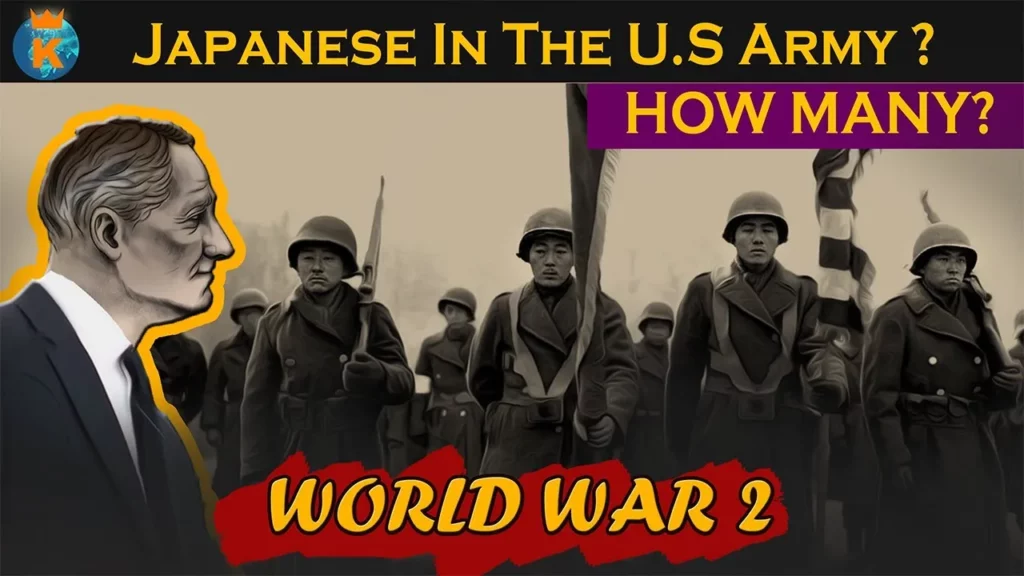
The lesson explores the significant yet complex role of Japanese Americans in the U.S. Army during World War II, particularly following the Pearl Harbor attack on December 7, 1941. Despite facing discrimination and restrictions, approximately 33,000 Japanese Americans served in the military, with notable contributions from units like the 442nd Regimental Combat Team and the 100th Infantry Battalion, which earned numerous awards for bravery. Their service not only impacted the war effort but also established a lasting legacy of courage and dedication within the Japanese American community.
Why didn’t the Allies declare war on the USSR when they invaded Poland?
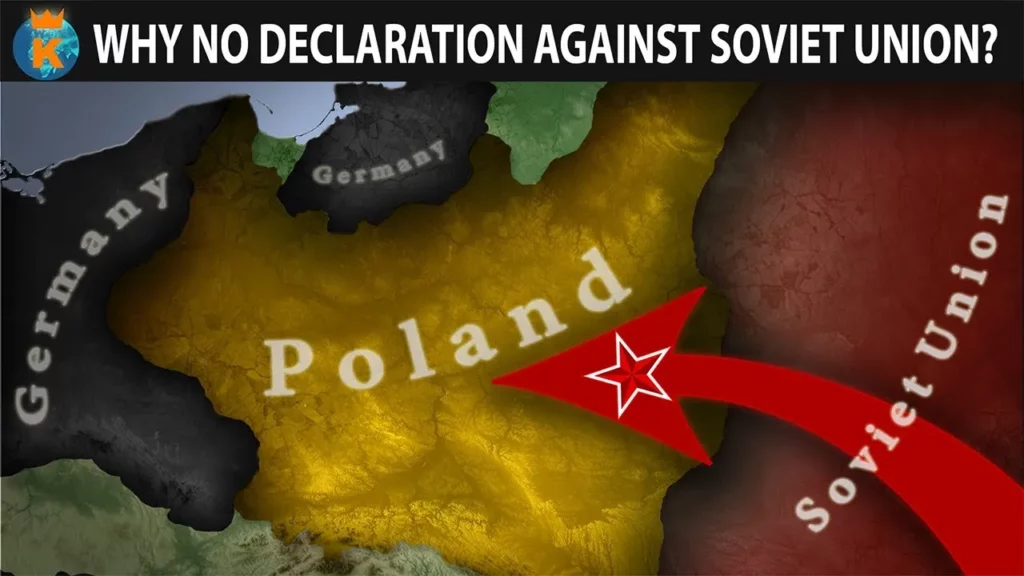
The lesson explores the reasons why Britain and France did not declare war on the Soviet Union after its invasion of Poland in September 1939, despite their commitment to protect Poland from aggression. The Allies’ decision was influenced by existing political agreements that primarily targeted Germany, a lack of readiness for another large-scale conflict, and a desire to avoid escalating tensions, ultimately leaving Poland vulnerable to division between the two powers. The complex geopolitical landscape and the focus on Germany’s actions overshadowed the threat posed by the Soviet Union at that time.
What happened with Liechtenstein in WW2?
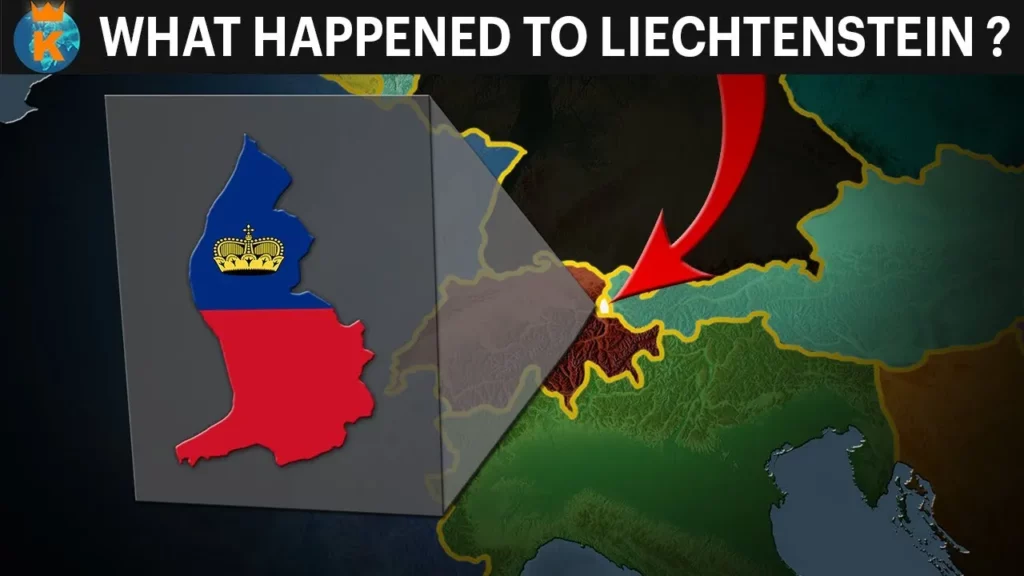
Liechtenstein successfully maintained its neutrality during World War II, a feat attributed to its long-standing tradition of non-involvement in conflicts and its strategic value to Germany as a banking partner. Despite facing pressures due to its ethnic ties to Germany and the threat of invasion, the small nation avoided military engagement and remained unscathed, although it dealt with post-war challenges related to the seizure of royal properties. This unique situation highlights how a small country can navigate complex geopolitical landscapes while preserving its sovereignty.
Why was Ireland Neutral in WW2?
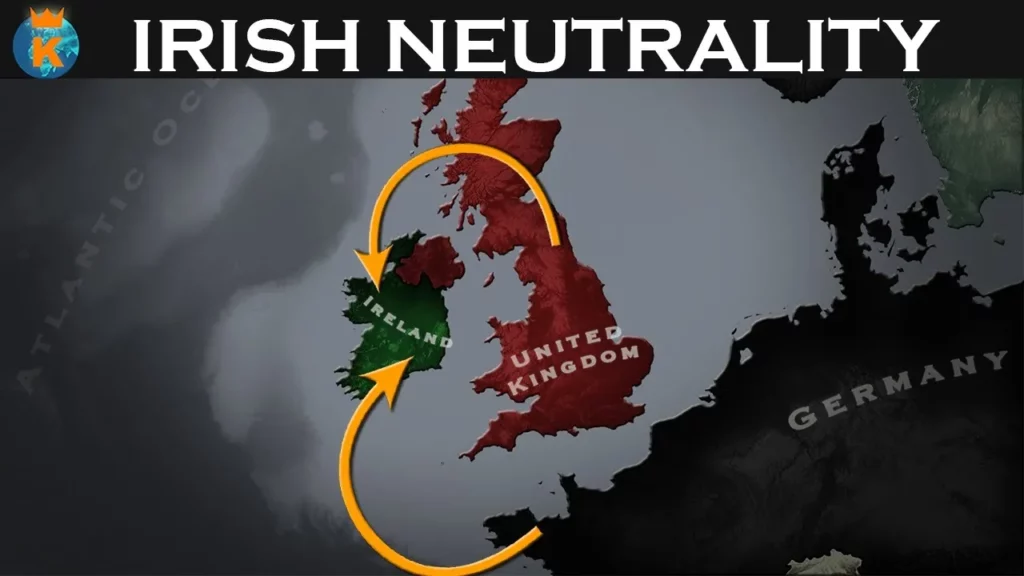
Ireland’s neutrality during World War II stemmed from its historical tensions with the United Kingdom and a desire to maintain sovereignty following its recent independence. Despite pressure from both the Allies and Axis powers, Irish leader Eamon de Valera emphasized non-belligerency to protect the nation’s interests and avoid complicating its fragile relationship with Britain. Ultimately, Ireland’s decision allowed it to navigate the war without further conflict, focusing on its national priorities.
Vlad The Impaler – How did he rise to power? (Part 1/2) DOCUMENTARY
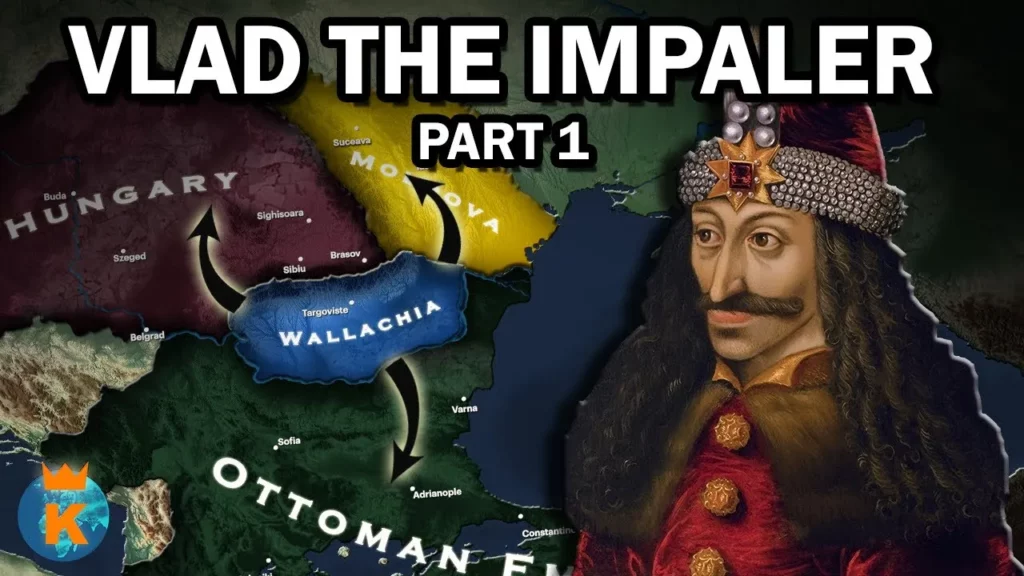
The lesson explores the early life and rise to power of Vlad III, known as Vlad the Impaler, highlighting his noble heritage, education, and the challenges he faced during his formative years. Born into a prominent family in Transylvania, Vlad’s experiences, including his captivity in the Ottoman Empire and the assassination of his father, shaped his ambitions and ruthless approach to leadership. Despite his notorious reputation for cruelty, the lesson also touches on the complexities of his character, including moments of kindness towards his supporters, setting the stage for a deeper examination of his legacy in the subsequent part.
Why did the Holy Roman Empire have no colonies?
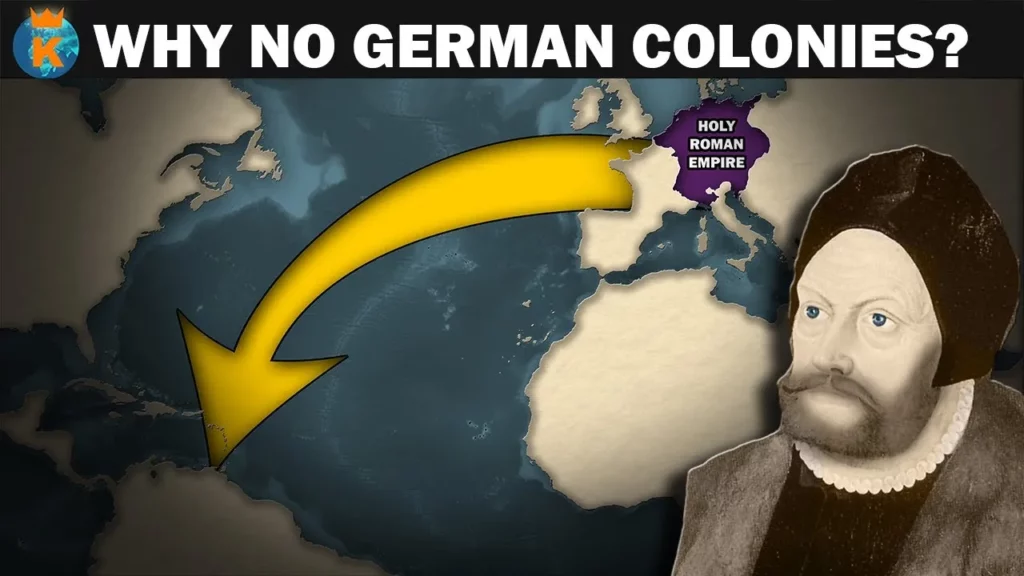
The Holy Roman Empire did not establish colonies during the early modern period due to its fragmented political structure, which hindered centralized coordination for colonial ventures. Individual attempts at colonization, such as Klein-Venedig and the Hohenlohe Indies, faced significant challenges, including financial constraints and external threats. Ultimately, the Empire’s geographical limitations and the devastation of the Thirty Years’ War further marginalized its capacity for overseas expansion, leading to long-term implications for Germany’s strategic position in subsequent centuries.
Did the Romans explore deeper into Africa?
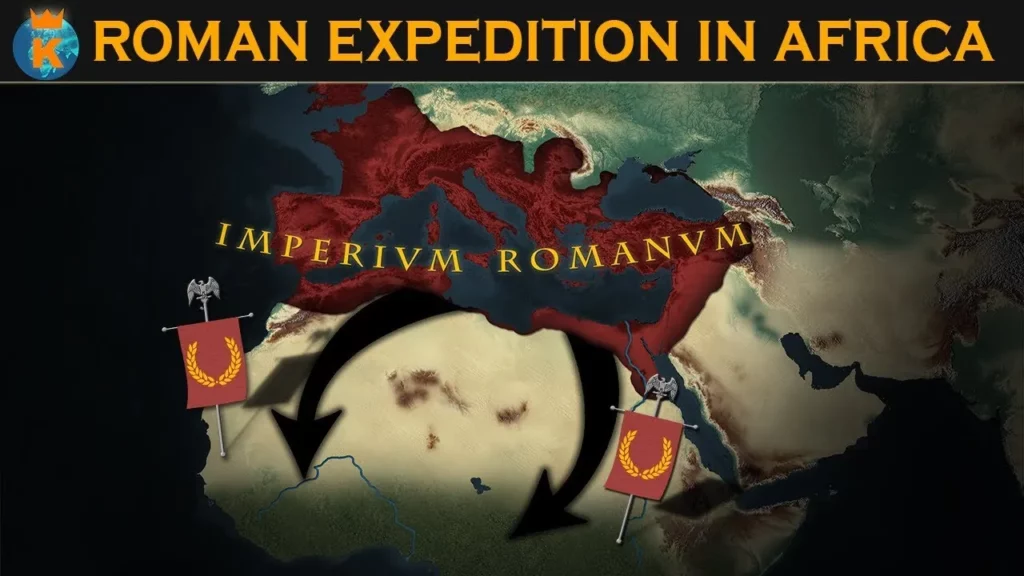
The lesson explores the extent of Roman exploration and trade in deeper parts of Africa, highlighting that while the Romans primarily focused on military campaigns, they also sought to establish trade routes to access valuable goods from sub-Saharan regions. Notable expeditions occurred between 19 BC and 90 AD, driven by the desire to circumvent local conflicts and enhance trade relationships with African kingdoms. Despite their efforts, the impact of these expeditions on sub-Saharan cultures remains a subject of historical debate.
How did the Ottomans conquer the Balkans and Asia Minor? – History of the Ottoman Empire (1299-1400)
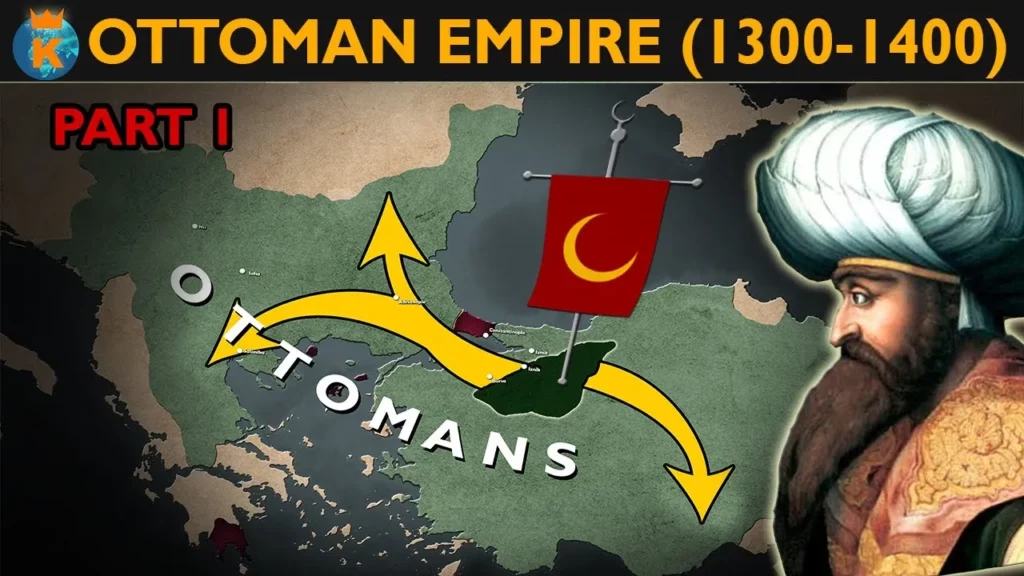
The lesson outlines the early expansion of the Ottoman Empire from its inception in 1299 under Osman I to the conquests led by Murad I and Bayezid I by 1400. It highlights how the Ottomans capitalized on the weaknesses of neighboring states, established a powerful military with the creation of the Janissaries, and successfully expanded their territory into the Balkans and Asia Minor, ultimately laying the groundwork for a vast and enduring empire. The strategic alliances and military victories during this period were crucial in solidifying Ottoman dominance in the region.
How close was Germany to build the Nuclear Weapon in WW2?
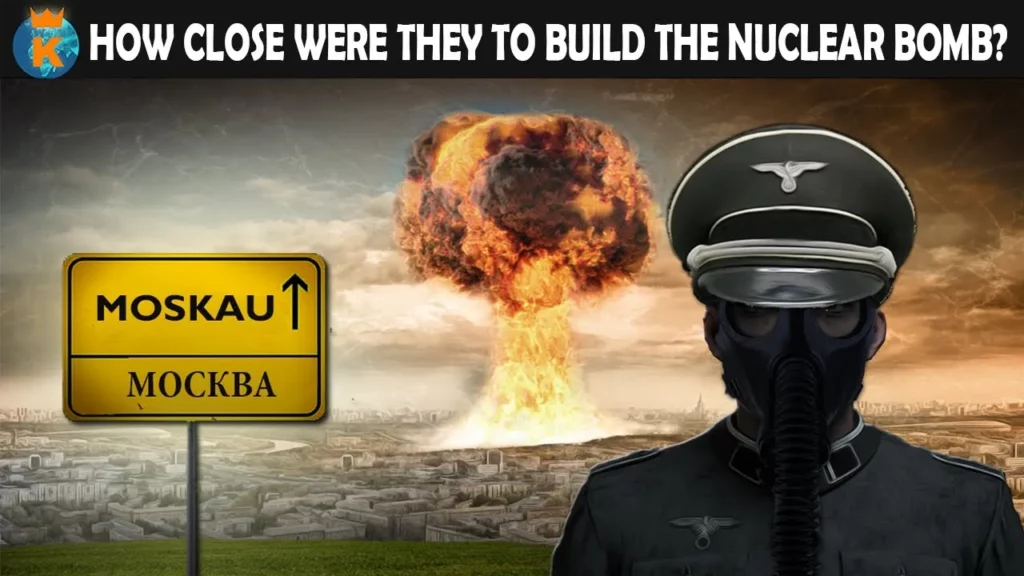
The lesson explores Germany’s attempts to develop a nuclear weapon during World War II, revealing that they were not as close to success as initially feared by the Allies. Key factors included the political climate that stifled scientific collaboration, a shift in focus from weaponry to energy production, and the lack of coordination among German scientists. Ultimately, while the Allies successfully developed nuclear weapons through a centralized effort, Germany’s fragmented approach and missed opportunities led to their failure in this endeavor.
Vlad The Impaler – How did he become a legend? (Part 2/2) DOCUMENTARY
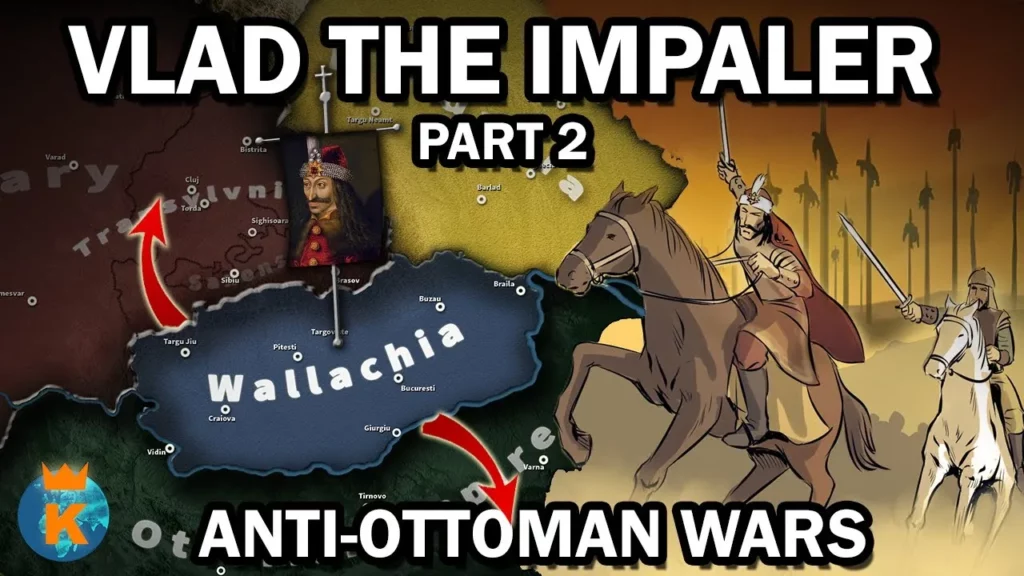
The lesson explores the life of Vlad the Impaler, also known as Vlad III Dracula, highlighting his complex relationships with Transylvania and the political struggles he faced, including conflicts with the Ottoman Empire. Despite his controversial methods, including military actions and harsh punishments, Vlad’s legacy endures as both a feared tyrant and a national hero, reflecting the duality of his character and the historical context of his reign. Ultimately, his story remains a captivating blend of bravery, intrigue, and enduring legend.