
King Tut and His Treasures for Kids: Biography of Tutankhamun, Discovery of his Tomb
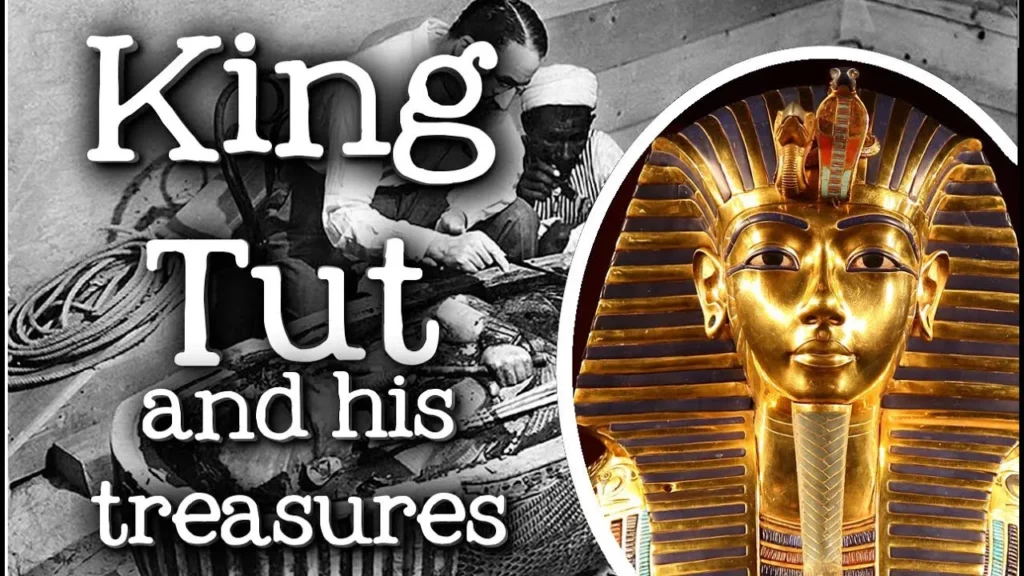
The lesson explores the life and legacy of King Tutankhamun, one of ancient Egypt’s most renowned pharaohs, whose tomb was discovered in 1922 by archaeologist Howard Carter. Despite his brief reign and mysterious death at a young age, King Tut’s tomb, filled with incredible treasures, has provided invaluable insights into ancient Egyptian culture and continues to captivate audiences worldwide. The discovery of his nearly intact tomb has significantly influenced our understanding of ancient history and art, making King Tut a lasting symbol of Egypt’s rich heritage.
Leonardo da Vinci for Children: Biography for Kids
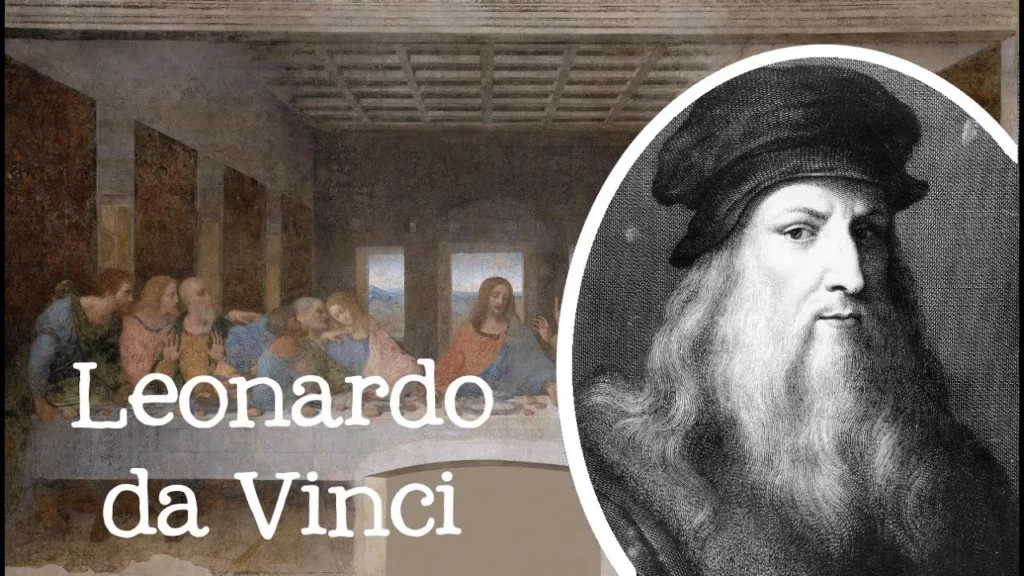
The lesson on Leonardo da Vinci highlights his multifaceted genius as not only a renowned artist but also a pioneering scientist, inventor, and thinker of the Renaissance. Born in 1452, his early life and training in Florence set the stage for his remarkable contributions to art and science, including masterpieces like the “Mona Lisa” and innovative designs for flying machines. Da Vinci’s enduring legacy continues to inspire admiration and study, solidifying his status as a quintessential Renaissance man.
All About Flamingos for Kids: Animal Videos for Children
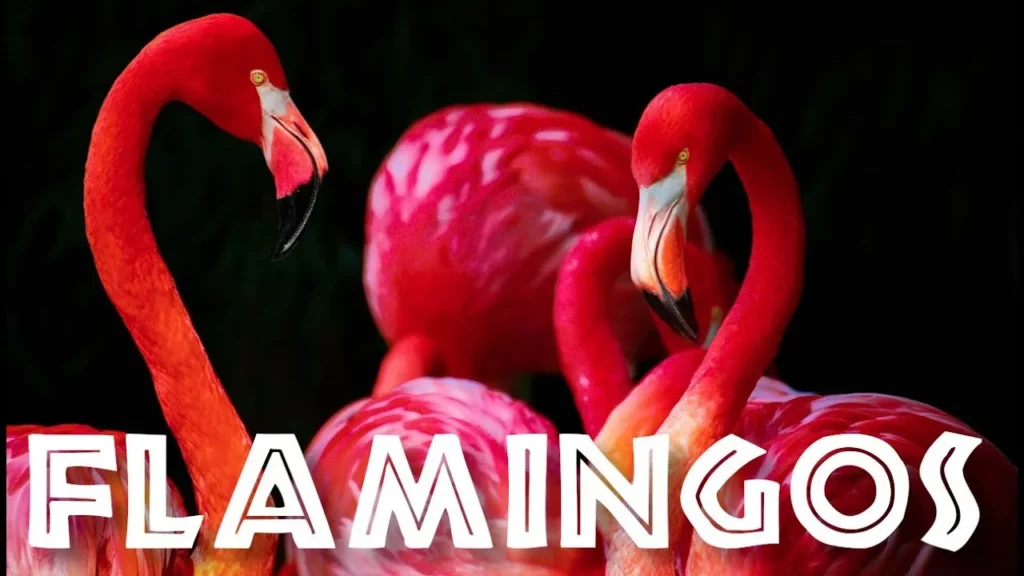
This lesson explores the captivating world of flamingos, highlighting their vibrant pink coloration, unique feeding habits, and social behaviors. It covers their habitats across various continents, physical characteristics, and the interesting fact that flamingo chicks are initially gray or white before developing their iconic color due to dietary pigments. Additionally, the lesson touches on their cultural significance and the reasons behind their distinctive one-legged stance.
Exploring the Taiga Biome
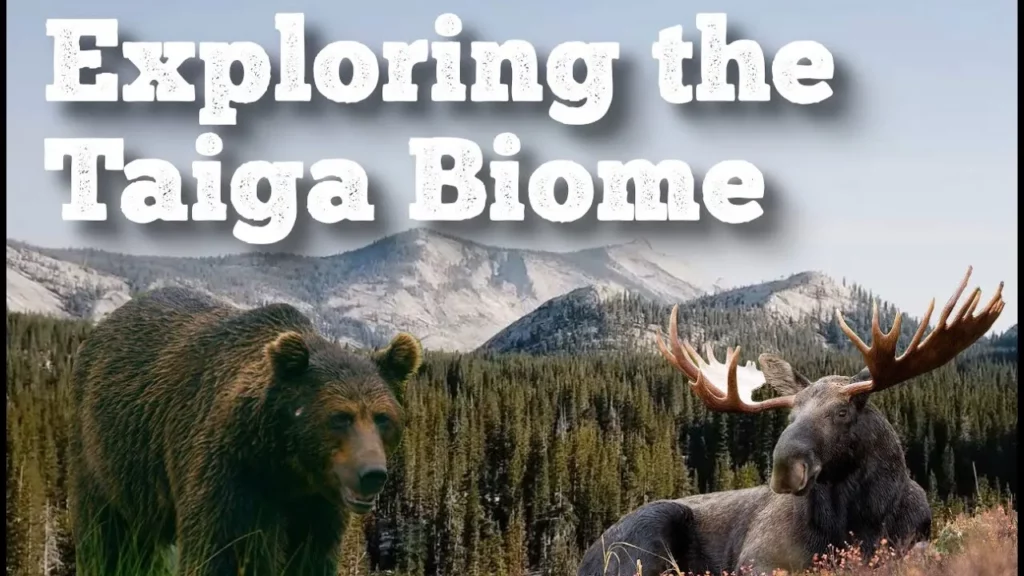
The taiga, or boreal forest, is a vast biome characterized by cold winters, short summers, and a predominance of coniferous trees, covering significant areas in Russia and Canada. This biome plays a crucial role in Earth’s ecosystem by storing carbon and supporting various wildlife, despite facing threats from human activities like logging and deforestation. Protecting the taiga is essential for maintaining biodiversity and climate stability, and can be achieved through sustainable practices and conservation efforts.
All About Pandas for Kids
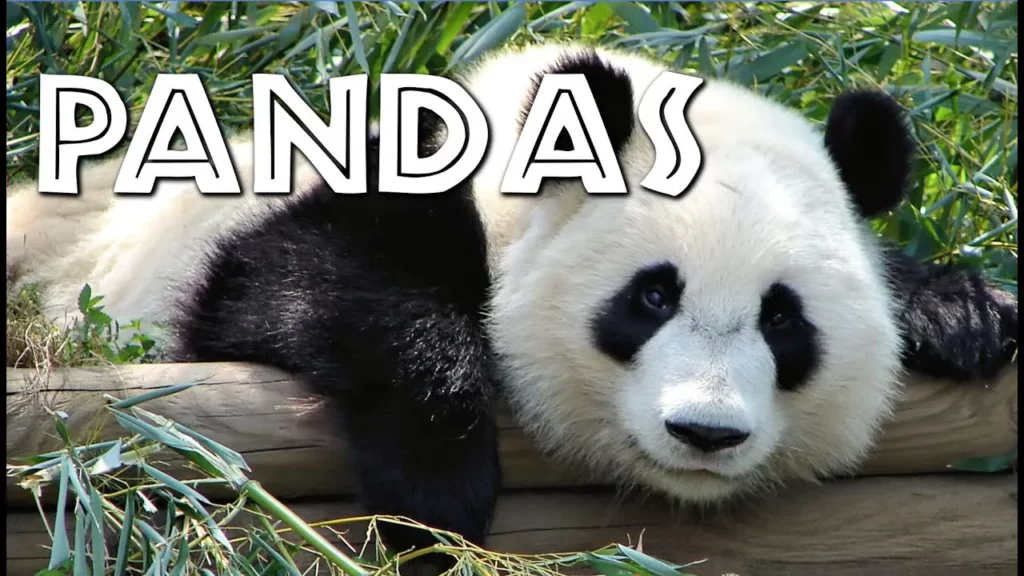
The lesson on giant pandas highlights their unique characteristics, habitat, diet, and the importance of conservation efforts to protect this beloved species. Despite significant progress in increasing their population from around 1,000 in the 1970s to no longer being classified as endangered in 2016, pandas still face threats from habitat loss and require ongoing protection to ensure their survival. Ultimately, giant pandas serve as a symbol of conservation, reminding us of the vital need to safeguard endangered species and their environments.
Vincent van Gogh for Children: Biography for Kids
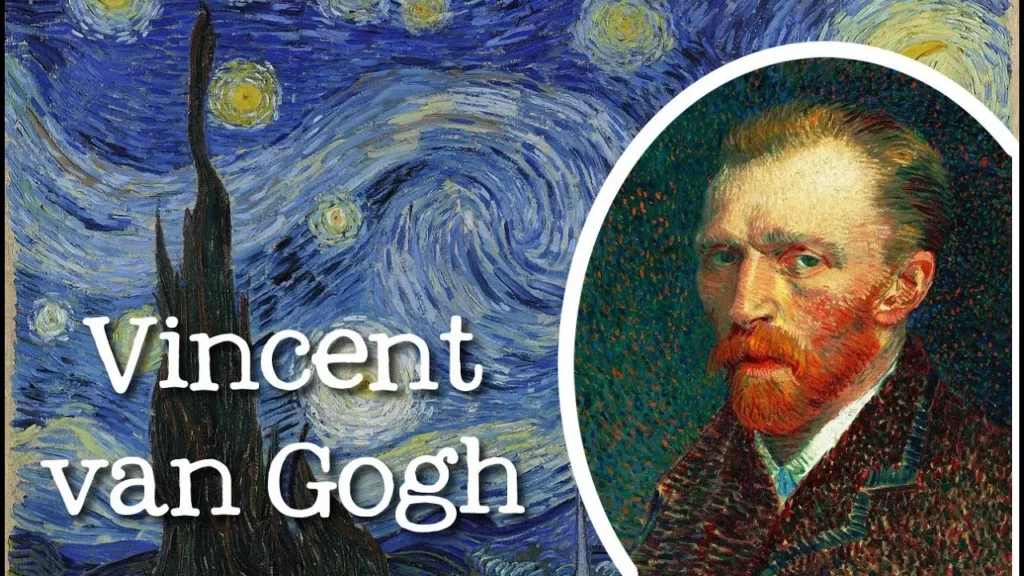
The lesson on Vincent van Gogh highlights his journey as a transformative figure in the art world, emphasizing his early struggles, artistic evolution, and eventual recognition. Despite facing challenges during his lifetime, including the inability to sell his work, van Gogh’s vibrant use of color and emotional depth paved the way for future art movements like Expressionism. Today, he is celebrated as a master artist, with his legacy inspiring countless individuals to appreciate and create art.
All About Adjectives: English Grammar for Kids

The lesson on adjectives explains that these descriptive words enhance our understanding of nouns by providing details about them, such as which one, what kind, or how many. Adjectives typically appear before the nouns they modify but can also follow them in certain constructions. Additionally, the lesson highlights how adjectives can be used for comparison, enriching our language and making it more engaging.
Why is the Sky Blue for Children: 60 Second Science Questions for Kids
The lesson explains why the sky appears blue, highlighting that sunlight, although seemingly white, consists of various colors that travel in waves of different lengths. When sunlight interacts with the atmosphere, shorter blue and violet wavelengths scatter more than others, but we predominantly see blue due to the greater abundance of blue light and our eyes’ sensitivity to it. This fascinating interplay between sunlight and atmospheric gases reveals the beauty of nature’s phenomena.
2 Minute Tour of Ohio: 50 States for Kids
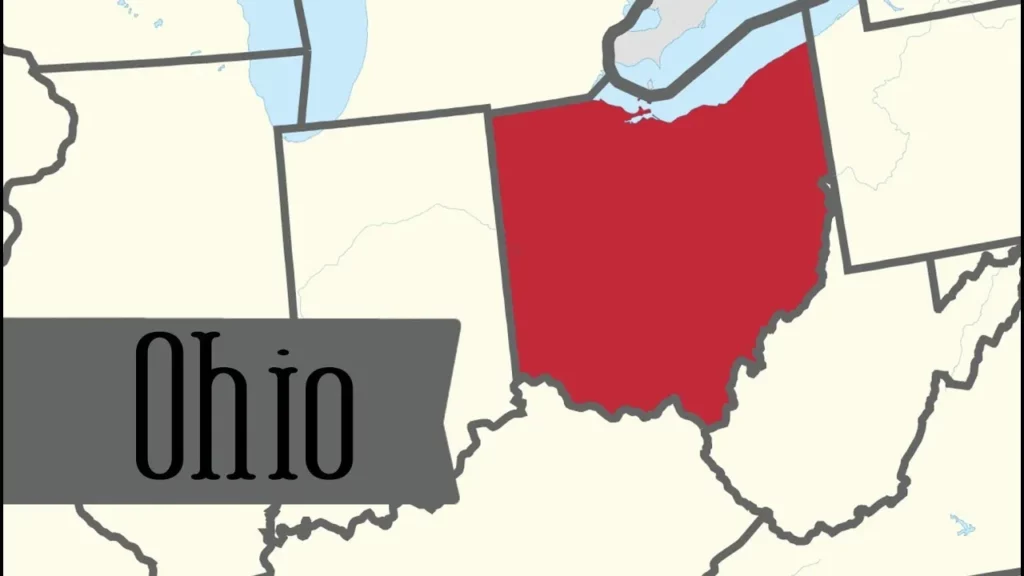
The lesson on Ohio, known as the Buckeye State, highlights its rich history, including its admission as the seventeenth state in 1803 and the notable Toledo War with Michigan. Ohio is recognized as the “Mother of Presidents” for being the birthplace of seven U.S. presidents and is also celebrated for its significant contributions to aviation and space exploration, with figures like the Wright brothers and astronauts John Glenn and Neil Armstrong hailing from the state. Overall, Ohio’s historical and cultural significance makes it a fascinating part of American history.
The History of the Great Wall of China for Kids
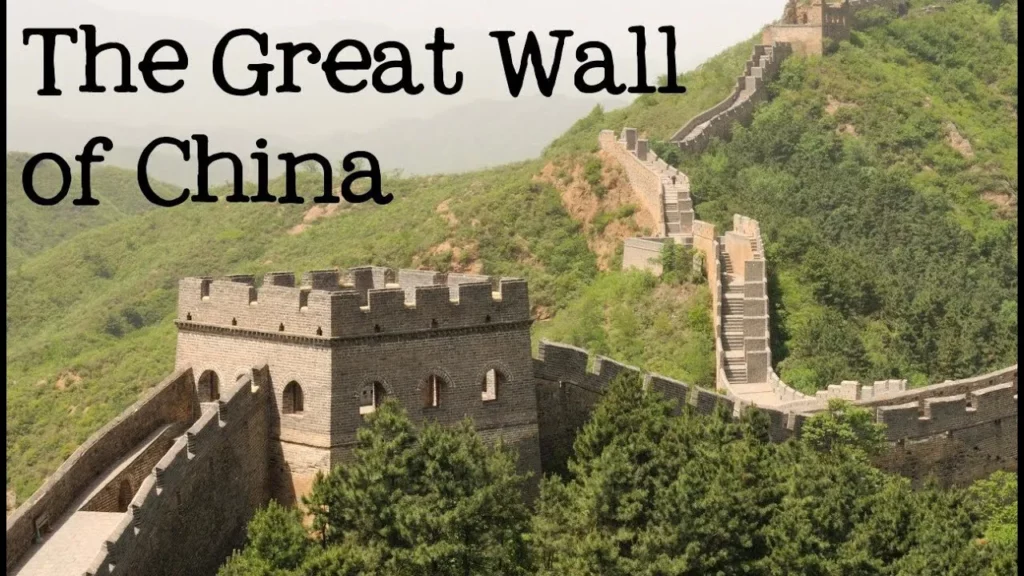
The Great Wall of China is a monumental structure that reflects the rich history and strength of China, built over thousands of years for protection against invasions. Initially constructed as separate walls, it was unified under Emperor Qin Shi Huang in 221 BC, with significant contributions from various dynasties, particularly the Ming dynasty, which expanded it to over 13,000 miles. Today, the Great Wall stands as a World Heritage site, attracting millions of visitors while symbolizing China’s enduring legacy.