
Goldilocks and the Three Bears Storytime: Stories and Fairy Tales for Kids
The lesson of “The Tale of Goldilocks and the Three Bears” emphasizes the importance of curiosity balanced with respect for others’ belongings and spaces. Goldilocks’ adventures illustrate the consequences of her actions, as she intrudes into the bears’ home and disrupts their lives, ultimately learning that her choices can impact others. The story serves as a reminder to consider how our behavior affects those around us.
Newton’s 3 Laws of Motion for Kids: Three Physical Laws of Mechanics for Children
This lesson introduces Newton’s Laws of Motion, which explain the principles governing the movement of objects. Newton’s First Law describes inertia, stating that objects remain in their current state unless acted upon by an external force; the Second Law relates force, mass, and acceleration (F = ma); and the Third Law highlights the concept of action and reaction, indicating that every action has an equal and opposite reaction. These foundational laws, established over 300 years ago, continue to be essential for understanding motion in both scientific contexts and everyday life.
Top 10 Heaviest Birds in the World: World’s Biggest Birds! Creature Countdown
This lesson explores the ten heaviest birds in the world, highlighting their unique characteristics and habitats. From the towering ostrich, which can weigh up to 346 pounds, to the king penguin, known for its impressive height and weight, each bird showcases the incredible diversity and adaptability of avian species across the globe. Through this journey, we learn not only about their physical attributes but also their remarkable behaviors and lifestyles.
Stellar Classification 101: Types of Stars and the History of Their Classification 101
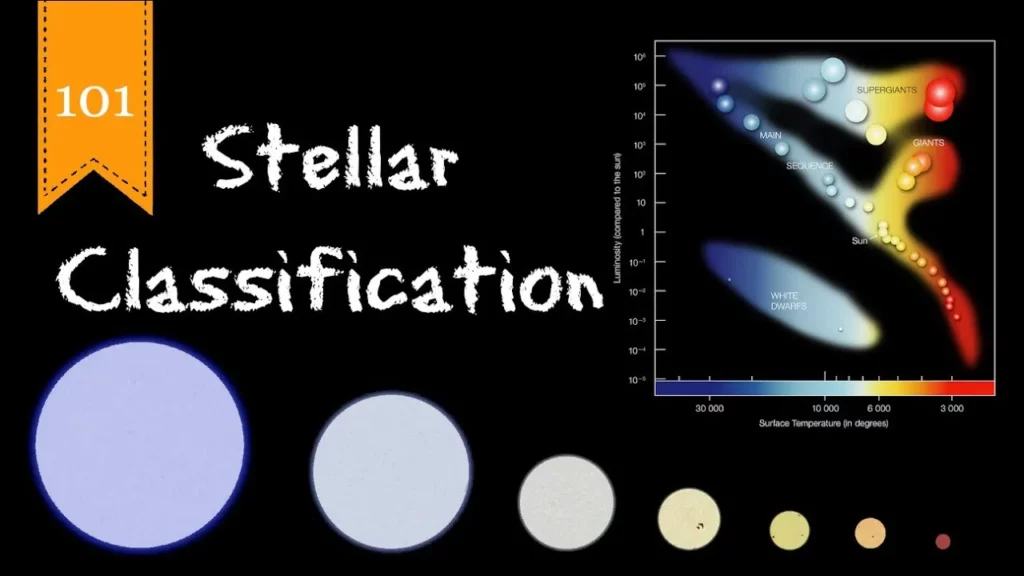
The lesson on “Understanding Stars: Classification and Characteristics” explores the diverse nature of stars, their classification systems, and their evolutionary stages. It highlights the historical challenges in star classification, the significance of spectroscopy in determining star composition, and the development of the Harvard classification system. Additionally, the lesson introduces the Hertzsprung-Russell Diagram, which categorizes stars based on brightness and temperature, and discusses various types of stars, including giants, supergiants, and white dwarfs, emphasizing the complexity and importance of studying stars to understand the universe.
Niagara Falls: Famous World Landmarks for Children

The lesson provides an overview of Niagara Falls, highlighting its location on the U.S.-Canada border and its three main waterfalls: Horseshoe Falls, American Falls, and Bridal Veil Falls. It discusses the falls’ impressive water flow, historical significance, and the daring feats of adventurers who have attempted to conquer its challenges, emphasizing its status as a major tourist attraction and a source of electricity.
What Does a Black Hole Sound Like? FreeSchool Presents a Closer Look at Black Hole Sounds
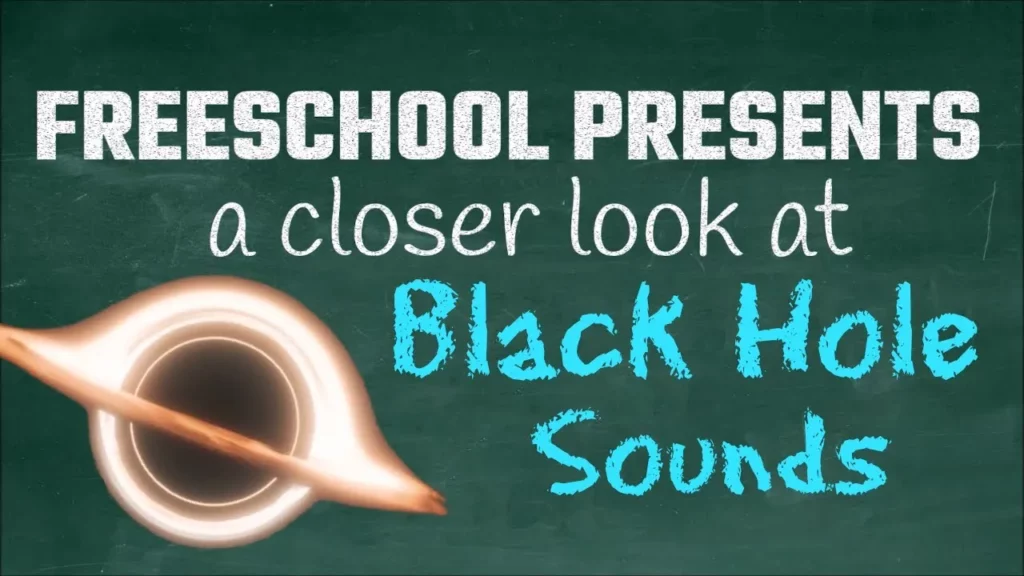
The lesson explores the intriguing phenomenon of sound associated with black holes, challenging the common misconception that space is silent. Scientists have discovered that black holes generate pressure waves that create ripples in surrounding gas, which can be transformed into audible sounds, allowing us to “hear” these cosmic entities. By converting data from black holes into sound, researchers provide a unique perspective on the universe, enhancing our understanding and appreciation of these mysterious objects.
Did You Know? Fun Facts about the Wright Brothers Bonus Reel
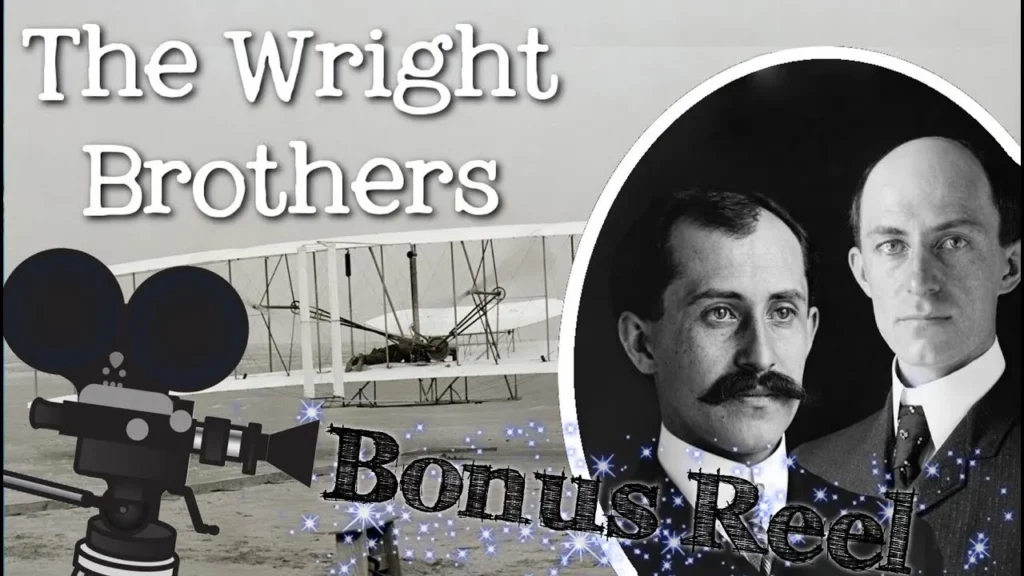
The lesson on the Wright Brothers highlights their pioneering efforts in aviation, emphasizing their commitment to safety and meticulous experimentation. By overcoming challenges with innovative solutions and competing against other inventors like Samuel Langley, the Wright Brothers not only achieved the first successful powered flight but also navigated historical controversies regarding their legacy. Their journey serves as an enduring inspiration for innovation, perseverance, and the pursuit of dreams in the field of aviation.
Biography of Frederick Douglass for Kids: American Civil Rights History for Children
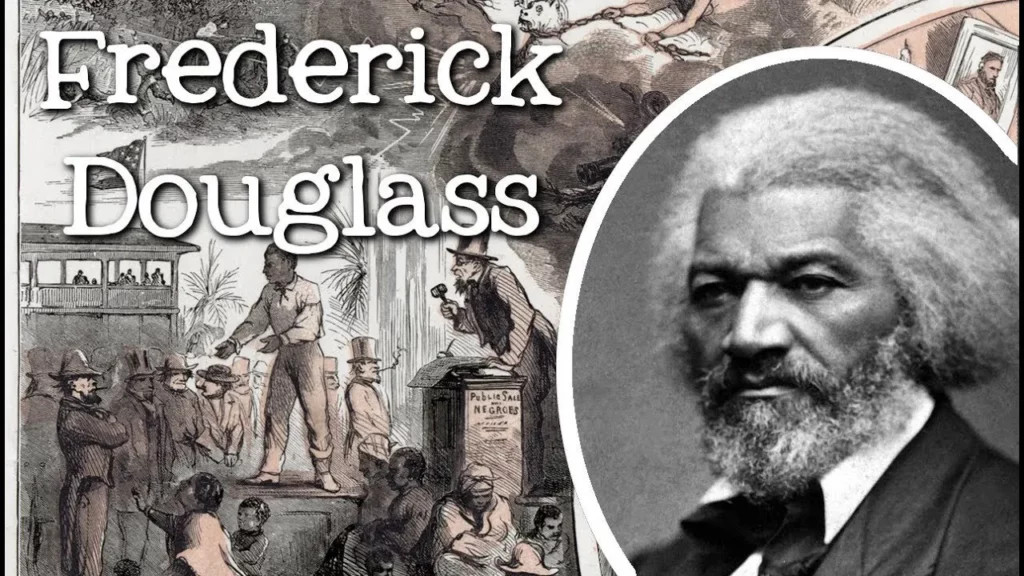
The lesson on Frederick Douglass highlights his remarkable journey from slavery to becoming a prominent abolitionist and advocate for equal rights in America. Born into slavery, Douglass’s determination to learn and fight against oppression led him to escape and eventually become a powerful voice for freedom, equality, and social justice. His legacy endures as a symbol of the ongoing struggle for civil rights, inspiring future generations to pursue justice and equality for all.
Biography of Galileo Galilei for Kids: Famous Astronomers and Scientists for Children
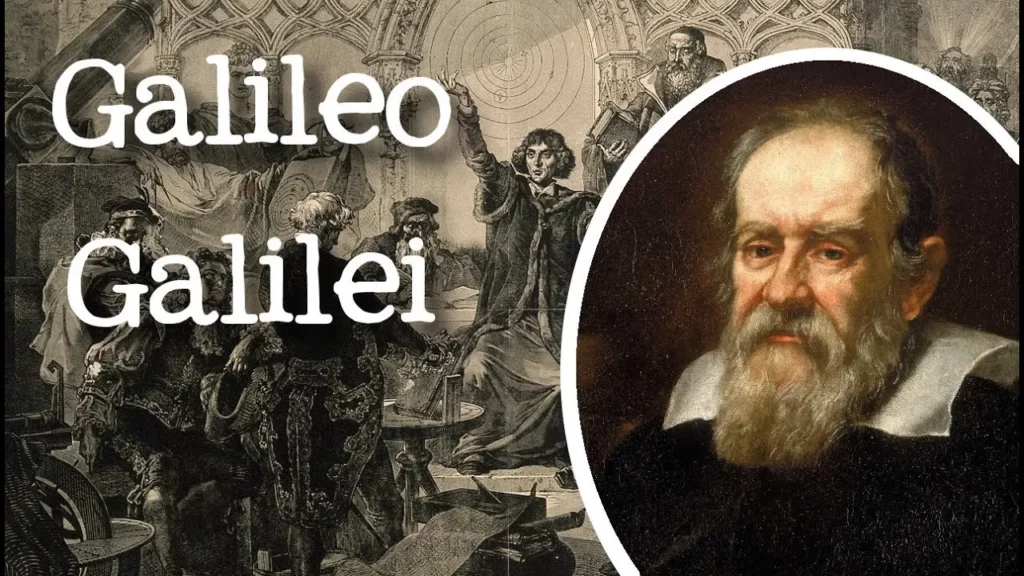
Galileo Galilei, known as the father of modern astronomy and physics, made groundbreaking contributions to science through his innovations, such as improving the telescope and discovering the moons of Jupiter and the phases of Venus. Despite facing conflict with the Catholic Church over his heliocentric views, he continued to pursue his scientific inquiries even while under house arrest. His legacy endures as a testament to the importance of observation and experimentation in understanding the universe.
Pentapedal Locomotion: FreeSchool Presents a Closer Look at the Peculiar Motion of Kangaroos

The lesson explores the unique pentapedal locomotion of kangaroos, which involves using five points of contact—two back legs, two front legs, and a strong tail—when moving slowly. This specialized movement is an adaptation to their body structure, allowing them to maintain balance and support while grazing or hopping. The evolution of this locomotion highlights the kangaroo’s remarkable ability to navigate its environment, showcasing the interplay between anatomy and behavior.