
What was the Role of Bulgaria in WW2?
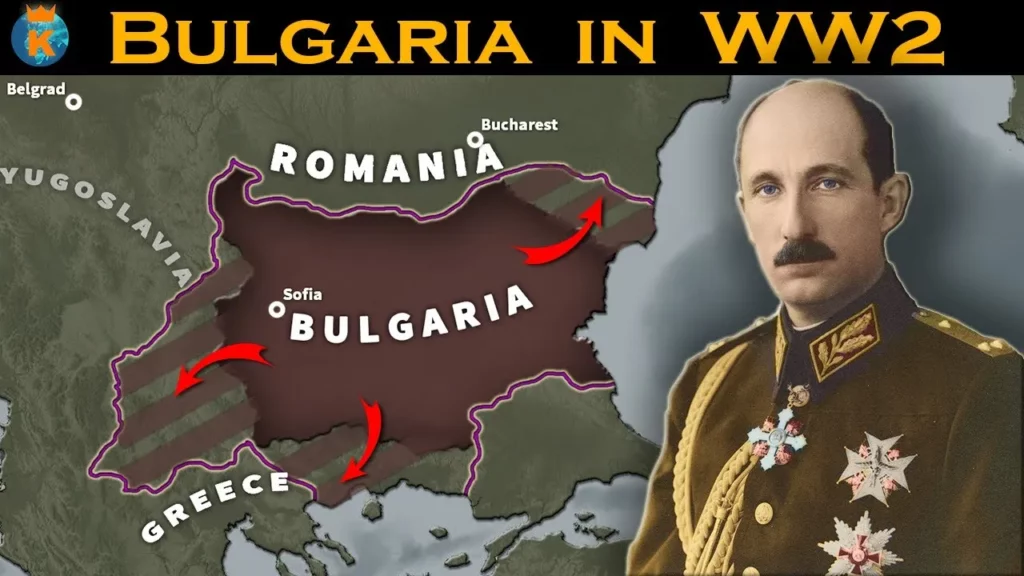
During World War II, Bulgaria aligned with the Axis powers primarily to reclaim lost territories from previous conflicts, although it maintained a cautious approach and did not fully commit to the war effort, particularly against the Soviet Union. Initially neutral, Bulgaria was pressured into joining the Axis in 1941 but refrained from declaring war on the Soviets, reflecting its historical ties with them. As the war progressed and the Axis powers faltered, Bulgaria shifted alliances, ultimately aligning with the Allies after a coup in 1944, which led to significant political and territorial changes in the post-war period.
How did the Ottomans overcome a Civil War? History of the Ottoman Empire (1400 – 1500)
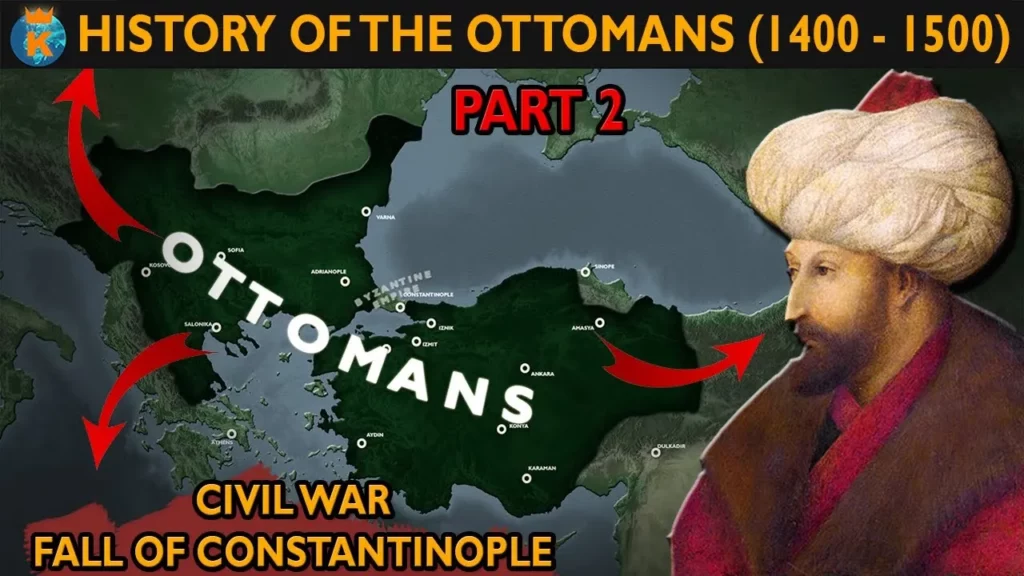
The lesson explores the tumultuous period of the Ottoman Empire from 1400 to 1500, highlighting how the empire overcame a civil war following the capture and death of Sultan Bayezid I. The ensuing Ottoman Interregnum saw his sons vying for power, leading to chaos until Mehmed I emerged as the sole ruler, uniting the empire. Subsequent leaders, including Murad II and Mehmed II, further strengthened and expanded the empire, culminating in the capture of Constantinople and the establishment of a centralized government under Bayezid II, who was celebrated for his just leadership.
How did Bangladesh become Muslim?
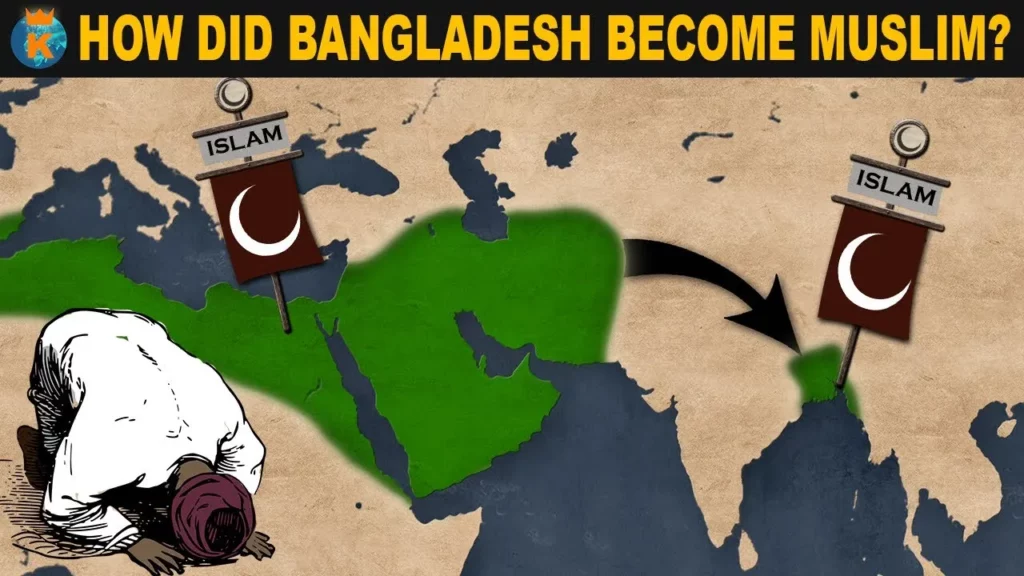
The lesson explores the historical journey of Islam’s arrival and establishment in Bangladesh, highlighting its introduction through Arab traders and the significant role of conquest by various dynasties, particularly the Ghori dynasty and the Delhi Sultanate. It emphasizes the transformation of the region under Mughal rule, where local customs were integrated into Islamic practices, leading to a predominantly Muslim population by the modern era, culminating in the formation of Bangladesh in 1971. This narrative illustrates a complex interplay of cultural exchange, conquest, and adaptation that shaped Bangladesh’s identity.
Why couldn’t Constantinople be conquered?
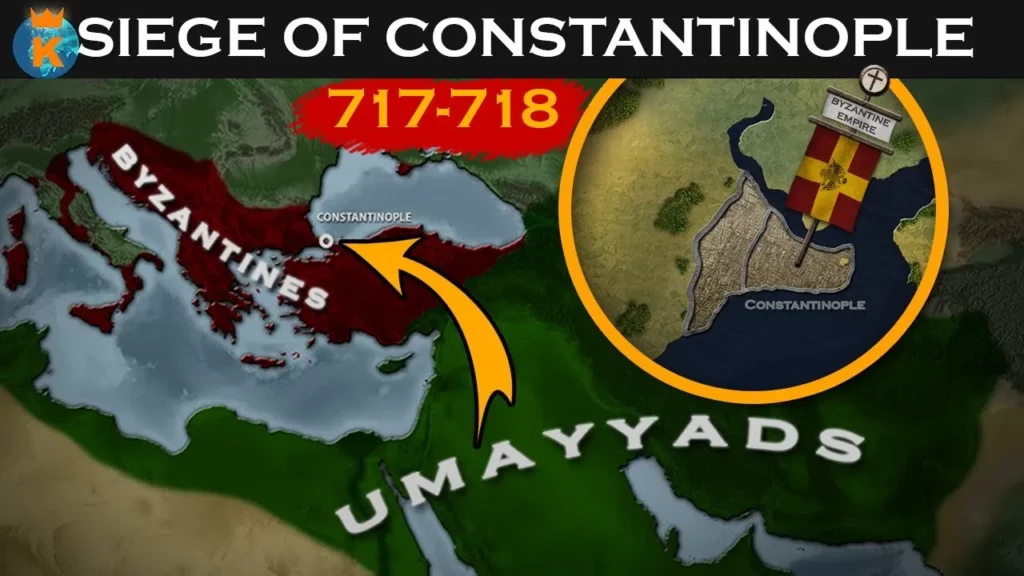
The lesson explores the pivotal Siege of Constantinople in 717 AD, where the Byzantine Empire, under Emperor Leo III, successfully defended against a massive Arab invasion led by Prince Muslima. Despite internal strife and external threats, the Byzantines utilized their formidable defenses, strategic naval advantages, and the harsh winter conditions to repel the siege, ultimately preserving their empire and altering the course of European and Islamic history. This victory not only safeguarded Constantinople but also marked a significant turning point in the ongoing conflict between the Byzantine and Islamic empires.
The Peak of the Ottoman Empire – History of the Ottomans (1500 – 1600)
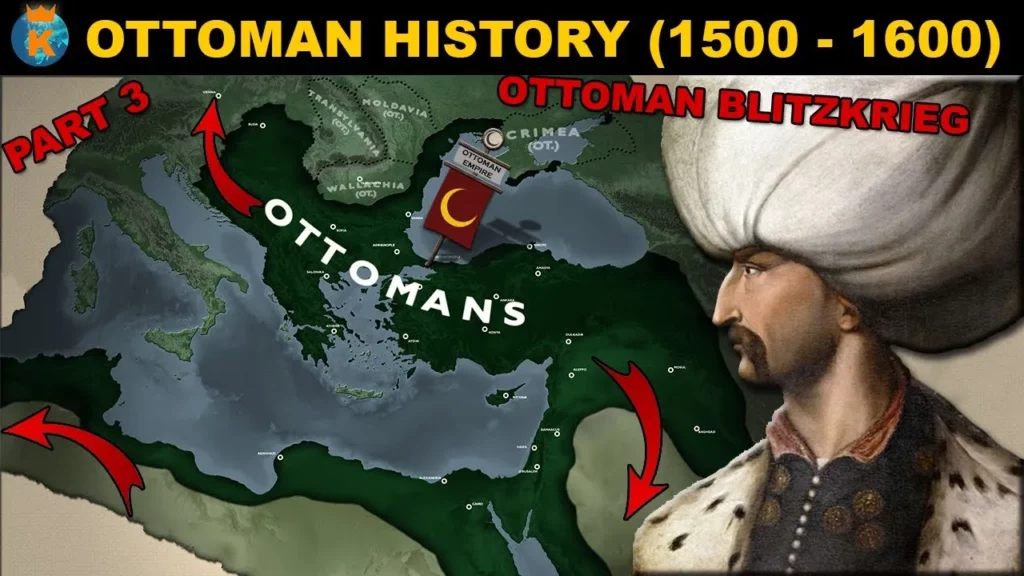
The lesson covers the peak of the Ottoman Empire during the 16th century, highlighting significant military victories, internal power struggles, and cultural advancements. Under leaders like Selim I and Suleiman the Magnificent, the empire expanded its territory and influence through military campaigns and legal reforms, while also facing challenges such as internal unrest and economic difficulties. The century ended with Mehmet III navigating external alliances and securing a peace agreement, setting the stage for the empire’s transition into the 17th century.
THE HISTORY OF THE PHILIPPINES in 12 minutes (OLD VIDEO)
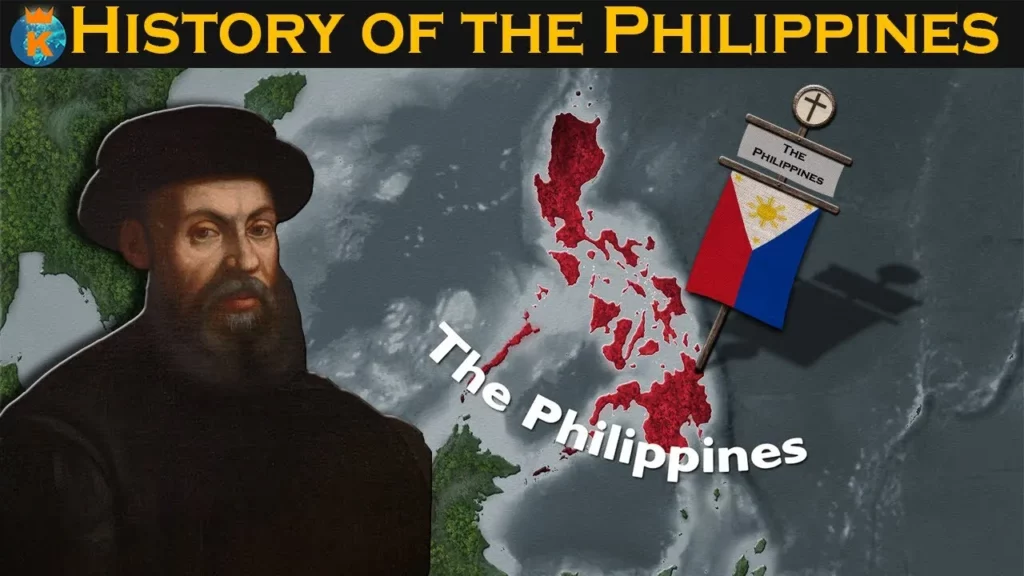
The lesson outlines the rich and complex history of the Philippines, beginning with the arrival of its first inhabitants around 60,000 years ago and the subsequent development of diverse societies. It highlights significant cultural exchanges, the emergence of trade networks, the impact of colonization by Spain and later the United States, and the struggles for independence, culminating in the establishment of the Republic of the Philippines in 1946. The lesson concludes with a brief overview of the modern political landscape, marked by periods of dictatorship and democratic transitions.
Why did the Ayyubid Empire Collapse?
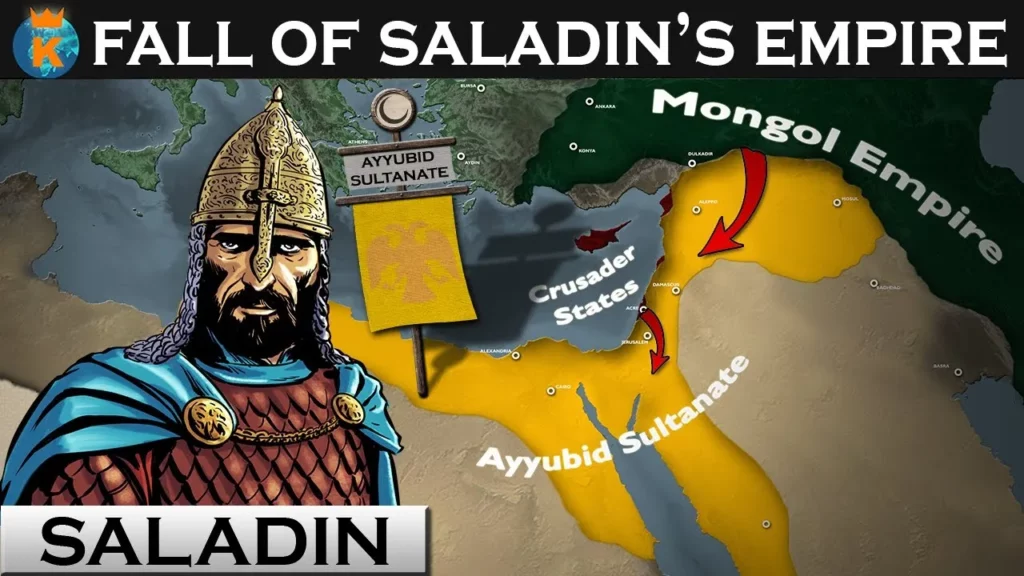
The Ayyubid Empire, founded by Saladin in the 12th century, experienced significant economic and cultural achievements while opposing the Crusaders and promoting Sunni Islam. However, internal disunity and external pressures, particularly from the Mamluks and Mongols, led to its decline and eventual collapse, with the dynasty losing control over its territories by the late 13th century. The last remnants of the Ayyubid dynasty persisted in southeastern Anatolia until the rise of the Ottoman Empire in the 16th century.
Why was Spain Neutral in WW2?
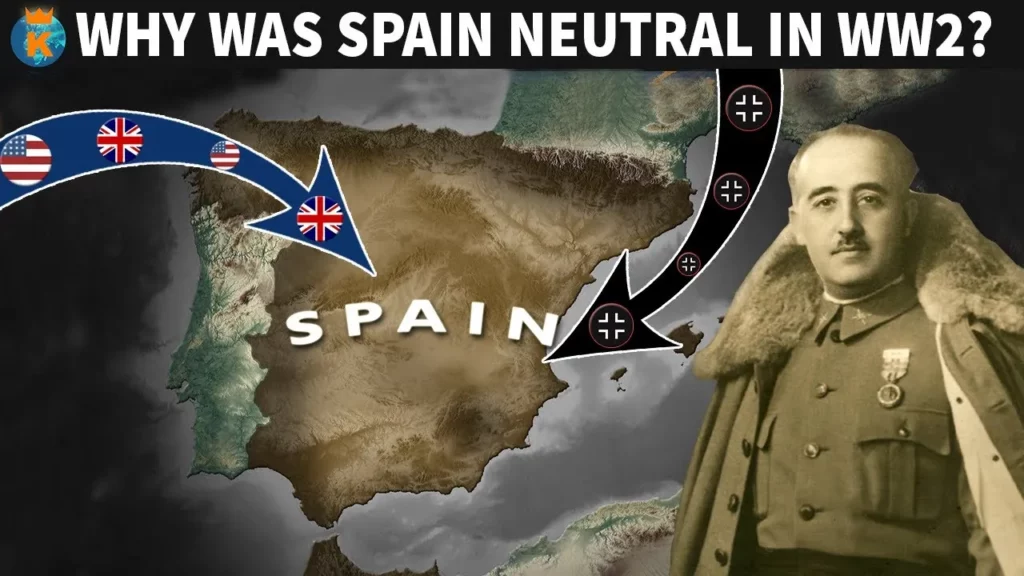
During World War II, Spain maintained a unique position of neutrality and non-belligerence, largely influenced by the aftermath of its own Civil War and the leadership of dictator Francisco Franco. Although Franco shared ideologies with the Axis powers and allowed some limited involvement, such as the Blue Division of Spanish volunteers fighting alongside Germany, he ultimately sought to avoid direct conflict to protect Spain’s interests and stability. This careful balancing act enabled Spain to navigate the war’s challenges while preserving its sovereignty and avoiding the devastation experienced by many other European nations.
The Mexican-American War – Explained in 16 minutes
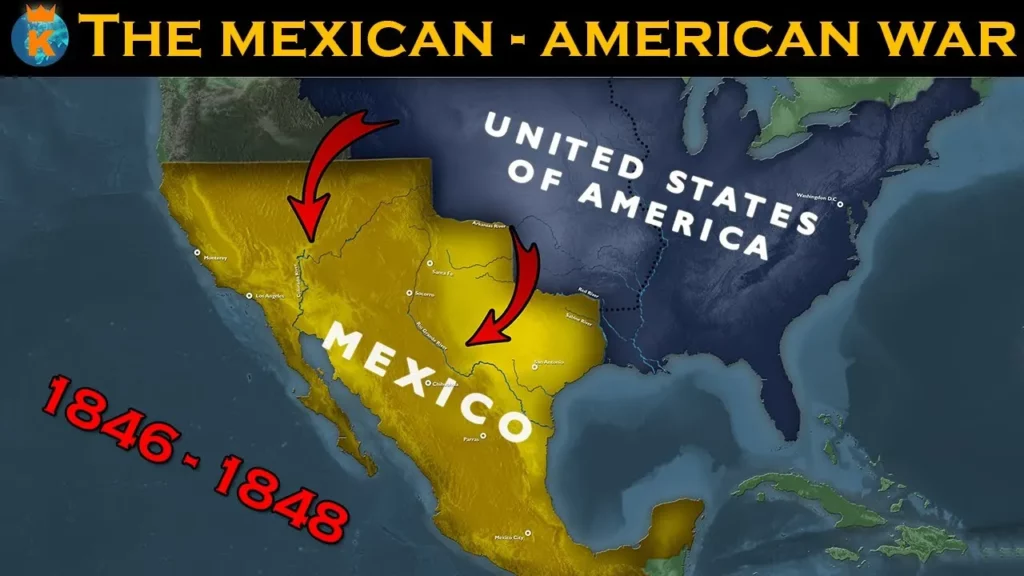
The Mexican-American War, which began in 1846, stemmed from Mexico’s internal instability and the U.S.’s desire for territorial expansion, particularly after the annexation of Texas. The conflict escalated following a skirmish between U.S. and Mexican troops, leading to significant U.S. victories and the eventual capture of Mexico City. The war concluded with the Treaty of Guadalupe Hidalgo, resulting in the U.S. acquiring vast territories, including Texas and California, and raising important questions about the future relations between the two nations.
How did The British Empire rule the World?
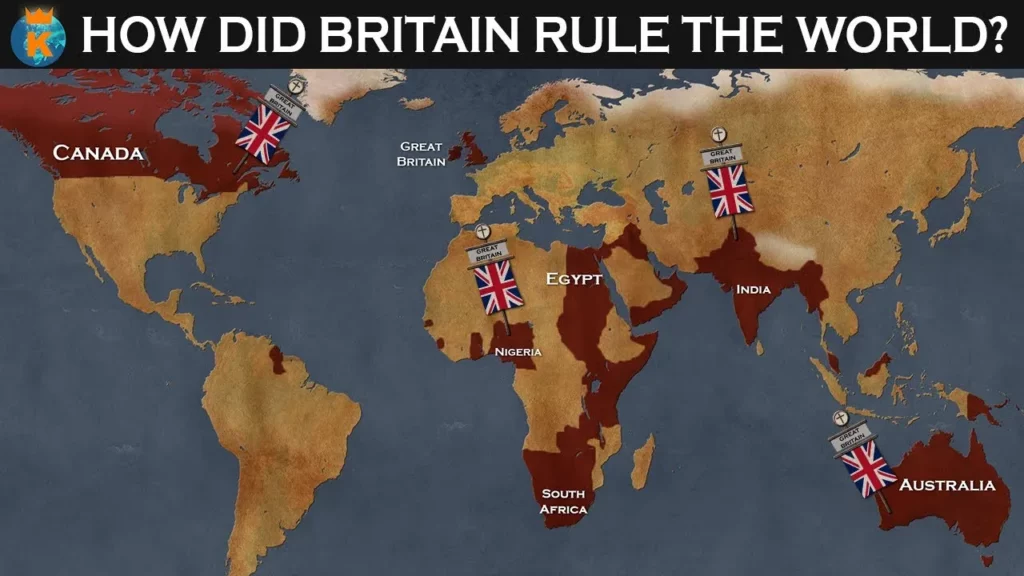
The lesson explores how the British Empire became the largest empire in history through its strategic geographical advantages as an island nation, which facilitated naval power and trade over military conquest. It highlights the importance of the Royal Navy, the establishment of trade-focused colonies, and the role of the British East India Company in expanding British influence across various continents. Despite facing conflicts, the Empire’s peak saw it controlling a significant portion of the world’s land and population, driven by its emphasis on trade and economic growth.