
All About Moose for Kids: Animal Videos for Children
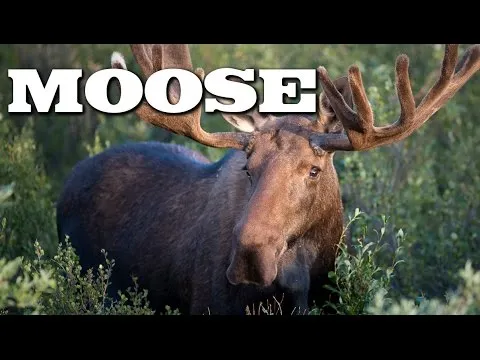
The lesson explores the fascinating characteristics and behaviors of moose, North America’s tallest mammals. It highlights their impressive physical traits, dietary habits, social behavior, and habitat preferences, emphasizing their adaptability to cold environments. Additionally, the lesson discusses the unique mating rituals of male moose and their solitary nature, showcasing the beauty and strength of these remarkable animals in the wild.
All About Auroras: Aurora Borealis (Northern Lights) and Aurora Australis for Kids
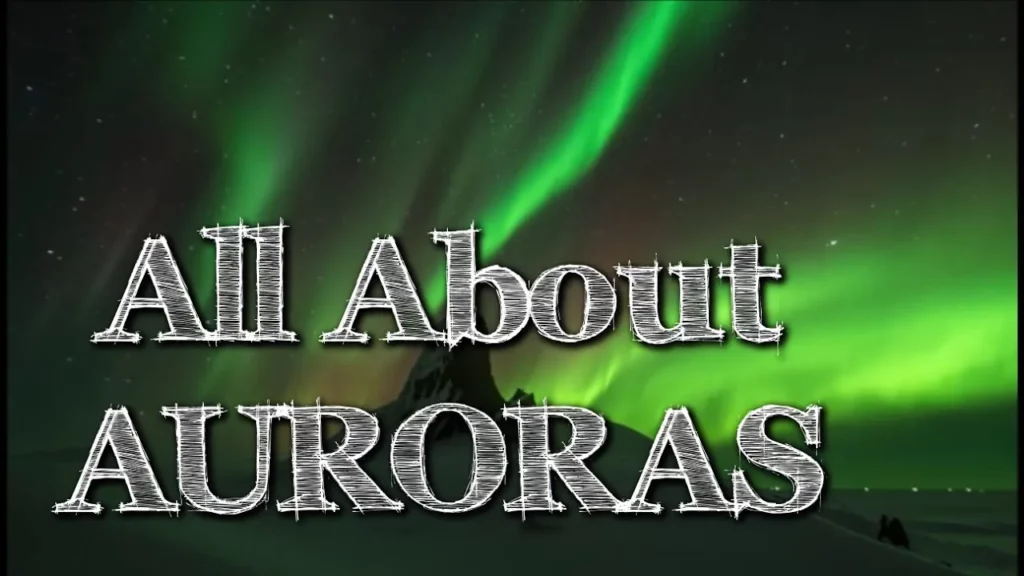
The lesson explores the cultural significance, scientific understanding, and viewing opportunities of auroras, highlighting their historical interpretations across various cultures and their mesmerizing visual displays near the Earth’s poles. Auroras, caused by solar wind interacting with Earth’s magnetic field, create stunning light shows that have captivated humanity for centuries and can also be observed on other planets. Ultimately, they serve as a reminder of the intricate relationship between our planet and the sun, inspiring curiosity about the universe.
All About Hummingbirds for Kids – Hummingbird Facts for Children: FreeSchool
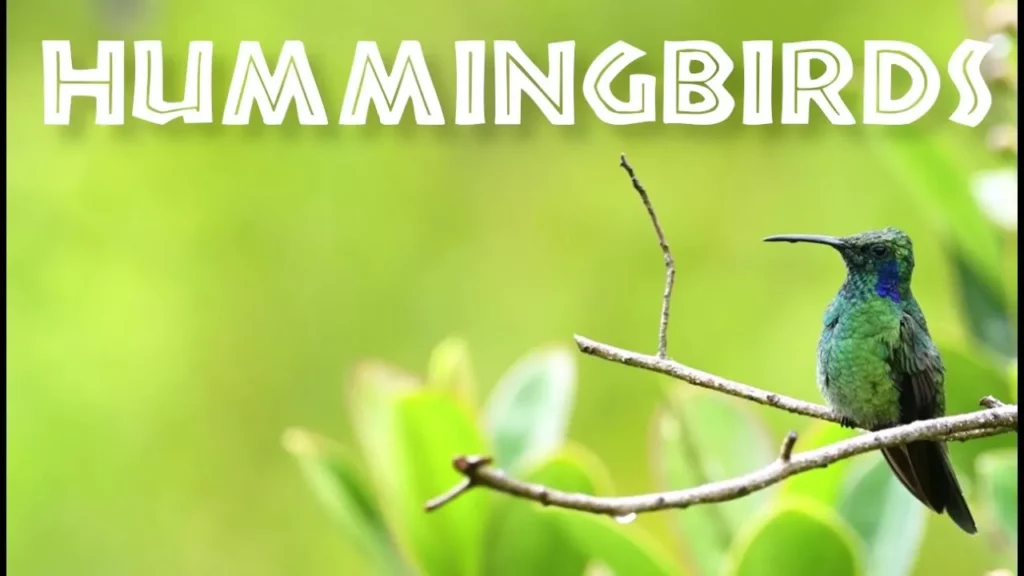
The lesson explores the fascinating world of hummingbirds, highlighting their unique characteristics, feeding habits, migration patterns, and nesting behaviors. These tiny birds are known for their vibrant colors, exceptional flying abilities, and the intricate nests they build. Their adaptability and resilience in various environments make them remarkable creatures that add wonder to our natural world.
The Planet Mercury: Astronomy and Space for Kids
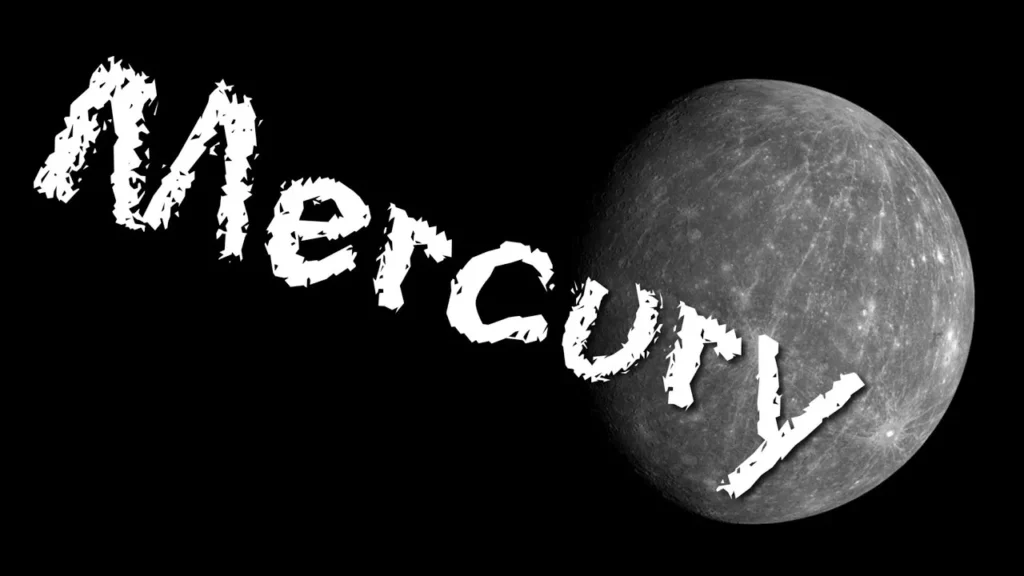
The lesson explores Mercury, the smallest and closest planet to the sun, highlighting its unique characteristics such as its visibility challenges, rapid orbit, and extreme temperature fluctuations. Despite being observed for over 2,000 years, much about Mercury remains unknown, with significant discoveries made by missions like Mariner 10 and MESSENGER revealing its geological features and past volcanic activity. Ongoing research aims to deepen our understanding of this intriguing planet.
The Steps of the Scientific Method for Kids – Science for Children: FreeSchool
The lesson introduces the Scientific Method, a structured approach that scientists use to explore questions and discover answers about the world. It outlines six key steps: asking a question, making observations, forming a hypothesis, designing an experiment, analyzing data, and drawing a conclusion. By following these steps, learners can engage in their own scientific inquiries and contribute to understanding various phenomena.
All About Robins: Backyard Bird Series
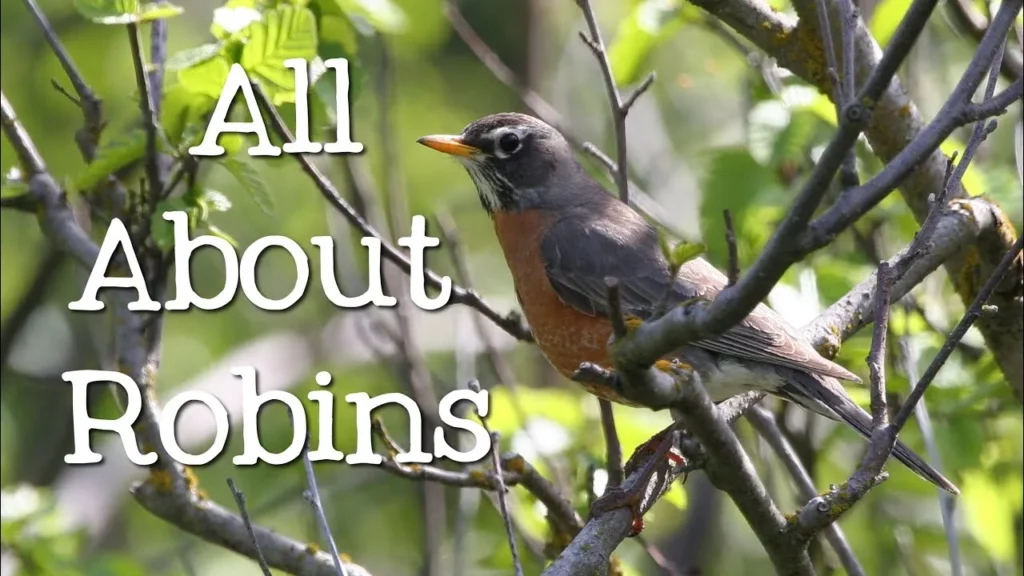
The American robin is a year-round resident in many parts of the United States, easily recognized by its bright reddish-orange belly. These birds primarily feed on earthworms, fruits, and berries, and can be attracted to yards by providing water and specific foods like mealworms and fruit. As the state bird of Connecticut, Michigan, and Wisconsin, robins are cherished for their presence and contribute significantly to the North American landscape.
Intro to Symmetry: All About Symmetry for Kids
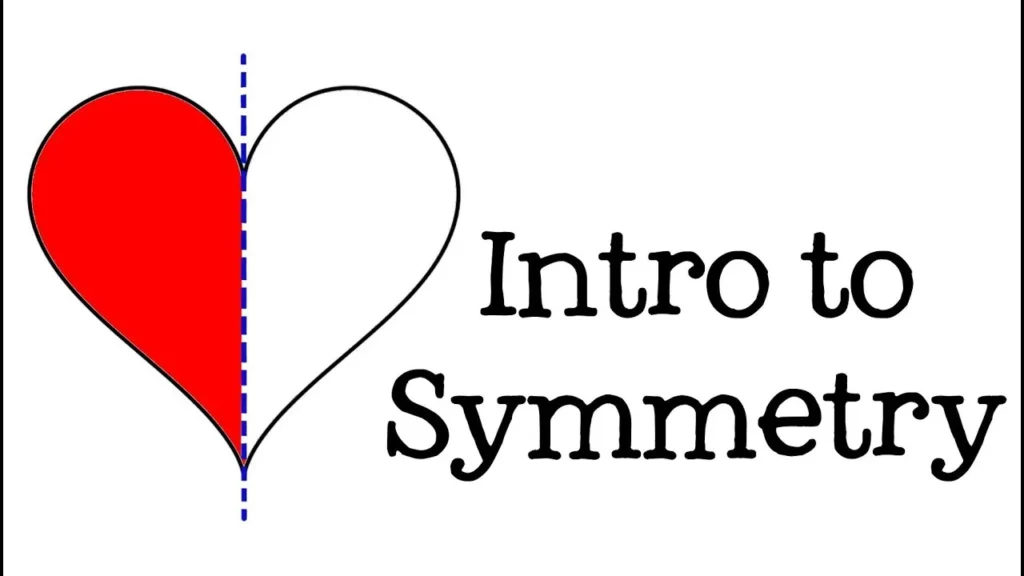
This lesson introduces the concept of symmetry, focusing on reflectional symmetry, which involves dividing shapes into two identical parts along an imaginary line called the line of symmetry. It highlights various examples of symmetrical objects, such as triangles and squares, and emphasizes the presence of symmetry in nature, like in butterflies. The lesson encourages students to observe and identify symmetrical patterns in their everyday surroundings.
The Eiffel Tower for Kids: Famous World Landmarks for Children
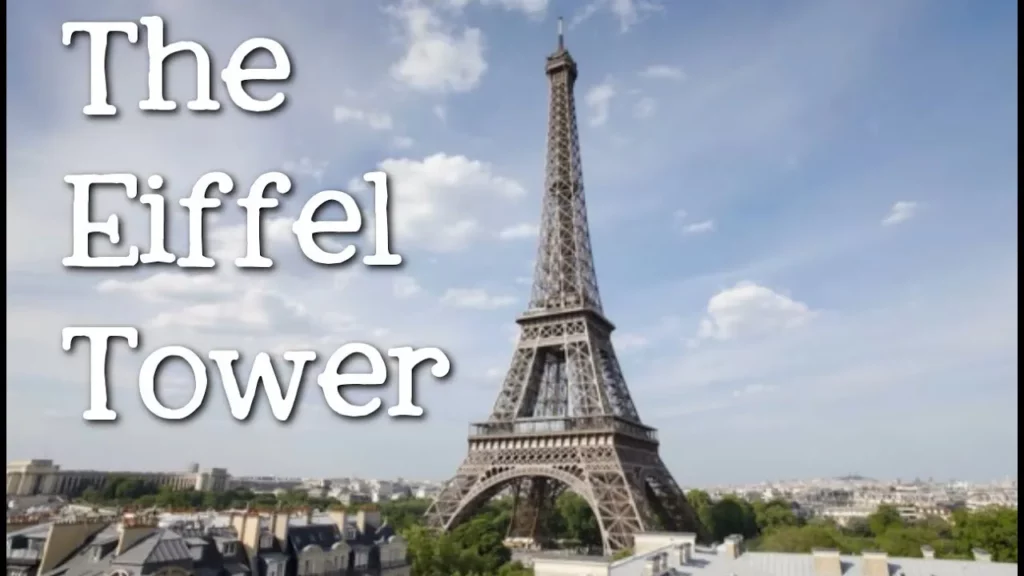
The Eiffel Tower, an iconic symbol of France, was constructed for the 1889 World’s Fair to commemorate the French Revolution and designed by engineer Alexandre-Gustave Eiffel. Initially met with skepticism and intended to be temporary, it became a vital communication hub and is now the most popular paid attraction globally, drawing millions of visitors each year. Its remarkable engineering and cultural significance have transformed it from a controversial structure into a cherished landmark and UNESCO World Heritage Site.
All About Reptiles: What Makes it a Reptile?
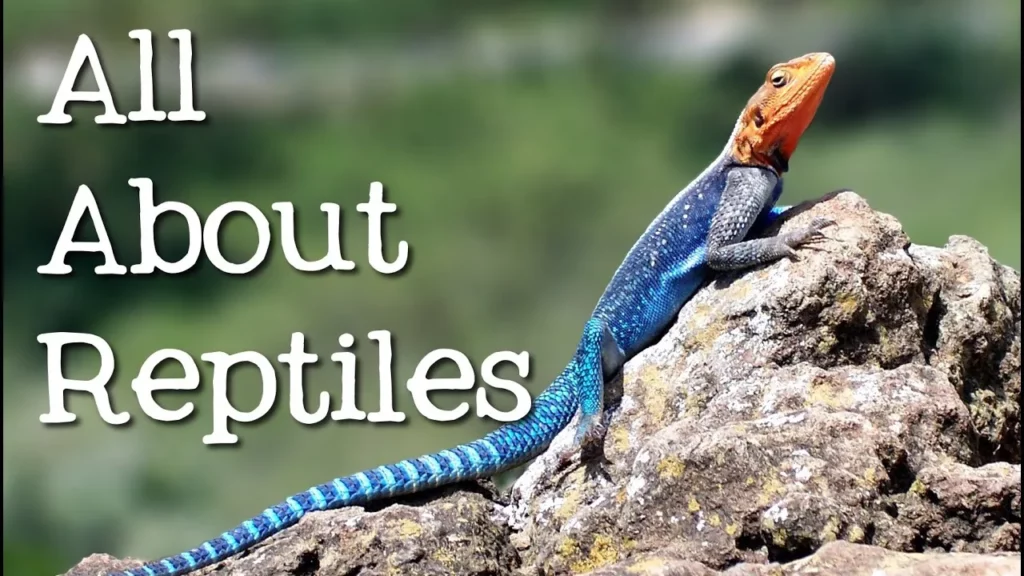
The lesson “Discovering Reptiles: A Fun Guide” introduces students to the unique characteristics and habitats of reptiles, emphasizing their cold-blooded nature and the importance of warmth in their environments. It highlights the distinct features of reptiles, such as their scaly skin and reproductive methods, including egg-laying and live births. The lesson concludes by encouraging appreciation for these diverse creatures and understanding their specific care requirements, especially for those kept as pets.
Intro to Fractions: All About Fractions for Kids
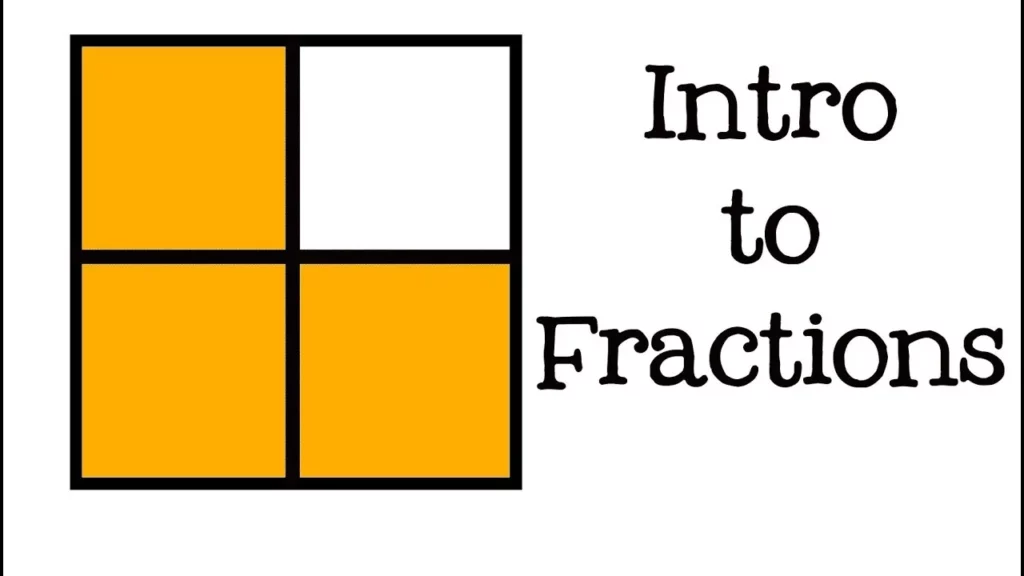
This lesson introduces the concept of fractions as a way to represent parts of a whole, using relatable examples like sharing pizza and pie. It explains different types of fractions, such as halves, thirds, and fourths, and emphasizes the importance of simplifying fractions to understand their equivalence. Overall, the lesson highlights the practical applications of fractions in everyday life, encouraging learners to recognize their usefulness in various situations.