
Why was Turkey Neutral in WW2?
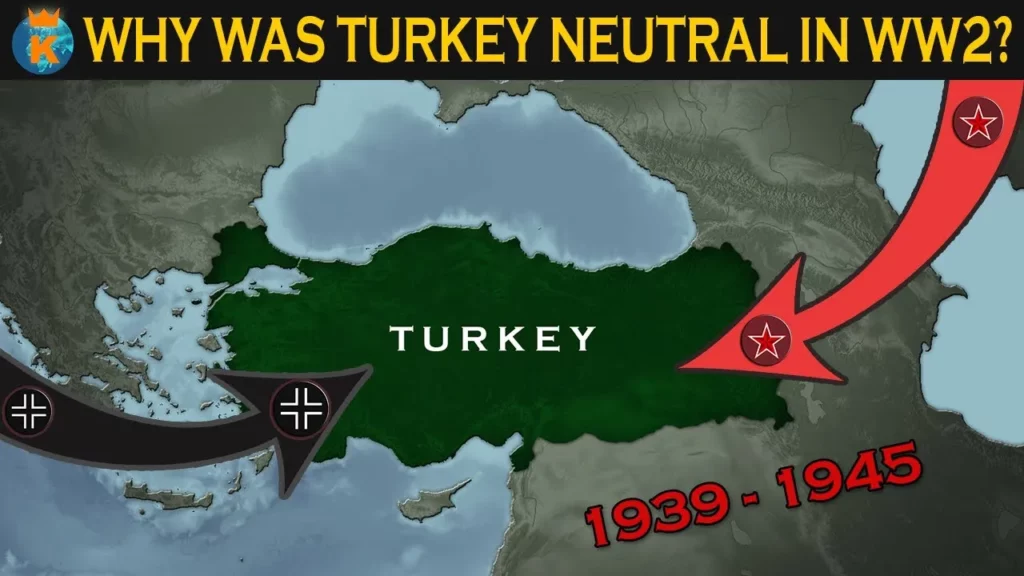
Turkey maintained a neutral stance during World War II under President Ismet İnönü, influenced by the traumatic experiences of World War I and the desire for internal development. Despite pressures from both the Axis and Allied powers, Turkey strategically navigated its position, ultimately benefiting economically while avoiding direct conflict. By the end of the war, Turkey declared war on Germany and Japan in a largely symbolic gesture, positioning itself as a founding member of the United Nations and emerging from the conflict in a stronger state than after World War I.
Why did The Lombards Collapse?
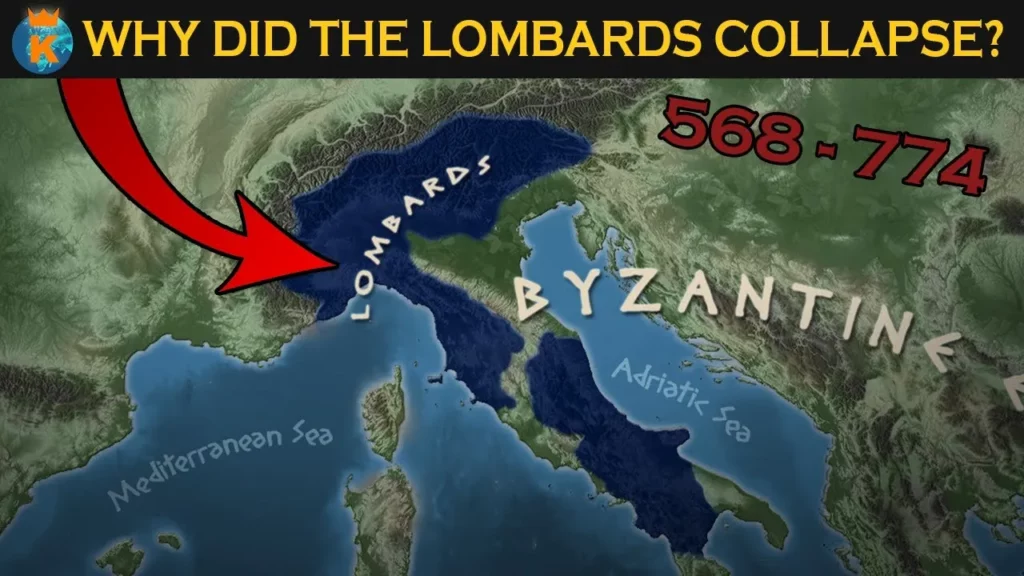
The lesson explores the rise and fall of the Lombard Kingdom in Italy, highlighting its initial expansion and subsequent instability due to a decentralized power structure and internal conflicts. Key events, such as the assassination of King Alboin and the civil strife between Arian Christians and Catholics, contributed to the kingdom’s challenges. Ultimately, the Lombards’ inability to effectively assimilate with the Italian populace and the external pressures from the Franks and the Papacy led to their collapse in the 8th century.
What was the Role of Austria as part of Germany in WW2?
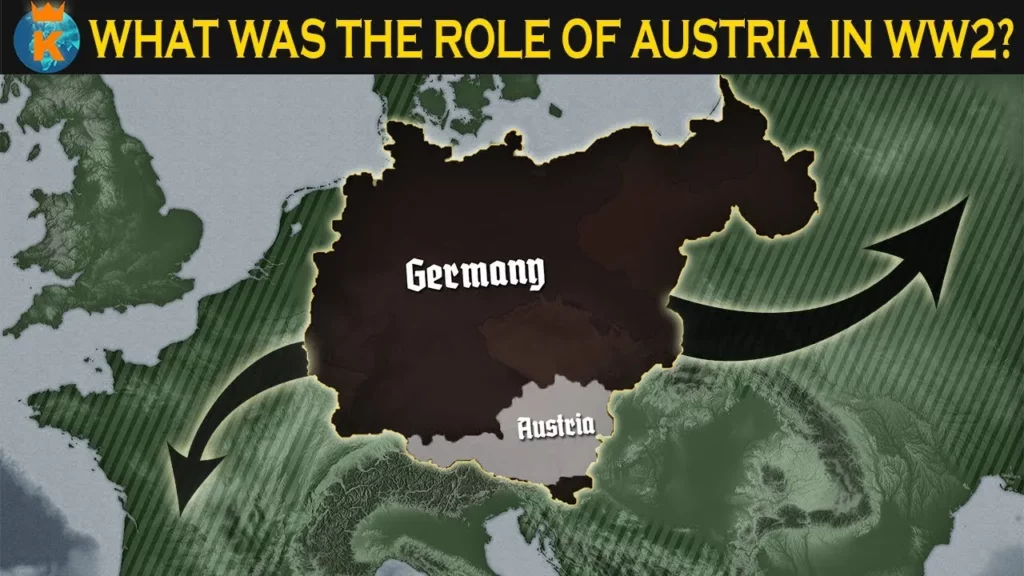
Austria’s role in World War II was marked by its annexation into Germany through the Anschluss in 1938, which was supported by many Austrians due to shared cultural ties. During the war, Austria contributed to Germany’s military efforts, but as the conflict progressed and the tide turned against Germany, support for the war diminished. Ultimately, Austria regained its independence in 1945, with the Allies recognizing it as a victim of German aggression, leading to the establishment of a sovereign state free from future unification with Germany.
How many people still believe in Roman/Greek Gods?

The lesson explores the historical significance and modern relevance of Greek and Roman gods, highlighting their origins and the transition from ancient worship to contemporary beliefs. While the majority of the world’s population adheres to monotheistic religions, there is a small resurgence of interest in ancient polytheistic practices, particularly in Greece, where organizations are working to revive these traditions. Despite the limited number of active practitioners today, the fascination with these mythologies continues to inspire storytelling and cultural events worldwide.
How was Indonesia colonized by the Dutch?
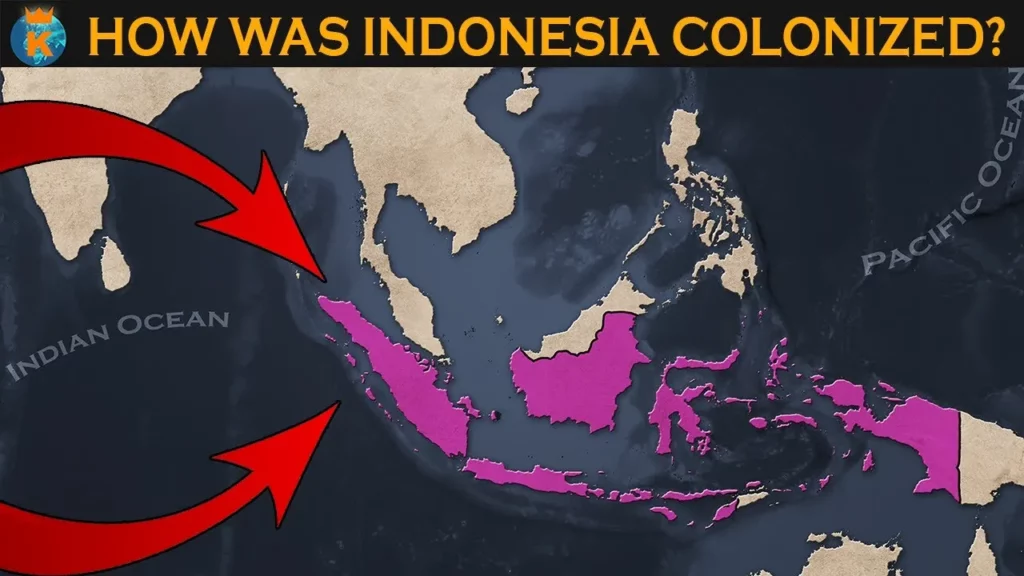
The lesson on Indonesia’s colonization by the Dutch outlines the intricate history of exploration, trade, and conflict that began in the late 16th century when the Dutch sought to dominate the lucrative spice trade in the archipelago. The establishment of the Dutch East Indies Company (VOC) in 1602 marked a significant consolidation of Dutch power, leading to territorial expansion and the eventual establishment of Batavia as a key trading hub. Despite the VOC’s decline and the challenges faced during the 18th and 19th centuries, Dutch colonial rule persisted until Indonesia declared independence in 1945, highlighting the lasting effects of colonialism on the region’s diverse cultures.
The Spanish-American War – Explained in 11 minutes
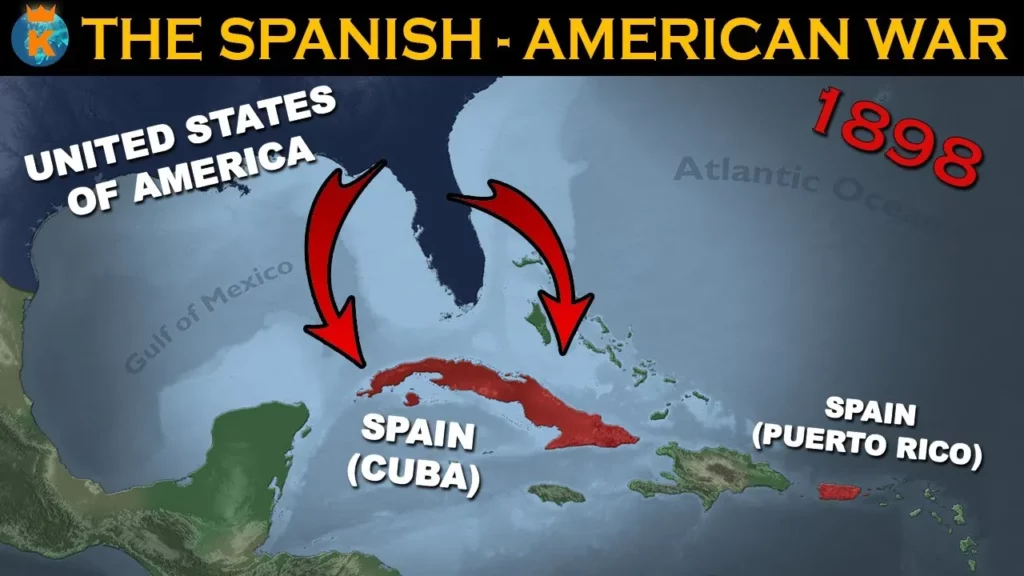
The Spanish-American War marked a pivotal shift in global power dynamics, ending Spain’s colonial rule in the Americas and establishing the United States as an emerging global power. Fueled by growing tensions over Cuba’s fight for independence and sensationalist journalism, the conflict escalated following the explosion of the USS Maine, leading to U.S. intervention and decisive victories in key battles. The war concluded with the Treaty of Paris, which resulted in significant territorial gains for the U.S. and initiated a period of American imperialism, while leaving Spain to grapple with the loss of its empire.
Story of Vlad The Impaler – All parts
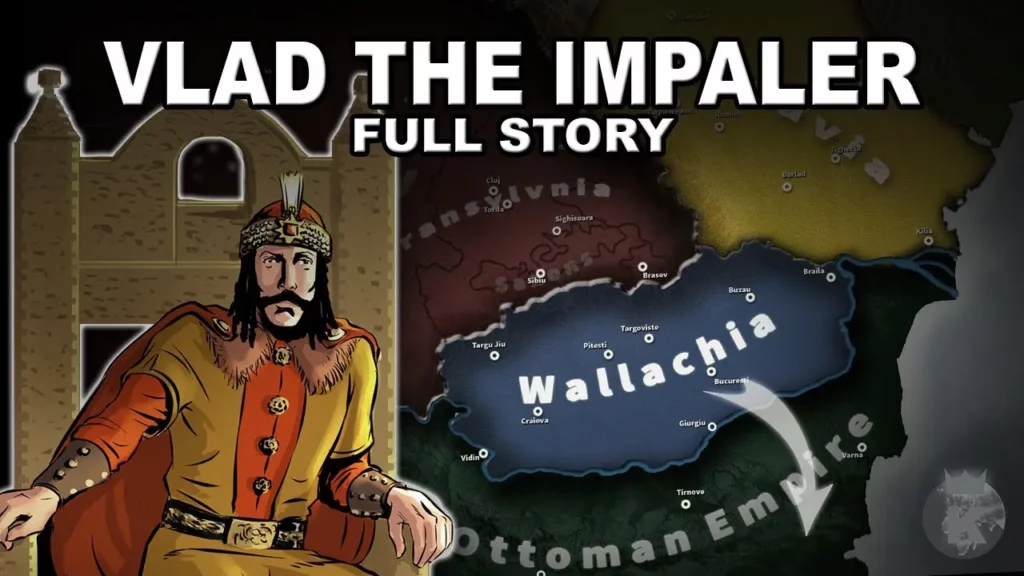
The lesson explores the life of Vlad III Dracula, known as Vlad the Impaler, highlighting his early life, political challenges, and reigns as the Voivode of Wallachia. Born into a noble lineage, Vlad faced significant political turmoil, including captivity by the Ottomans, but ultimately consolidated power through controversial methods, including impalement, to maintain control and stability in a chaotic era. His legacy is a complex interplay of brutality and effective governance, making him a fascinating figure in history.
Why didn’t the Ottomans conquer Italy?
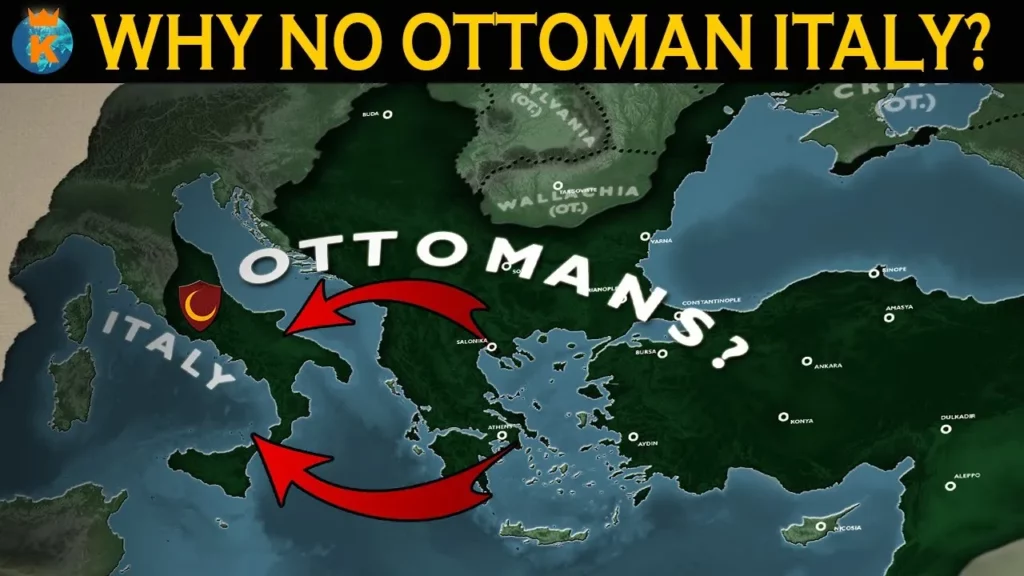
The lesson explores the reasons behind the Ottoman Empire’s failure to conquer Italy despite its military strength and ambitions. Key factors included geographical barriers, strong resistance from local leaders like Skanderbeg in Albania, internal instability within Italy, and the Ottomans’ involvement in other conflicts that diverted their attention. Ultimately, while they briefly captured Otranto in 1480, a combination of logistical challenges and political turmoil led to their withdrawal and inability to establish a lasting presence in Italy.
The Third Balkan War – Explained in 20 minutes | Balkans during WW1
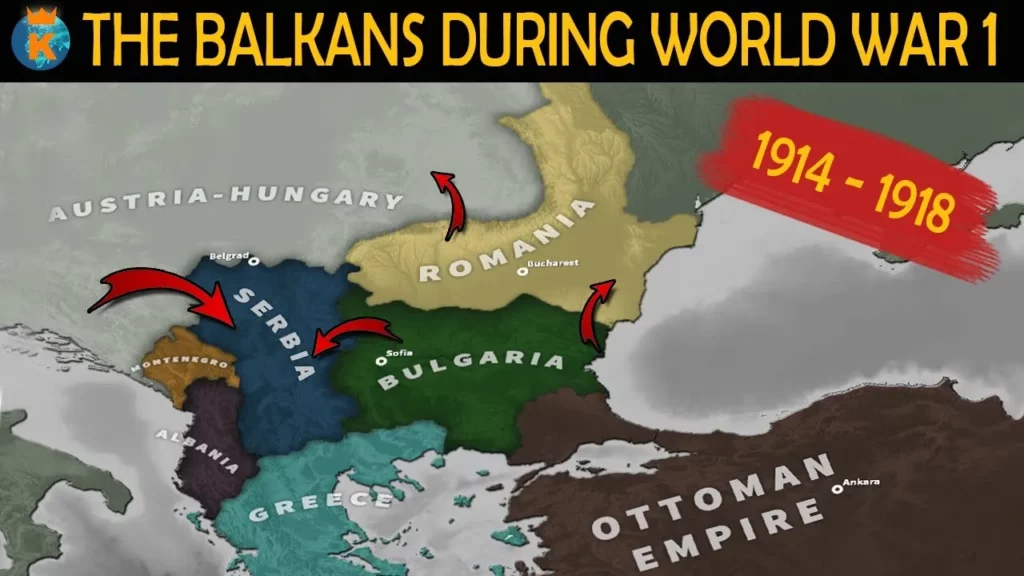
The lesson explores the complex history of the Balkans leading up to World War I, highlighting the region’s previous conflicts, particularly the First and Second Balkan Wars, which set the stage for further tensions. The assassination of Archduke Franz Ferdinand acted as the catalyst for the war, triggering a series of alliances and declarations of war that engulfed Europe. Ultimately, the lesson emphasizes the intricate web of national interests and alliances in the Balkans, illustrating how these factors contributed to both the immediate conflict and the ongoing struggles in the region.
Why didn’t Communism Collapse in China as in other countries?
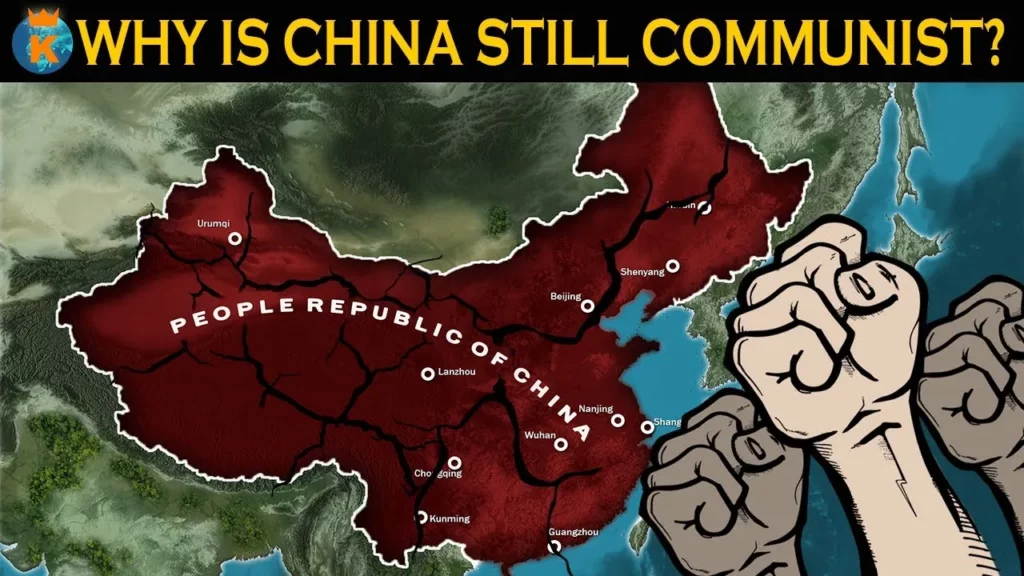
The lesson explores why communism has persisted in China while it collapsed in many other countries, highlighting the historical roots of communism in China, the challenges faced by the Chinese Communist Party (CCP), and the eventual establishment of the People’s Republic of China. It emphasizes the significant economic reforms initiated by Deng Xiaoping, which introduced a blend of socialist and capitalist principles, leading to substantial economic growth and poverty reduction. This unique combination of ideologies has allowed China to maintain political stability and thrive as a global power.