
Crusade of Varna, 1444 – The Ottoman Empire becomes a Superpower
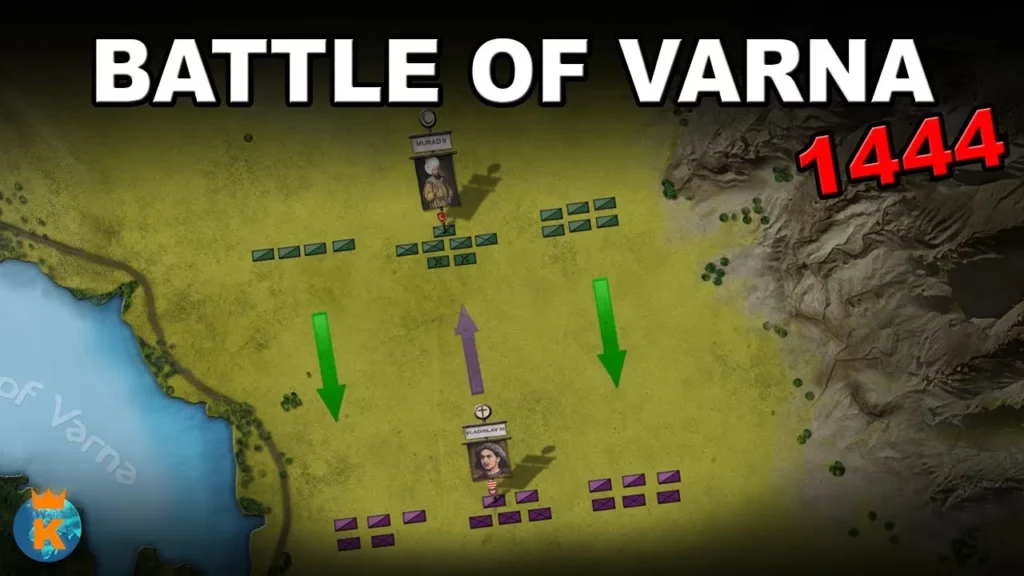
The Crusade of Varna in 1444 highlights the Ottoman Empire’s strategic expansion amidst the fragmented political landscape of the Balkans, where they capitalized on disunity among Christian kingdoms. Despite initial successes by the Crusader forces, led by King Vladislav and military leader Hunyadi, the Ottomans secured a decisive victory at Varna, leading to further instability in Hungary and solidifying Ottoman dominance in the region. This event underscored the importance of unity and strategic leadership, ultimately paving the way for the Ottomans to capture Constantinople in 1453 and establish themselves as a major superpower.
HISTORY OF INDONESIA in 12 Minutes
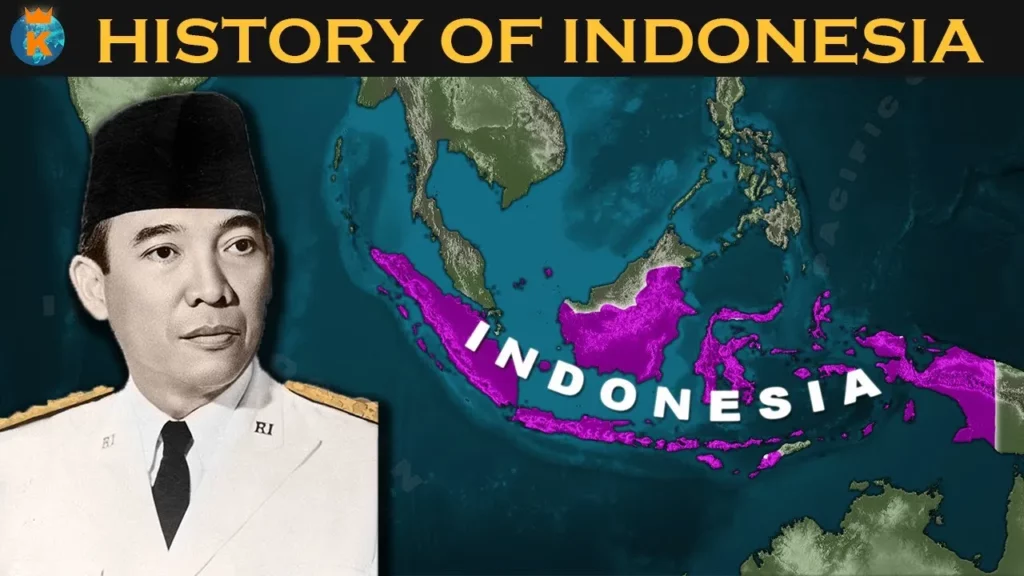
The lesson provides a concise overview of Indonesia’s rich history, tracing its evolution from early human settlements and ancient civilizations influenced by trade with India and China, to the rise and fall of powerful empires like Srivijaya and Majapahit. It highlights the impact of Islam, European colonization, particularly by the Dutch, and the struggle for independence following World War II, culminating in the establishment of a modern democratic republic. Today, Indonesia stands as a diverse and resilient nation with a significant global presence.
How did Germany plan to conquer Britain in WW2? – Operation SeaLion
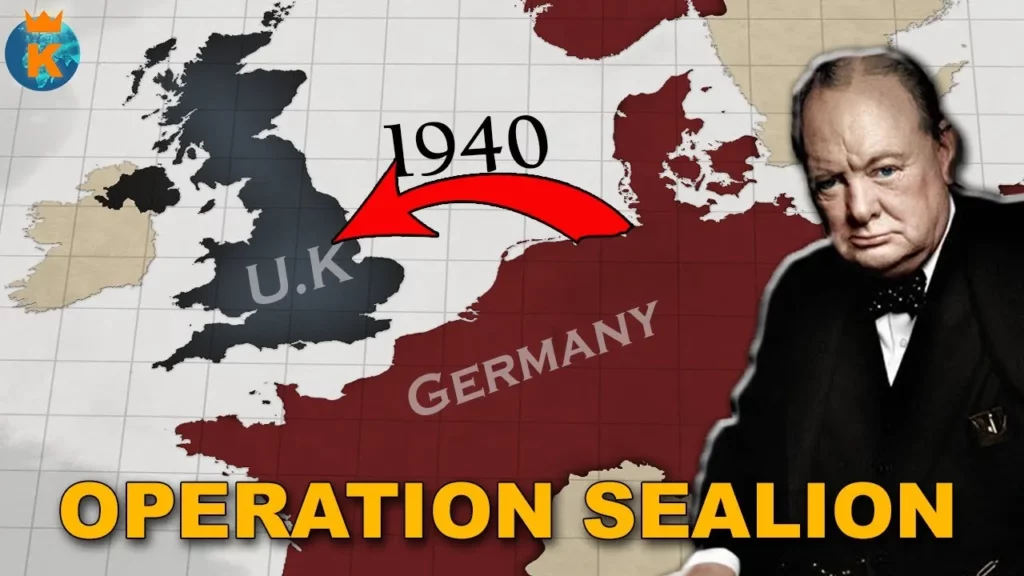
The lesson discusses Germany’s ambitious plan to invade Britain during World War II, known as Operation Sea Lion, which emerged after their rapid victories in Western Europe. Despite initial strategic advantages, Germany faced significant challenges, including the need for air and naval superiority, which they ultimately failed to achieve. The resilience of Britain’s Royal Air Force and Navy, coupled with strategic miscalculations by German leadership, led to the postponement and eventual cancellation of the invasion, marking a pivotal moment in the war.
THE HISTORY OF INDIA in 12 Minutes – Part 1
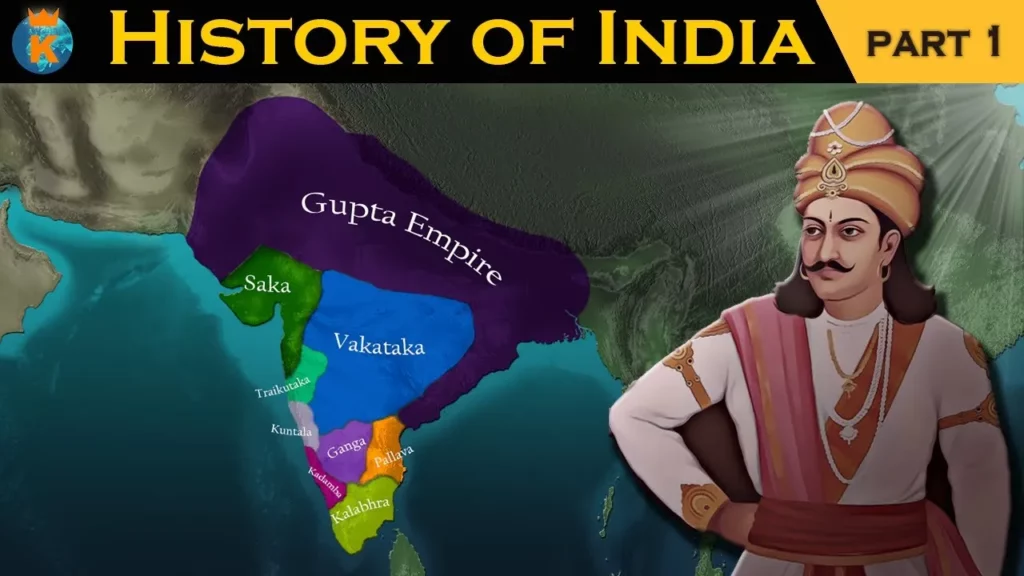
The lesson provides an overview of India’s extensive history, highlighting key civilizations such as the Harappan and Vedic Aryans, as well as significant empires like the Mauryan and Gupta. It discusses the influence of Buddhism, the arrival of Islam, and the establishment of the Mughal Empire, culminating in the struggle for independence led by figures like Mahatma Gandhi. This rich tapestry of events illustrates India’s evolution through ancient times to its eventual independence in 1947.
Why wasn’t Bulgaria a part of Yugoslavia?
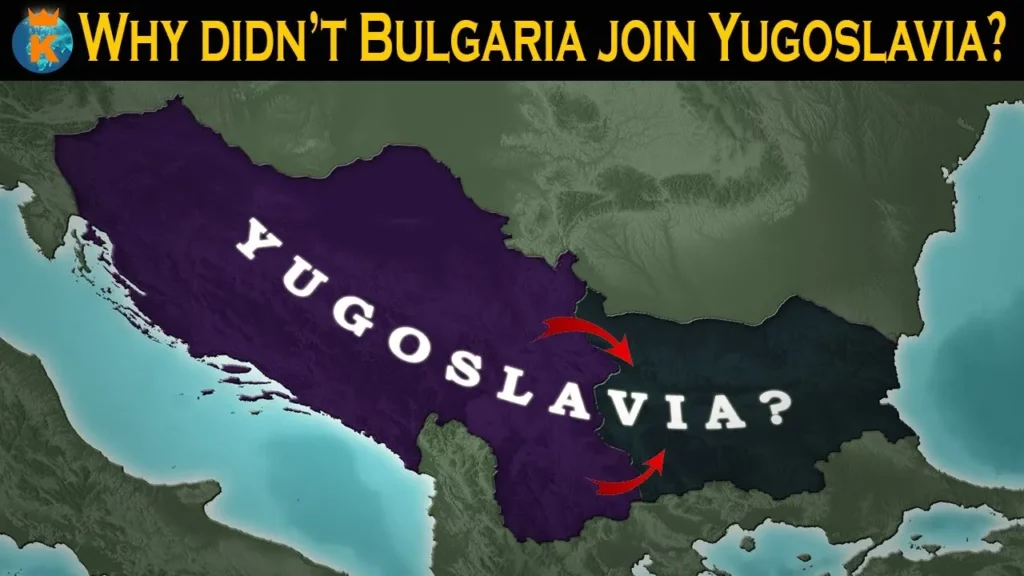
Bulgaria’s exclusion from Yugoslavia can be attributed to a mix of political, ideological, and ethnic factors. The dominance of the Serbian monarchy in the newly formed Yugoslavia, the divergent communist paths taken by Bulgaria and Yugoslavia post-World War II, and ethnic disputes over Macedonia contributed to Bulgaria’s decision to remain independent. Ultimately, this choice allowed Bulgaria to avoid the conflicts that arose during Yugoslavia’s dissolution in the early 1990s.
THE HISTORY OF THAILAND in 10 minutes
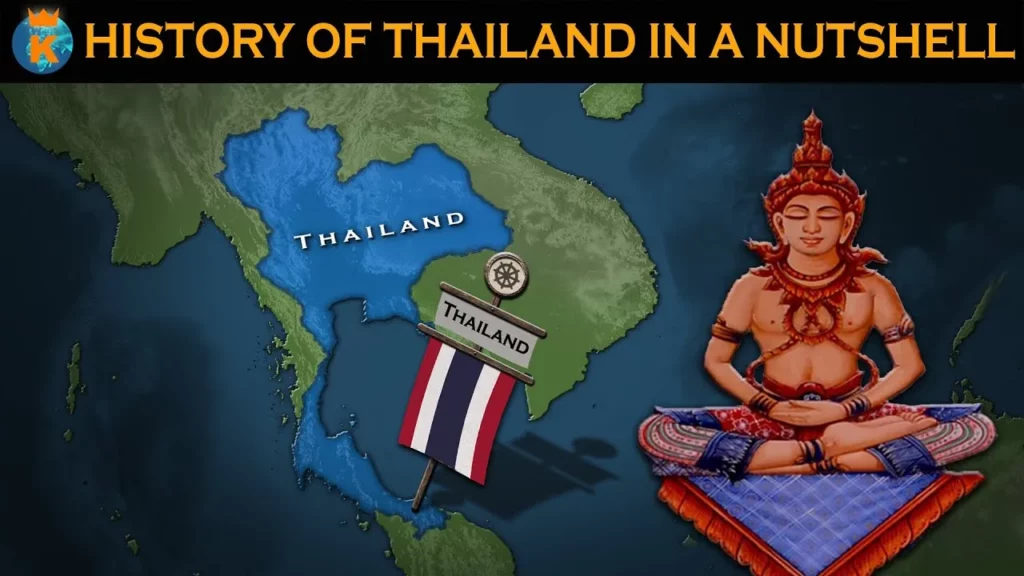
The lesson outlines the rich and complex history of Thailand, beginning with early human habitation and the formation of significant kingdoms such as Sukhothai and Ayutthaya. It highlights key developments, including the establishment of the Chakri Dynasty, modernization efforts under King Mongkut and King Chulalongkorn, and the political challenges faced in the 20th century, leading to the current monarchy under King Vajiralongkorn. Overall, the lesson emphasizes Thailand’s journey from ancient civilizations to a modern nation navigating its historical legacy and contemporary aspirations.
How did Muslims conquer Arabia? – The Start of the Caliphate – Part1
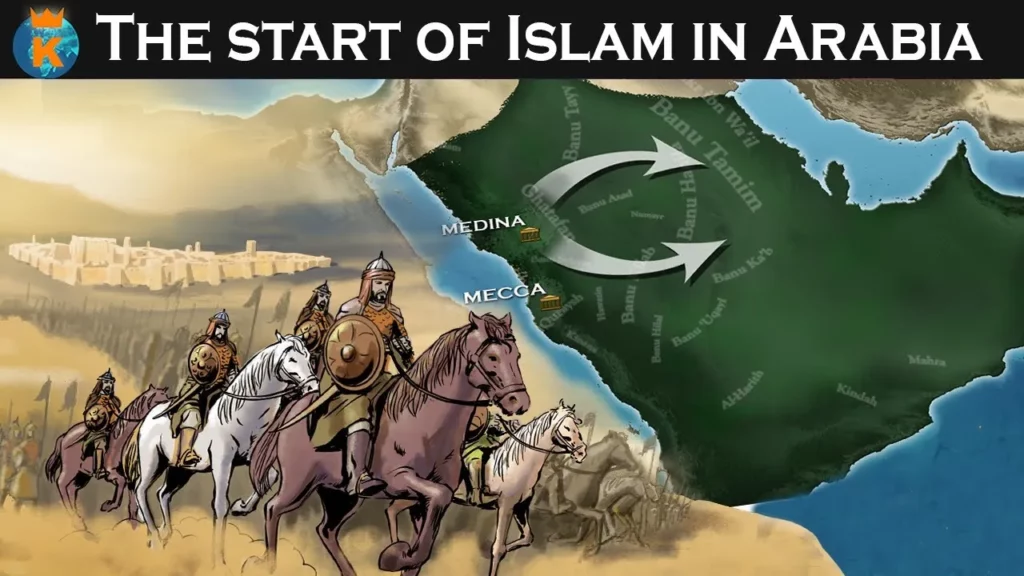
The lesson outlines the early life of the Prophet Muhammad and the foundational events that led to the Muslim conquest of Arabia. It details Muhammad’s upbringing in Mecca, his spiritual revelations, the challenges he faced from the Quraish tribe, and his migration to Medina, where he established the first Muslim community. The lesson culminates in the military confrontations that solidified his leadership, including the pivotal battles and the eventual conquest of Mecca, setting the stage for the expansion of Islam across the Arabian Peninsula and beyond.
Ottoman Raids in Iceland – Explained in 11 Minutes
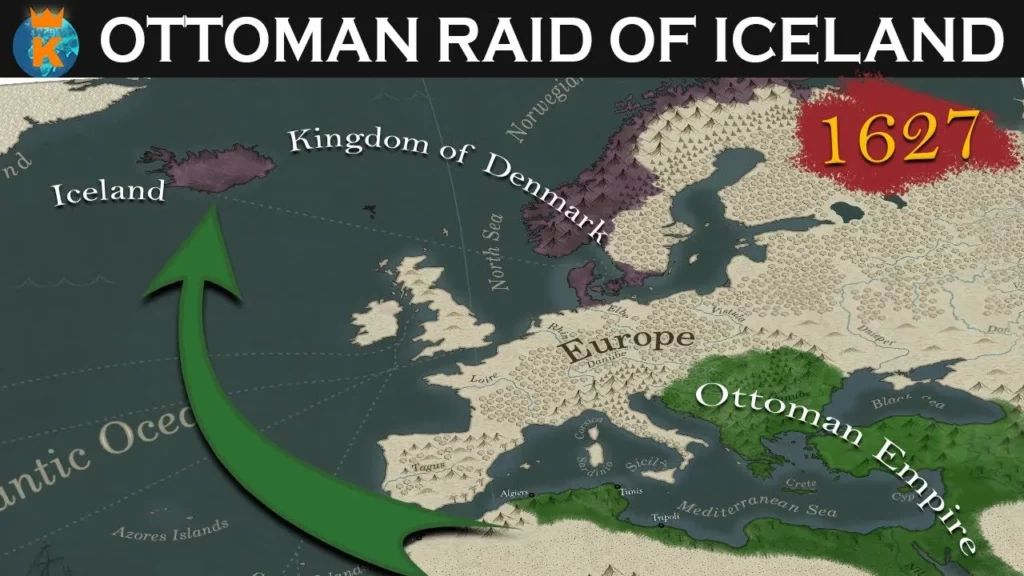
In the early 1600s, Iceland experienced unexpected raids from Barbary pirates influenced by the Ottoman Empire, primarily aimed at capturing locals for the slave trade. The first raid on June 26, 1627, led by Dutch renegade Morad Rais, resulted in the abduction of 15 individuals, while a subsequent raid on July 5 saw over 100 locals captured and significant violence inflicted on the population. Despite the success of these raids, the Ottoman Empire did not intervene due to their focus on internal conflicts and the geographical challenges of reaching Iceland.
The Stagnation of the Ottoman Empire – History of the Ottomans (1600 – 1700)
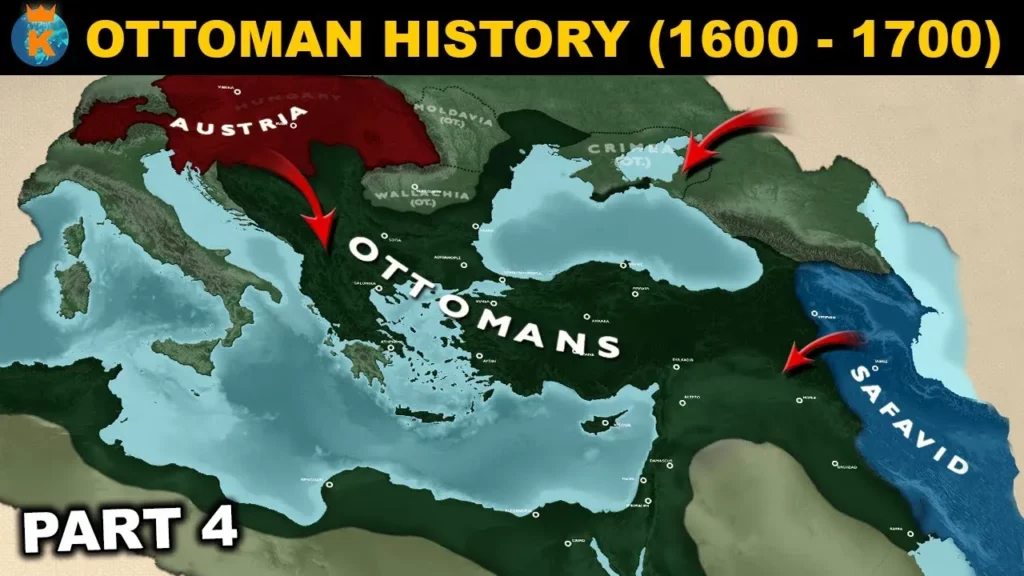
The 17th century marked a period of stagnation and turmoil for the Ottoman Empire, characterized by leadership changes, military conflicts, and internal revolts. Despite attempts at reform and temporary alliances, the empire faced significant territorial losses, particularly against the Habsburgs and Safavids, culminating in the Treaty of Karlowitz in 1699, which diminished Ottoman influence in the Balkans. This era set the stage for the empire’s shift from expansionist ambitions to a focus on border protection and internal stability.
How did the Ottomans start to decline? – History of The Ottomans (1700 – 1800)
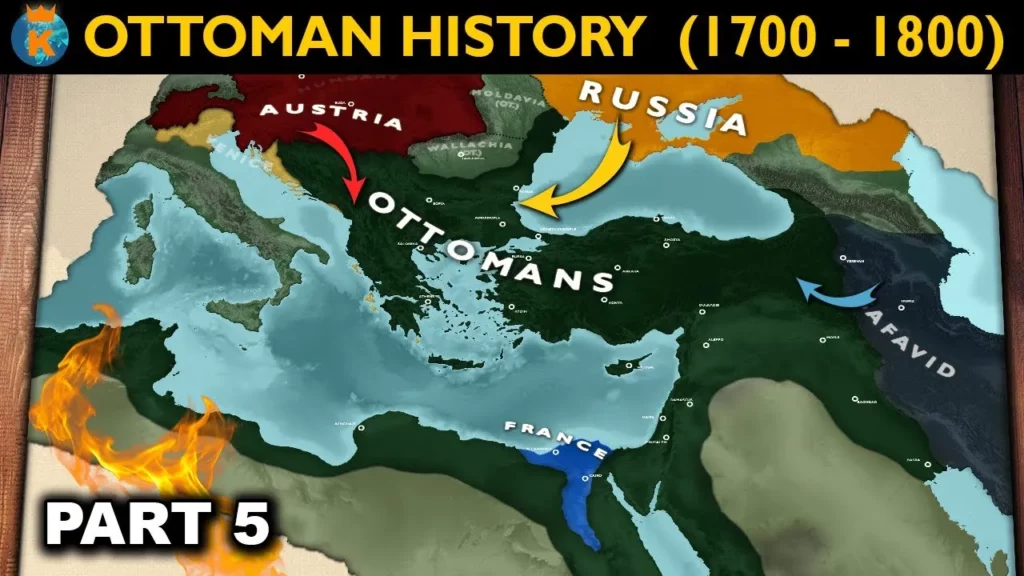
The 18th century marked a pivotal period for the Ottoman Empire, characterized by internal unrest, military conflicts, and attempts at reform in response to external pressures, particularly from European powers like Russia. The empire faced significant challenges, including the dissatisfaction of the Janissaries, territorial losses in wars, and the need for modernization, which led to various reforms under sultans like Selim III. As the century closed, the Ottomans grappled with new threats, such as Napoleon’s invasion of Egypt, prompting further shifts in alliances and governance.