
Egypt Geography/Egypt Country
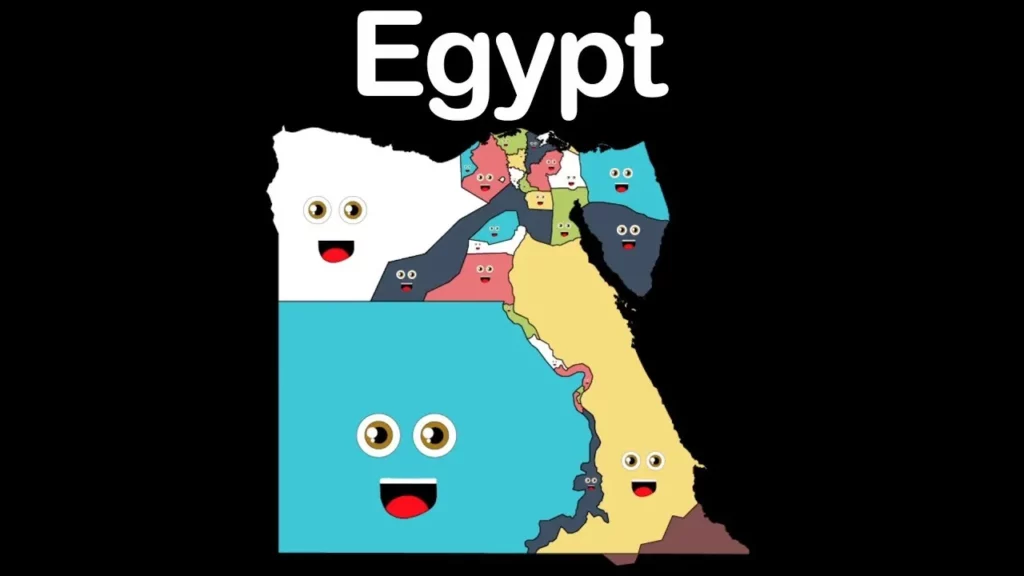
The lesson explores the diverse governorates of Egypt, highlighting their unique features and attractions. From the historical significance of Giza and Luxor to the coastal charm of Port Said and the natural beauty of the Red Sea, each of the 27 governorates contributes to Egypt’s rich cultural tapestry. This journey through Egypt showcases its fascinating history, geography, and the variety of experiences it offers to visitors.
United States Song | 50 States and 9 Divisions of the USA
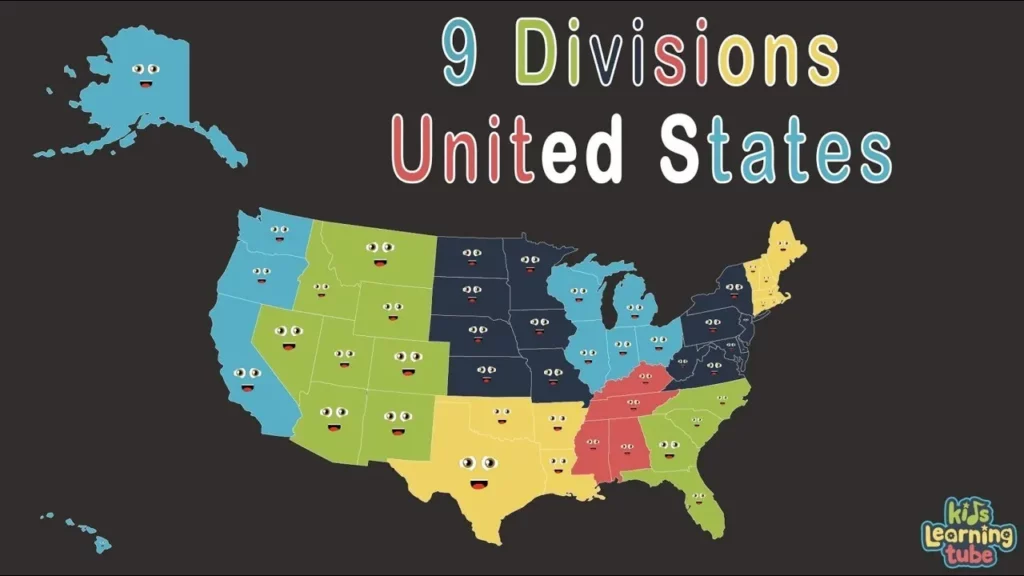
This lesson explores the nine distinct regions of the United States, highlighting their unique features and the states that comprise them. Each region, from the Great Lakes of the East North Central States to the breathtaking landscapes of the Mountain States, offers a rich tapestry of history, culture, and natural beauty, inviting learners to appreciate the diversity of the country. By understanding these regions, students can embark on a journey of discovery that showcases the varied experiences and traditions found across the United States.
Europe Geography/ Europe Continent
The lesson explores the diverse countries of Europe, highlighting that the continent consists of 50 unique nations, each with its own capital city. It emphasizes the rich cultural, historical, and geographical variety found across Europe, inviting learners to appreciate the distinct characteristics that each country contributes to the continent’s vibrant tapestry.
Barbados | Country Geography & Counties
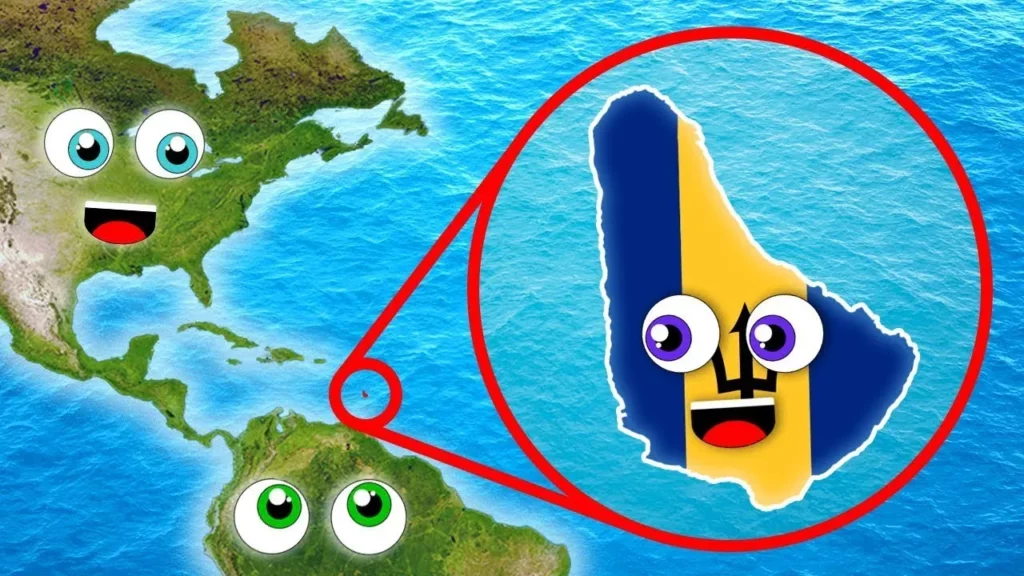
The lesson explores the districts and parishes of Barbados, highlighting the unique features of each area. The Northern District comprises six parishes known for their natural beauty and historical significance, while the Southern District includes five parishes that offer lively atmospheres and cultural experiences. Overall, understanding these divisions enhances appreciation for Barbados’ diverse geography and vibrant culture.
Telling Time Song
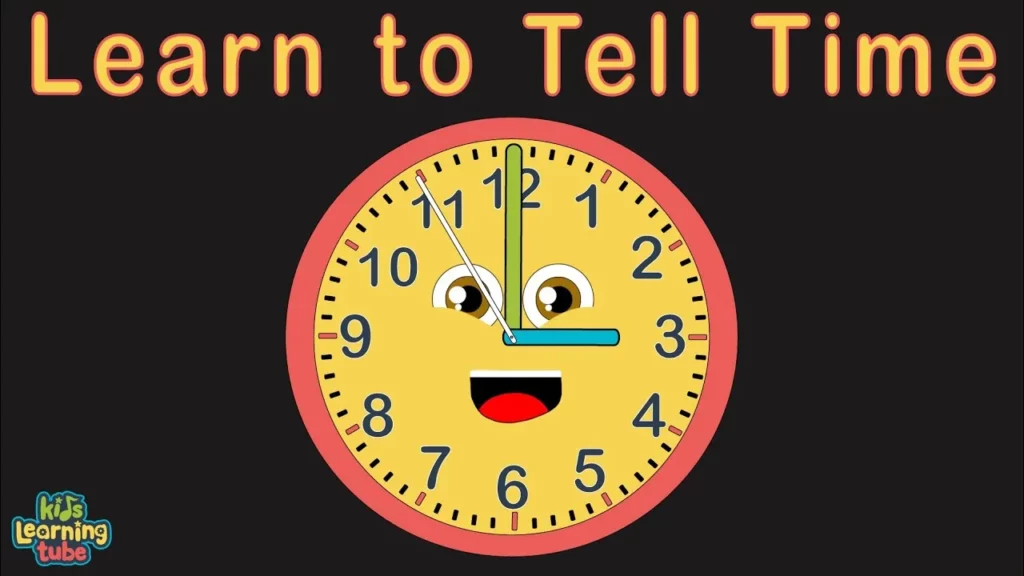
In this lesson, kids learn how to read an analog clock, which includes understanding its key components: the hour hand, minute hand, and second hand. The lesson breaks down how time is structured into hours, minutes, and seconds, and emphasizes the importance of practice in mastering the skill of telling time. With engaging explanations and tips, children are encouraged to become confident in reading analog clocks.
Orcus – Dwarf Planet Candidate & Kuiper Belt Object
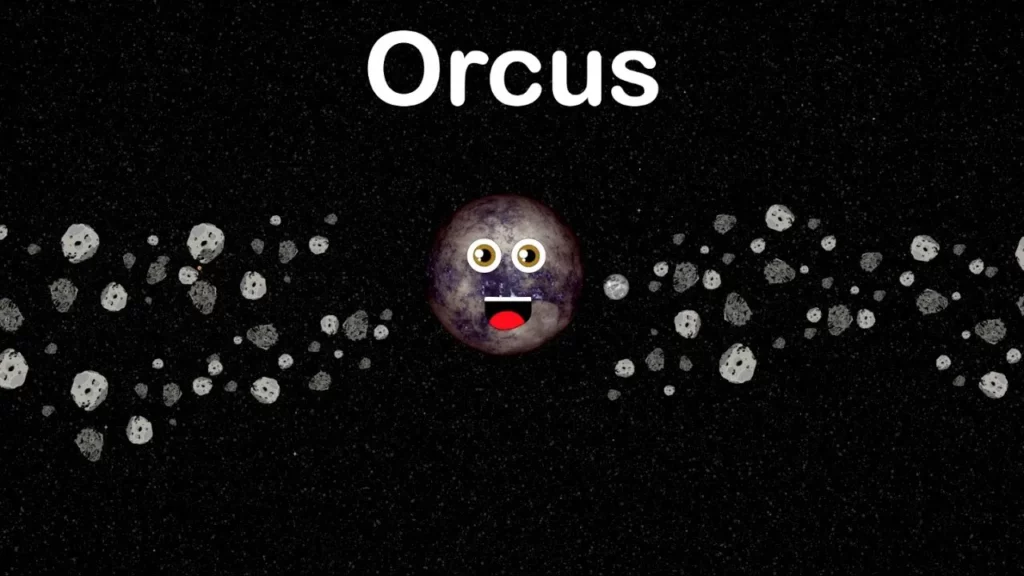
The lesson explores Orcus, a Plutino located in the Kuiper Belt, highlighting its discovery, orbital characteristics, and mythological significance. Named after an Etruscan god, Orcus has a diameter of approximately 917 kilometers and is accompanied by its moon, Vanth, which also draws from Etruscan mythology. Together, they provide valuable insights into the composition and dynamics of distant celestial bodies in our solar system.
North America Geography/North American Countries
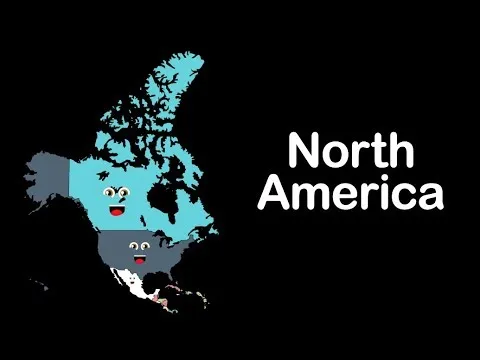
The lesson “Exploring the Countries of North America” introduces students to the continent’s 23 diverse countries, highlighting their capitals and unique features. From the stunning beaches of Antigua and Barbuda to the rich history of Mexico, each country offers distinct attractions and cultural experiences, showcasing North America’s vibrant diversity and natural beauty.
Moon Size Comparison | 3D Size Comparisons of the Universe
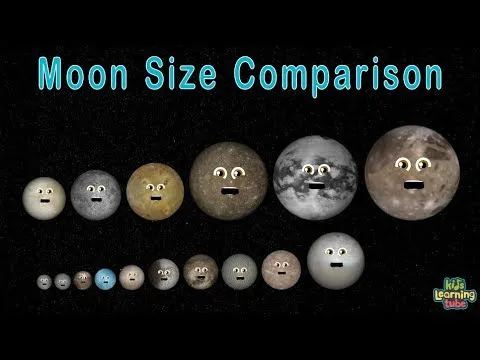
In this lesson, students explore the diverse moons of our Solar System, learning about their sizes and the planets they orbit. From the smaller moons like Tethys and Dione to the largest such as Ganymede and Titan, each moon offers unique characteristics that contribute to our understanding of space. The lesson emphasizes the individuality of these celestial bodies and encourages curiosity about the universe.
The Seven Continents Song
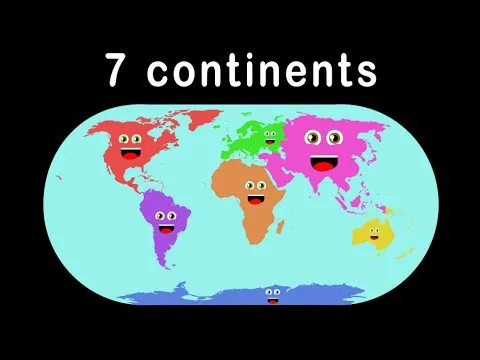
This lesson explores the seven continents of the world, highlighting their unique landscapes, cultures, and histories. It discusses the concept of Pangea, a supercontinent that existed around 300 million years ago, and explains how the theory of plate tectonics led to the separation of Pangea into the continents we know today. Understanding these continents not only enhances our appreciation of Earth’s diversity but also emphasizes the importance of caring for our planet.
What Is Jupiter? | 5th Planet from the Sun Explained!
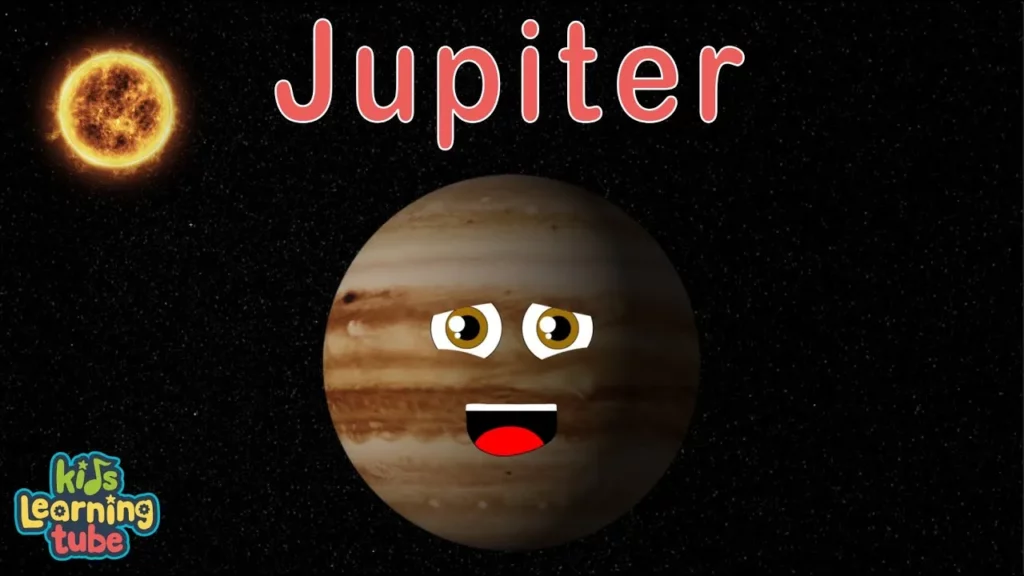
The lesson explores Jupiter, the largest planet in our solar system, highlighting its immense size, unique structure as a gas giant, and its fascinating features, including its 67 moons and the Great Red Spot storm. It emphasizes Jupiter’s rapid rotation and strong gravity, making it a captivating subject for scientific study and exploration. Overall, Jupiter’s remarkable characteristics and dynamic environment make it a significant focus in the field of astronomy.