
My Grandfather’s Story during World War 2
The lesson recounts the experiences of the author’s grandfather during World War II, highlighting the challenges he faced growing up in a poor region of Romania amidst the global economic crisis and the war’s impact on his family. Despite the hardships, including his father’s military service and scarce resources, he pursued education, which ultimately led to a successful career in the army and a lifelong passion for history. The narrative emphasizes the importance of remembering the past to appreciate present freedoms and opportunities.
Why is Luxembourg a country? – History of Luxembourg in 11 Minutes
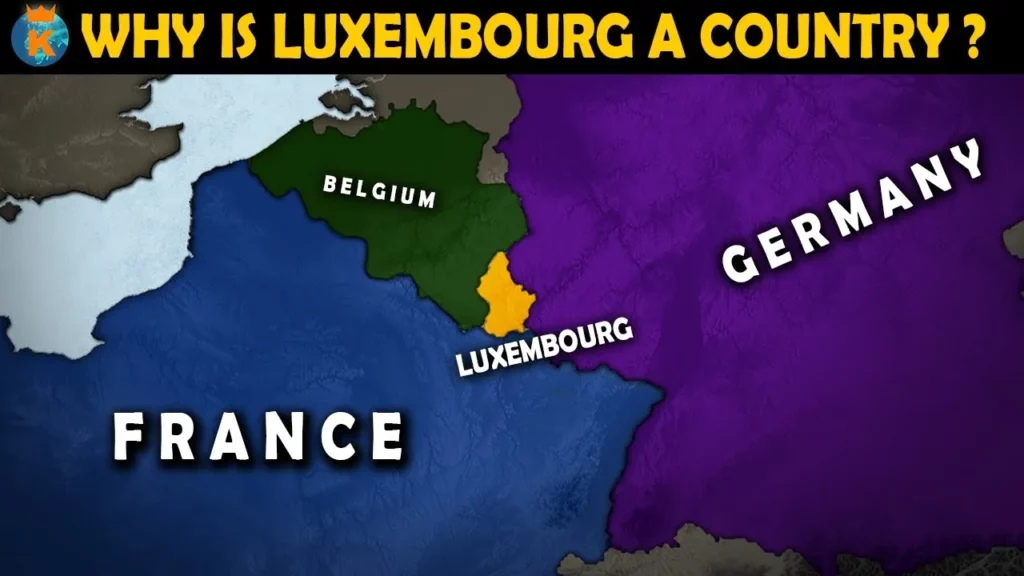
The lesson explores the history of Luxembourg, detailing its journey to independence in 1890 and the diverse population that characterizes the nation today. It highlights key historical events, including the establishment of the county in 963, its elevation to a duchy in 1354, and the challenges faced throughout various conflicts and occupations. Ultimately, Luxembourg’s identity and existence as an independent country are rooted in the aspirations of its people, encapsulated in their national motto.
The sick man of Europe – History of the Ottoman Empire (1800 – 1900)
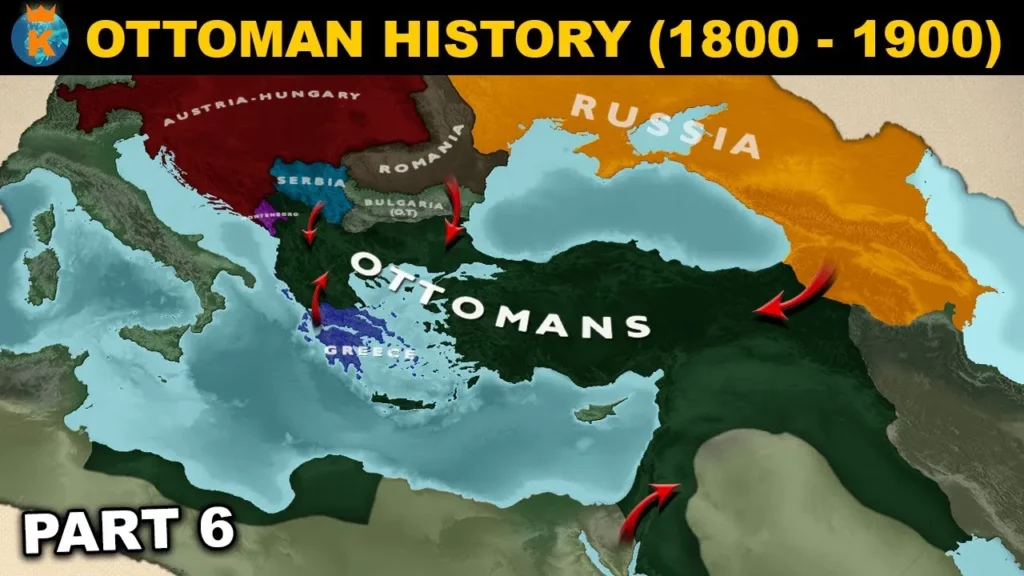
The 19th century was a critical and challenging period for the Ottoman Empire, characterized by significant decline and the struggle to maintain power amidst external pressures and internal strife. Under sultans like Salim III and Mahmud II, the empire attempted various reforms and navigated complex alliances, particularly with European powers, while facing wars and uprisings that led to territorial losses and increased instability. By the century’s end, despite efforts at modernization, the empire remained on the defensive, setting the stage for further decline in the 20th century.
How does the U.S Presidential Election work? – Explained in 10 Minutes
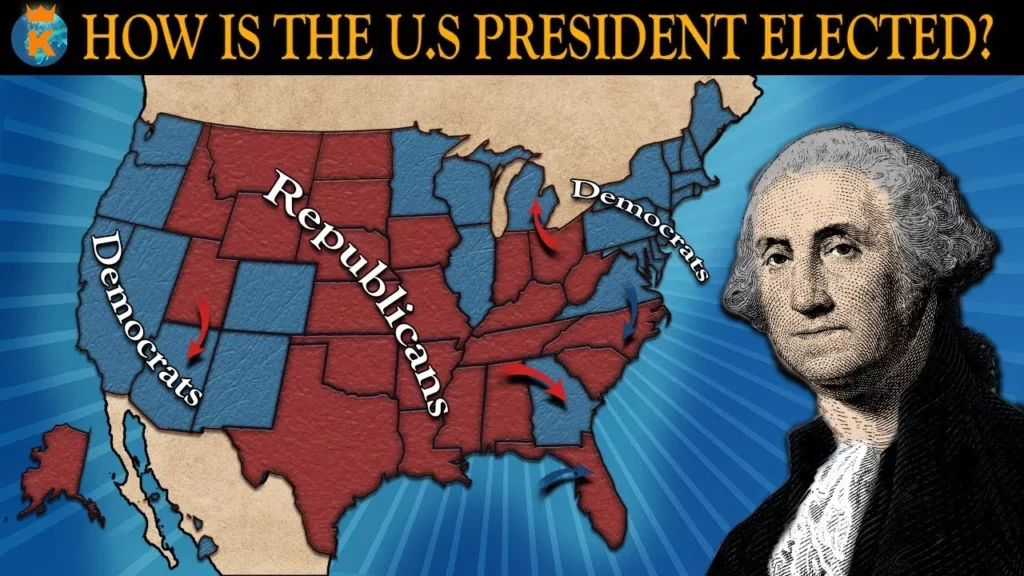
The U.S. presidential election process, occurring every four years, involves a complex series of steps beginning with primaries and caucuses to select party nominees. Following the nomination phase, candidates campaign nationally, culminating in Election Day, where the outcome is determined by the Electoral College rather than the popular vote. The process concludes with the electors casting their votes in December, Congress counting them in January, and the inauguration of the new president on January 20th.
Colonization of The Philippines – Explained in 11 Minutes
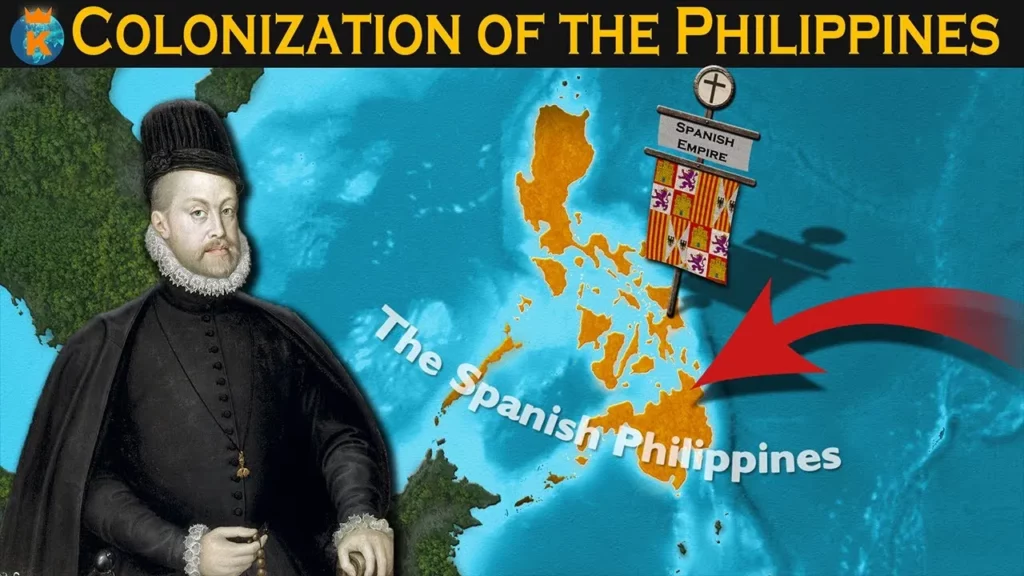
The lesson on the colonization of the Philippines outlines the islands’ unique early history, marked by the arrival of Islam and subsequent Spanish colonization initiated by Ferdinand Magellan in 1521. Following Magellan’s death in the Battle of Mactan, Spanish rule was established under Miguel Lopez de Legazpi, leading to conflicts with local Muslim populations and economic challenges. The lesson culminates in the rise of nationalism and the Philippine Revolution, which ultimately contributed to the end of Spanish colonial rule amid the Spanish-American War in 1898.
THE HISTORY OF INDIA in 14 Minutes – Part 2
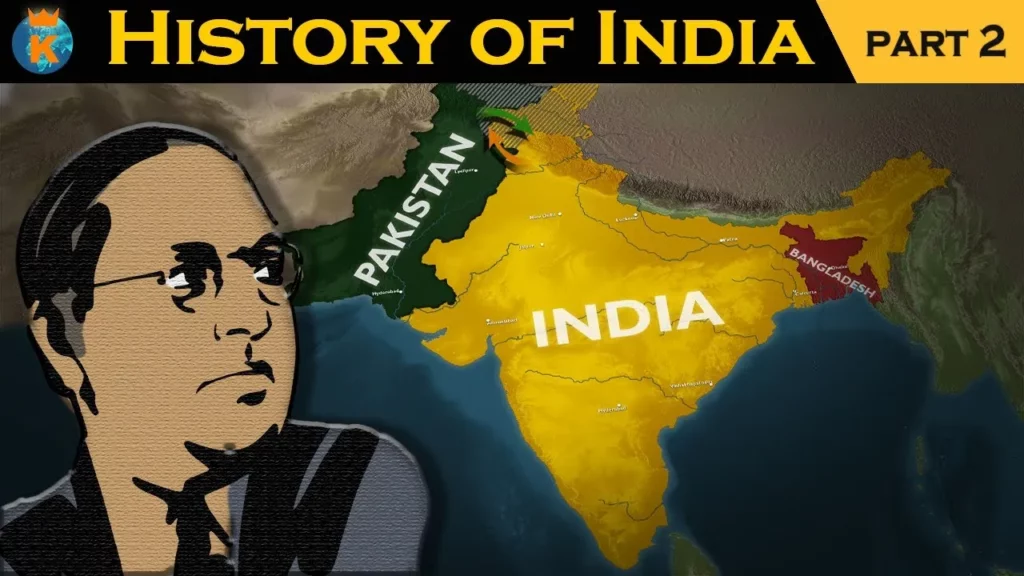
The lesson outlines India’s modern history, highlighting its journey from British colonial rule to independence and the establishment of a democratic republic. Key events include India’s significant contributions to both World Wars, the partition leading to the Kashmir conflict, and the drafting of the Constitution in 1949. The lesson also discusses the leadership of figures like Jawaharlal Nehru and Indira Gandhi, the challenges faced during their tenures, and the ongoing evolution of India as a developing nation.
Why didn’t The Germans attack at Dunkirk?
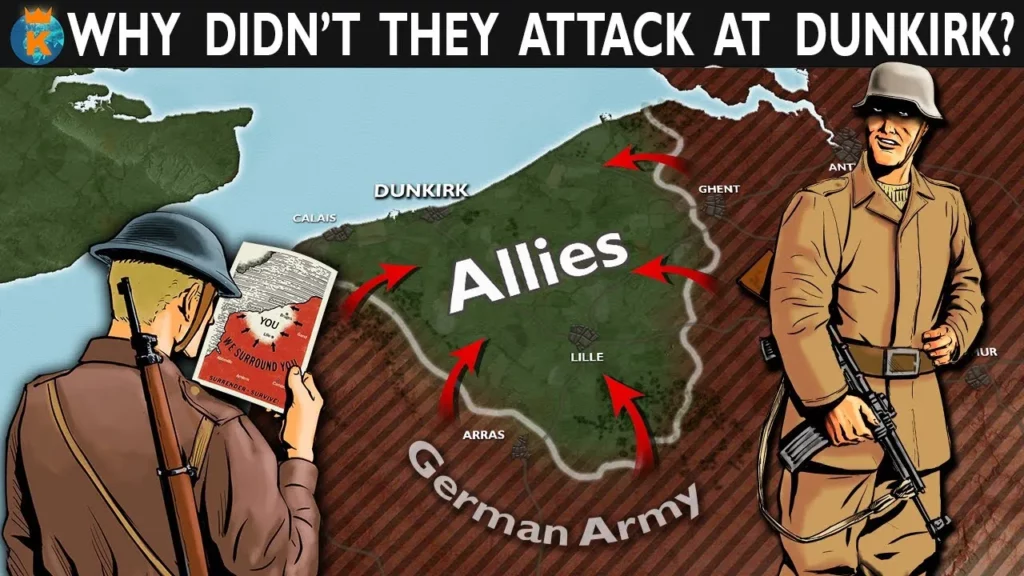
The lesson on “Why Didn’t The Germans Attack at Dunkirk?” explores the pivotal moments of the Battle of Dunkirk during World War II, highlighting the unexpected halt of the German advance that allowed the British Expeditionary Force to evacuate successfully. Key factors contributing to this pause included strategic miscalculations by German leadership, concerns about terrain and troop coordination, and a desire to give the Allies a fighting chance. This decision ultimately enabled the Allies to regroup and escape, marking a significant turning point in the war.
Why was The Battle of Stalingrad so Deadly?
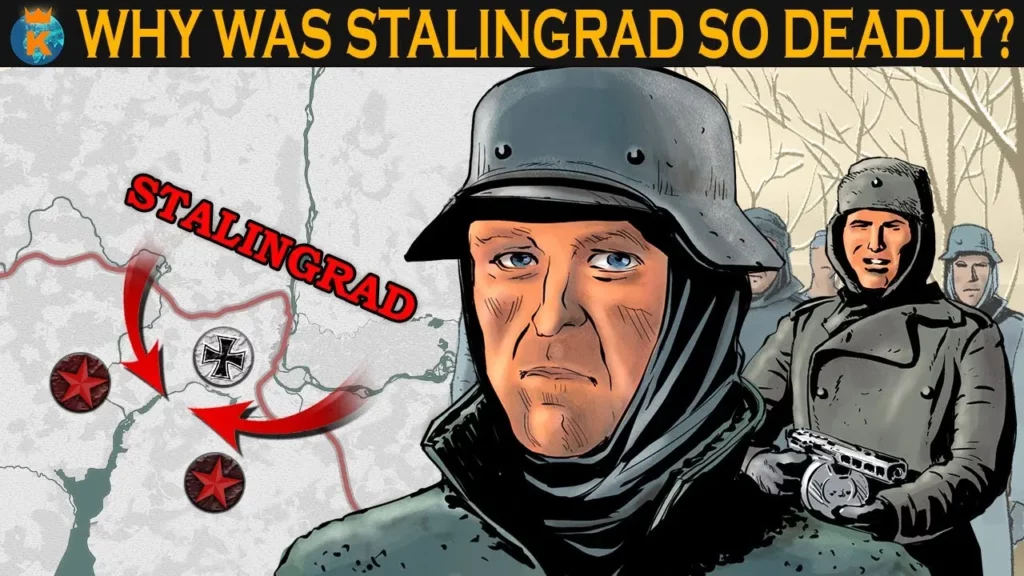
The Battle of Stalingrad, fought from August 1942 to February 1943, was one of the deadliest confrontations in history, resulting in nearly two million casualties, including over a million Soviet losses. Its significance stemmed from Stalingrad’s strategic industrial value and its symbolic importance as a city named after Soviet leader Joseph Stalin. The battle’s ferocity was exacerbated by Stalin’s “Not One Step Back” order, the involvement of civilians in defense efforts, and the harsh winter conditions that ultimately led to the encirclement and surrender of German forces, marking a crucial turning point in World War II.
How did the Muslims conquer The Levant? – The Arab-Byzantine Wars – Part 2
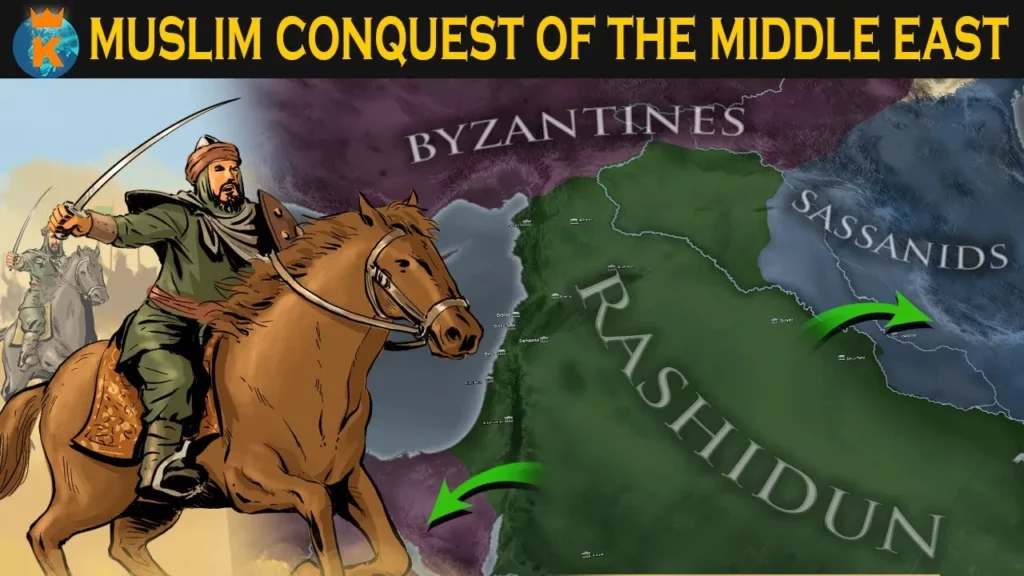
The lesson outlines the early Muslim conquests in the Levant following the death of Prophet Muhammad in 632 AD, highlighting the role of the Rashidun Caliphate under leaders like Abu Bakr and Umar. It details key military campaigns, including the pivotal battles of Ajnadayn and Yarmouk, where strategic leadership and local discontent with Byzantine rule facilitated significant victories for the Muslims. Ultimately, these conquests established Muslim control over the Levant and set the stage for further expansion across the region.
Why did the Protestant Reformation Happen?
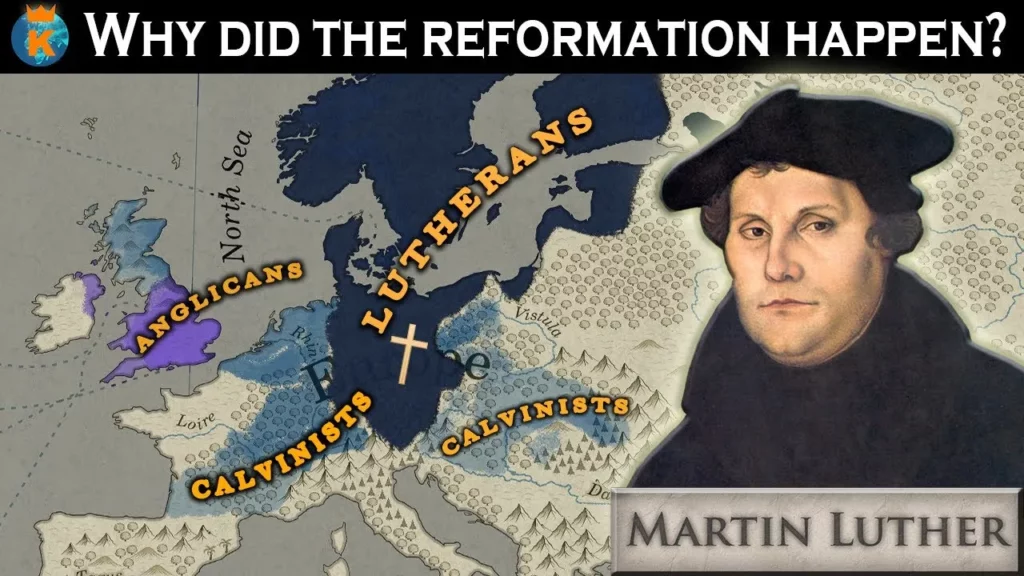
The Protestant Reformation was a significant historical movement that began in the 16th century, primarily sparked by Martin Luther’s 95 Theses, which criticized the Catholic Church’s practices, especially the sale of indulgences. This movement unfolded across Germany, England, and Switzerland, leading to the establishment of various Protestant denominations and prompting the Catholic Church to initiate the Counter-Reformation in response. Ultimately, the Reformation not only transformed religious practices and beliefs but also ignited conflicts throughout Europe, shaping the diverse landscape of modern Christianity.