
Why did Italy attack Ethiopia in 1935?
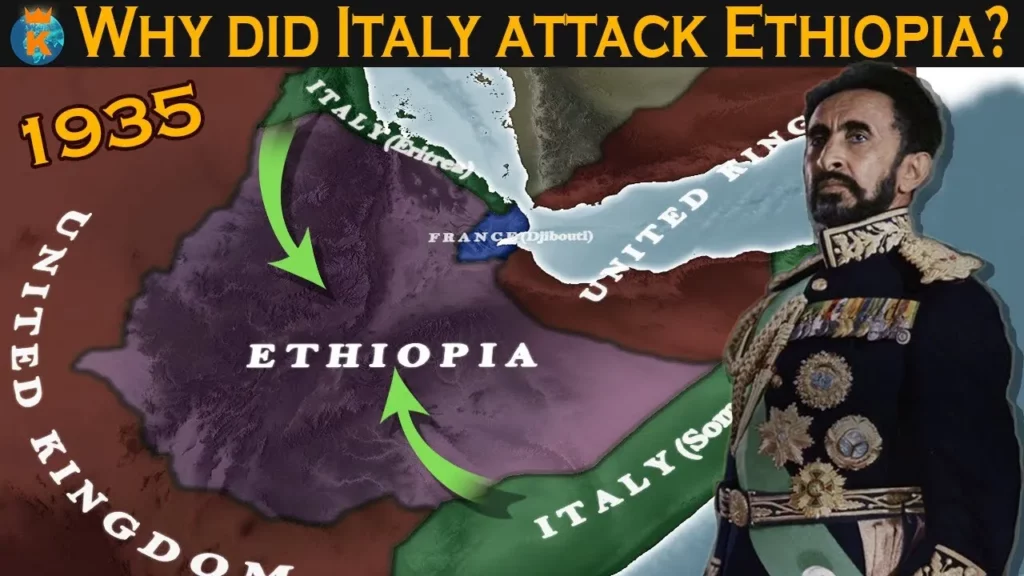
In 1935, Italy invaded Ethiopia as part of its expansionist ambitions, seeking to avenge a previous defeat and capitalize on the economic opportunities presented by the Great Depression. The invasion began without a formal declaration of war, leading to swift Italian advances despite initial Ethiopian resistance. Ultimately, Italy annexed Ethiopia, marking a significant moment in the lead-up to World War II and highlighting the aggressive colonial pursuits of European powers in Africa.
Why did the Fatimid Caliphate collapse?
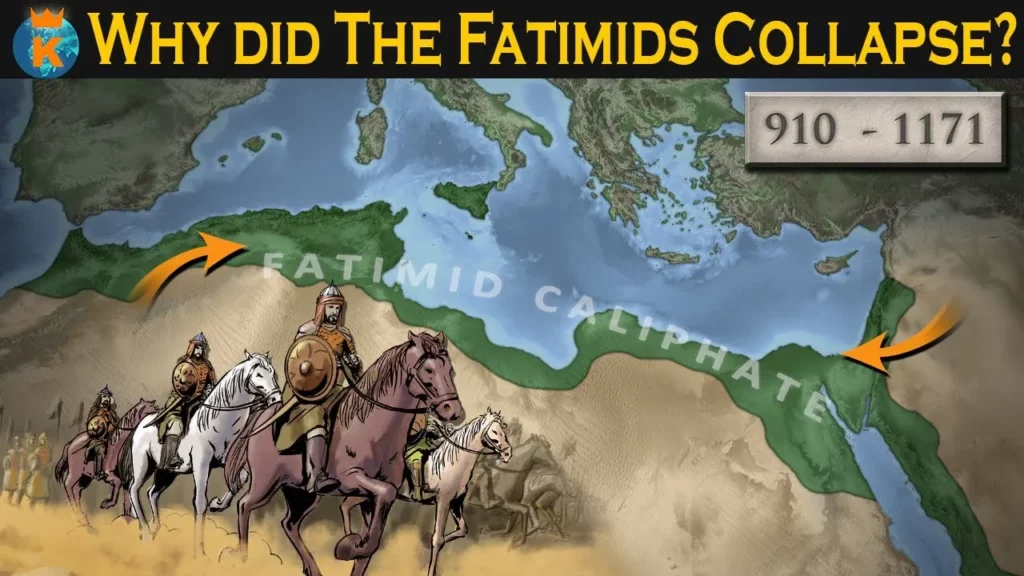
The Fatimid Caliphate, which existed from 910 to 1100 A.D., rose to prominence by challenging the Sunni Abbasid Caliphate and promoting a diverse and tolerant society, particularly during its early years in Egypt. However, the reign of Al-Hakim marked a shift towards religious intolerance, alienating various groups and contributing to internal strife. Ultimately, the caliphate’s decline was exacerbated by ethnic divisions, poor governance, and external invasions, leading to its collapse and the establishment of the Sunni Ayyubid Sultanate.
Why did Austria accept German Annexation?
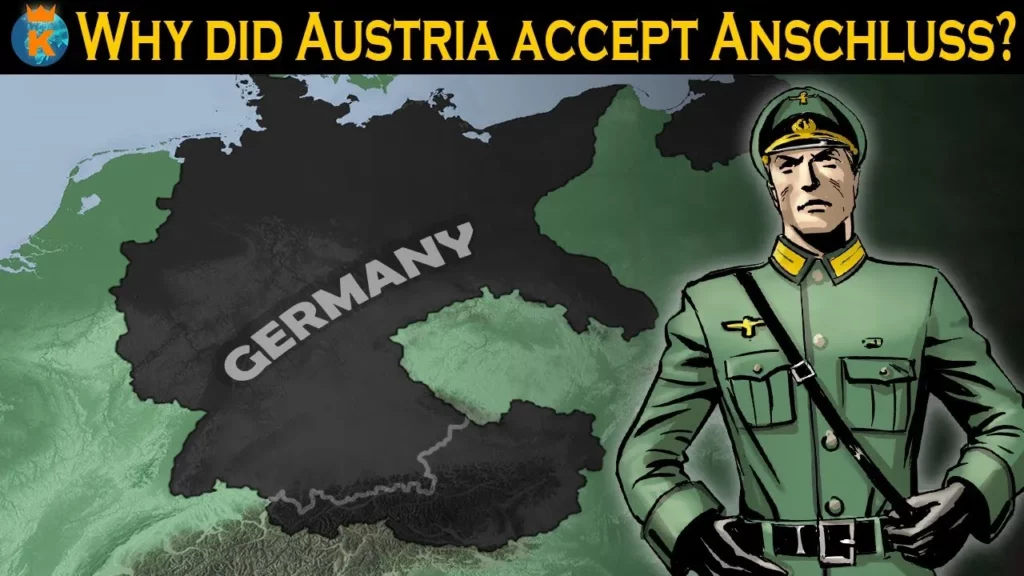
Austria’s acceptance of German annexation in 1938 was influenced by a complex historical context, including its past as part of the Austro-Hungarian Empire and the desire for national unity that had persisted since the 19th century. Following World War I, many Austrians yearned for a union with Germany, a sentiment that intensified with the rise of the Nazi Party, which capitalized on nationalist aspirations. Ultimately, political maneuvering and pressure from Germany led to the annexation, which many Austrians viewed as the realization of their long-held dreams for a unified German state, despite the loss of their independence.
How did the Muslims conquer Egypt? – Arab-Byzantine Wars – Part 3
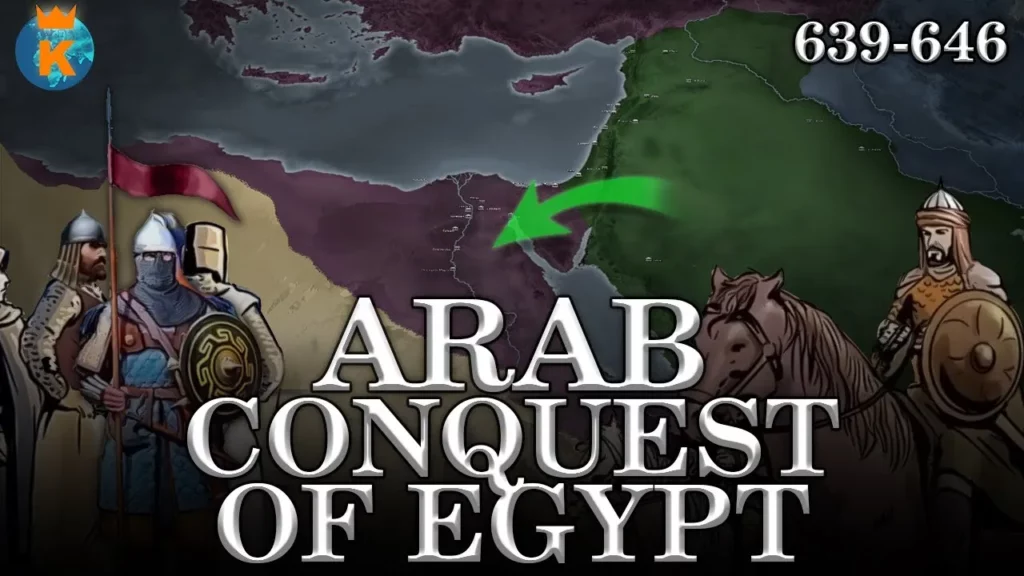
The lesson discusses the Muslim conquest of Egypt by the Rashidun Caliphate, which began in 639 and marked a pivotal shift from Byzantine to Muslim control. Led by Commander ‘Amr ibn al-’As, the Rashidun forces achieved significant victories through key battles and sieges, including the capture of Pelusium, Belbeis, Babylon, and ultimately Alexandria by March 641. This conquest not only established the Rashidun Caliphate as a major power in Northern Africa but also significantly influenced the cultural and political landscape of the region for years to come.
Why did Rome attack Greece? ⚔️ Battle of Cynoscephalae, 197 BC (Part 1/2)
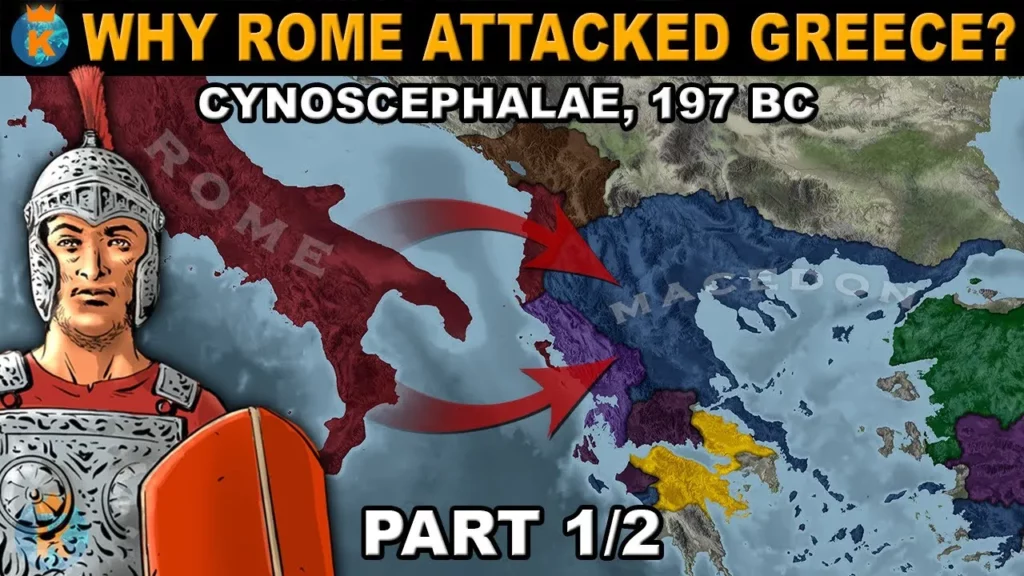
The lesson discusses the historical context leading up to the Battle of Cynoscephalae in 197 BC, focusing on the tensions between Rome and Macedonia during the Second Macedonian War. It highlights the influence of Alexander the Great’s legacy on Greek culture and the subsequent rise of Rome as a regional power, detailing how Philip V of Macedon’s ambitions prompted Roman intervention. The lesson culminates in the buildup to the battle, emphasizing Rome’s strategic goals of defeating Philip and securing Greek support.
How did Germany plan to “conquer the World” in WW1?
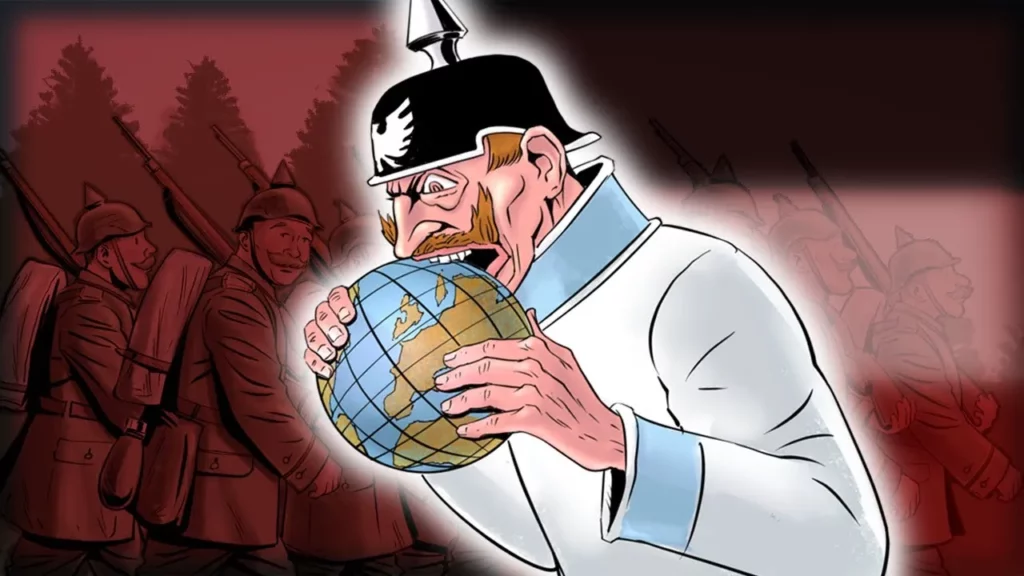
The lesson explores Germany’s ambitions to expand its influence during World War I, focusing on the Schlieffen Plan, which aimed for a quick victory over France by invading Belgium. Despite Germany’s initial military strength and economic prowess, the plan failed, leading to a prolonged two-front war and thwarting their broader territorial ambitions outlined in the September Program. Ultimately, this failure marked a significant turning point in Germany’s imperial aspirations, which would later contribute to its decline in World War II.
How was Rome founded? – History of the Roman Empire – Part 1

The lesson explores the legendary founding of Rome, centered around the tale of twin brothers Romulus and Remus, who established the city in 753 BC after overcoming adversity and conflict. It also discusses alternative historical theories regarding Rome’s origins and highlights the city’s transition from a monarchy to a republic in 509 BC, marked by the establishment of the Twelve Tables and the eventual expansion of Rome into a powerful empire.
The History of the Ottoman Empire (All Parts) – 1299 – 1922
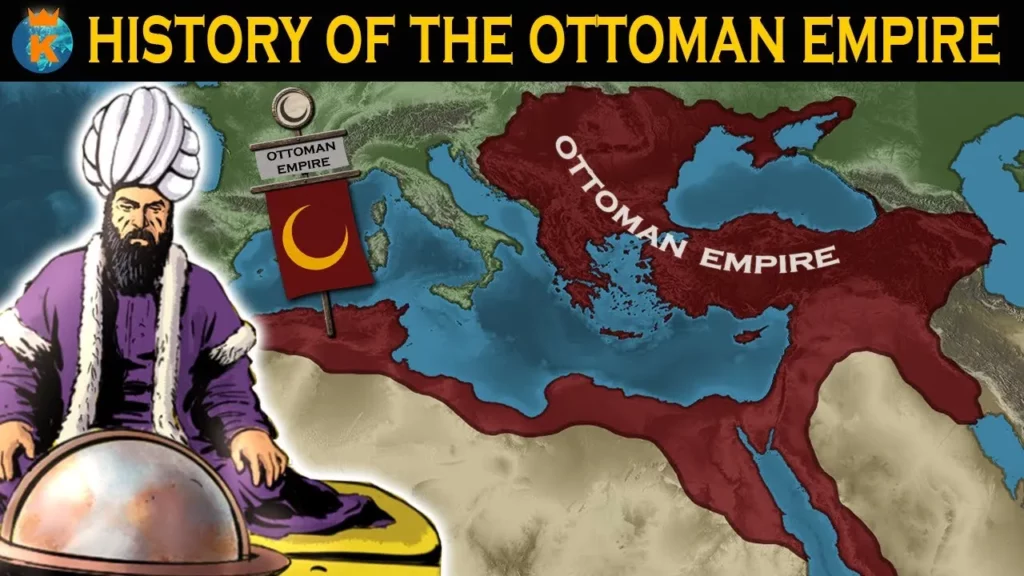
The lesson explores the history of the Ottoman Empire, highlighting its rise from a small state under Osman I in 1299 to a powerful empire that spanned Europe, Asia, and Africa for over 600 years. It discusses key developments such as military innovations, the establishment of the Janissaries, and the empire’s peak under Suleiman the Magnificent, as well as the challenges it faced leading to its decline and eventual collapse after World War I. The narrative illustrates the complexities of power dynamics and the factors contributing to the longevity and fall of great empires.
Why did the Spanish Empire collapse?
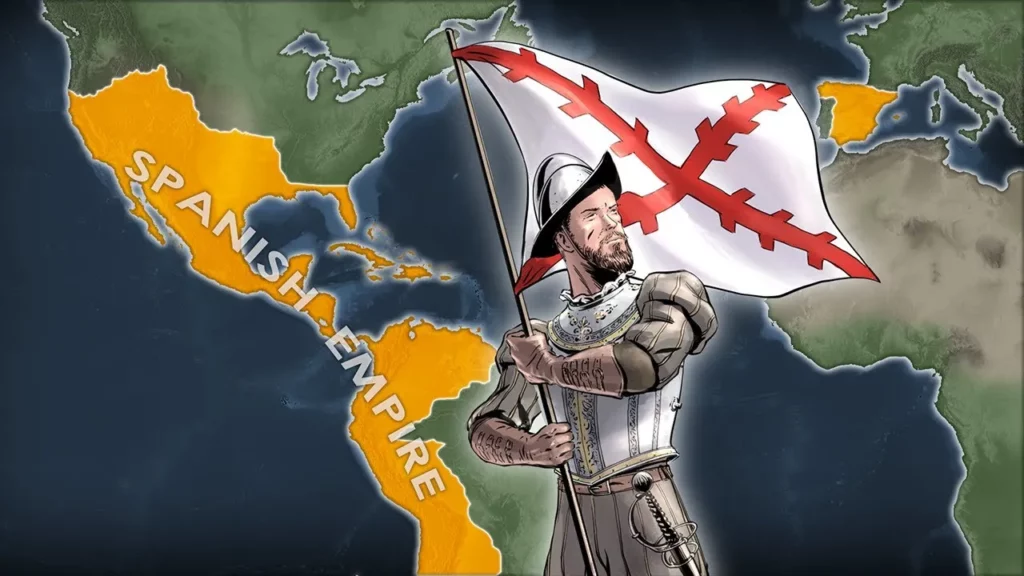
The collapse of the Spanish Empire, once a dominant global power, resulted from a combination of economic challenges, political turmoil, and mismanagement by its monarchs. Despite initial reforms and a strong foundation, the empire faced financial difficulties due to military conflicts, heavy taxation, and neglect of its colonies, leading to revolutions and eventual loss of territories. By the end of the 19th century, the empire had diminished significantly, culminating in the aftermath of the Spanish-American War.
How did the English Colonize America?
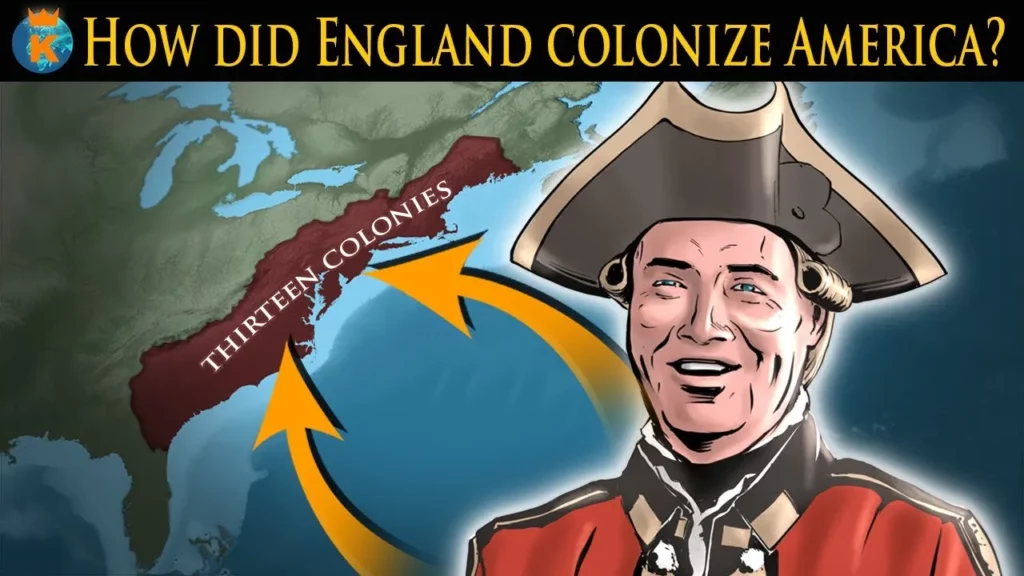
The lesson explores the English colonization of America, highlighting the motivations behind their efforts, including economic opportunities and religious competition with Catholic Spain. It details early challenges faced by English settlers, the establishment of Jamestown as the first permanent colony, and the transformative impact of tobacco cultivation on the colony’s economy, which ultimately led to the expansion of English settlements and increased conflicts with Native Americans.