
What Causes Bad Breath? | Best Educational Videos For Kids
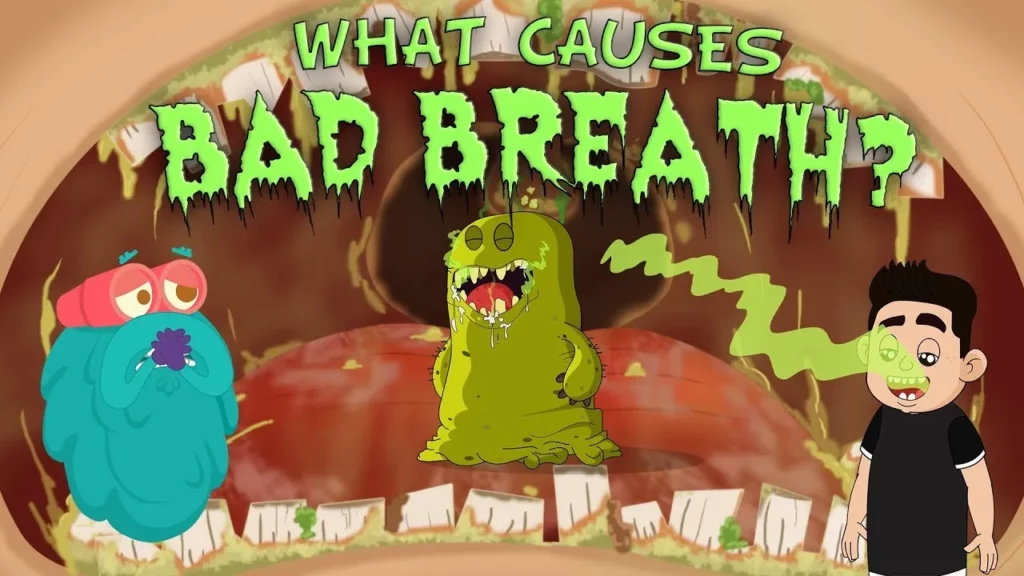
The lesson on “Understanding Bad Breath: Causes and Solutions” explains that bad breath, or halitosis, is primarily caused by bacteria in the mouth that produce smelly gases when they feed on food particles. Maintaining good oral hygiene through regular brushing, flossing, and dental checkups is essential for preventing bad breath, while persistent issues may indicate underlying health problems that require medical attention.
GLACIER | What Is A Glacier? | Why Do We Have Seasons?
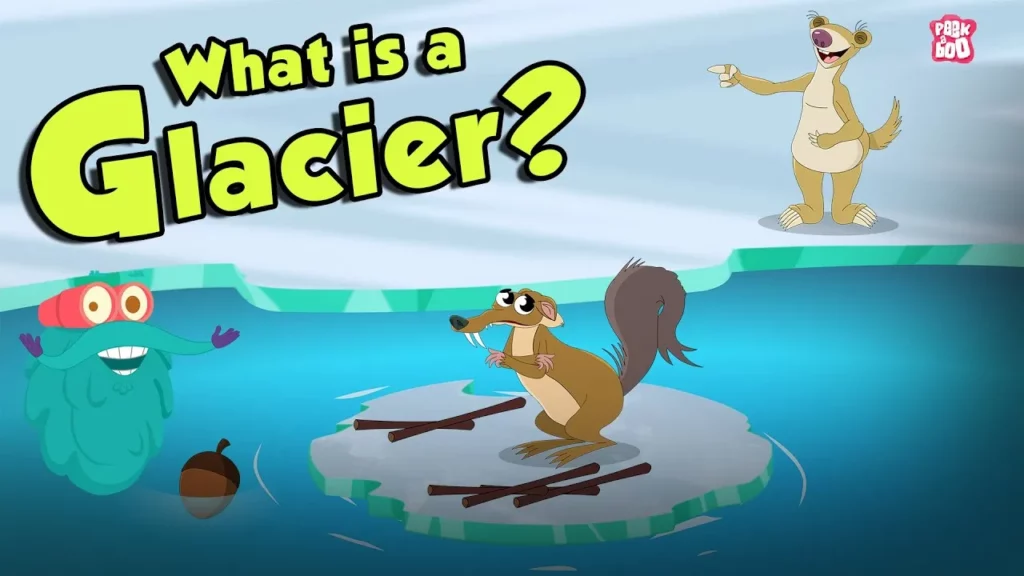
In this lesson, we explored the fascinating world of glaciers, learning about their formation, types, and significant role in the Earth’s climate system. Glaciers, which are massive ice formations that move and reshape the land, are crucial for storing freshwater and indicating climate change through their melting. Understanding glaciers helps us recognize the importance of protecting these natural wonders and addressing the impacts of global warming.
Why Do We Celebrate April Fools’ Day? | Story Behind April Fools’ Day
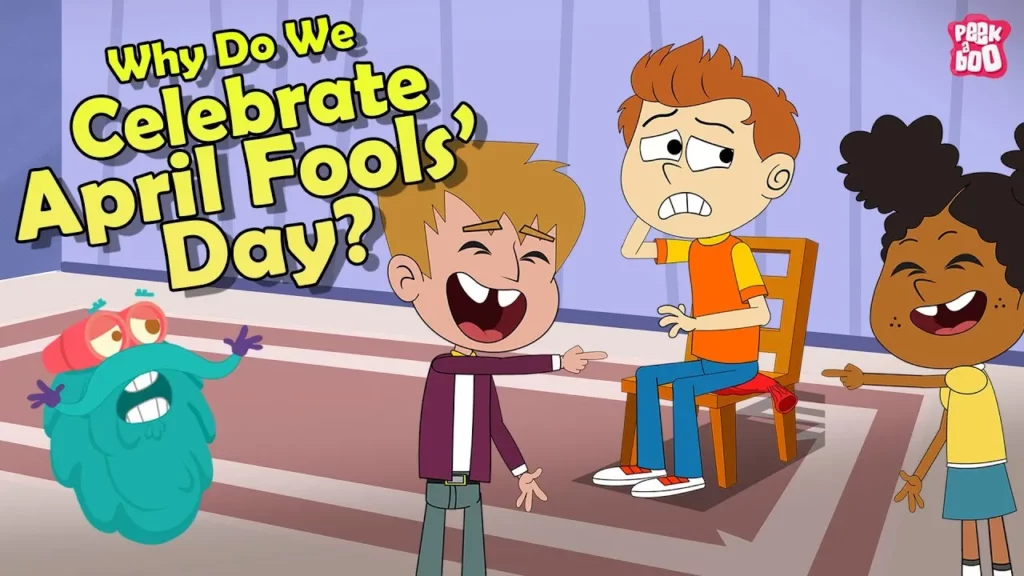
April Fool’s Day, celebrated on April 1st, is a lighthearted occasion where people engage in jokes and pranks to spread laughter. Its origins are uncertain, with theories ranging from ancient Roman festivals like Hilaria to the calendar shift in the 16th century that led to the tradition of calling those who continued to celebrate New Year’s in April “April fools.” The day serves as a reminder to think critically about information and to ensure that humor is shared kindly and respectfully.
What is Real and What is Not Real? | World Mental Health Day | Schizophrenia #worldmentalhealthday
The lesson on schizophrenia provides an overview of this complex mental health condition, highlighting its impact on thoughts, feelings, and behaviors. It emphasizes the importance of recognizing early signs and emotional changes, which can often be overlooked, and stresses the need for understanding and support for those affected. Additionally, the lesson touches on the role of the brain in schizophrenia, indicating that ongoing research may lead to better treatments and support strategies.
Usain Bolt The Fastest Man Alive | Usain Bolt’s Olympics Journey | Birthday Tribute to the G.O.A.T
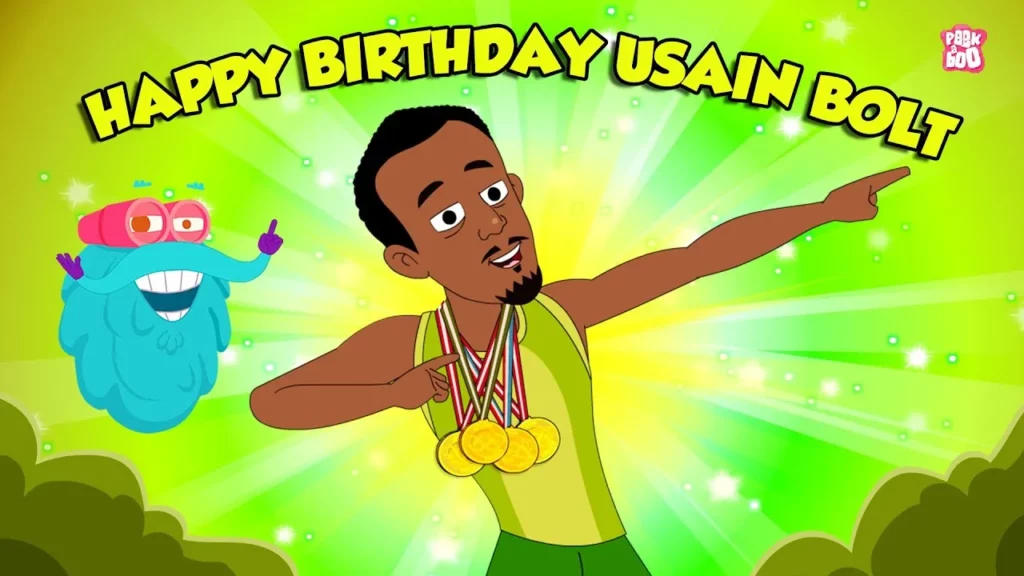
The lesson on Usain Bolt highlights his inspiring journey from a spirited child in Jamaica to an Olympic legend, emphasizing his early love for sports and the discovery of his sprinting talent. Despite facing significant challenges, including a scoliosis diagnosis and a hamstring injury, Bolt’s resilience and determination led him to break multiple world records and achieve unprecedented success at three consecutive Olympic Games. His story serves as a powerful reminder of the importance of hard work, perseverance, and maintaining a positive attitude in the face of adversity.
What If All Humans Disappeared? | Human Extinction
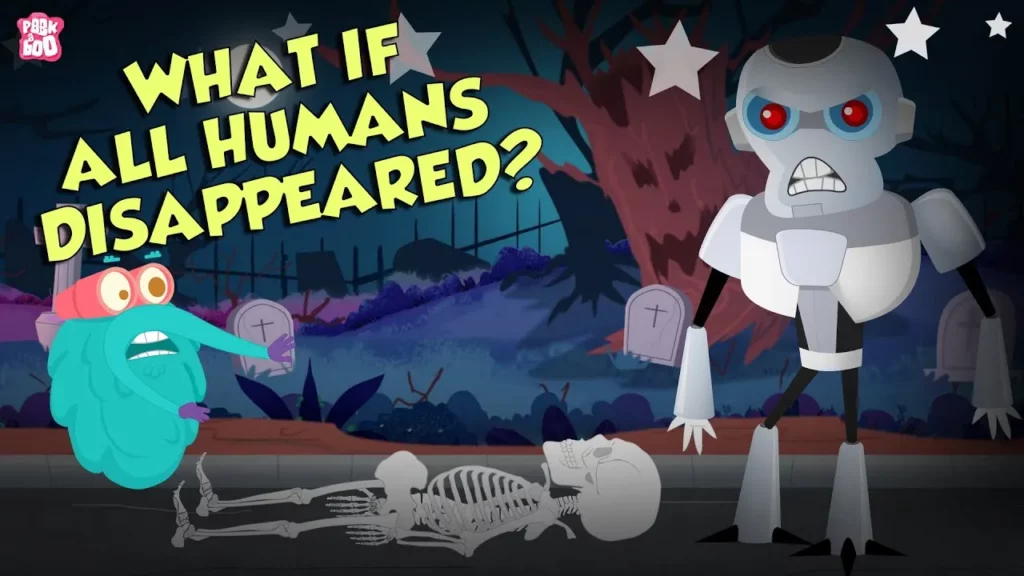
The lesson explores the hypothetical scenario of humanity’s sudden extinction and its impact on Earth. Initially, cities would face chaos due to failing infrastructure, leading to flooding and blackouts, but over time, nature would reclaim urban areas, resulting in a flourishing ecosystem. Ultimately, while the immediate aftermath would be tumultuous, the long-term effects could lead to a healthier planet, highlighting the importance of environmental stewardship.
What Causes Conjunctivitis? | CONJUNCTIVITIS | Pink-Eye
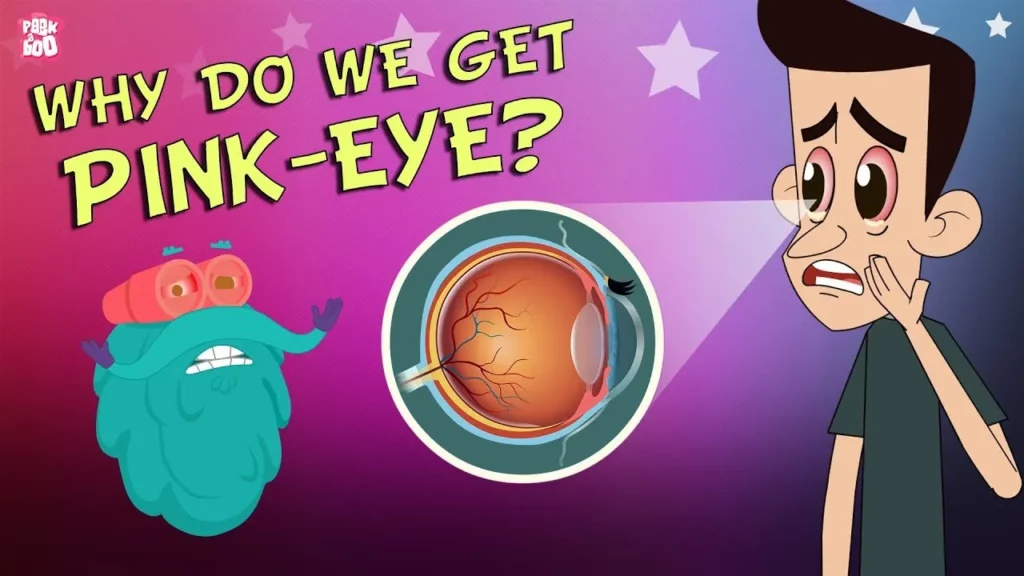
This lesson provides an engaging overview of pink eye, or conjunctivitis, aimed at kids and parents. It explains the causes, symptoms, and treatment options for pink eye, emphasizing the importance of hygiene to prevent its spread. By understanding pink eye, children can recognize its signs and seek appropriate care while learning how to protect themselves and others.
What If An Asteroid Hit The Earth? | Asteroid Attack
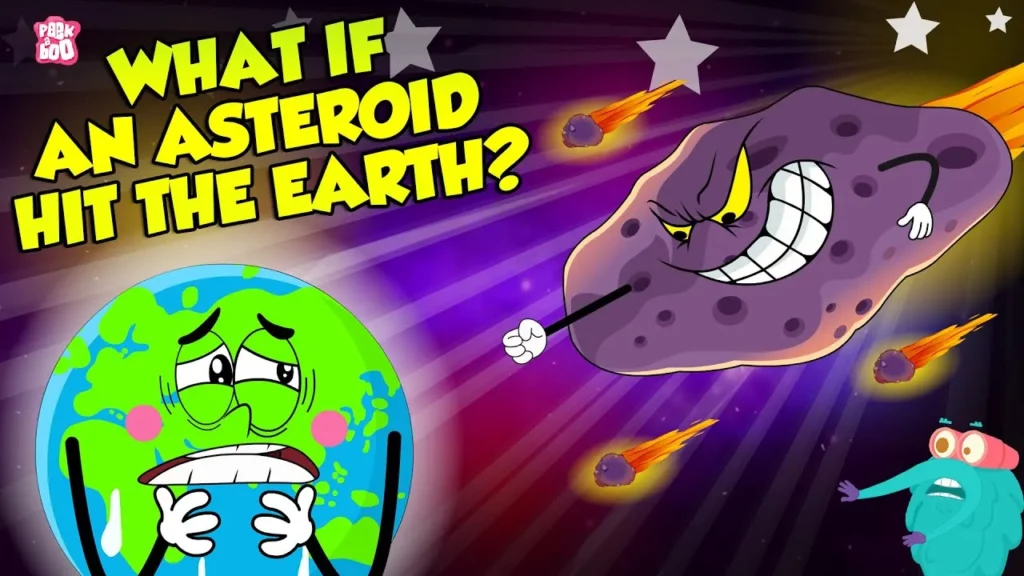
The lesson explores the intriguing world of asteroids, highlighting their historical significance and potential impact on Earth. It discusses how asteroid collisions have shaped our planet, the frequency of near-Earth asteroids, and the efforts scientists make to track them. While the threat of a catastrophic asteroid impact is low, understanding these space rocks is essential for both safety and the appreciation of their role in the formation of life on Earth.
Invention of Cheese | Where Did Cheese Really Come From? | History of Cheese
The lesson “The Cheesy History of Cheese” explores the fascinating origins and evolution of cheese, tracing its beginnings back to around 8,000 BCE in Mesopotamia, where accidental fermentation led to the discovery of cheese. It highlights how cheese-making techniques spread across cultures, resulting in diverse varieties and methods, particularly during the Medieval Era in European monasteries, and emphasizes cheese’s nutritional value and role in trade. Today, cheese remains a beloved global food, with a rich history that reflects human ingenuity and cultural diversity.
What If Our Sun Became A Black Hole? | Black Hole
This lesson explores the hypothetical scenario of what would happen if our sun became a black hole, emphasizing that our sun is not massive enough to undergo this transformation. While the gravitational effects on Earth’s orbit would remain unchanged, life on our planet would face dire consequences due to the absence of light and heat, leading to a cold, dark environment that would threaten survival. Ultimately, the lesson highlights the importance of understanding black holes and the life cycle of stars, reassuring us that our sun will not become a black hole.