
Why did Yugoslavia Collapse?
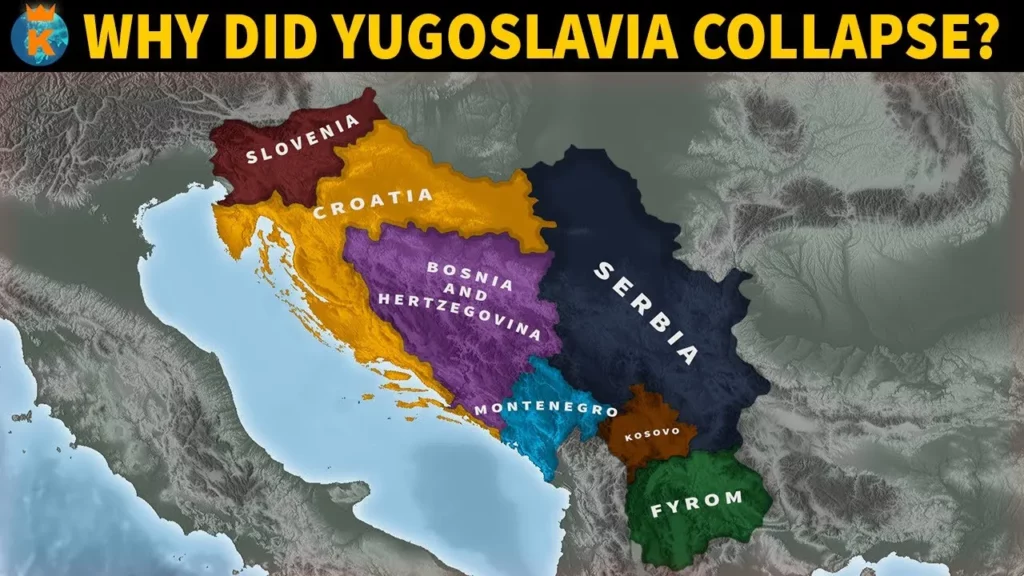
The lesson explores the complex reasons behind the collapse of Yugoslavia, emphasizing that while ethnic tensions played a significant role, they were not the sole factor. Following the death of President Tito, economic disparities and rising nationalism exacerbated existing divisions among the republics, leading to conflict and ultimately the dissolution of the federation into independent states by the early 1990s. The lesson concludes by highlighting that the legacy of ethnic conflict continues to affect the region, particularly in the case of Kosovo, illustrating the enduring challenges of national identity and unity.
Why did The Crusades Fail?
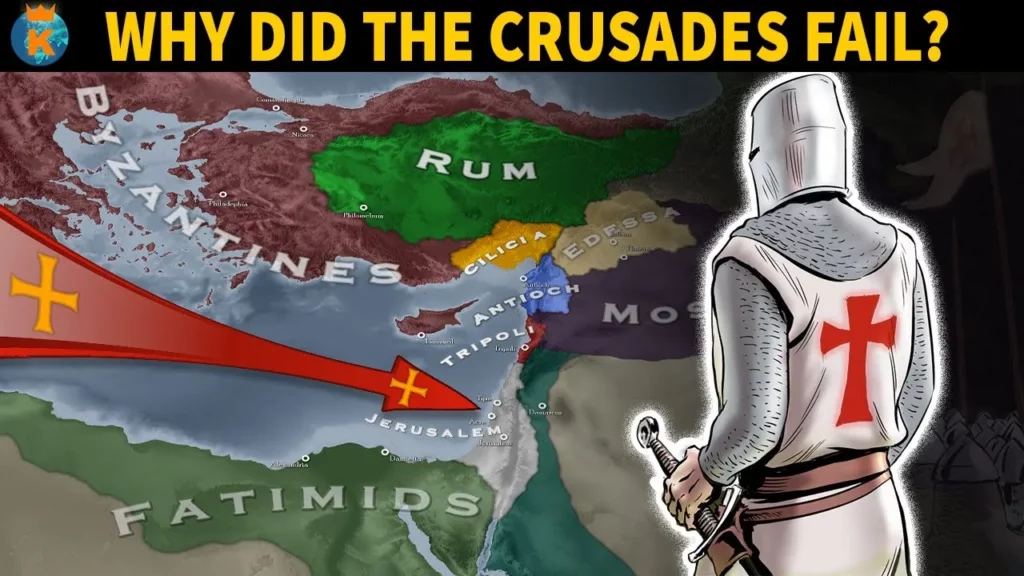
The Crusades, initiated in 1095 to reclaim the Holy Land from Muslim control, ultimately failed to achieve their primary goals despite initial successes. Key factors contributing to their failure included poor planning, disorganization, infighting among Christian forces, and inadequate troop quality, which persisted throughout the various campaigns. This culminated in a series of military endeavors that, while occasionally successful, did not secure lasting Christian control over the Holy Land.
Why did the Soviet Union Collapse?
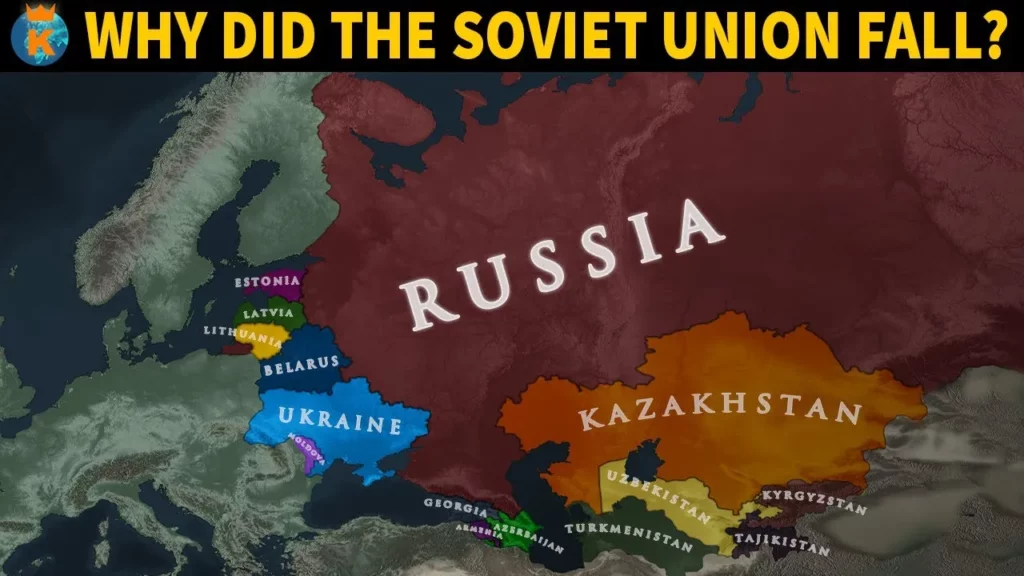
The collapse of the Soviet Union in 1991 was a result of multiple interrelated factors, including the Chernobyl disaster, which exposed government corruption and eroded public trust, and Gorbachev’s policies of glasnost and perestroika that, while intended to reform the system, ultimately highlighted its weaknesses. Economic struggles, military decline, and the loss of influence in Eastern Europe further contributed to the disintegration of this once-dominant power. The culmination of these events led to the dissolution of the Soviet Union and the emergence of independent nations, marking a significant shift in global dynamics.
Why was the German Army so Effective in World War 2?
The lesson explores the factors that contributed to the effectiveness of the German Army during World War II, highlighting the country’s recovery from the aftermath of World War I and the rise of Adolf Hitler. Key elements included strategic military planning, the establishment of the Wehrmacht, and the implementation of Blitzkrieg tactics, which allowed for rapid victories in the early stages of the war. Despite initial successes, the German military ultimately faced challenges, particularly during the invasion of the Soviet Union, leading to a turning point in the conflict.
Why did the Caliphate of Cordoba Collapse?
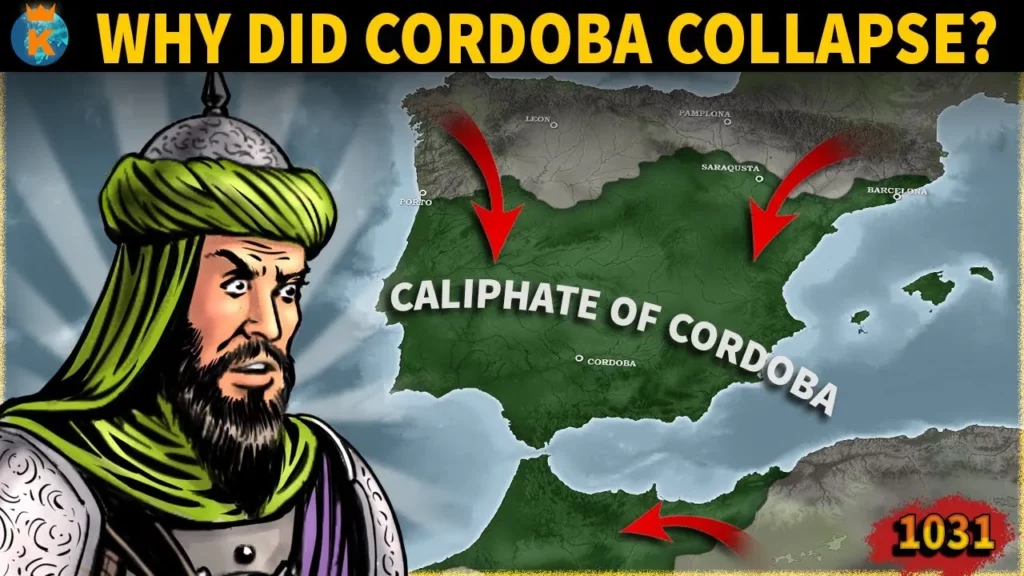
The Caliphate of Córdoba, established after the Umayyad conquest of the Iberian Peninsula in 711 AD, experienced a period of prosperity under leaders like Abd al-Rahman III and Al-Hakam II. However, the caliphate began to decline following Al-Hakam’s death, as weak leadership and internal strife, particularly during the reign of Hashim III, led to fragmentation and civil unrest. By 1031, the once-unified caliphate had disintegrated into independent Taifas, marking the end of its influence in the region.
Why is Andorra a Country? – History of Andorra in 10 Minutes
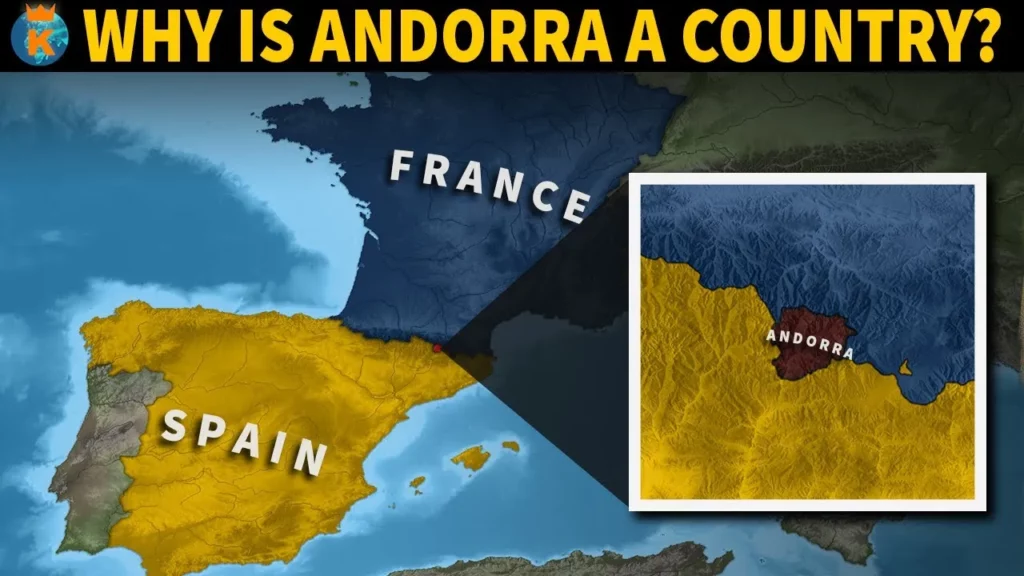
The lesson explores the unique history of Andorra, a small landlocked country nestled between Spain and France, highlighting its status as a co-principality shared by both nations. Established during the time of Charlemagne, Andorra’s governance evolved through agreements like the Paréage, which solidified its dual leadership. Today, Andorra operates as a parliamentary democracy, having maintained its distinct identity and political stability throughout centuries of change.
Why did the Vikings Collapse?
The lesson provides an overview of the Vikings, a group of Norsemen from Scandinavia known for their raids across Europe between the 8th and 10th centuries. It explores their motivations for raiding, their establishment of the Danelaw in England, and the eventual decline of their influence due to the rise of Christianity and changing societal norms, culminating in the end of the Viking Age in 1066. The lesson highlights the complexity of Viking history and their lasting legacy in modern culture.
Why did the Celts Collapse?
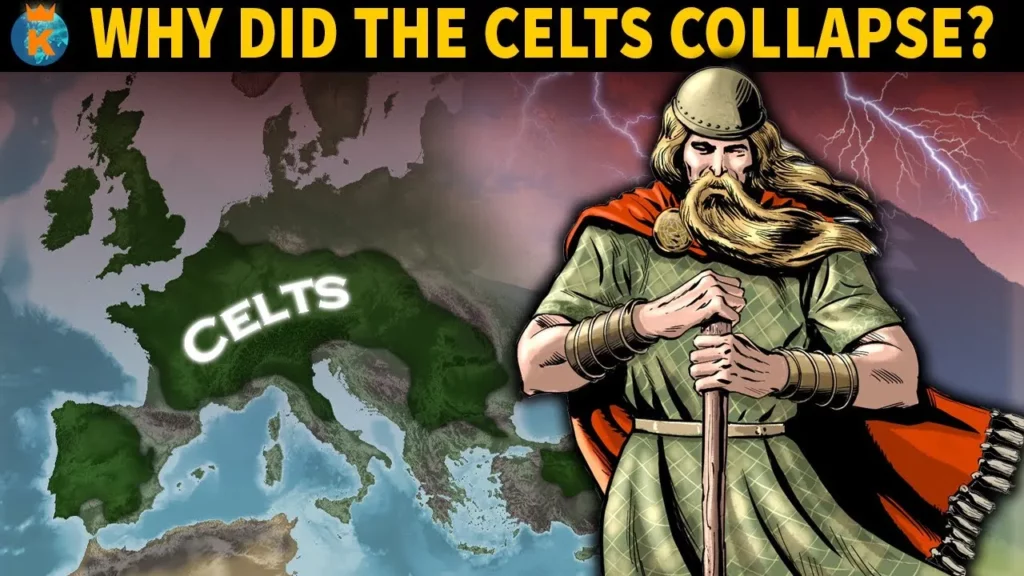
The lesson explores the history and legacy of the Celts, a diverse group of Indo-European tribes known for their rich culture and resistance to powerful civilizations like Rome. Despite facing significant challenges, including military conflicts and the eventual decline of their presence in Continental Europe, Celtic culture has persisted, particularly in the British Isles, where it continues to thrive through languages, traditions, and modern identities. Ultimately, the Celts have not vanished but have evolved and integrated with other cultures, leaving a lasting impact on regions such as Ireland, Scotland, and Wales.
Why wasn’t Thailand Colonized?
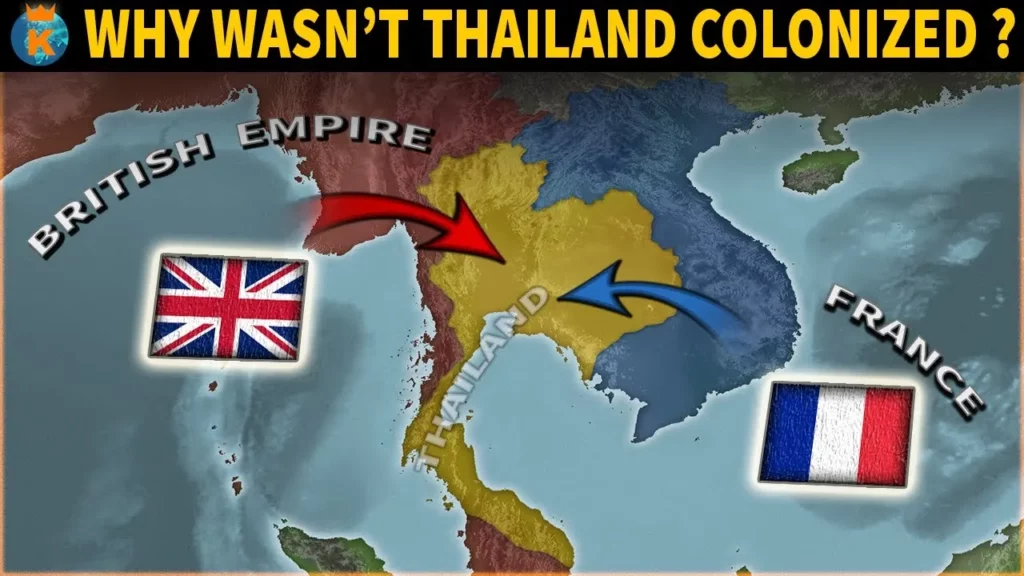
The lesson explores how Thailand, formerly known as Siam, successfully avoided colonization despite being surrounded by European powers. Key factors included its strategic position as a buffer zone, proactive modernization efforts led by King Chulalongkorn, and diplomatic maneuvers that aligned the kingdom with Western norms. These strategies not only reduced the likelihood of conflict but also established Thailand as a stable and independent nation throughout the colonial era.
Why didn’t Romania join the invasion of Czechoslovakia of 1968?
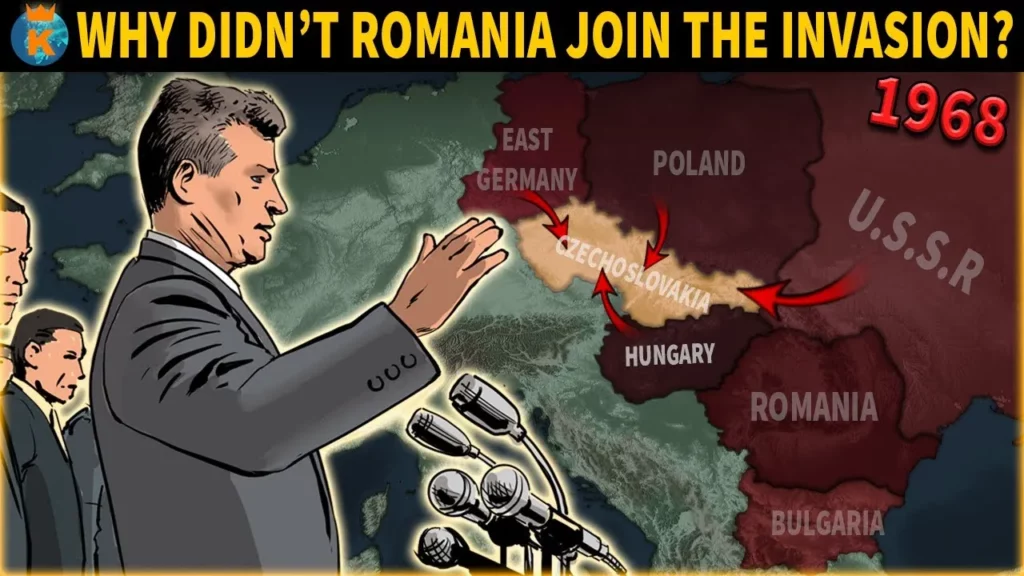
The lesson explores Romania’s refusal to participate in the 1968 invasion of Czechoslovakia, which was orchestrated by the Soviet Union in response to the liberal reforms of the Prague Spring. Romanian leader Nicolae Ceaușescu publicly criticized the invasion, asserting Romania’s desire for independence from Soviet control, which resonated with the Romanian populace and distinguished the country within the Eastern Bloc. This decision not only showcased Romania’s growing autonomy but also led to a unique relationship with Western nations, as Ceaușescu’s stance garnered international attention during the Cold War.