
What If You Swallow A Fruit Seed? | Plant Growing In Stomach
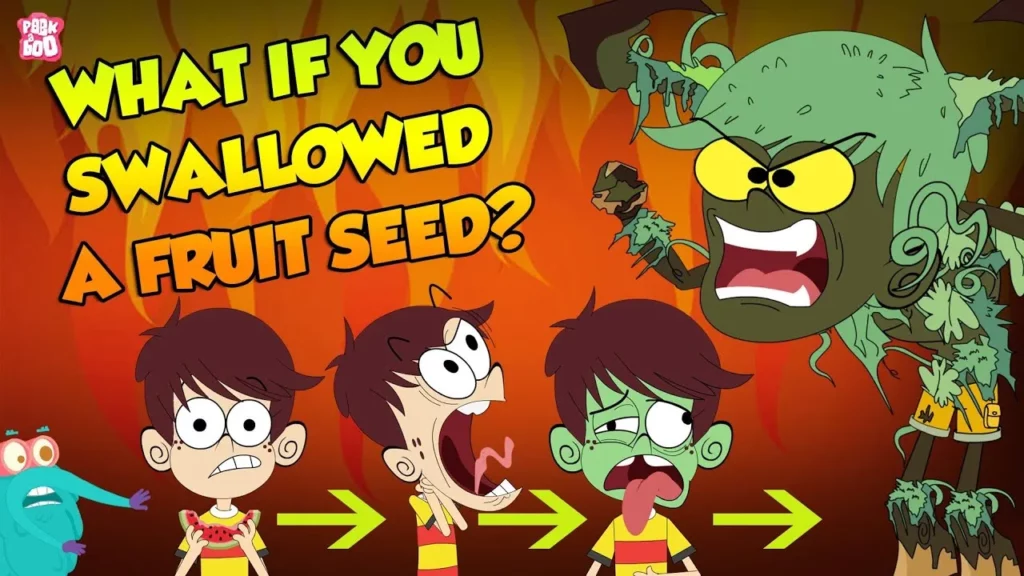
The lesson discusses the myth that swallowing a fruit seed can lead to a plant growing in your stomach, clarifying that this is just a fictional story. In reality, swallowed seeds are broken down by stomach acids and are typically expelled from the body within a couple of days. While some seeds can provide health benefits, caution is advised with certain seeds that may be harmful if consumed in large quantities.
What If We Eat Bugs? | EATING BUGS
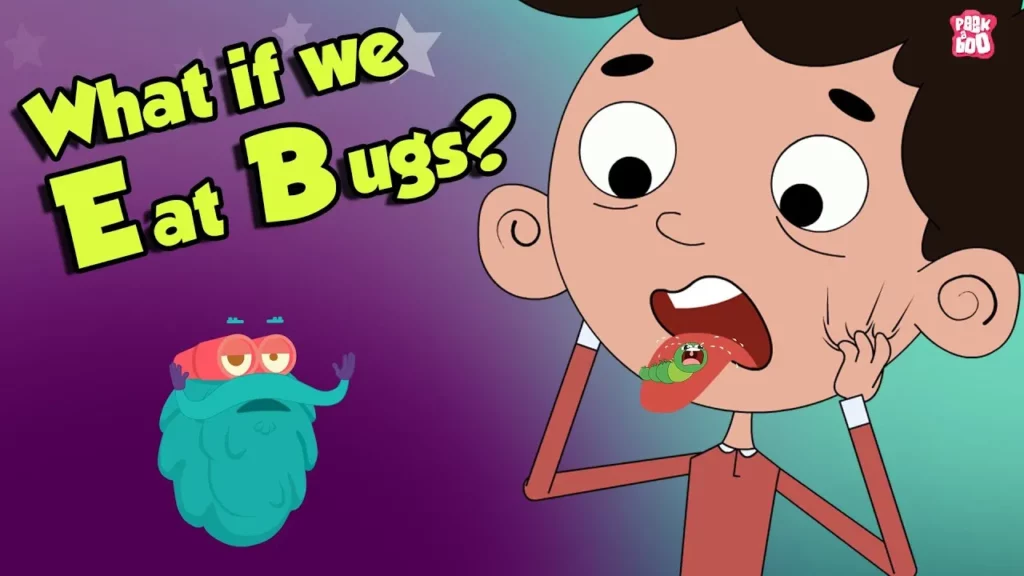
The lesson explores the historical significance and nutritional benefits of eating insects, highlighting their role as a food source for humans since ancient times. Today, approximately 2 billion people consume insects, which are rich in protein, healthy fats, and essential nutrients, while also offering environmental advantages due to their lower resource requirements compared to traditional livestock. Embracing entomophagy could contribute to healthier diets and a more sustainable food system.
Who Invented Pizza? | Invention of Pizza
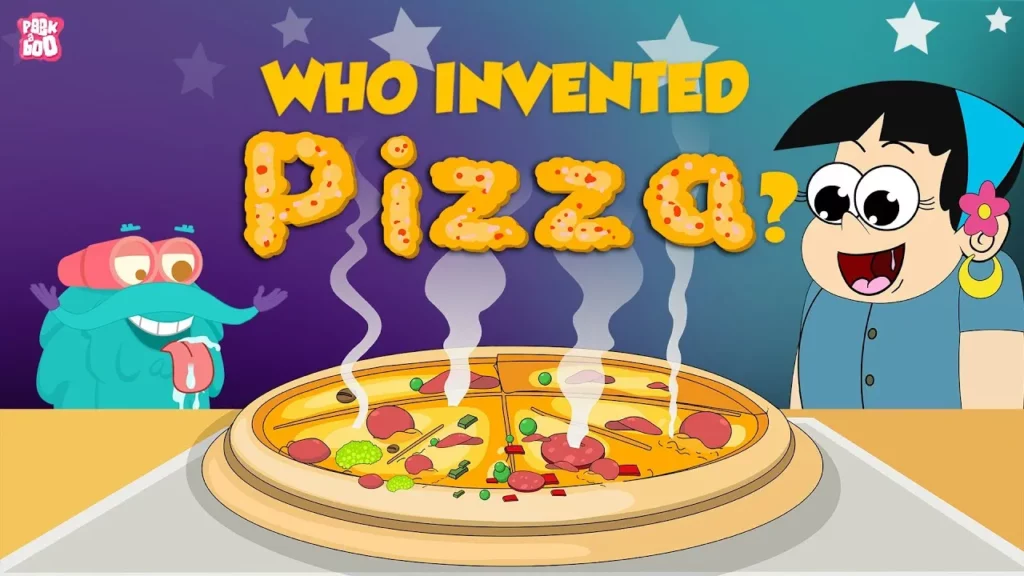
The lesson explores the fascinating history of pizza, tracing its origins from ancient flatbreads in Rome, Greece, and Egypt to the modern pizza we enjoy today, which began in Naples, Italy, in the 16th century. It highlights the pivotal moment when Queen Margherita of Italy popularized the dish, leading to its global spread by Italian immigrants. Ultimately, the lesson emphasizes pizza’s evolution into a beloved food worldwide, encouraging appreciation for its rich heritage.
What If Earth Doubled In Size? | Gravitational Force
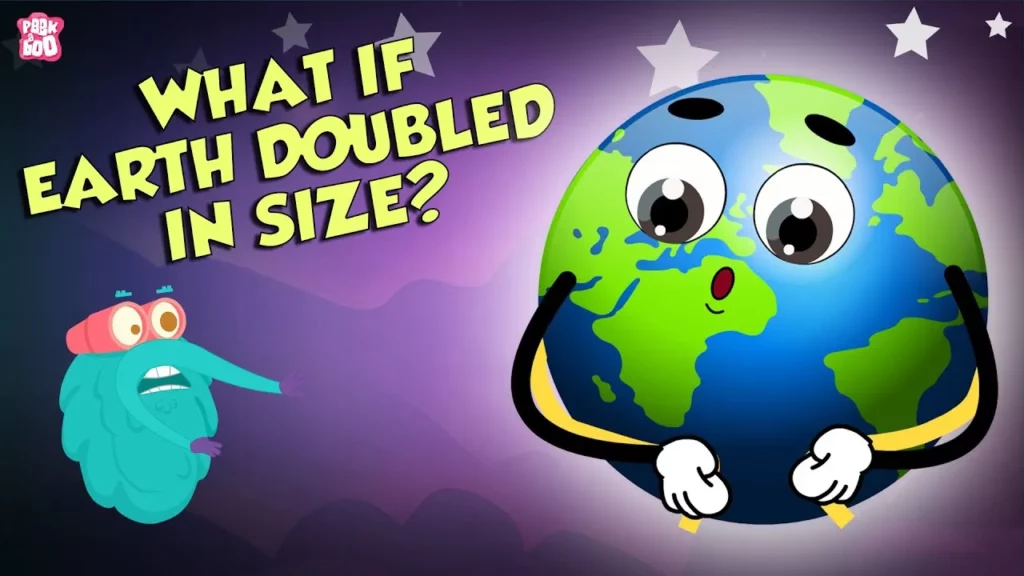
The lesson explores the hypothetical scenario of Earth doubling in size, highlighting the significant changes that would occur as a result. Key impacts include a dramatic increase in gravity, which would affect human movement and adaptation, as well as the survival of plants and animals. Additionally, geological consequences such as increased volcanic activity and climate changes would reshape the planet, emphasizing the delicate balance of Earth’s current size and conditions.
What if We Landed on the Sun? | What Does The Inside Of The Sun Look Like?
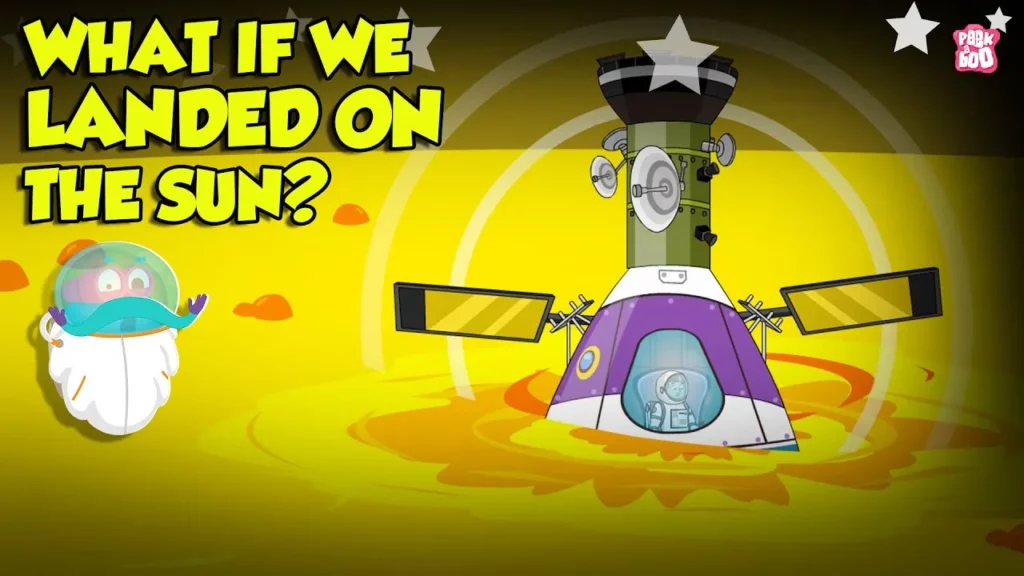
In this lesson, students embark on an imaginative journey to explore the Sun, starting from its scorching corona and descending through its various layers, including the chromosphere, photosphere, convective zone, radiative zone, and finally reaching the core. Along the way, they learn about the extreme temperatures, intense gravity, and fascinating phenomena like solar prominences and sunspots, highlighting the Sun’s immense power and complexity. Ultimately, the lesson encourages appreciation for the wonders of space and the importance of exploration and discovery in understanding our universe.
Invention Of X-Ray | Best Educational Videos for Kids | Preschool Learning
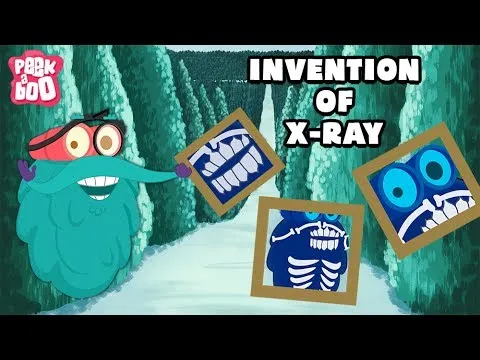
The lesson explores the accidental invention of the x-ray machine by Willem Conrad Röntgen in the late 1800s, which revolutionized medicine by allowing doctors to see inside the human body without surgery. Röntgen’s discovery of x-rays, sparked by his experiments with cathode ray tubes, led to the first x-ray photograph and earned him global recognition, including the first Nobel Prize in Physics. Beyond medicine, x-rays have also found applications in art and archaeology, showcasing their broad impact on various fields.
Formation Of The Earth | Earth Day Special | How EARTH Was Formed?
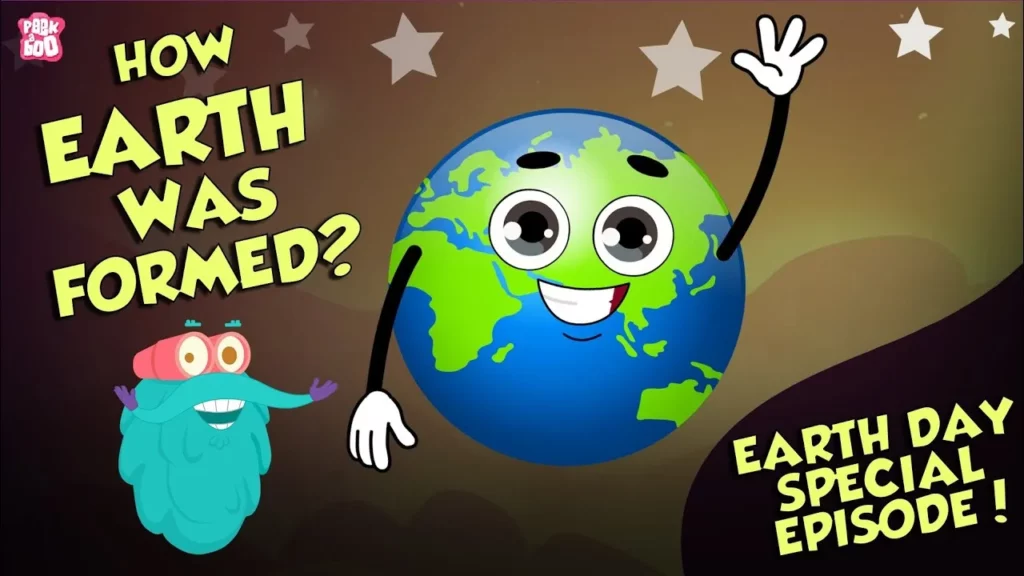
The lesson explores the fascinating journey of Earth’s formation, beginning with the Big Bang approximately 13.8 billion years ago and leading to the creation of our planet around 4.5 billion years ago. It details the hostile conditions of early Earth, the cooling process that allowed for the formation of oceans and landmasses, and the ongoing movement of continents through plate tectonics. Ultimately, the lesson emphasizes the importance of understanding Earth’s history to appreciate and protect our planet for future generations.
The Journey of Lionel Messi | Story of Leo Messi | The GOAT of Football
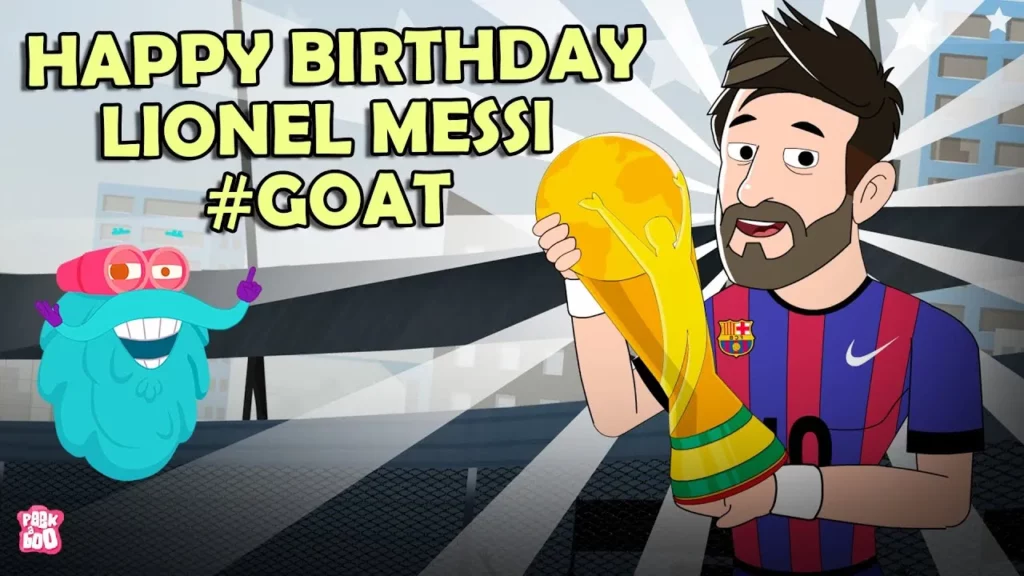
The lesson chronicles the inspiring journey of Lionel Messi, highlighting his early life in Rosario, Argentina, where he developed a passion for football despite facing significant challenges, including a growth hormone deficiency. After moving to Barcelona and overcoming initial struggles, Messi’s talent flourished, leading him to break numerous records and ultimately fulfill his dream of winning the World Cup with Argentina in 2022. His story serves as a powerful reminder of resilience, hard work, and the pursuit of dreams.
What If We Dumped Our Trash Into VOLCANOES?
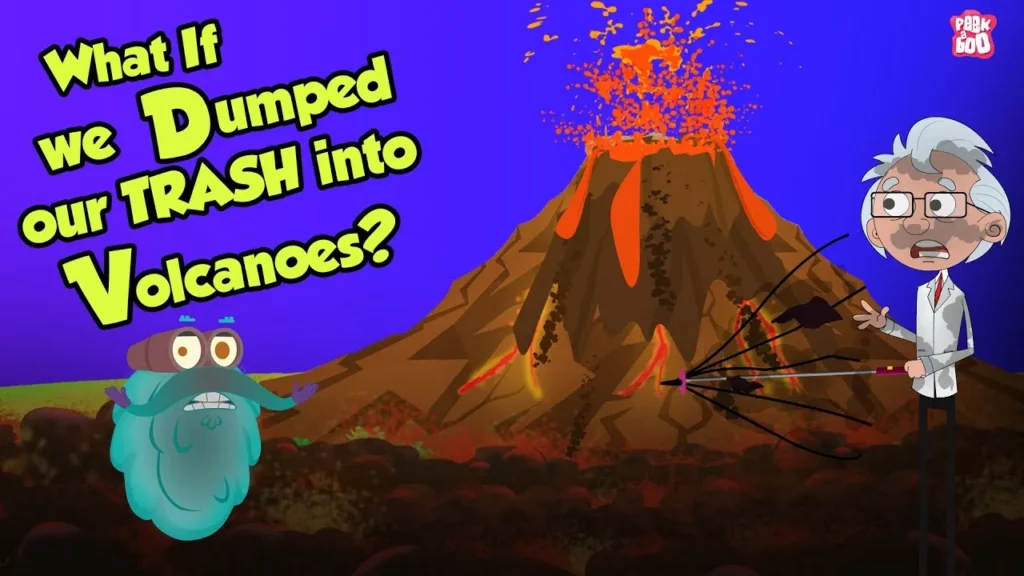
The lesson explores the idea of disposing of trash in volcanoes, highlighting the complexities and dangers associated with this method. It discusses the global waste crisis, the logistical challenges of transporting garbage to active volcanoes, and the safety and environmental risks involved, ultimately concluding that safer and more effective alternatives, such as specialized incinerators, should be pursued for waste management.
What Was The Deadliest Dinosaur? | Most Dangerous Dinosaur
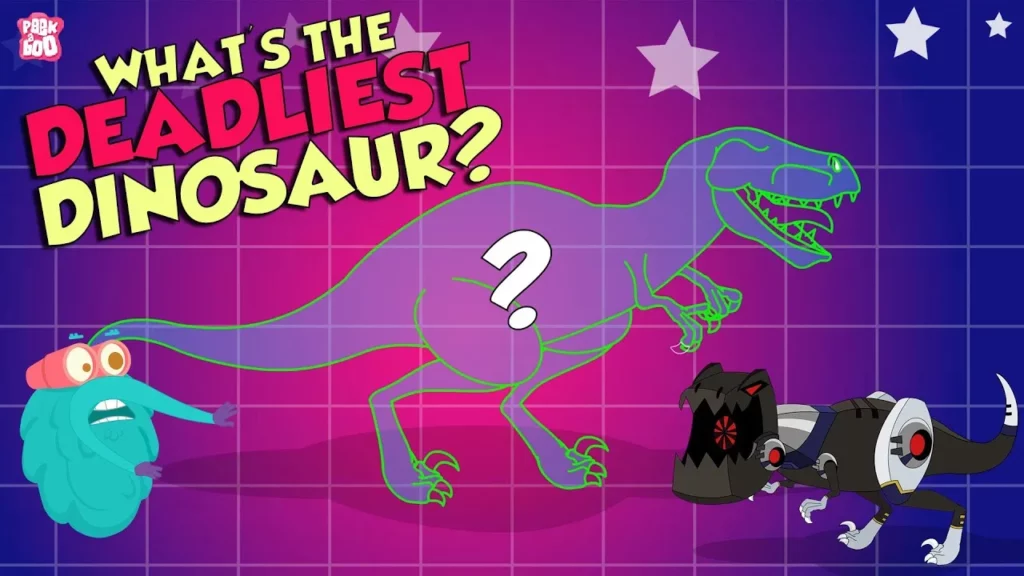
The lesson explores the Tyrannosaurus rex, known as the “king of the tyrant lizards,” highlighting its impressive size, strength, and hunting techniques that made it a formidable predator during the late Cretaceous period. With its powerful bite, keen senses, and unique feeding methods, the T-rex played a significant role in its ecosystem, and its historical discovery has greatly contributed to our understanding of dinosaurs. Overall, the T-rex remains a captivating subject of study, symbolizing the awe-inspiring nature of prehistoric life.