
Why did Greater Colombia Collapse?
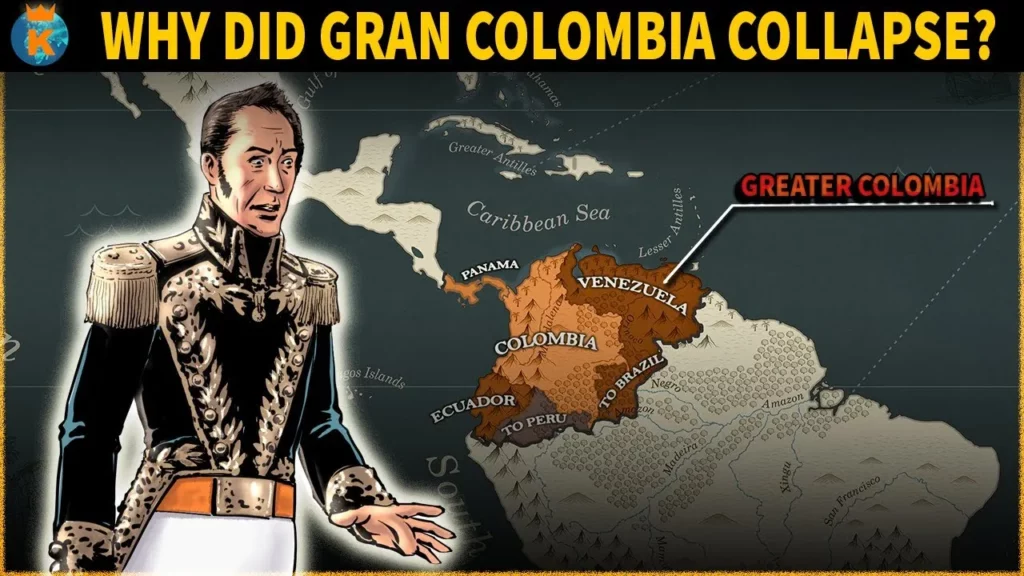
The lesson explores the rise and fall of Gran Colombia, a significant political entity in the Spanish Americas from 1819 to 1831, which included present-day Colombia, Ecuador, Panama, and Venezuela. Despite its initial promise and recognition, Gran Colombia faced severe internal divisions over governance and representation, particularly between centralists and federalists, leading to political instability and conflict. Ultimately, the inability to address these tensions and the failure of leadership, particularly under Simón Bolívar, resulted in the dissolution of Gran Colombia by 1831, giving rise to separate republics.
The Austro-Prussian War – Explained in 11 Minutes
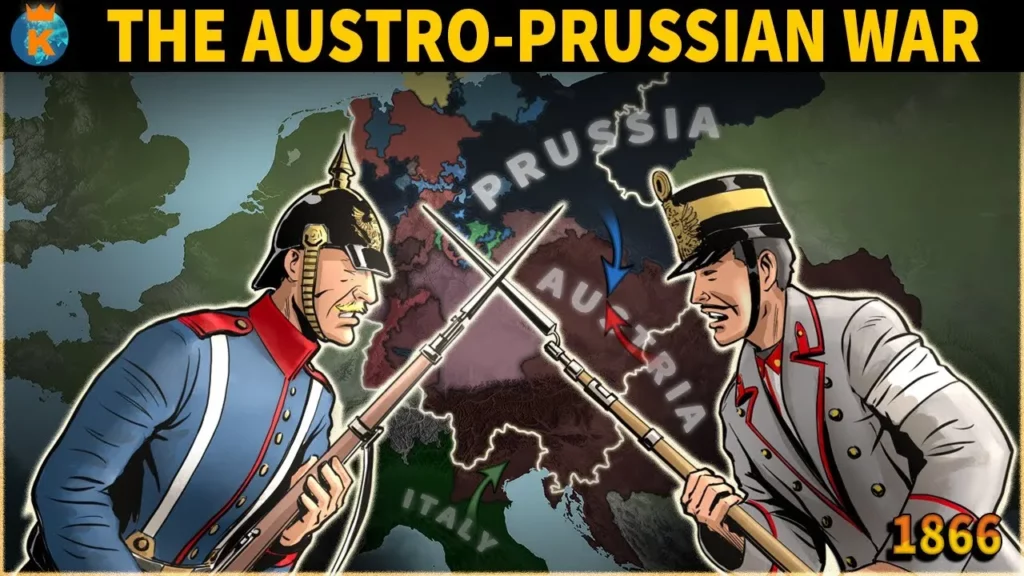
The Austro-Prussian War marked a significant conflict between the Austrian Empire and the rising Prussian state in the mid-1800s, driven by political tensions and alliances, particularly with Italy. The war culminated in the decisive Battle of Königgrätz, where Prussia’s superior tactics and weaponry led to a swift victory, resulting in the Peace of Prague that solidified Prussia’s dominance in Central Europe and set the stage for the eventual unification of Germany under Prussian leadership, excluding Austria. Ultimately, the war deepened the rift between Prussia and Austria, reshaping the political landscape of the region.
Why wasn’t Japan colonized?
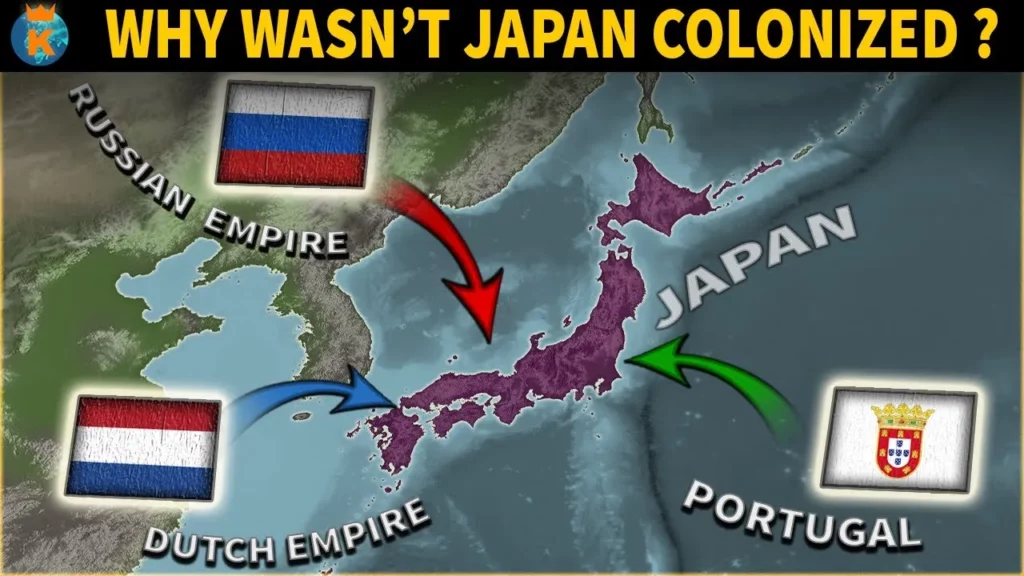
Japan managed to avoid colonization due to its emergence as a colonial power in the late 19th century, which allowed it to assert control over territories like Taiwan and Korea. Additionally, Japan’s strategic response to early European influence, including the ban on Christian evangelization and the development of military capabilities, made it difficult for European powers to establish dominance. Ultimately, Japan’s geographical distance, lack of appealing resources, and military preparedness contributed to its sovereignty during the age of colonization.
How did Portugal and Spain Plan to “Conquer” the World?
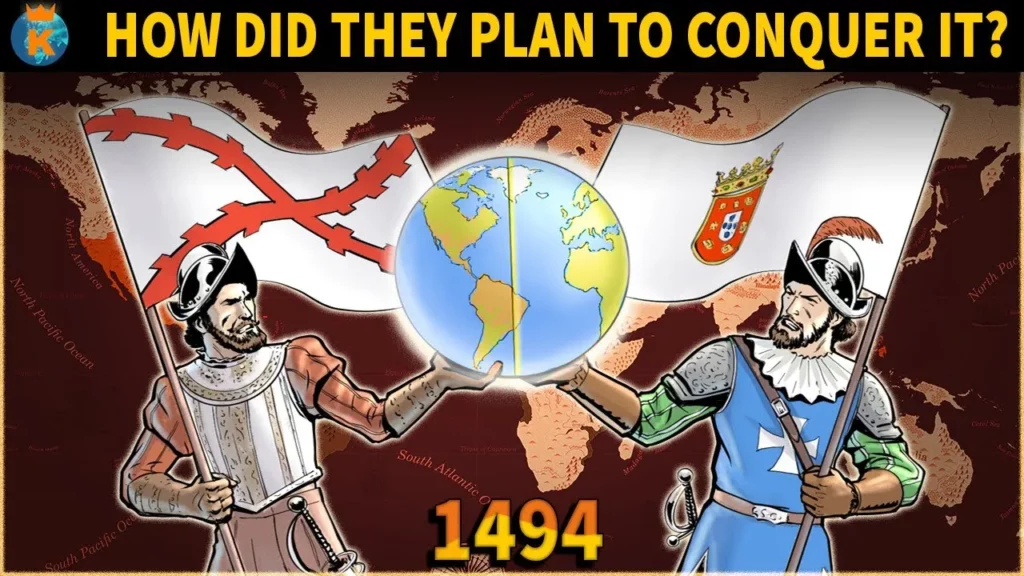
The lesson explores how Portugal and Spain navigated territorial disputes during the early modern era, particularly following Columbus’s discovery of the New World. To prevent conflict over newly discovered lands, they negotiated the Treaty of Tordesillas in 1494, which divided the world into spheres of influence, with Spain claiming territories to the west and Portugal to the east. This agreement, influenced by papal authority, shaped colonial expansion and remained relevant until later treaties in the 18th century, despite being largely ignored by other European powers.
Why didn’t Japan Attack the Soviet Union in World War 2?
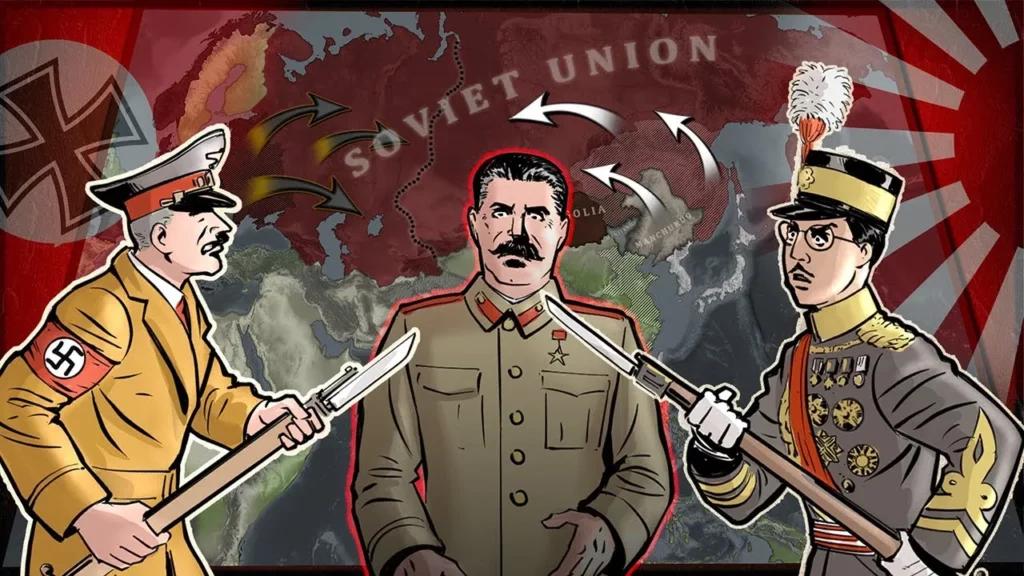
The lesson explores Japan’s decision not to attack the Soviet Union during World War II, despite the opportunity presented by Germany’s invasion of the USSR. Internal divisions within Japan’s military, previous defeats in border skirmishes, and the signing of a neutrality pact with the Soviets led to a strategic focus on expanding westward instead. Ultimately, Japan prioritized its resources on conflicts with the United States and China, recognizing that an invasion of the Soviet Union would likely result in significant casualties and complications.
Why didn’t Rome Conquer Germania?
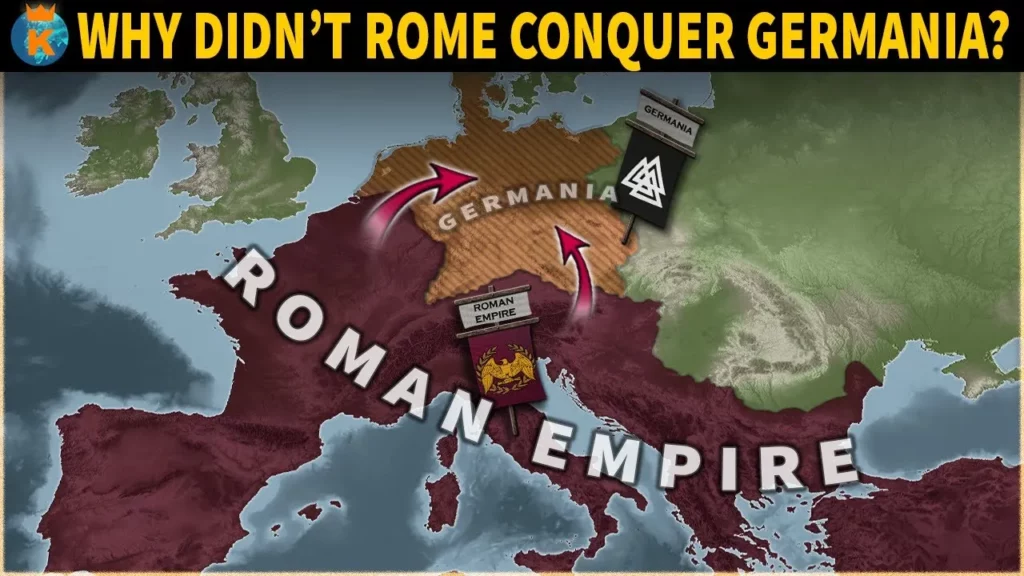
The lesson explores the reasons behind Rome’s failure to conquer Germania, despite initial ambitions for expansion following their control of Gaul. Key factors included fierce resistance from Germanic tribes, particularly highlighted by the devastating defeat of Roman forces at the Battle of Teutoburg Forest, which led to a strategic reevaluation and ultimately a decision to maintain the Rhine as the boundary of the Empire. This experience underscored the challenges of expansion and the recognition that some territories were too costly to conquer.
How was England formed?
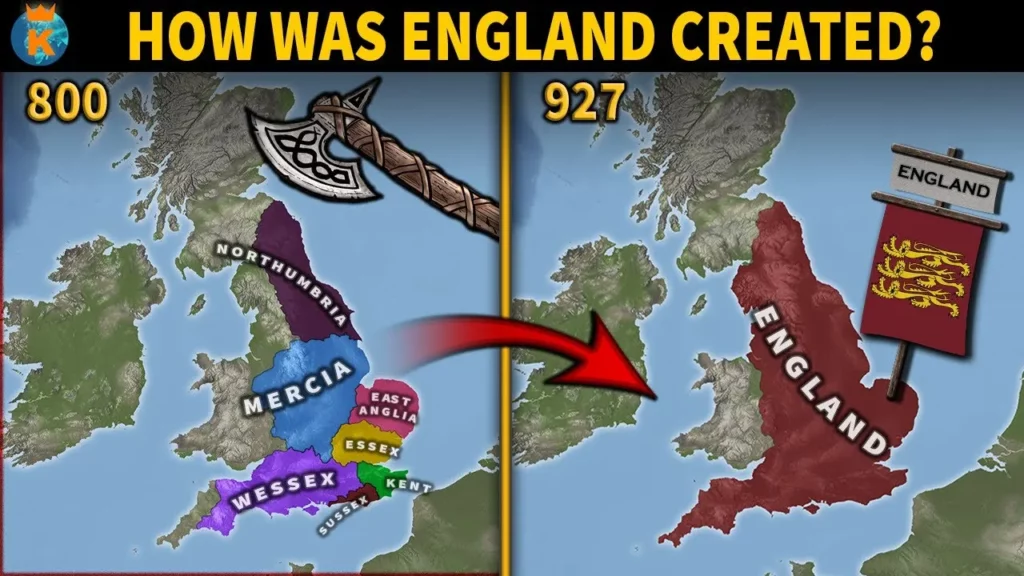
The lesson explores the formation of England, tracing its history from the Anglo-Saxon migrations following the Roman withdrawal to the establishment of various kingdoms and the impact of Viking invasions. It highlights key figures such as King Alfred and his successors, who played crucial roles in unifying the Anglo-Saxon territories into a single kingdom by the 10th century. Ultimately, the lesson emphasizes that the complex journey of England’s formation laid the groundwork for the modern nation we recognize today.
Why isn’t Eastern Germany Religious?
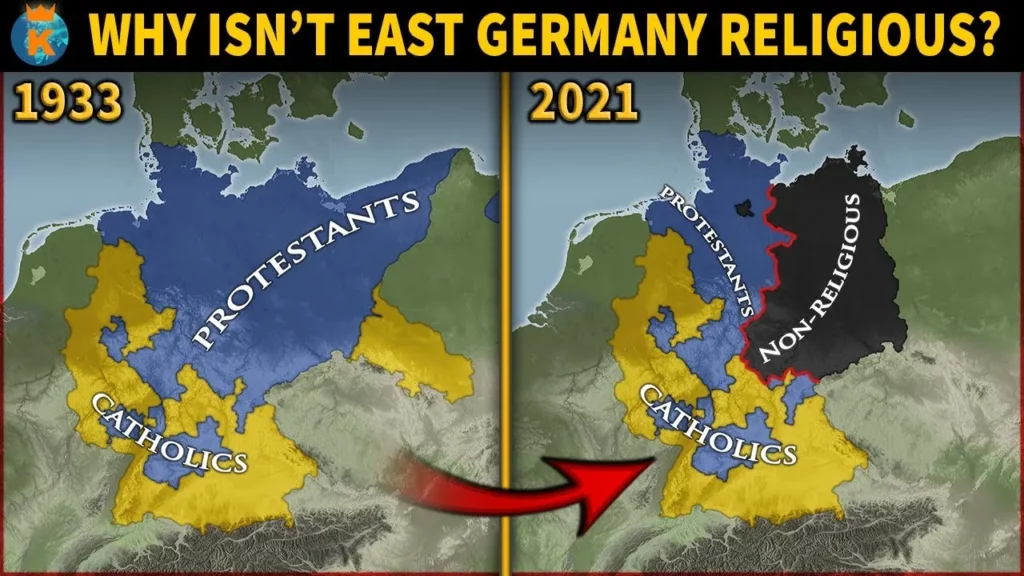
The lesson explores the decline of religious affiliation in Eastern Germany, tracing its roots to historical events such as the Protestant Reformation, World War II, and the Cold War. The oppressive policies of the communist regime, which promoted state-sponsored atheism and suppressed religious institutions, significantly contributed to the region’s secularism. Despite hopes for a revival of Christianity after the fall of the Berlin Wall, a combination of growing secularism and the lasting impact of the communist era has led to a substantial portion of the population identifying as atheist or non-religious.
Why didn’t the USSR annex Eastern Europe after World War 2?
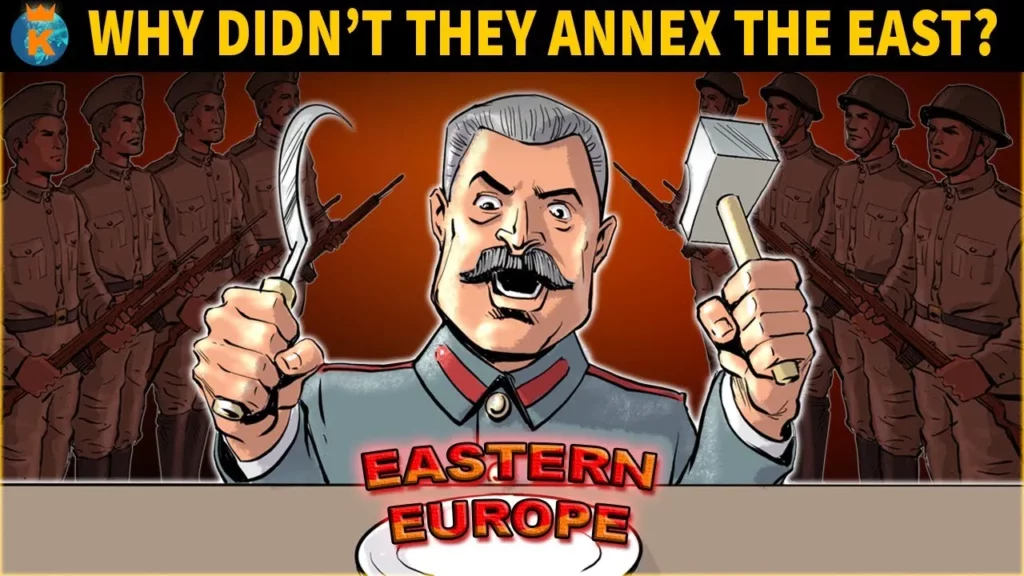
The lesson explores why the Soviet Union did not fully annex Eastern Europe after World War II, despite its significant influence in the region. It highlights that the USSR, while seeking to establish pro-Soviet governments, faced limitations in military and economic resources, and the potential for unrest in newly acquired territories made full annexation impractical. Ultimately, the strategy of maintaining influence without direct control allowed the USSR to avoid further destabilization and manage its internal challenges more effectively.
How did The United States plan to fight the British Empire before WW2?
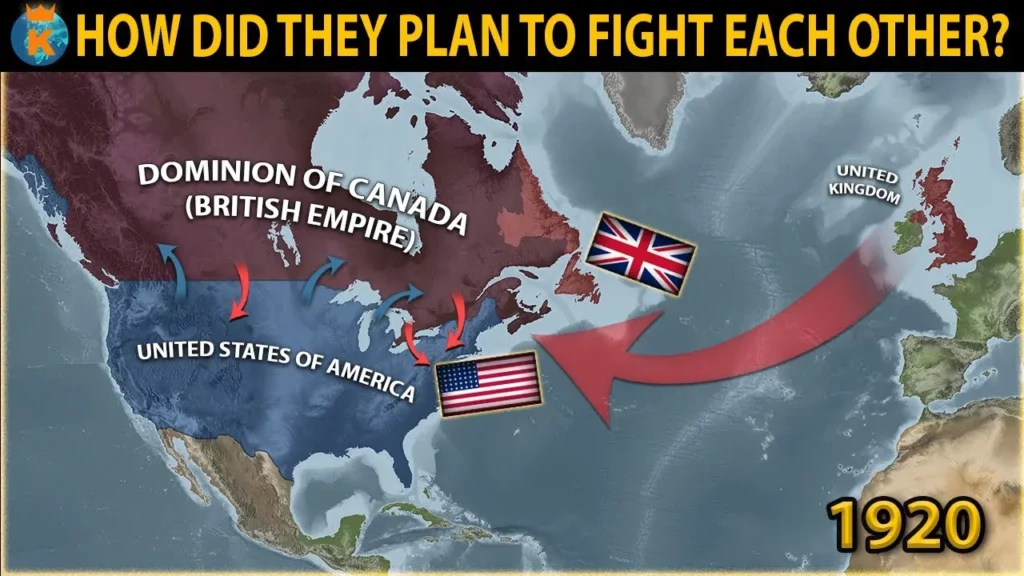
The lesson explores the complex historical relationship between the United States and the British Empire leading up to World War II, highlighting periods of tension and conflict, such as the War of 1812 and the aftermath of World War I. Despite these challenges, both nations developed strategies, including War Plan Red, to prepare for potential conflicts, though these plans were ultimately never enacted. The onset of World War II marked a significant shift, as the US and UK united in a strong alliance, solidifying their partnership and diminishing previous hostilities.