
How did Rome Conquer Italy? – History of the Roman Empire – Part 2
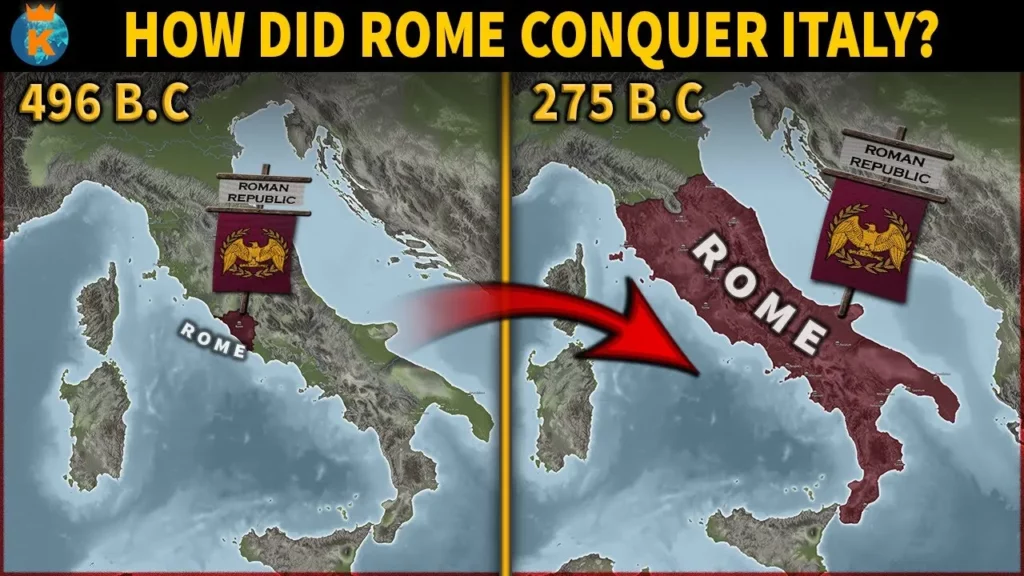
The lesson outlines the key events in Rome’s conquest of Italy, highlighting significant battles such as the Battle of Lake Regillus and the Battle of Mount Algidus, which showcased Rome’s military prowess against various tribes and coalitions. Despite facing challenges, including a devastating defeat by the Gauls, Rome ultimately regrouped and secured victories that solidified its dominance in the region. This expansion laid the groundwork for future conflicts, particularly with Carthage, marking a pivotal moment in the rise of the Roman Empire.
Why didn’t the Ottomans conquer Persia?
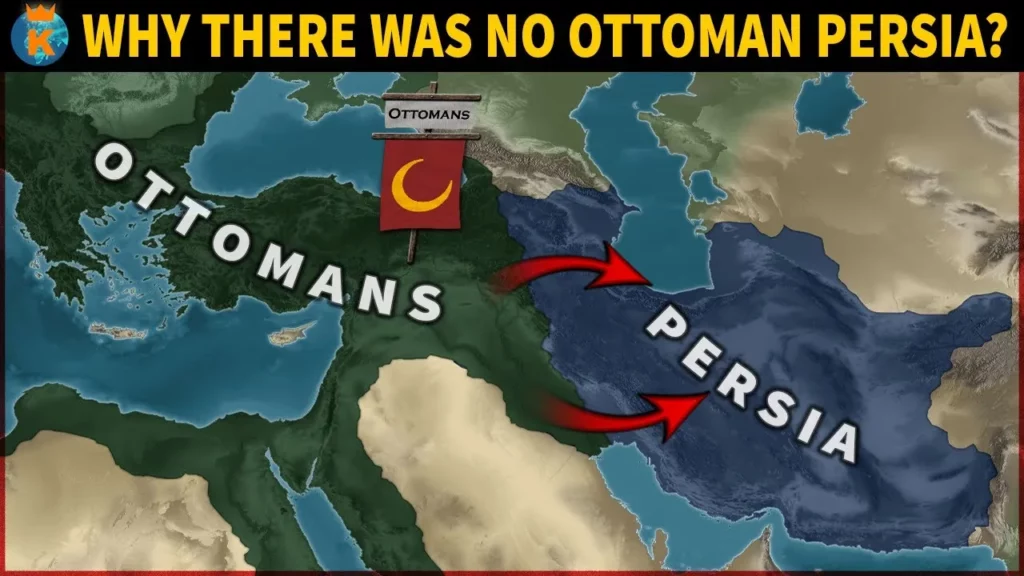
The lesson explores the reasons why the Ottoman Empire, despite its vast power, did not successfully conquer Persia. Key factors include the challenging geographical terrain that hindered military campaigns, the deep-seated religious rivalry between Sunni Ottomans and Shi’ite Persians, and internal dissent within the Ottoman ranks, all of which made further expansion into Persia a low priority and ultimately unfeasible. The lesson highlights that, despite several conflicts, the Ottomans were unable to maintain control over Persian territories, leading to a stalemate by the end of their military engagements.
How did the Mongols Conquer China?
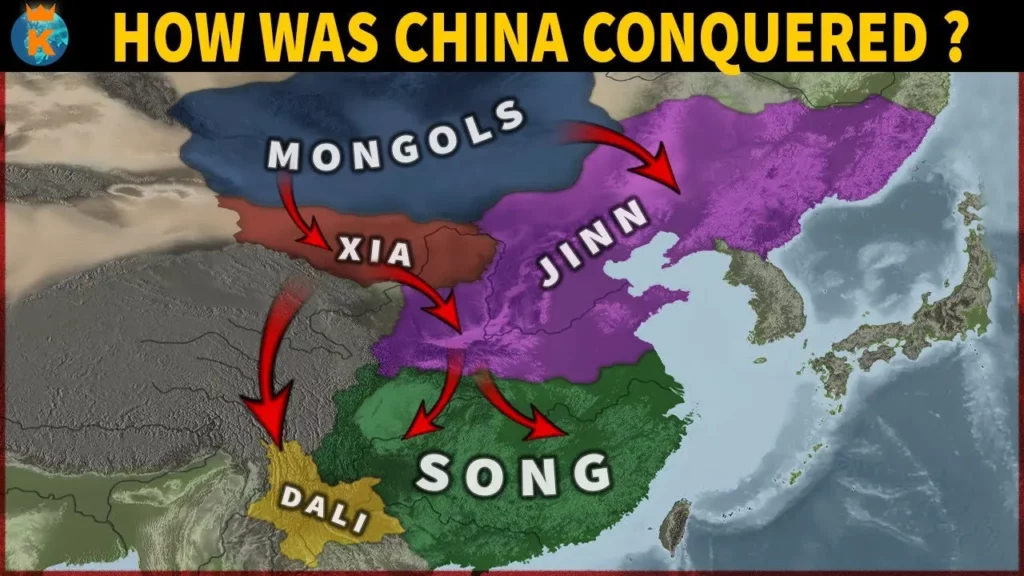
The lesson explores how the Mongols, under the leadership of Genghis Khan and later Kublai Khan, successfully conquered a divided China, which consisted of multiple kingdoms and dynasties. Key factors in their success included strategic military campaigns against Western Xia, the Jin dynasty, and the Southern Song, as well as the lack of unity among Chinese states and local support for the Mongols. Ultimately, this conquest led to the establishment of the Yuan dynasty, marking a significant moment in history characterized by remarkable strategy and leadership.
Why didn’t Rome conquer Persia?
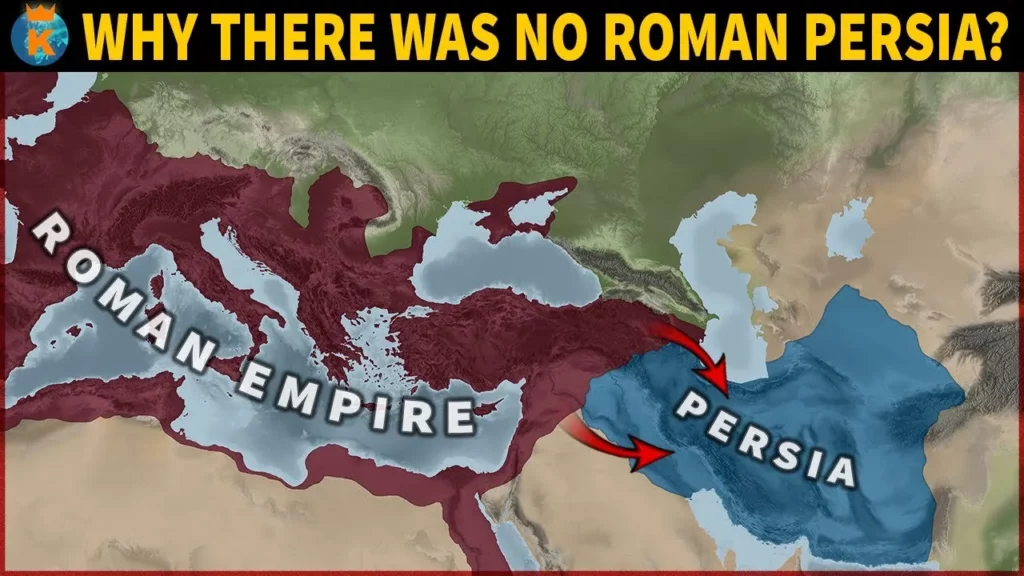
The lesson explores the reasons behind Rome’s failure to conquer Persia, highlighting the strength of the Parthian and Sassanian empires, as well as the geographic challenges and internal issues faced by Rome. Despite several military campaigns and temporary successes, Rome’s ambitions were hampered by distractions from internal conflicts and external threats, ultimately preventing them from establishing lasting control over Persia. The lesson concludes that a combination of these factors led to Rome’s inability to conquer this powerful region throughout history.
How did Bosnia become 50% Muslim?
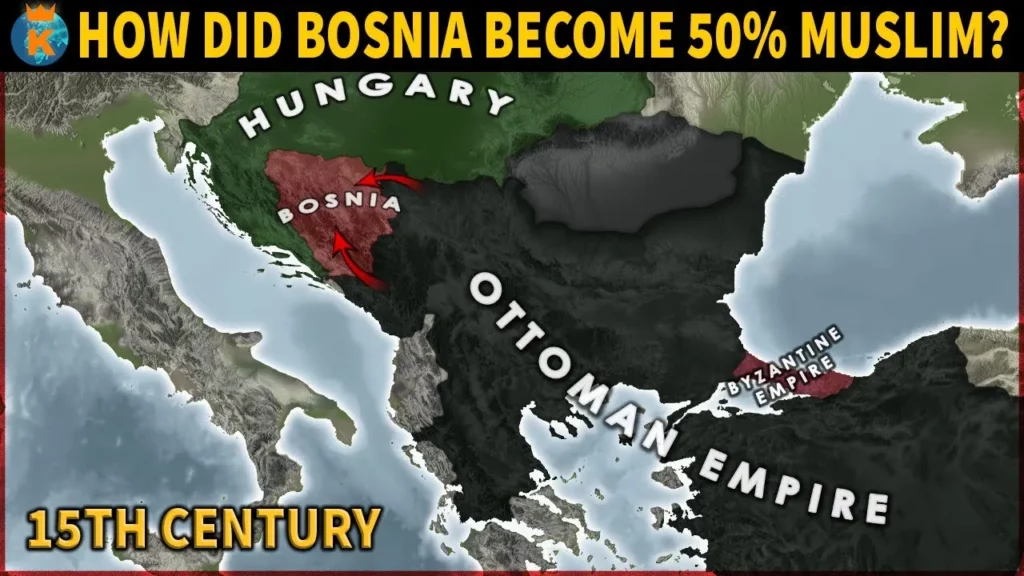
The lesson explores the historical transformation of Bosnia into a region with a significant Muslim population, tracing its roots back to the Ottoman Empire’s arrival in the 14th century. Despite being surrounded by predominantly Christian communities, Bosnia’s earlier religious landscape, characterized by a lack of strong allegiance to either Catholicism or Orthodoxy, made it more receptive to Islam. The Ottoman Empire’s policies of religious tolerance and the socio-political advantages of converting to Islam further facilitated this shift, resulting in approximately half of Bosnia’s population identifying as Muslim today.
How did Germany plan to capture Russian Oil Fields in World War 1?
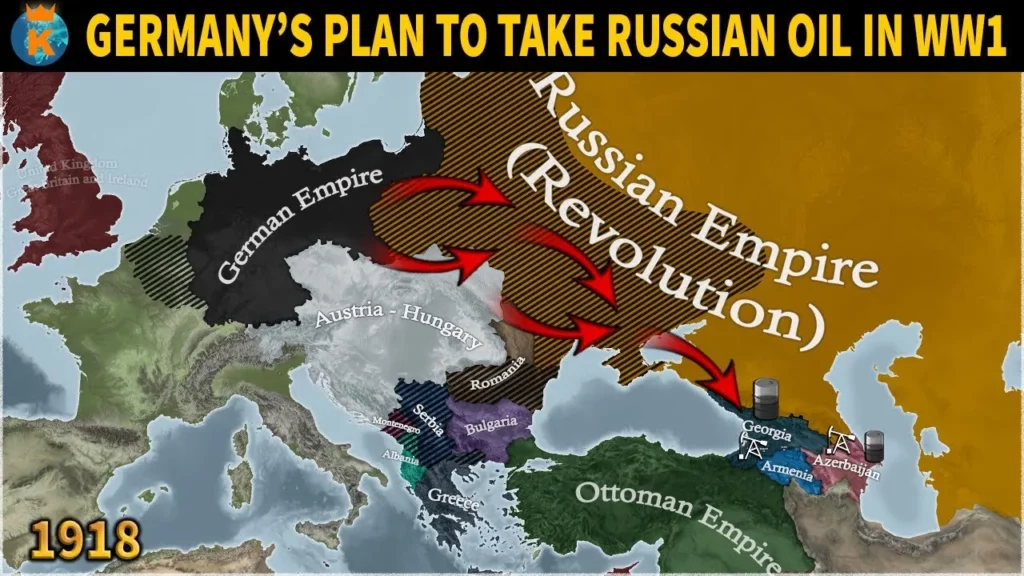
The lesson explores Germany’s strategic plans during World War I to capture Russian oil fields in the Caucasus, highlighting the interplay of military and diplomatic efforts involving the Ottoman Empire and British interests. Despite initial successes and support for the Ottomans, Germany’s ambitions were ultimately thwarted by political turmoil and the war’s conclusion, leading to the abandonment of their campaign for the Baku oil fields. This narrative underscores the complexities of wartime strategies and the significance of resource control in shaping geopolitical dynamics.
Why wasn’t Ethiopia Colonized?
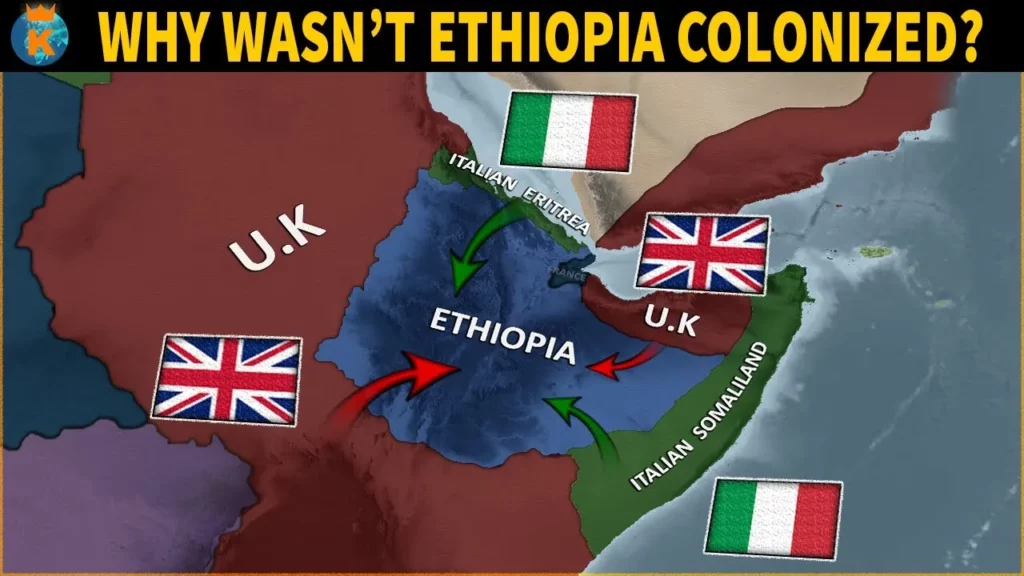
The lesson explores Ethiopia’s remarkable ability to resist colonization during the 19th and early 20th centuries, particularly against Italian ambitions. Key factors contributing to Ethiopia’s independence included the resilience of its people, the unification of various regional powers under strong leadership, and the successful military strategies employed during pivotal conflicts like the Battle of Adwa in 1896. Despite facing challenges, including a later invasion in 1935, Ethiopia ultimately maintained its sovereignty, highlighting its unique historical position in the context of African colonization.
Why did the Swedish Empire Collapse?
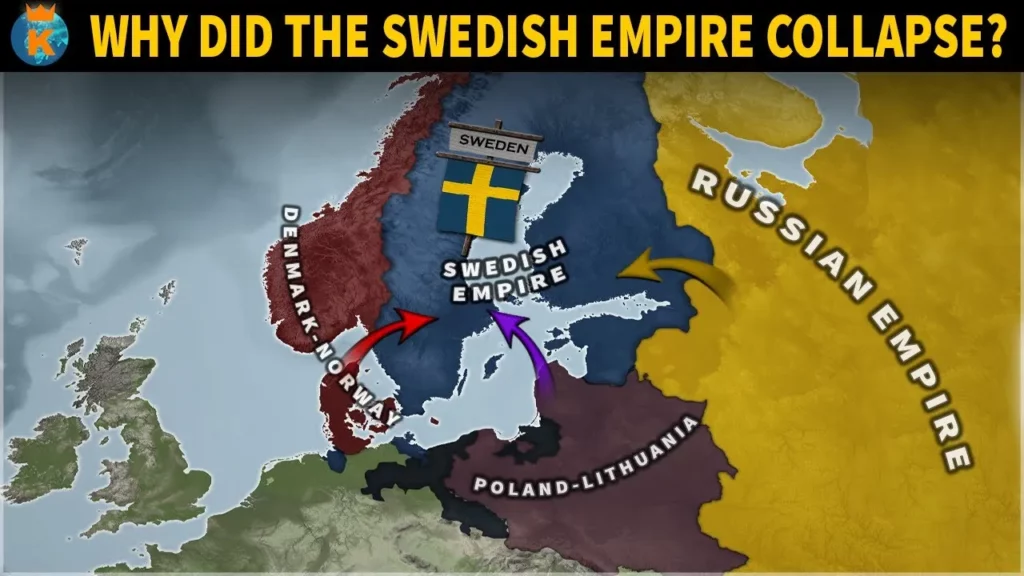
The lesson explores the rise and fall of the Swedish Empire, which began under King Gustav Vasa and reached its peak with Gustavus Adolphus during the Thirty Years’ War. Despite initial successes, the empire faced significant internal challenges, including financial mismanagement and political instability, particularly under Queen Christina and subsequent rulers. Ultimately, external pressures and military defeats, especially during the reign of Charles XII, led to the empire’s decline and loss of power by the early 18th century.
Why did the Iberian Union Fail?
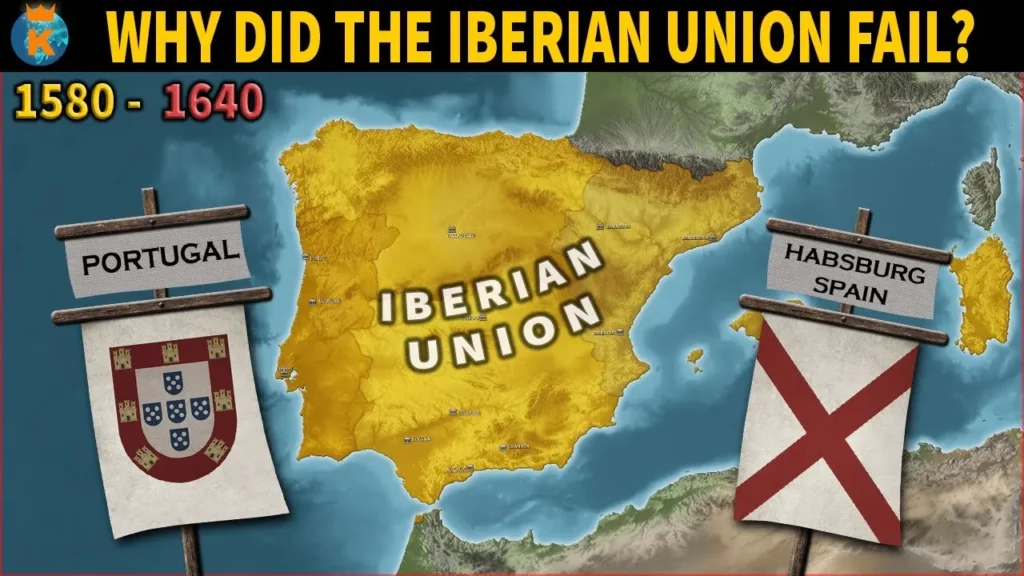
The lesson explores the reasons behind the failure of the Iberian Union, which attempted to unite Spain and Portugal under the Habsburg monarchy. Key factors included the Portuguese dissatisfaction with Spanish rule, the imposition of higher taxes, the replacement of Portuguese officials with Spaniards, and the expectation to support Spanish military efforts, all of which fostered resentment and a desire for independence. Ultimately, these grievances culminated in the Portuguese Restoration War, leading to Portugal’s independence recognized by the Treaty of Lisbon in 1668.
How did Skanderbeg Betray The Ottomans? – Part 1
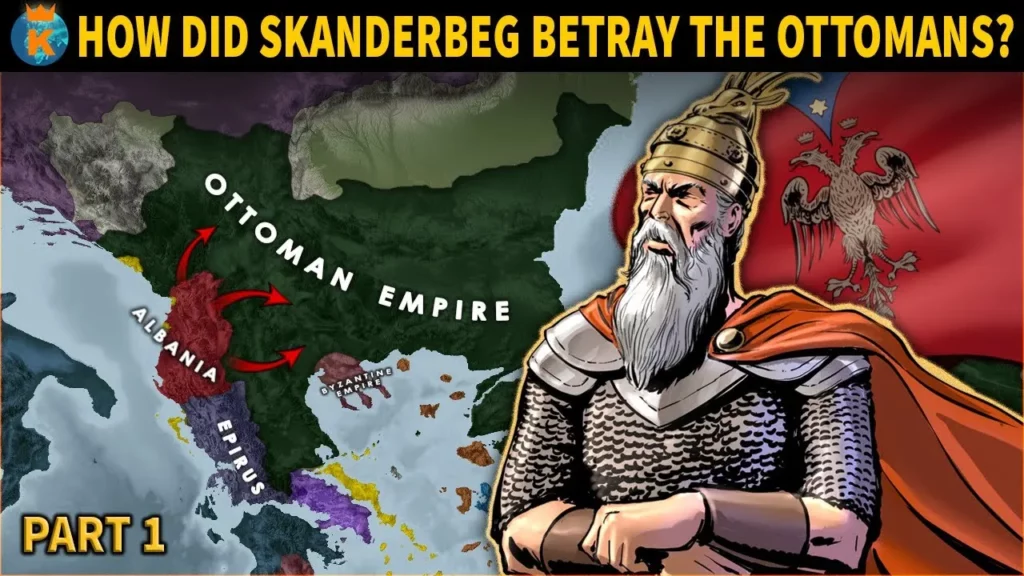
The lesson explores the life of Skanderbeg, originally George Castrioti, who transitioned from an Ottoman hostage and military leader to a national hero of Albania. After defecting from the Ottomans in the early 1440s, he rallied Albanian forces, formed the League of Lezhë, and achieved significant victories against the Ottoman Empire, marking the beginning of a fierce resistance that would solidify his legacy. Skanderbeg’s strategic military prowess and his ability to unite various factions against a common enemy played a crucial role in his fight for Albanian independence.