
Atomic Rant
The lesson “Rethinking the Atom: A Modern Perspective” explores the evolution of our understanding of atomic structure, moving away from the outdated Bohr-Sommerfeld model that depicts electrons in fixed orbits around the nucleus. Instead, it introduces the quantum mechanical model, which describes electrons as existing in probabilistic “fuzzy” clouds, represented by various orbitals. The lesson emphasizes the importance of updating visual representations of atoms in educational and marketing materials to reflect this modern understanding, promoting a more accurate view of atomic science.
Nobel Prize Winner Brian Schmidt – Physics 2011
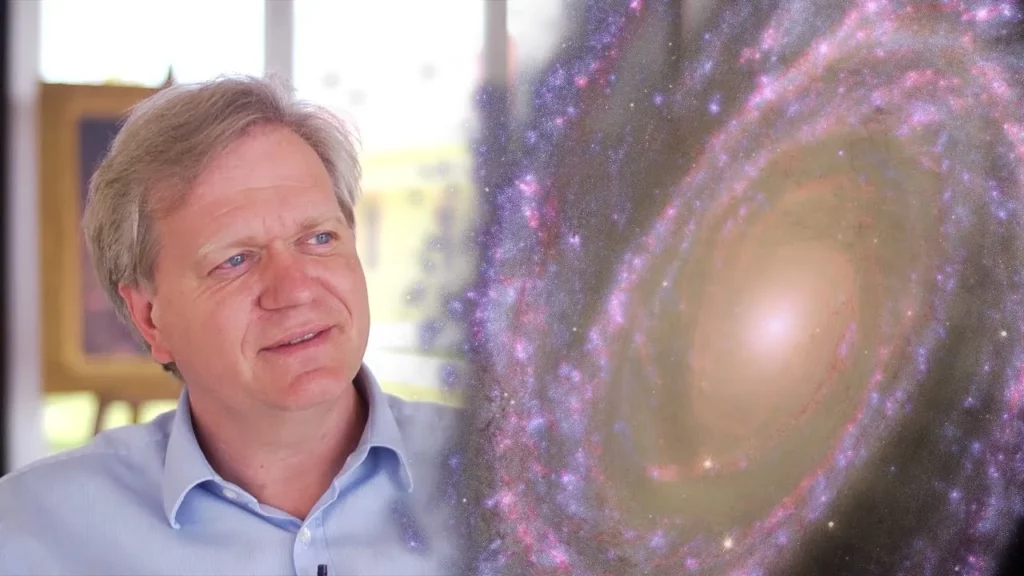
In an interview with Nobel Prize winner Professor Brian Schmidt, he discussed his groundbreaking discovery of Dark Energy, which revealed that the universe’s expansion is accelerating, contrary to previous beliefs that gravity would slow it down. This finding, which constitutes about 73% of the universe, challenges traditional concepts of gravity and highlights the need for a deeper understanding of its nature, suggesting potential connections between gravity and quantum mechanics. Professor Schmidt’s reflections underscore the significance of this discovery in shaping future explorations in physics and our understanding of the cosmos.
Make Plasma With Grapes In The Microwave!
The lesson on “Exploring Plasma Creation with Grapes” at the University of Sydney demonstrated the fascinating process of plasma formation by microwaving a specially prepared grape. Key findings revealed that factors such as moisture content, grape structure, and container choice significantly influenced plasma production, leading to spectacular visual effects. The experiment emphasized the importance of safety and scientific inquiry, with plans for future investigations to deepen understanding of plasma creation.
A Human Being Is A Part Of The Whole

The lesson “Understanding Our Place in the Universe” emphasizes that the feeling of separation from the universe is an illusion that can trap us in self-centered desires. By expanding our circle of compassion and recognizing our interconnectedness with all living things, we can break free from this isolation and cultivate a sense of inner security and peace. Ultimately, embracing love and compassion allows us to experience a deeper connection with the universe and enhances our overall happiness.
World’s Longest Straw

In “The Science of Sucking: Exploring Straw Mechanics,” friends Nige and Quan embark on a playful experiment to understand the mechanics of straws, starting with the idea of creating an impossibly long straw to drink from a distance. Through their trials, they learn that suction works by creating a pressure difference, allowing atmospheric pressure to push liquid up the straw, and they discover the physical limitations of this process when Nige attempts to draw liquid through a 10.3-meter tube. Their exploration highlights the connection between everyday experiences and the principles of physics, demonstrating how curiosity can lead to deeper understanding.
What Colour Is Most Attractive?

The lesson explores the superficial nature of the Sydney dating scene by examining how physical appearance and clothing color influence attraction. A survey revealed that while many participants rated models dressed in red as more attractive, opinions on the importance of color varied, highlighting the subjective nature of attraction. Ultimately, the findings suggest that both color and personal style significantly impact perceptions of attractiveness in dating contexts.
We Tagged a Great White Shark!

The lesson on shark tagging and research highlights the methods scientists use to study and protect sharks, including the tagging process with pingers and the collection of tissue samples for genetic analysis. It emphasizes the importance of understanding shark behavior and movements to aid in their conservation, especially in light of declining populations due to hunting and environmental changes. Overall, the research is crucial for developing effective strategies to ensure the survival of these vital marine creatures.
Persistence Of Vision
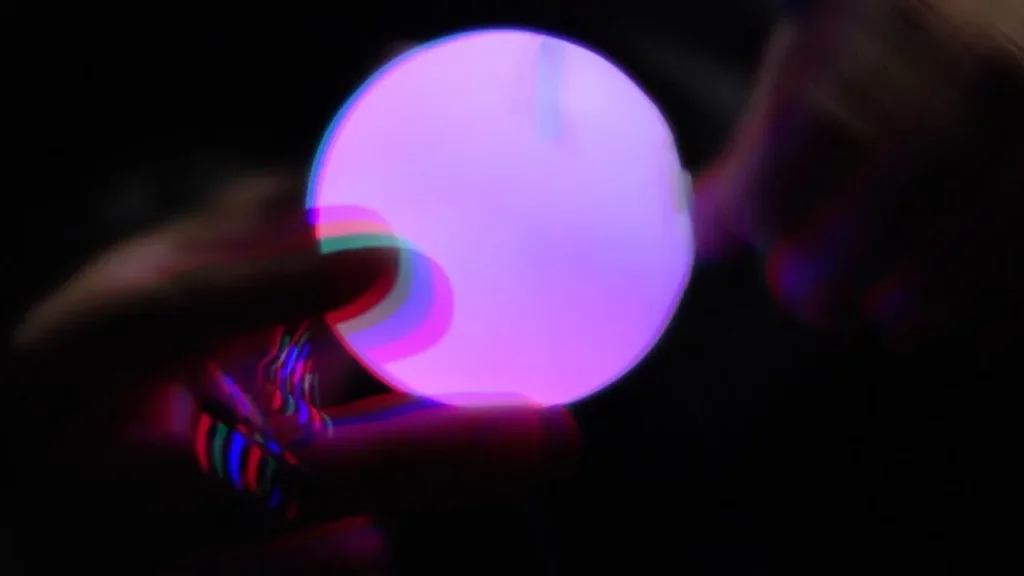
In this lesson, the exploration of color perception is demonstrated through a simple science toy, a spinning ball that appears to change colors based on lighting and motion. The discussion between the narrator and Nigel reveals how our brains process colors, blending them when they are presented rapidly and distinguishing them when they are still. This engaging experiment not only highlights the complexities of color perception but also showcases how casual interactions can lead to meaningful scientific discoveries.
Three Awesome High School Science Projects
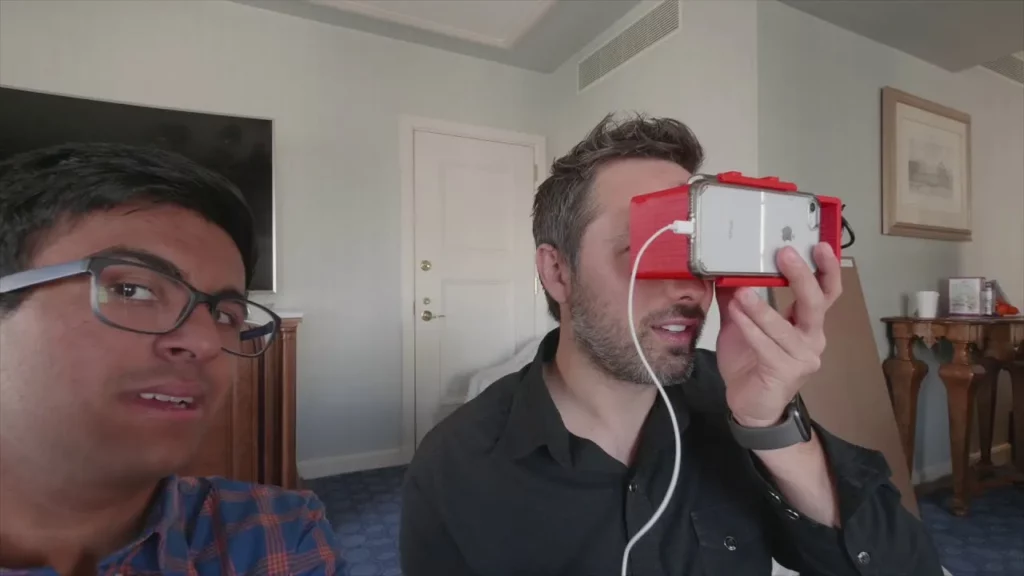
The Regeneron Science Talent Search is a prestigious competition that recognizes the innovative achievements of high school seniors in science and mathematics, culminating in an awards gala where significant monetary prizes are awarded. This year, Ana Humphrey won the top prize of $250,000 for her groundbreaking research on identifying hidden exoplanets, while other finalists showcased remarkable projects addressing critical issues such as eye care and water contamination. The competition not only honors exceptional talent but also inspires young scientists to pursue their passions and contribute to future advancements in their fields.
These Liquids Look Alive!
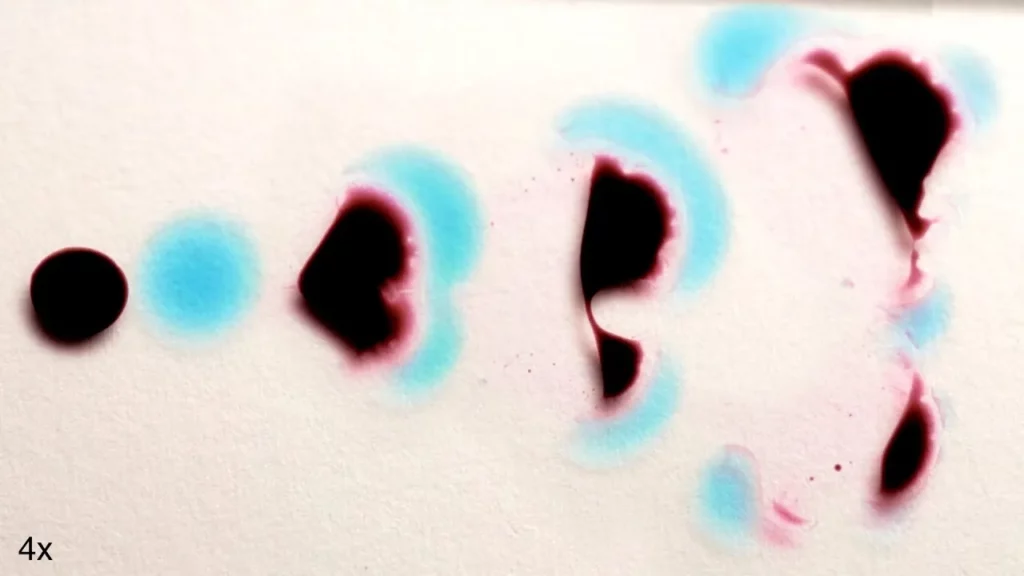
In this lesson, students explore the intriguing behavior of food coloring drops on a surface, demonstrating principles of attraction and repulsion through a simple experiment. By observing how drops of varying concentrations interact—merging or repelling based on their properties—participants gain insights into evaporation, surface tension, and the foundational behaviors that mirror natural processes like chemotaxis. This hands-on activity not only captivates but also connects to broader concepts in biology and the origins of life.