
Why did the British Attack the Chinese? – The First Opium War
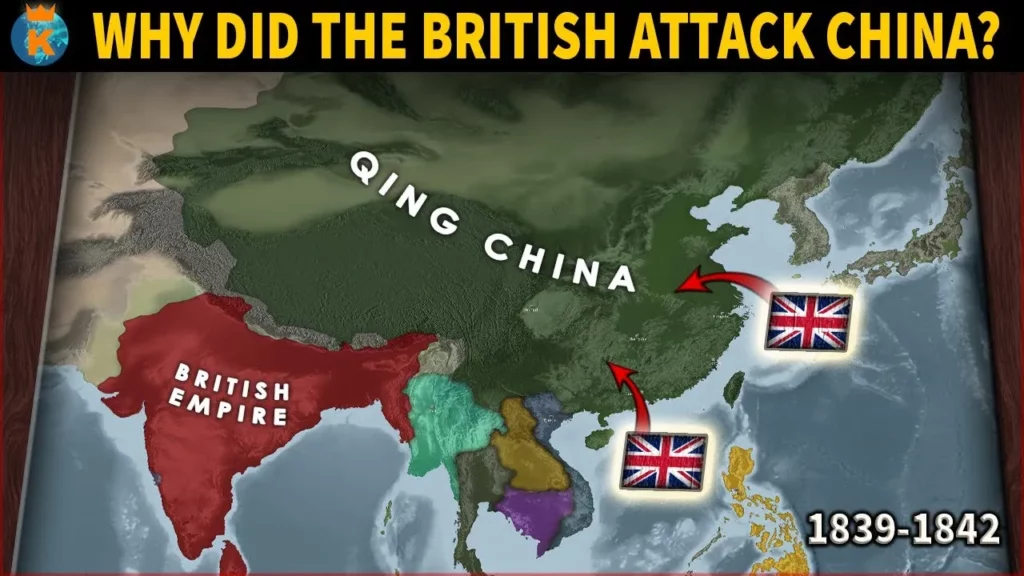
The First Opium War was a conflict driven by Britain’s desire to balance trade with China, which was heavily skewed against them due to the Qing Dynasty’s strict trade regulations. The British East India Company began exporting opium to China to counteract the outflow of silver, leading to widespread addiction and societal issues in China. Tensions escalated when the Qing government attempted to suppress the opium trade, culminating in military confrontations that resulted in the Treaty of Nanking, which favored British interests and marked a significant shift in Sino-British relations.
How did The Silk Road Actually Work?
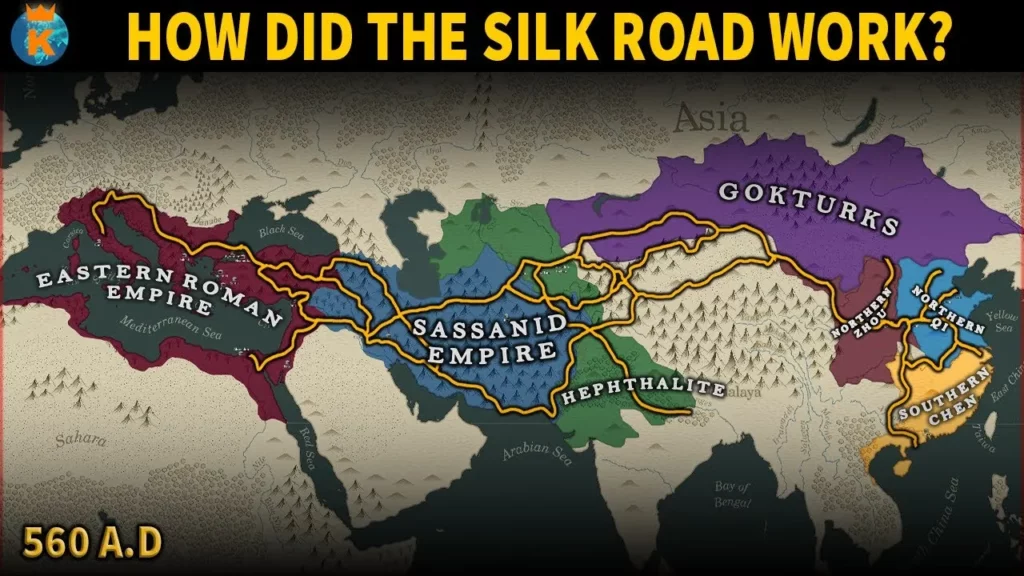
The lesson explores the historical significance of the Silk Road, which was established by the Han Dynasty in 130 BC following Zhang Qian’s explorations in Central Asia. It highlights the Silk Road’s role as a major trade network that facilitated the exchange of goods, ideas, and cultures between East and West, while also noting its impact on warfare and writing through the introduction of gunpowder and paper. Ultimately, the Silk Road served as a crucial bridge in history, connecting diverse civilizations and influencing global interactions until its decline in the face of changing trade routes.
How did the First Punic War Happen? – History of the Roman Empire – Part 3
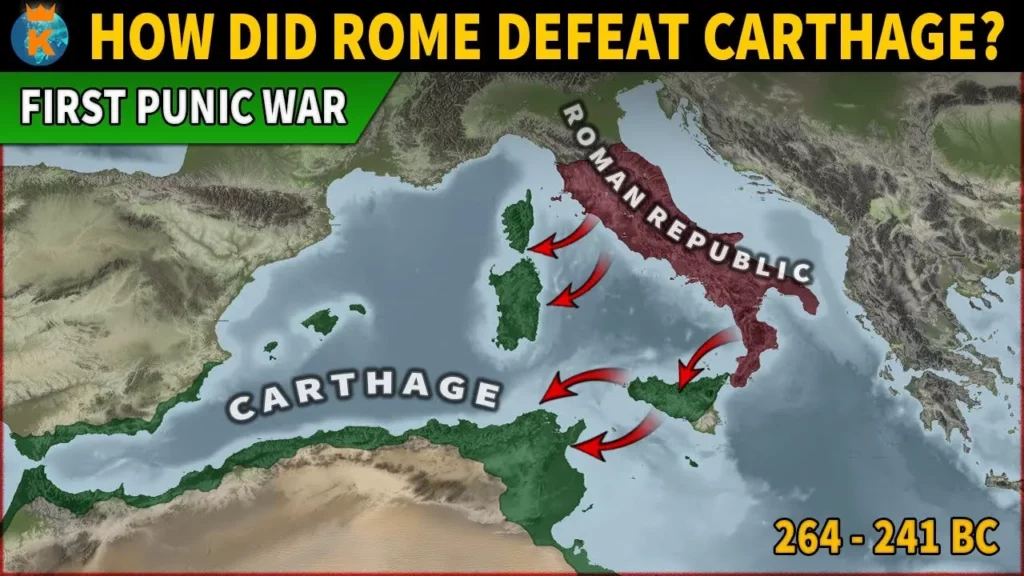
The First Punic War began as both Rome and Carthage sought control over Sicily, ignited by the Mamertines’ request for assistance after seizing Messana. Rome’s decision to intervene led to escalating conflicts with Carthage and its ally Syracuse, resulting in a series of battles both on land and at sea. Ultimately, after 23 years of warfare, Rome emerged victorious with the Treaty of Lutatius, which forced Carthage to relinquish Sicily and pay reparations, solidifying Rome’s dominance in the region.
What did Wilhelm II Think of Hitler?
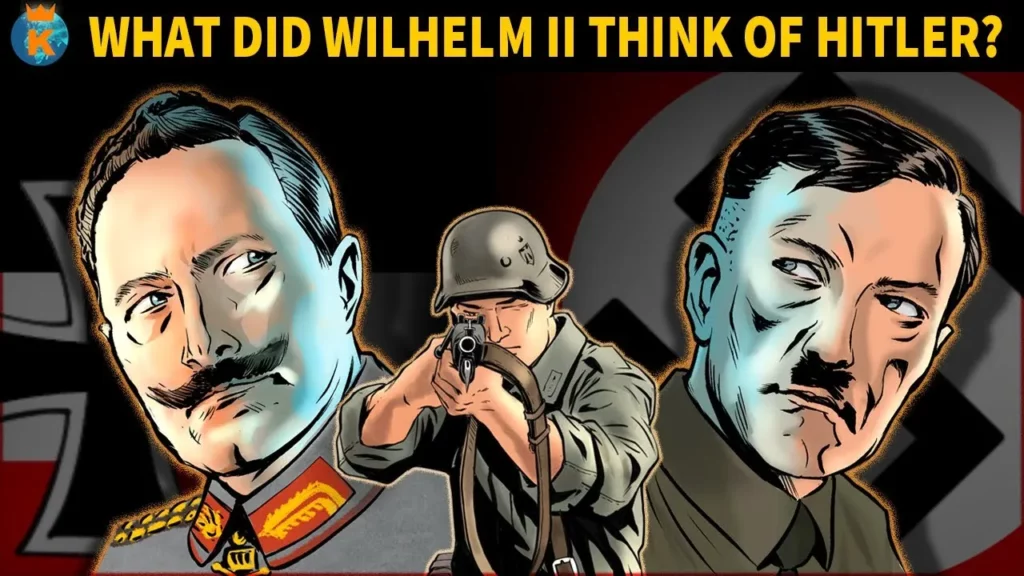
The lesson explores the complex relationship between Wilhelm II, the last emperor of Germany, and Adolf Hitler, highlighting Wilhelm’s disdain for the Weimar Republic and his initial hope that Hitler might restore the monarchy. Despite some early misconceptions, Wilhelm ultimately condemned Hitler’s actions and was horrified by the Nazi regime’s treatment of Jews, leading to a legacy marked by mutual dislike and differing visions for Germany’s future. Wilhelm’s death in 1941 was met with propaganda efforts by the German authorities, despite his wishes for a simple burial in the Netherlands.
Why was The Holy Roman Empire so Dysfunctional?
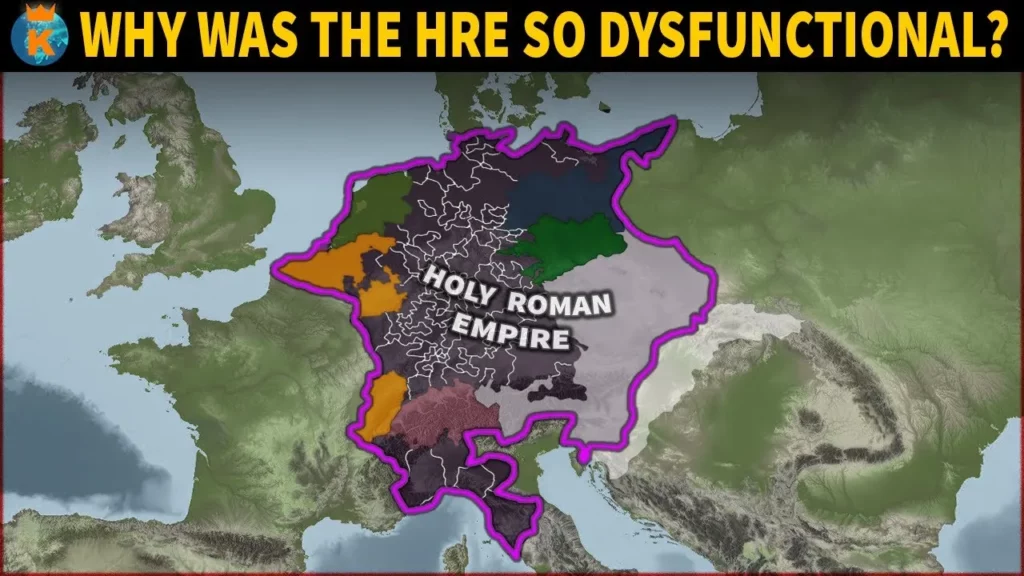
The Holy Roman Empire was a complex and decentralized entity that struggled with a flawed electoral process, leading to significant dysfunction. Its structure, characterized by a mix of independent states and religious conflicts, particularly after the Protestant Reformation, weakened the emperor’s authority and unity within the empire. Ultimately, these challenges culminated in its decline and dissolution in 1806, as external pressures and internal disunity rendered it ineffective.
How did the Phoenicians Colonize the Mediterranean Sea?
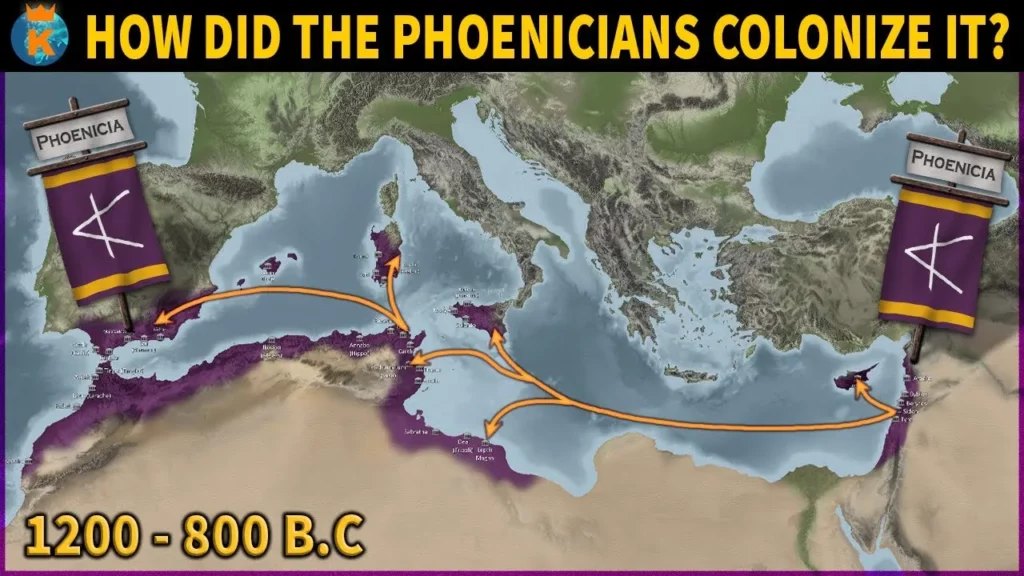
The lesson explores how the Phoenicians, a collection of independent city-states in the Levant, expanded their influence across the Mediterranean primarily through trade rather than conquest. By establishing trading posts and eventually turning them into permanent colonies from the 12th to 6th centuries BC, they facilitated cultural and economic exchanges that left a lasting impact on the region. Their approach to colonization, focused on trade and navigation, set a precedent for future powers in history.
Why was Cesare Borgia so feared?
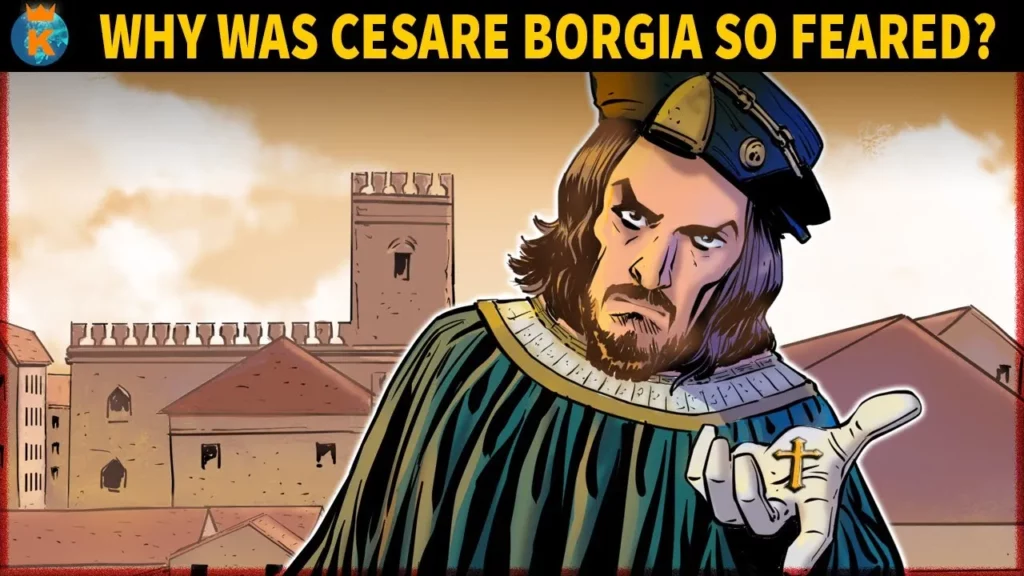
Cesare Borgia, a prominent figure in Renaissance Italy, is remembered for his ambition, strategic prowess, and the fear he instilled in others, as highlighted by Niccolò Machiavelli in *The Prince*. Born into a controversial family, Borgia transitioned from a religious career to a ruthless political leader, leveraging his father’s papal power to establish his own state through conquests and cunning maneuvers. His eventual downfall, marked by the death of his father and subsequent loss of power, serves as a cautionary tale about the fleeting nature of authority and the complexities of political ambition.
How did the Industrial Revolution Actually Happen?
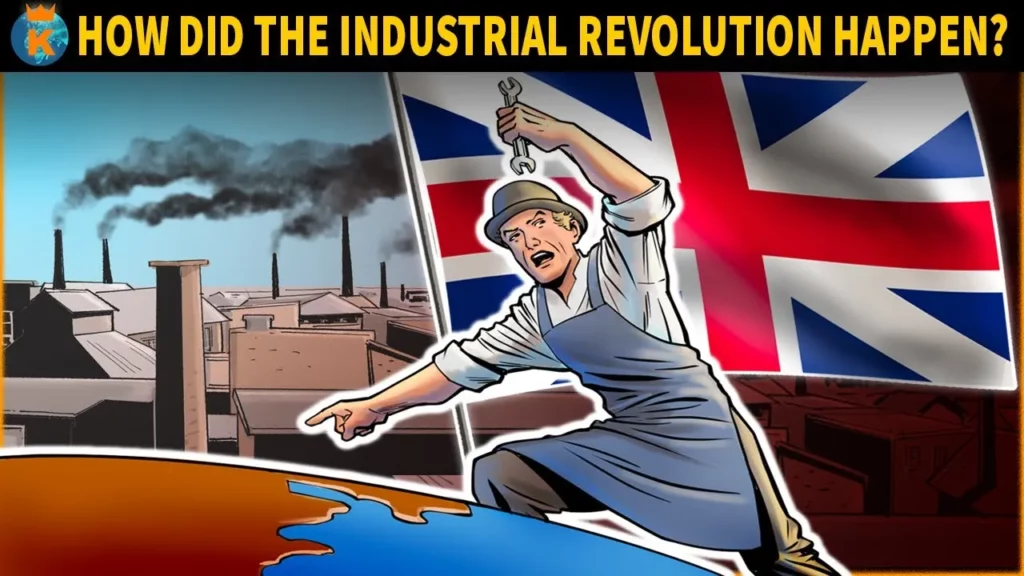
The Industrial Revolution, which began in Great Britain in the late 1700s, marked a significant shift from hand production to machine-based manufacturing, fundamentally altering how goods were made and traded. Key factors such as political stability, a thriving economy, abundant natural resources, and innovative transportation systems facilitated this transformation, leading to groundbreaking inventions in various industries. As the revolution spread to other countries, it laid the foundation for modern life and reshaped societies globally.
Why were the Yugoslav Partisans so Good in World War 2?
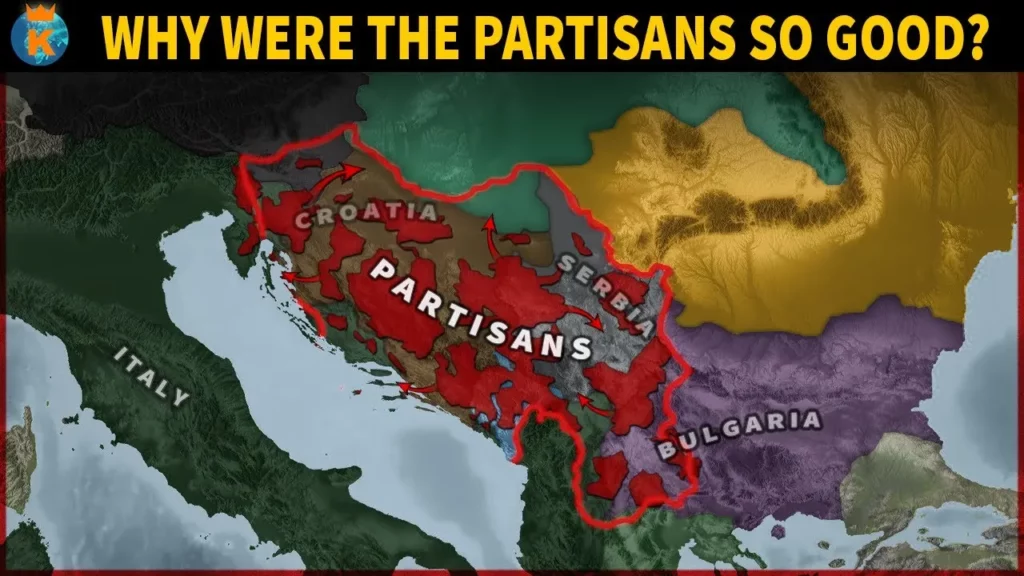
The Yugoslav Partisans, led by Josip Broz Tito, were a diverse resistance movement that effectively fought against the Axis powers during World War II. Their success stemmed from their inclusive approach, strategic use of guerrilla warfare in Yugoslavia’s mountainous terrain, growing support from the Allies, and strong leadership, ultimately leading to the establishment of a socialist state in the post-war period. By the end of the war, they had mobilized around 800,000 fighters and significantly contributed to the liberation of Yugoslavia.
What would’ve changed if Julius Caesar had survived?
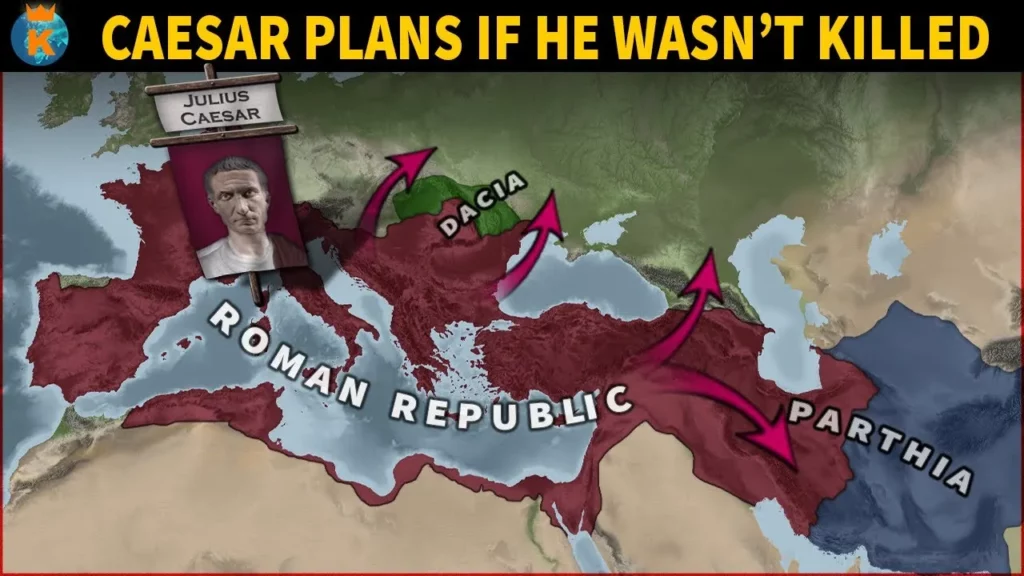
The lesson explores the hypothetical scenario of Julius Caesar surviving the assassination attempt on the Ides of March in 44 BC and its potential implications for Roman history. If Caesar had lived, he might have sought revenge against his conspirators, pursued ambitious military campaigns, and influenced the question of succession, possibly favoring Mark Antony over Octavian. However, despite these changes, the lesson concludes that the broader trajectory of Rome’s transition from Republic to Empire was likely driven by multiple factors, suggesting that Caesar’s survival may not have drastically altered the course of history.