
How did Ibn Battuta Explore the World?
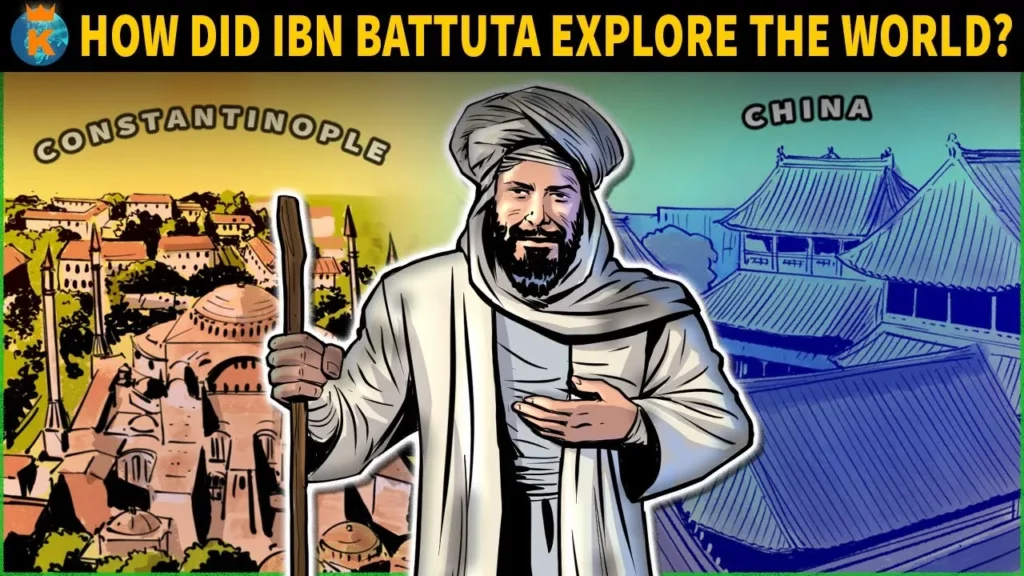
Ibn Battuta, a renowned Moroccan explorer born in 1304, embarked on an extensive journey that lasted 24 years, driven by a desire to visit sacred sites and explore diverse cultures. His travels took him across North Africa, the Middle East, India, and even China, where he faced various challenges and held significant positions, such as a judge. Ultimately, he documented his remarkable experiences in his travelogue, *The Rihla*, solidifying his legacy as one of history’s greatest explorers.
Why didn’t Ukraine get Independence after World War 1?
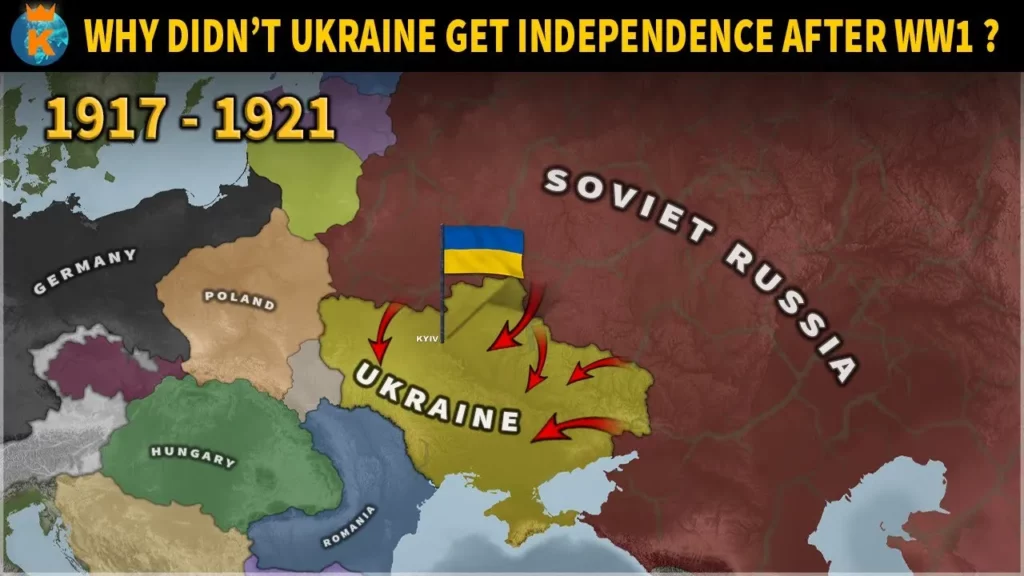
The lesson explores Ukraine’s struggle for independence following World War I, highlighting the tumultuous historical context marked by the Bolshevik Revolution and subsequent conflicts. Despite declaring itself a republic in 1917, Ukraine faced invasions and internal instability, ultimately leading to its incorporation into the Soviet Union by 1922. The lesson emphasizes the lasting impact of these events on contemporary Ukraine and the ongoing humanitarian crisis, underscoring the resilience of the Ukrainian people throughout their history.
The Second Punic War – History of the Roman Empire – Part 4
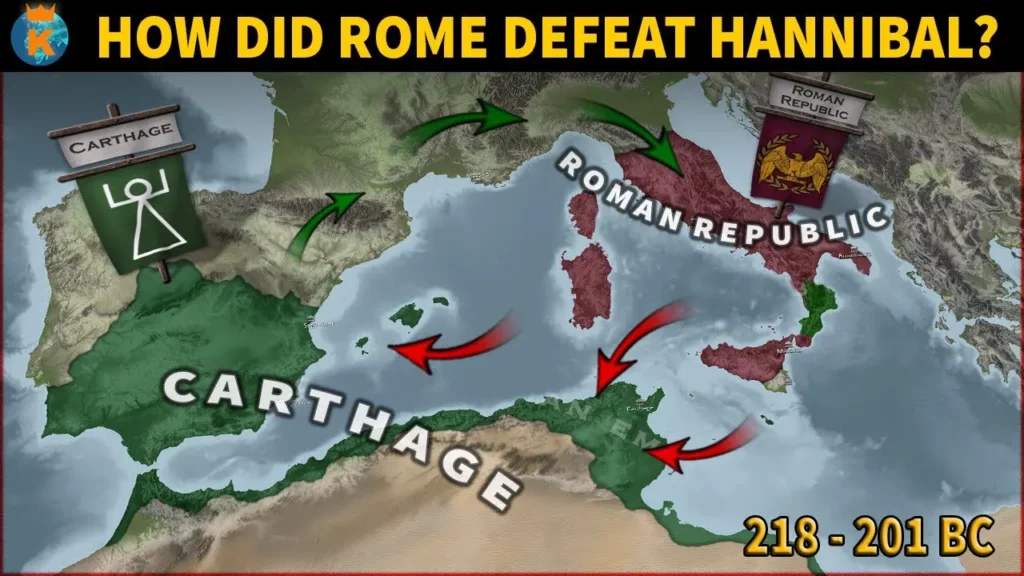
The lesson on the Second Punic War highlights the aftermath of the conflict, focusing on Carthage’s struggles and the rise of Hannibal Barca as a formidable leader against Rome. Following a series of military campaigns, Hannibal initially achieved significant victories in Italy, but ultimately faced a decline due to Rome’s strategic adaptations and resource management. The war concluded with Carthage’s defeat, leading to the dismantling of its military power and solidifying Rome’s dominance in the ancient world.
How did The Normans Conquer England?
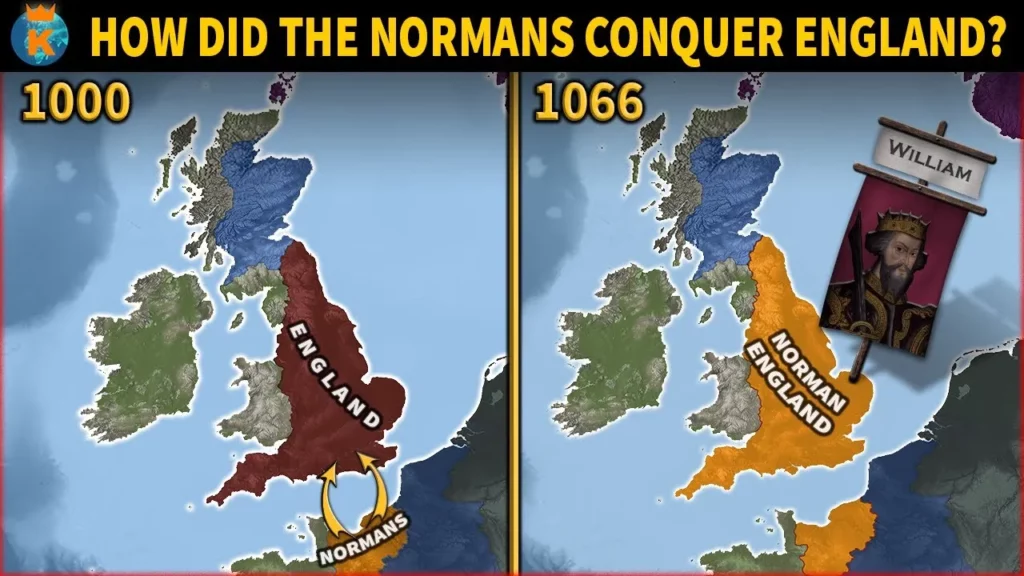
The lesson outlines the historical events leading to the Norman conquest of England, beginning with the rise of the Normans from Viking origins in Normandy and their strategic alliances with the Anglo-Saxons. Following the death of King Edward the Confessor in 1066, a power struggle ensued, culminating in the pivotal Battle of Hastings where William of Normandy defeated Harold Godwinson, ultimately leading to William’s coronation as King of England and a significant shift in the country’s history. This conquest not only established Norman rule but also influenced the cultural and political landscape of England for generations.
How did Vasco Da Gama reach India?
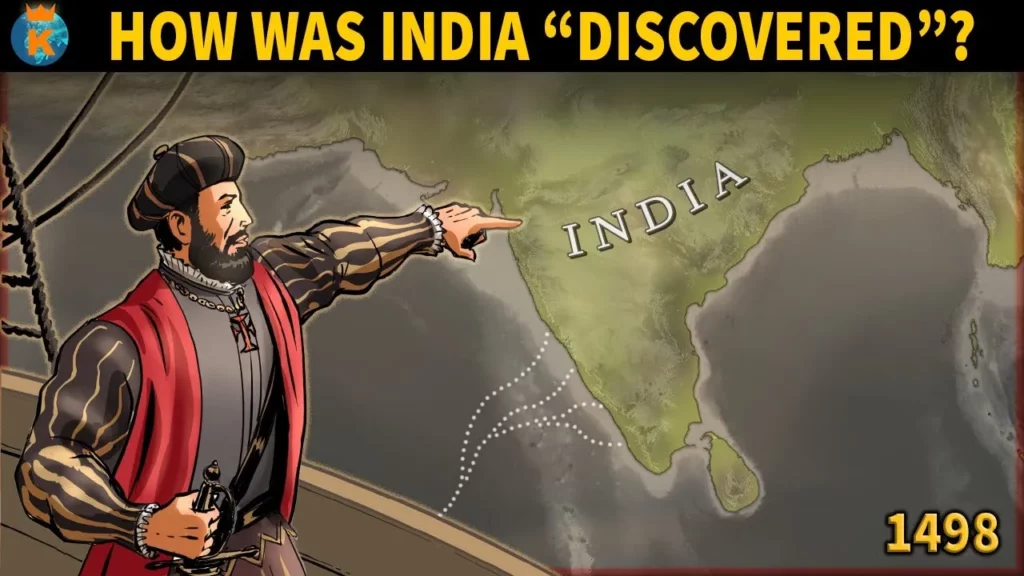
The lesson outlines Vasco da Gama’s historic journey to India, initiated by King John II of Portugal, who sought to establish a direct sea route to the lucrative spice trade in Asia. Da Gama set sail in 1497, successfully navigating around Africa and reaching India in 1498, despite facing challenges and a strained relationship with local rulers. His voyage not only demonstrated the feasibility of this maritime route but also sparked further Portuguese expeditions, marking a significant milestone in the age of exploration.
How did The Empire of Japan annex Korea?
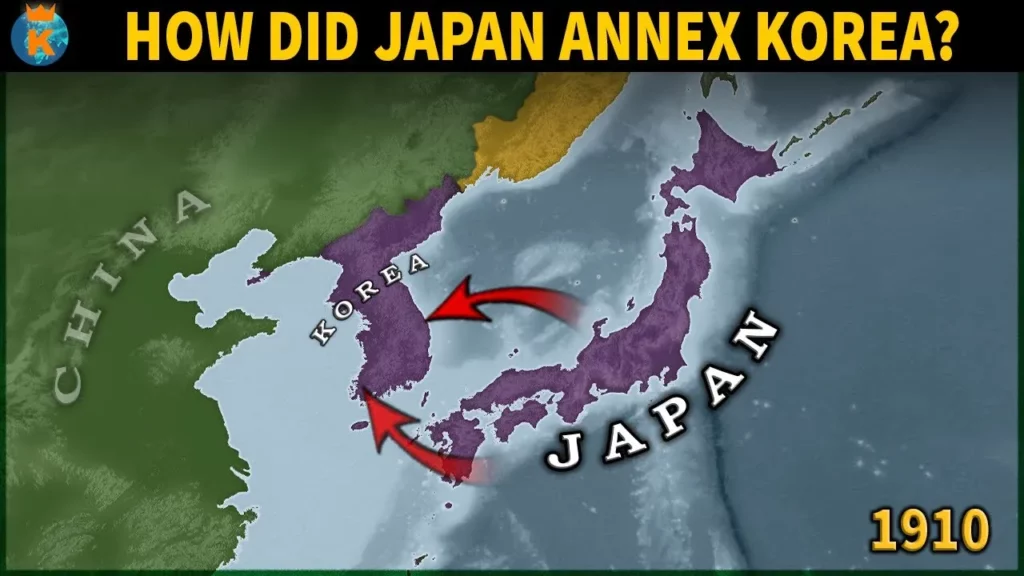
The lesson outlines the historical context and events leading to the annexation of Korea by the Empire of Japan, beginning with the unequal Japan-Korea Treaty of 1876 and culminating in the formal annexation in 1910. It highlights the resistance from Koreans, including significant uprisings and the March First Movement in 1919, against Japanese oppression and cultural assimilation efforts. Ultimately, the lesson emphasizes the lasting impact of Japanese rule on Korea and the preservation of Korean identity despite attempts at erasure.
Why did France invade Mexico in 1862?
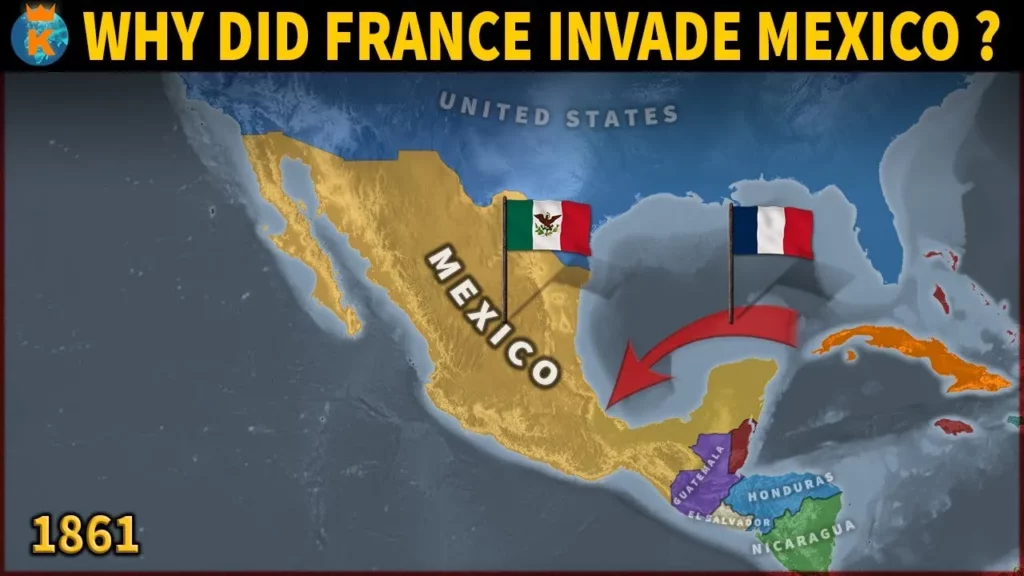
The French invasion of Mexico in 1862 was driven by a combination of Mexico’s internal civil conflict and its refusal to repay debts to European nations, particularly angering France under Napoleon III, who sought to expand his empire. While initially part of a joint effort with Britain and Spain to recover debts, France pursued its own agenda, ultimately establishing a monarchy under Archduke Maximilian. The intervention ended as the United States became more involved post-Civil War, leading to the withdrawal of French troops and the execution of Maximilian in 1867, marking a significant moment in the complexities of international relations and imperial ambitions.
Why did the Crusaders sack Constantinople in 1204?
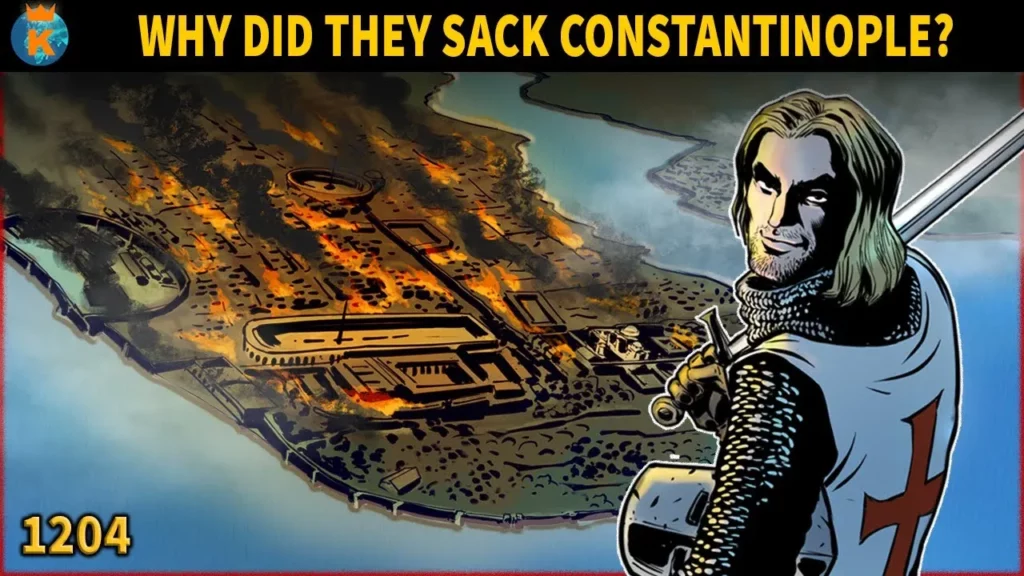
The lesson explores the complex motivations behind the sack of Constantinople by the Crusaders in 1204, highlighting the interplay of political intrigue, financial disputes, and the deepening divide between Eastern Orthodox and Western Catholic Christians. Initially aimed at reclaiming Jerusalem, the Fourth Crusade devolved into a conflict marked by betrayal and violence against fellow Christians, ultimately exacerbating the schism between the two branches of Christianity. The event underscored how personal and political interests overshadowed the original goals of unity and religious solidarity.
How was The Kingdom of Great Britain Formed?
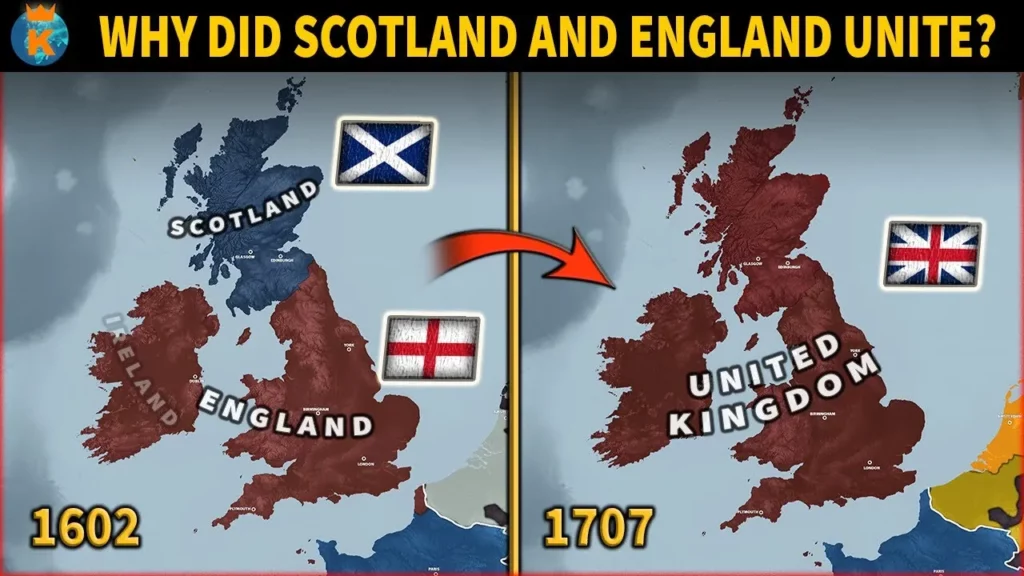
The lesson explores the historical formation of the Kingdom of Great Britain, detailing the transition from separate kingdoms of England and Scotland to their unification in 1707 through the Acts of Union. Key events, such as the Union of the Crowns in 1603 and subsequent conflicts, including the Wars of the Three Kingdoms and religious tensions, played significant roles in shaping the relationship between the two nations. Ultimately, economic challenges in Scotland and political motivations in England led to the establishment of a single government, creating a complex legacy that continues to influence their interactions today.
How did Portugal colonize the Azores?
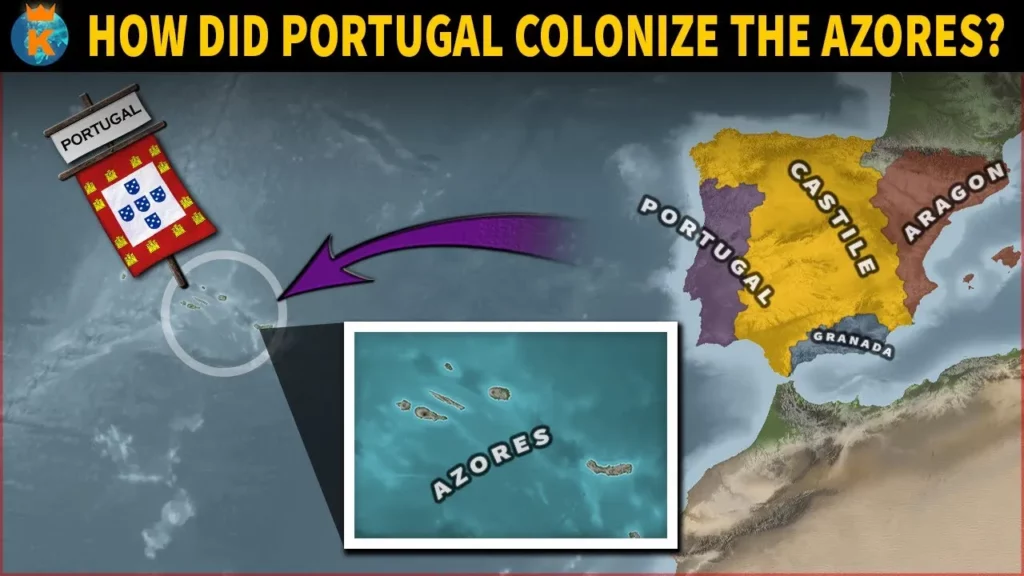
The lesson explores the colonization of the Azores by Portugal, beginning with Joao de Silvas’s arrival in 1427 and the official settlement initiated by Gonzalo Velho Cabral in 1432. Inspired by the successful colonization of Madeira, settlers from various backgrounds established farms and faced challenges such as transportation difficulties and emerging social classes. Over time, the Azores evolved into an important region for Portugal, overcoming natural adversities and external threats to become an autonomous part of the country today.