
Why isn’t Cyprus a Part of Greece?
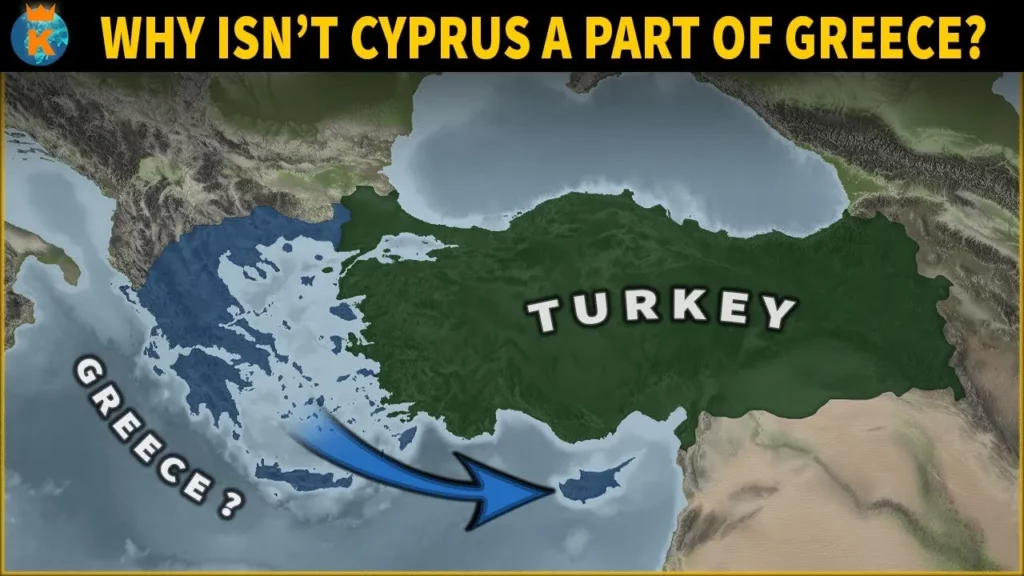
The lesson explores the historical and political reasons why Cyprus is not part of Greece, despite its predominantly Greek population. It outlines the island’s transition from Venetian to Ottoman control, British occupation, and eventual independence in 1960, highlighting the impact of ethnic tensions and nationalist movements. The lesson concludes that Cyprus’s complex history and geopolitical interests have resulted in its ongoing division, with both Greek and Turkish Cypriots holding opposing views on the island’s future.
Why couldn’t the Romans conquer Scotland?
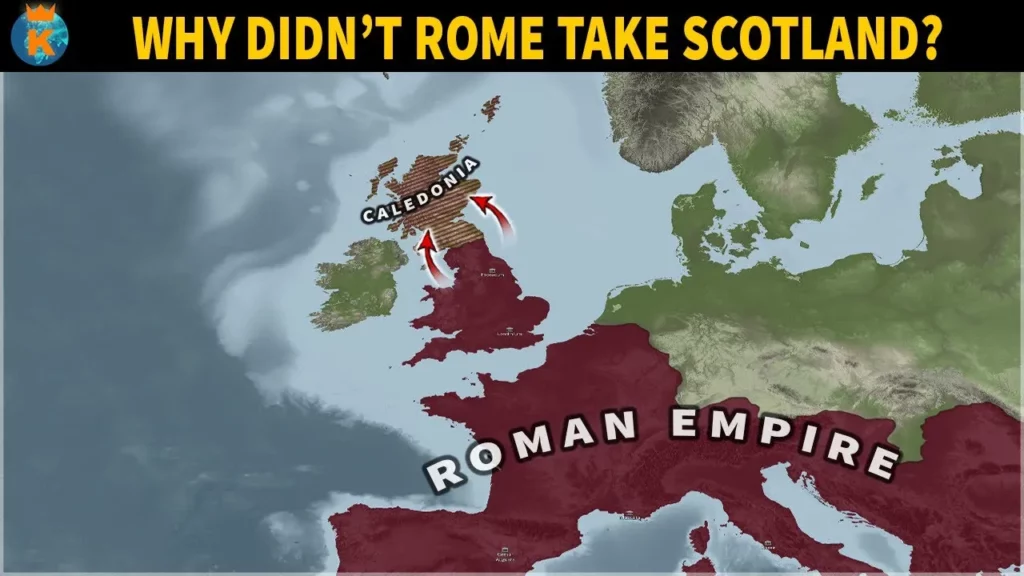
The lesson explores the Roman attempts to conquer Scotland, particularly through the efforts of Julius Agricola in the late 70s A.D. Despite initial successes, including a decisive victory at the Battle of Mons Graupius, the Romans faced fierce resistance from the Caledonian tribes who employed guerrilla tactics. Ultimately, the Romans withdrew due to resource constraints and the challenges posed by local tribes, leading to the cessation of major Roman ambitions in Scotland by 210 A.D.
How did humans build the first civilizations?
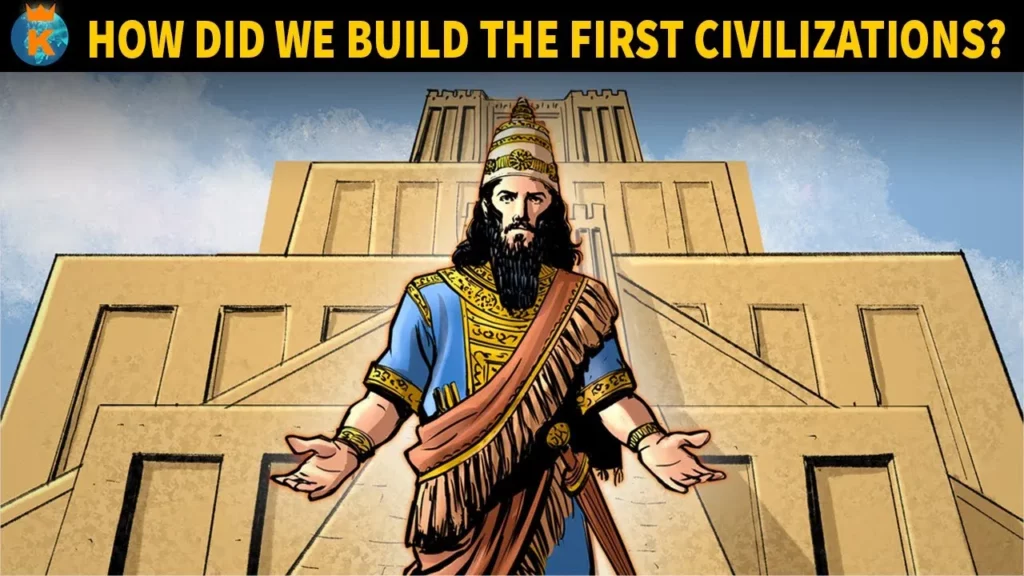
The lesson explores the transition of humans from nomadic lifestyles to settled communities, marking the beginning of the first civilizations during the Neolithic era around 10,000 BC. This shift was driven by the advent of agriculture, which allowed for food surpluses and the development of specialized roles within society, ultimately leading to the rise of complex civilizations like those in Mesopotamia, the Indus Valley, and ancient Egypt. The Neolithic Revolution laid the foundation for modern society by fostering trade, governance, and cultural advancements.
Why did so many Germans immigrate to The United States?
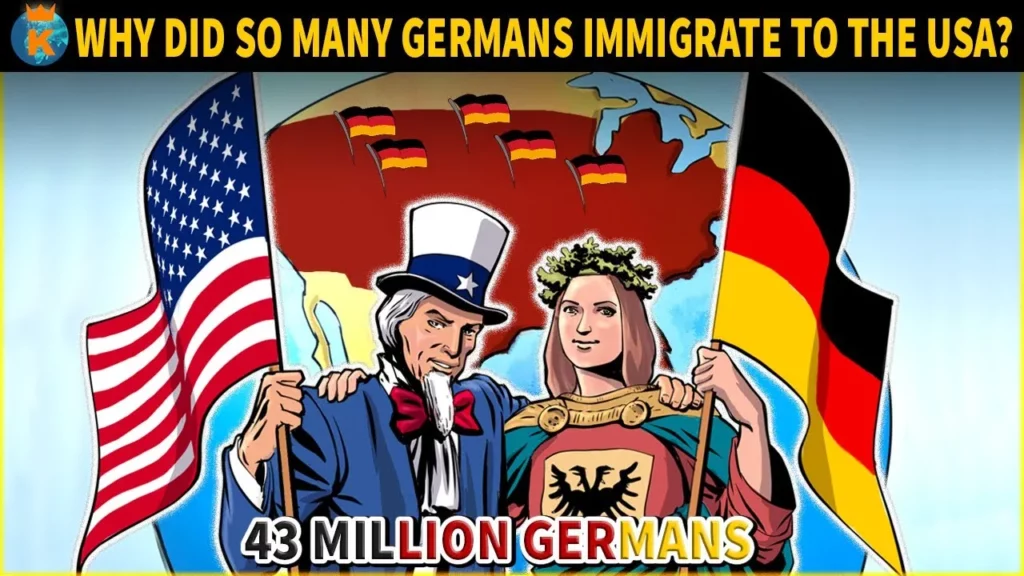
The lesson explores the significant waves of German immigration to the United States, beginning in the late 17th century, driven by factors such as religious persecution, economic hardship, and the desire for independence. Despite facing challenges upon arrival, many Germans established successful communities and contributed to American culture, leaving a lasting legacy that is still evident today. By the 19th century, millions of Germans had immigrated, significantly influencing various aspects of American life, from traditions to infrastructure.
How did the Eastern Romans try to Retake their former Empire?
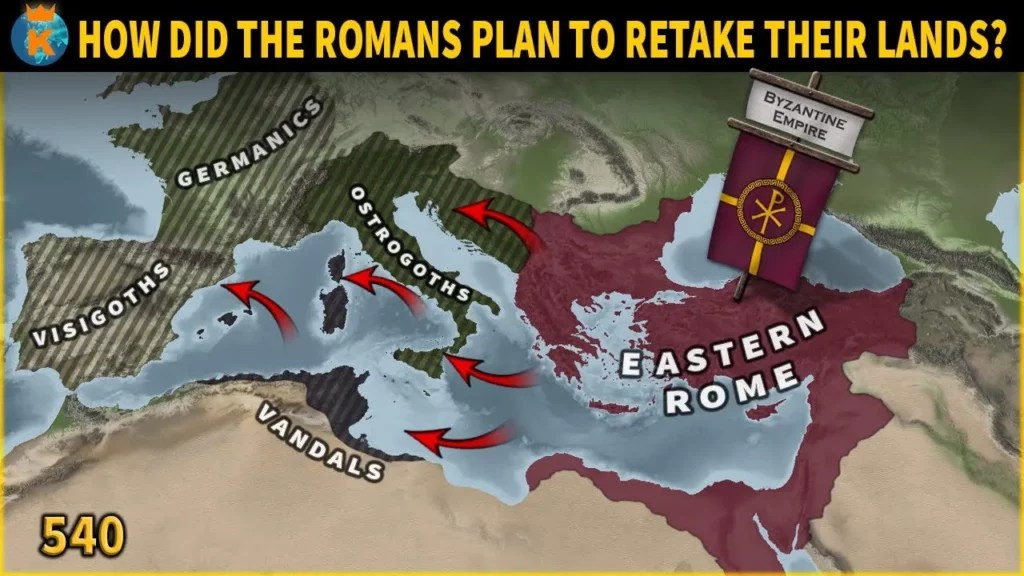
The lesson explores the efforts of the Eastern Roman Empire, or Byzantine Empire, to reclaim territories lost after the fall of the Western Roman Empire, particularly under the reign of Justinian I. Following initial successes in North Africa and Italy led by General Belisarius, the Byzantines faced numerous challenges, including internal discord and external threats, which ultimately hindered their ability to maintain control over the reconquered regions. Despite achieving temporary victories, the Byzantine hold on these territories proved fragile, leading to further conflicts and the eventual loss of control to other powers.
How did the Ottomans Fail to take Malta?
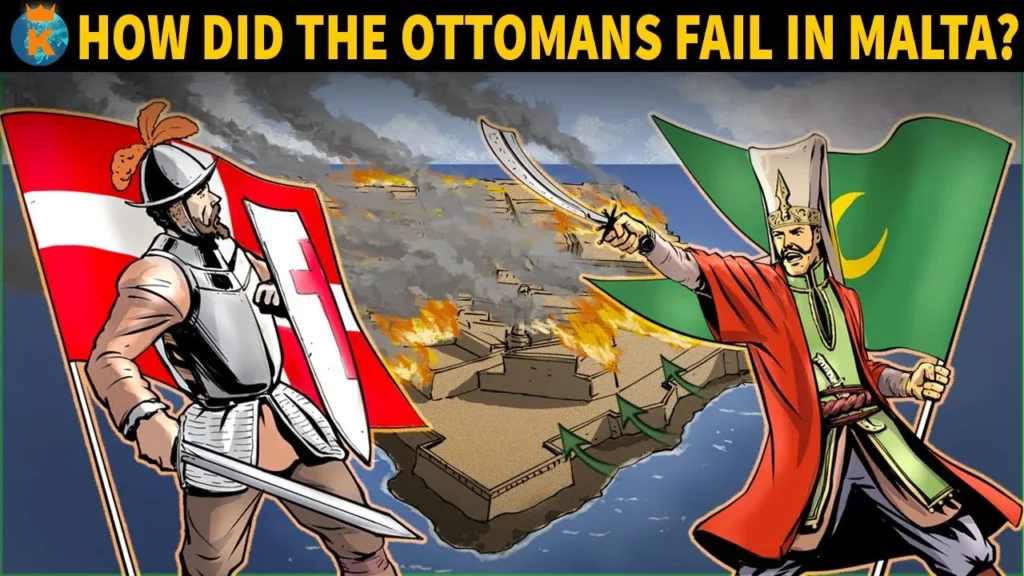
The lesson details the failed Ottoman attempts to capture Malta during the Great Siege of 1565, highlighting the resilience and strategic preparations of the Knights Hospitaller. Despite being heavily outnumbered and facing significant challenges, the Knights fortified their defenses and ultimately repelled the Ottoman forces, resulting in substantial casualties for the attackers and marking a pivotal victory for Christian Europe against the Ottoman Empire. This event underscored the importance of preparation and determination in the face of overwhelming odds.
How did Achaemenid Persia expand?
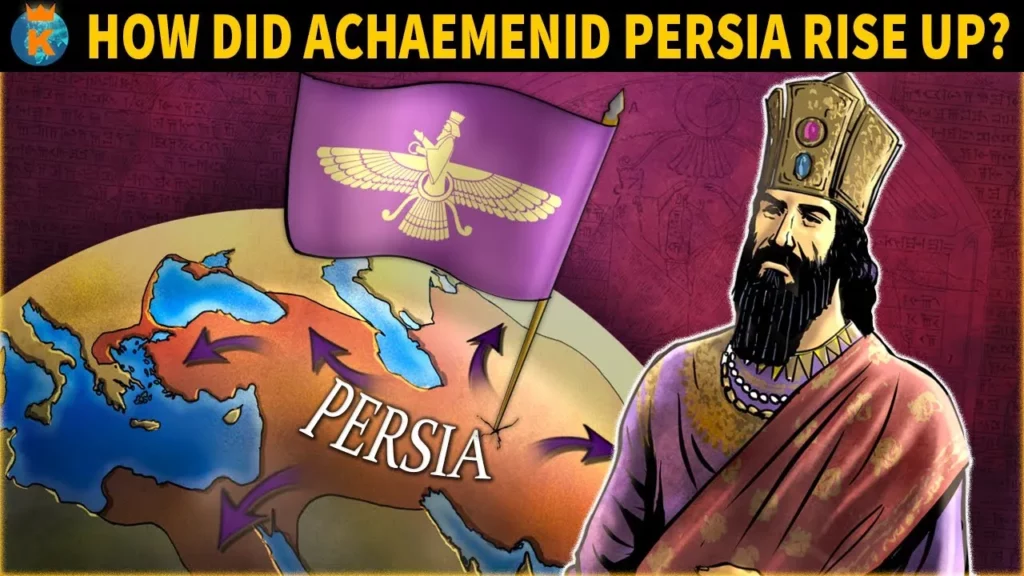
The lesson explores the expansion of the Achaemenid Empire, highlighting the pivotal role of Cyrus the Great, who initiated the empire’s rise by overthrowing the Median Empire and establishing a system of semi-autonomous provinces. Following Cyrus, his son Cambyses II and Darius the Great further expanded the empire’s reach, with Darius achieving unprecedented control over a significant portion of the world’s population. The Achaemenid Empire’s legacy is marked by its innovative governance and military strategies, particularly under Cyrus’s leadership, which set it apart from other empires of the time.
How did the Irish Potato Famine Happen?
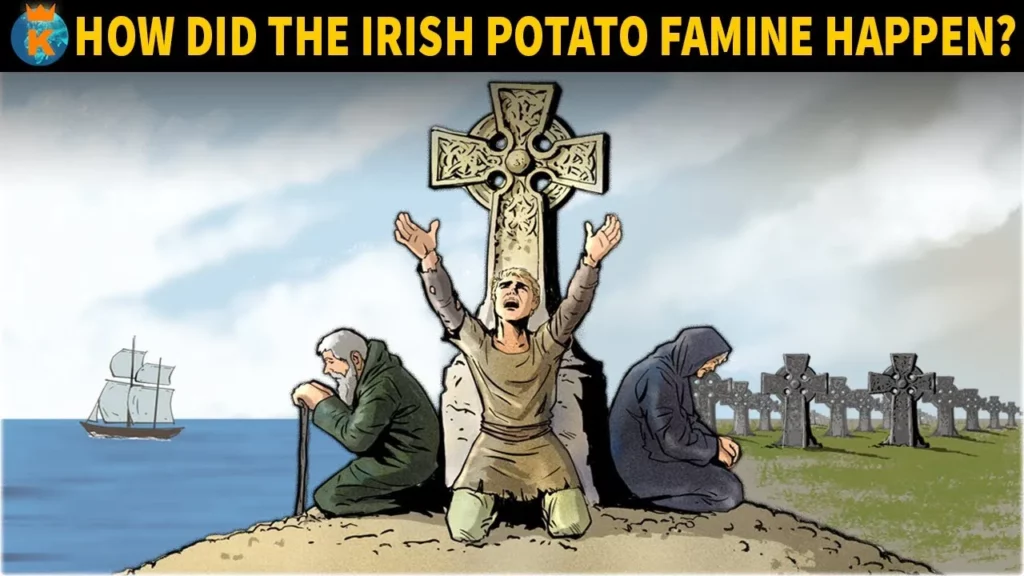
The Irish Potato Famine was a catastrophic event that resulted in the deaths of over a million people and significant emigration from Ireland due to a combination of potato blight and inadequate governmental response. While potatoes were a staple food for the impoverished Irish population, the British government’s failure to effectively address the crisis, coupled with the continued export of other crops, exacerbated the suffering. The famine’s legacy includes a lasting impact on Ireland’s population, agriculture, and socio-political landscape, highlighting the importance of food security and social justice.
How did the Bolsheviks Take Russia?
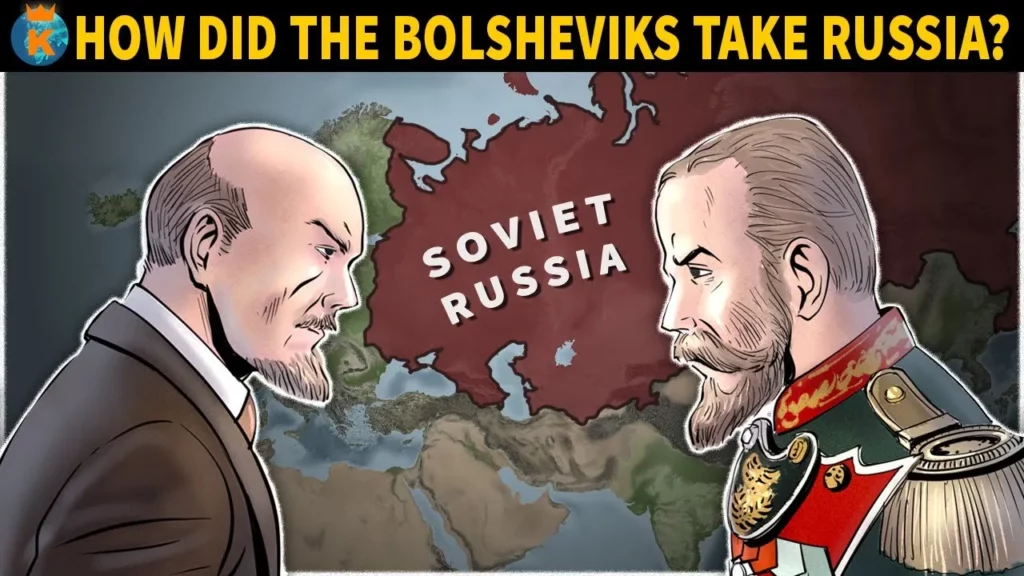
The lesson outlines the pivotal events that led to the Bolshevik takeover of Russia, highlighting key moments such as Bloody Sunday, the February Revolution, and the October Revolution. It emphasizes the role of the Bolsheviks, led by Lenin, in capitalizing on public discontent and the failures of the provisional government, ultimately leading to the abdication of Czar Nicholas II and the establishment of the Soviet Union. The lesson concludes by underscoring the importance of strategic leadership and the ability to adapt while remaining committed to revolutionary ideals.
Operation Tidal Wave – America’s disastrous assault on Romania
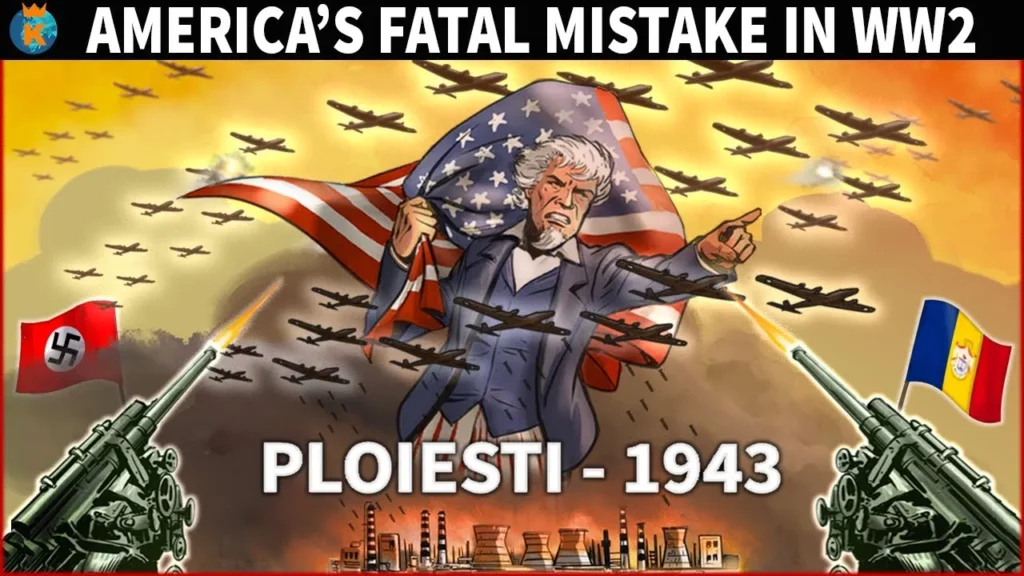
Operation Tidal Wave was a daring Allied mission during World War II aimed at disrupting the crucial oil supply from Romania, specifically targeting the heavily fortified city of Ploiești, known as “Hitler’s gas station.” Launched on August 1, 1943, the operation faced significant challenges, including poor visibility, navigation errors, and intense anti-aircraft defenses, resulting in heavy American losses and only limited success in damaging the oil refineries. Despite the bravery of the airmen involved, the mission ultimately proved to be a costly failure, leading to a reassessment of bombing strategies in the war.