
Why did the British Attack China Again? – The Second Opium War
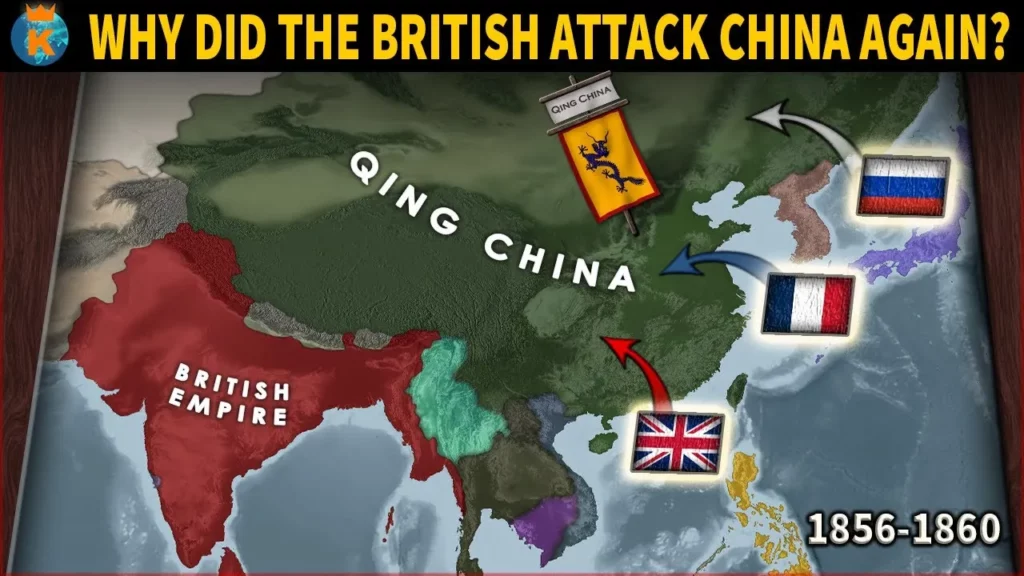
The Second Opium War was driven by Britain’s desire for greater influence in China following the unsatisfactory outcomes of the First Opium War and the Treaty of Nanking. Tensions escalated after the seizure of the British-flagged ship Arrow by Chinese authorities, leading to military conflict and the eventual capture of Canton by British forces. The war concluded with the Convention of Peking in 1860, resulting in unfair treaties that expanded Western control in China and legalized the opium trade, despite significant opposition within Britain regarding the war’s motivations and consequences.
What happened with the Muslim Majority of Spain?
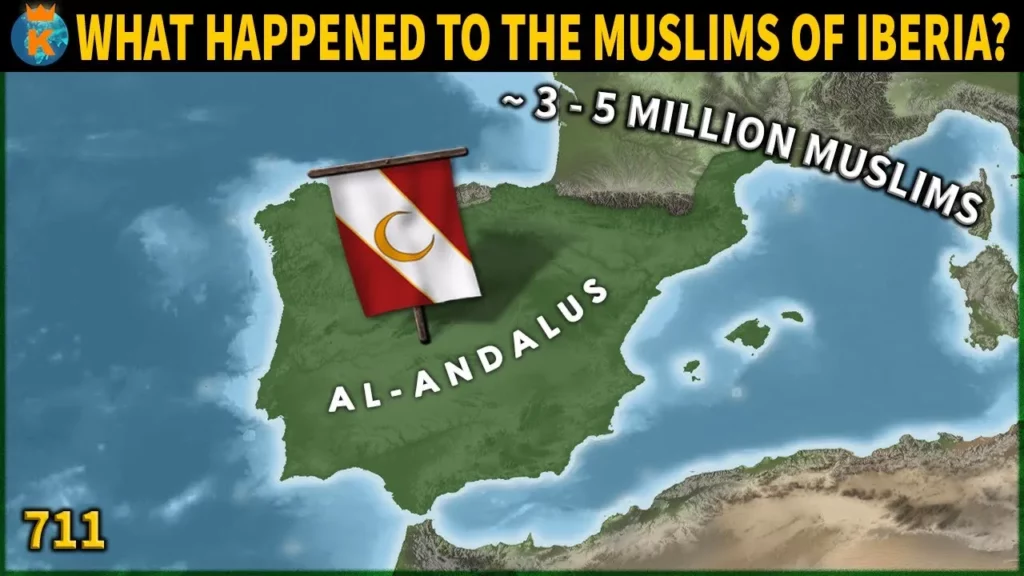
The lesson explores the complex history of the Muslim presence in Spain, beginning with the Visigoth civil war that facilitated the Muslim conquest in the early 8th century, leading to the establishment of Al-Andalus. Despite a flourishing period of coexistence and cultural exchange, the Reconquista and subsequent religious intolerance culminated in the expulsion and forced conversions of Muslims and Jews, effectively erasing indigenous Islam from Spain by the early 18th century. The decline of the Muslim majority was driven by both internal strife and external pressures from the Catholic Monarchs, resulting in a significant cultural and religious transformation in the region.
How did Rome Expand into Greece and Hispania? – History of the Roman Empire – Part 5
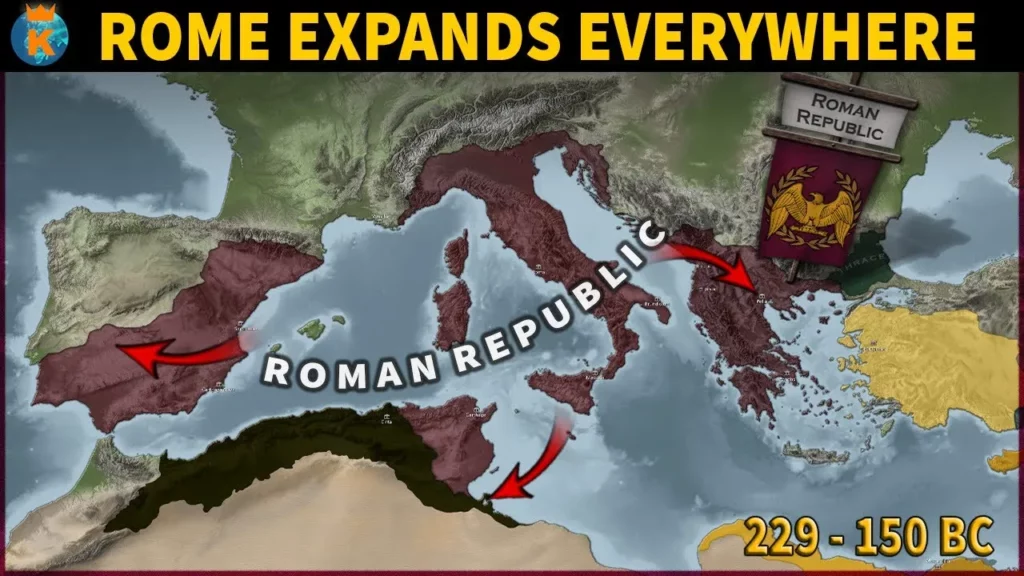
The lesson outlines the key events and conflicts that facilitated Rome’s expansion into Greece and Hispania, highlighting the significance of the Punic Wars against Carthage as a backdrop for Rome’s rise to power. It details Rome’s military engagements with the Illyrians, Gauls, and Macedon, culminating in decisive victories that secured Roman dominance in the region. Additionally, the lesson discusses the resistance faced in Hispania, particularly from the Lusitanian tribes, illustrating the complexities of Roman expansion and its lasting impact on the ancient world.
How did the American Civil War Actually Happen? (Part 1) – From 1819 to 1861
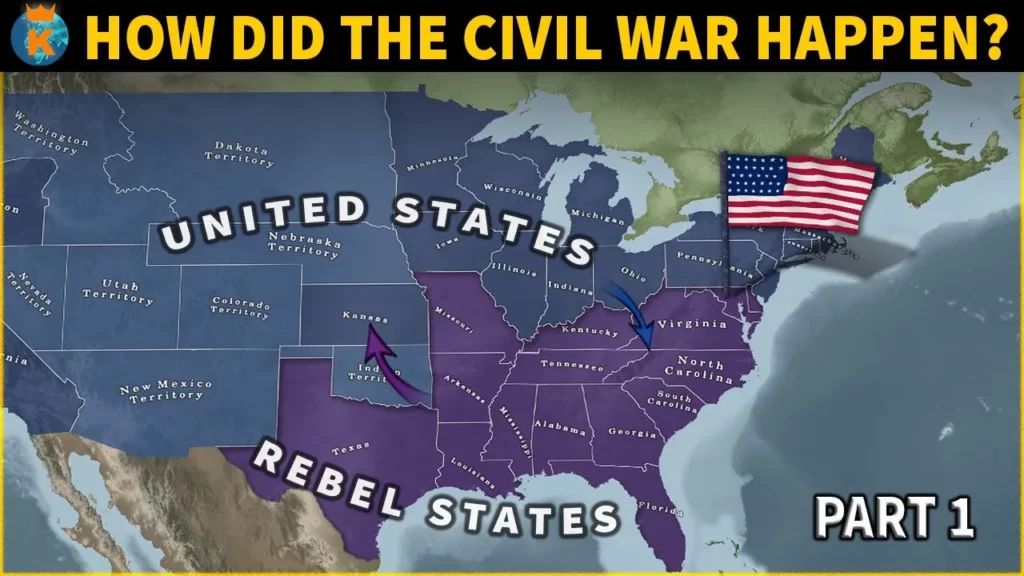
The lesson outlines the events leading up to the American Civil War from 1819 to 1861, emphasizing the fragile balance between free and slave states and the impact of westward expansion driven by Manifest Destiny. Key developments, such as the Missouri Compromise, the admission of Texas, and the Kansas-Nebraska Act, exacerbated tensions between the North and South, ultimately culminating in the secession of Southern states following Abraham Lincoln’s election in 1860 and the attack on Fort Sumter, which marked the beginning of the Civil War. The lesson highlights the complex interplay of political, economic, and cultural factors that contributed to this pivotal conflict in American history.
The Third Punic War – History of the Roman Empire – Part 6
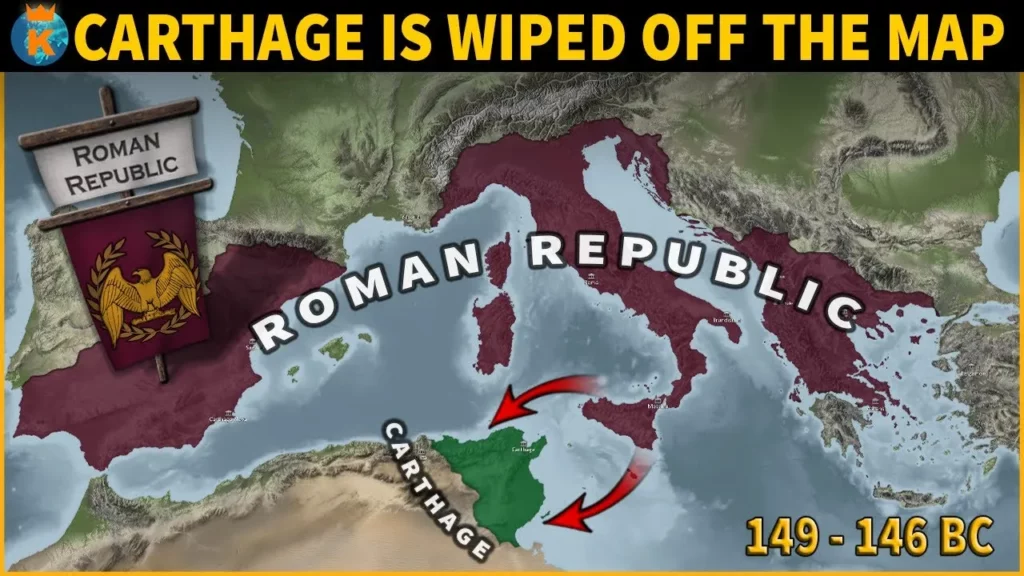
The Third Punic War marked a decisive turning point in Roman history, culminating in the complete destruction of Carthage and the consolidation of Roman power in the Mediterranean. Following the weakened state of Carthage after the Second Punic War, escalating tensions and Roman fears of a resurgence led to a brutal conflict, ultimately resulting in the fall of Carthage in 146 BC. This war not only eliminated a longstanding rival but also paved the way for Rome’s dominance, reshaping the ancient world and setting the stage for its imperial expansion.
Who were the Nations that Almost Joined the Axis in WW2?
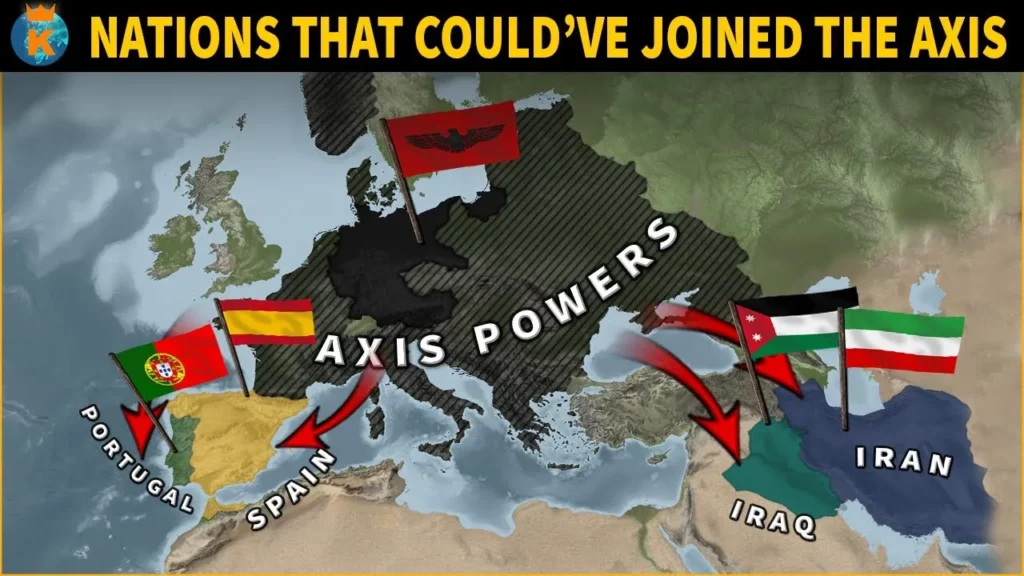
The lesson explores the nations that nearly joined the Axis Powers during World War II, including Spain, Iraq, Turkey, Iran, and Portugal. Each country’s decision to remain neutral was influenced by various factors such as political turmoil, fear of invasion, and existing alliances, ultimately contributing to the Allies’ victory. The lesson highlights how these nations’ choices could have significantly altered the war’s outcome had they aligned with the Axis.
Why did the Kalmar Union and Denmark-Norway Collapse?
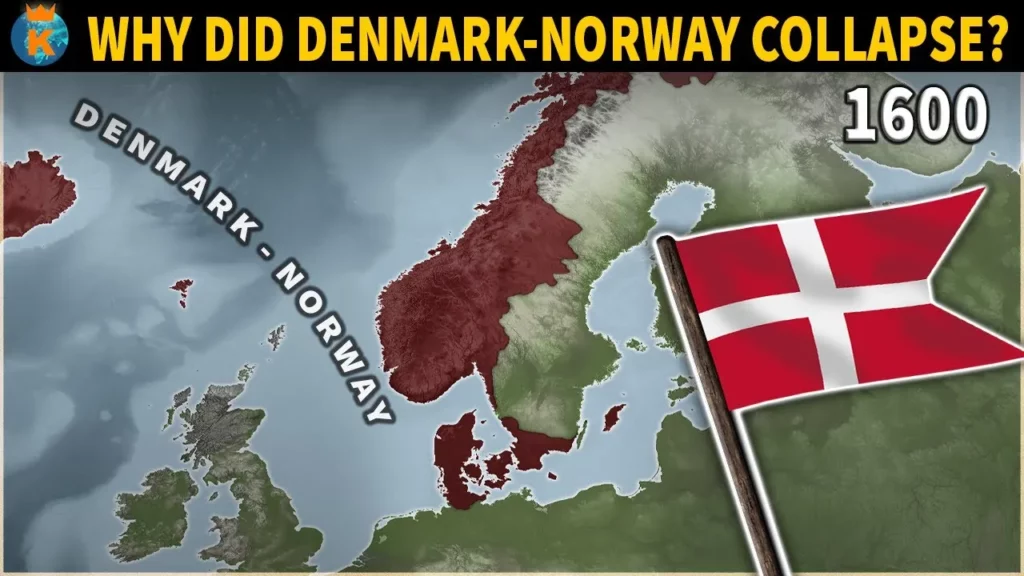
The lesson explores the historical context and factors leading to the collapse of the Kalmar Union and the subsequent dissolution of Denmark-Norway. Initially formed to counter the influence of the German Hanseatic League, the union faced internal dissent, particularly from Sweden, which ultimately led to its unraveling in the 16th century. The decline of Denmark-Norway was exacerbated by a series of wars, shifting alliances, and the impact of the Napoleonic Wars, culminating in Norway’s eventual independence in 1905.
How did Brazil Become a Country?
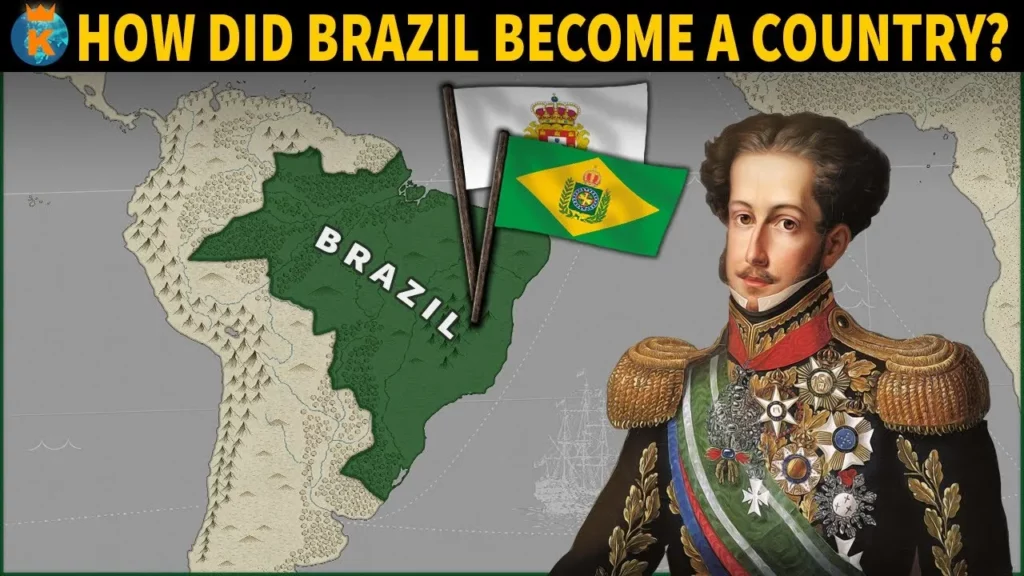
The lesson outlines Brazil’s transformation from a Portuguese colony to an independent nation, highlighting key historical events such as the arrival of Portuguese explorers in 1500, the establishment of plantations, and the onset of the Trans-Atlantic Slave Trade. It details Brazil’s path to independence in 1822 under Dom Pedro I and its evolution into a republic in 1889, while also addressing the challenges faced throughout its history, including periods of dictatorship and economic struggles. Ultimately, Brazil’s rich cultural heritage and unique history have shaped it into a vibrant country in South America.
Why did Czechoslovakia Collapse?
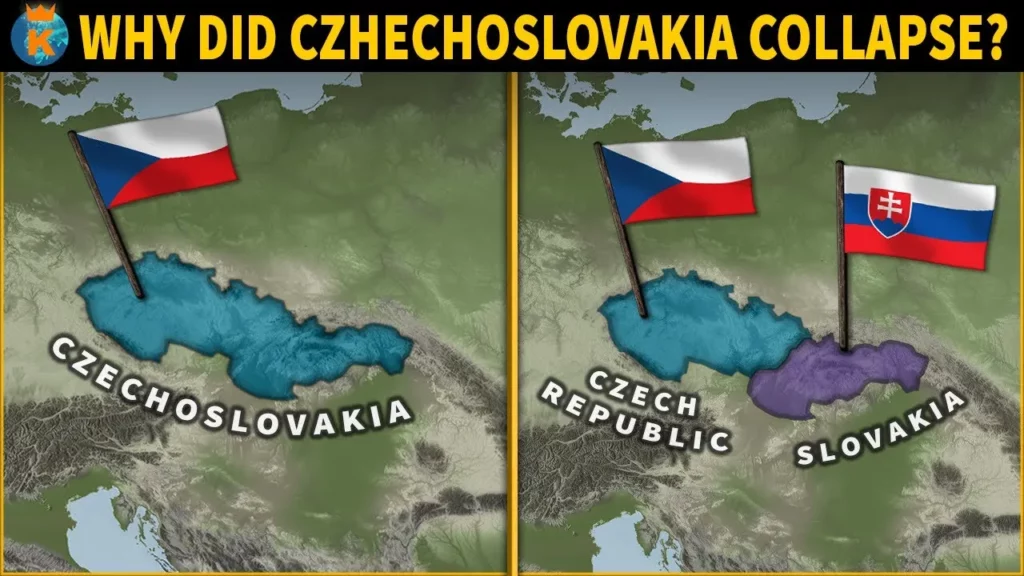
The lesson explores the historical context and factors that led to the peaceful dissolution of Czechoslovakia into the Czech Republic and Slovakia in 1993. It highlights the country’s formation after World War I, the challenges faced under communist rule, the non-violent Velvet Revolution, and the subsequent rise of national identities that ultimately prompted the split. Despite their shared cultural ties, distinct political aspirations and identities emerged, resulting in the separation of the two nations.
How did the Peloponnesian War Happen? – Athens Faces Sparta (431–404 BC)
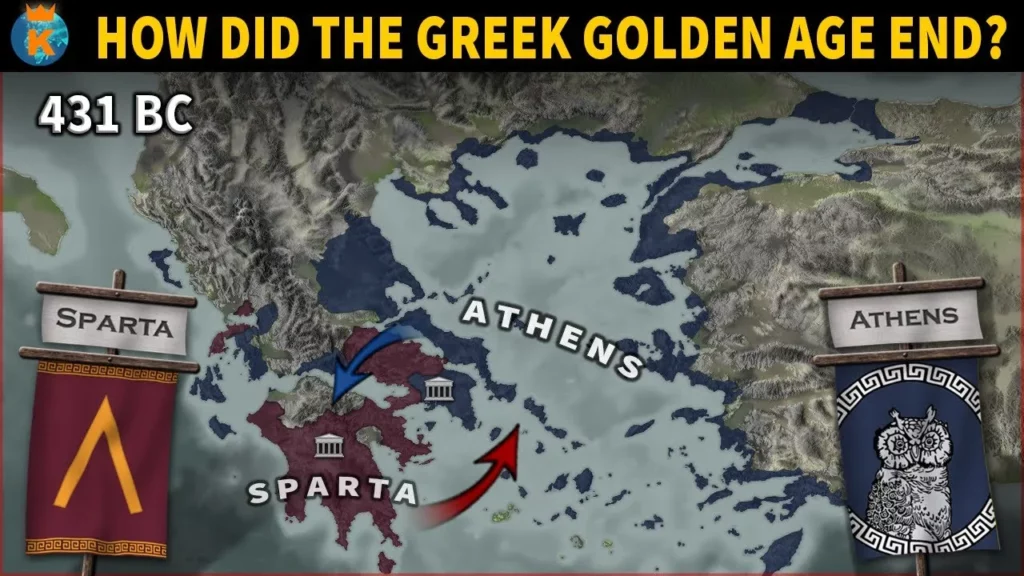
The Peloponnesian War (431–404 BC) arose from the growing power of Athens, which formed the Delian League, causing concern for Sparta and its Peloponnesian League allies. Initial tensions escalated into conflict following a series of disputes and broken treaties, leading to a protracted war characterized by significant battles and shifting strategies. Ultimately, Sparta emerged victorious with Persian support, marking the decline of Athenian dominance and the end of Greece’s Golden Age, while setting the stage for future shifts in power within the region.