
Blood Vessels, Part 2: Anatomy & Physiology #28
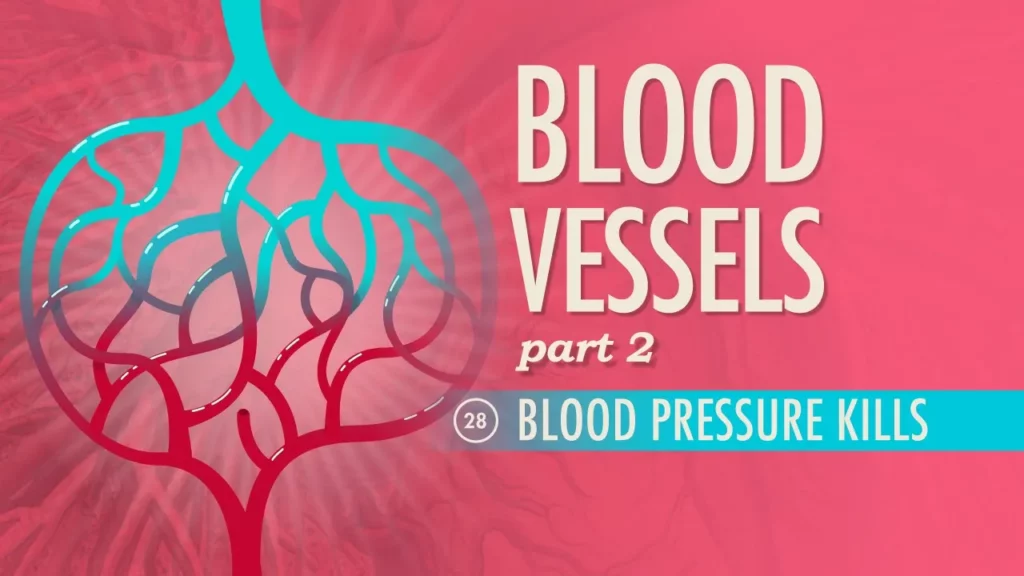
This lesson provides an overview of high blood pressure, or hypertension, highlighting its significance as a major health issue that can lead to severe complications like heart disease. It explains the importance of blood pressure in circulating oxygen and nutrients, the common causes of hypertension, and how the body regulates blood pressure through neural, hormonal, and kidney functions. Ultimately, the lesson emphasizes the need for awareness and lifestyle changes to manage blood pressure effectively and maintain heart health.
Media & the Mind: Media Literacy #4

The lesson explores how our brains process media and the cognitive shortcuts that can lead to misunderstandings and misinformation. It highlights concepts such as schemas, confirmation bias, and the Law of Closure, emphasizing the importance of critical thinking and self-awareness in navigating media effectively. Ultimately, it encourages individuals to recognize their biases and develop skills to better analyze the information they encounter.
The Basics of Organic Nomenclature: Organic Chemistry #2
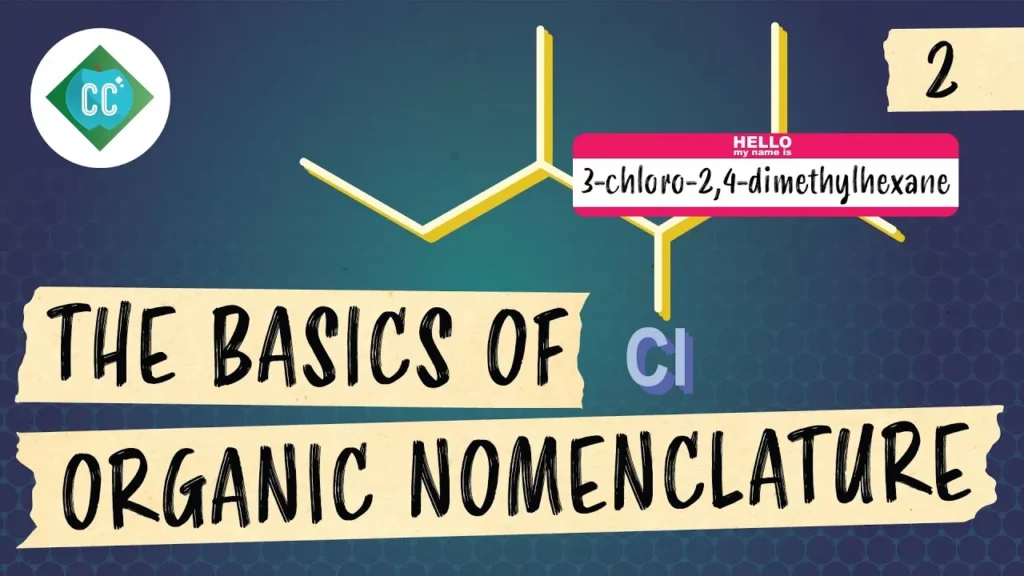
This lesson introduces the International Union of Pure and Applied Chemistry (IUPAC) nomenclature system, emphasizing its importance for standardized communication in organic chemistry. It outlines the basic steps for naming organic compounds, including identifying the longest carbon chain, determining the highest priority functional group, and identifying substituents with their positions. By mastering these naming conventions, chemists can effectively convey complex information about molecular structures, facilitating clearer collaboration and understanding in the field.
Newton’s Laws: Physics #5
This lesson explores Newton’s three laws of motion, which explain how forces influence the movement of objects. Newton’s first law introduces the concept of inertia, the second law relates force, mass, and acceleration through the equation \( F_{\text{net}} = ma \), and the third law states that for every action, there is an equal and opposite reaction. Together, these principles provide a foundational understanding of physics and are applicable in various real-world scenarios, such as analyzing the forces acting on an elevator.
Collisions: Physics #10
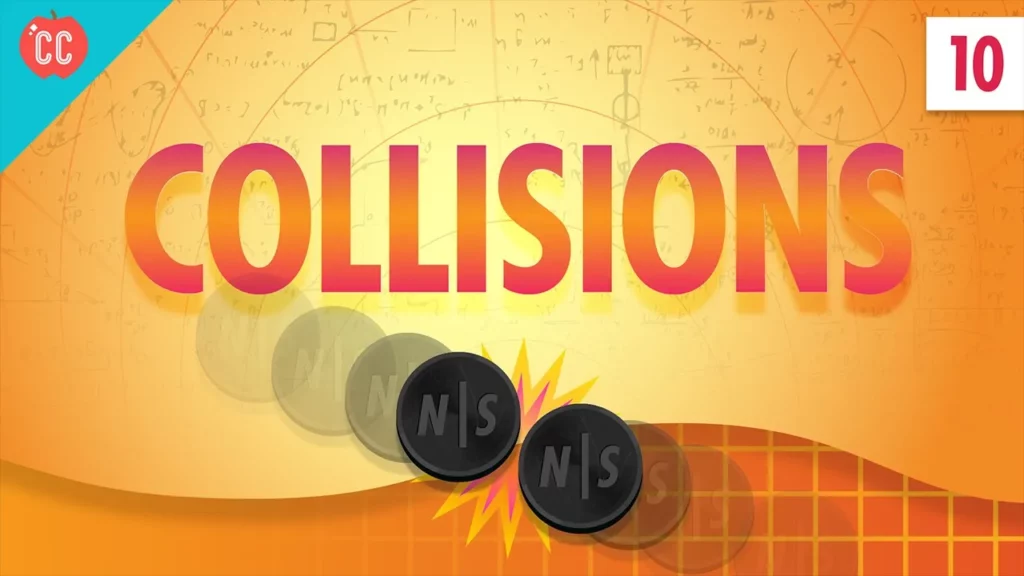
This lesson on collisions in physics explores the fundamental concepts of momentum, impulse, and the center of mass, which are crucial for understanding how objects interact during collisions. It distinguishes between elastic and inelastic collisions, emphasizing the conservation of momentum in both types, while also highlighting the importance of the center of mass in determining the motion of objects. Overall, these principles provide essential tools for analyzing various physical interactions and motions.
Boolean Logic & Logic Gates: Computer Science #3

The lesson on “Understanding the Foundations of Computer Logic” introduces the evolution of computers from mechanical devices to modern electronic systems, emphasizing the significance of binary representation and Boolean algebra in computing. It covers the basic operations of Boolean algebra—NOT, AND, and OR—and explains how these operations form the basis for constructing more complex logic gates, ultimately illustrating how simple true and false values can lead to intricate computations in computer science.
Simple Harmonic Motion: Physics #16
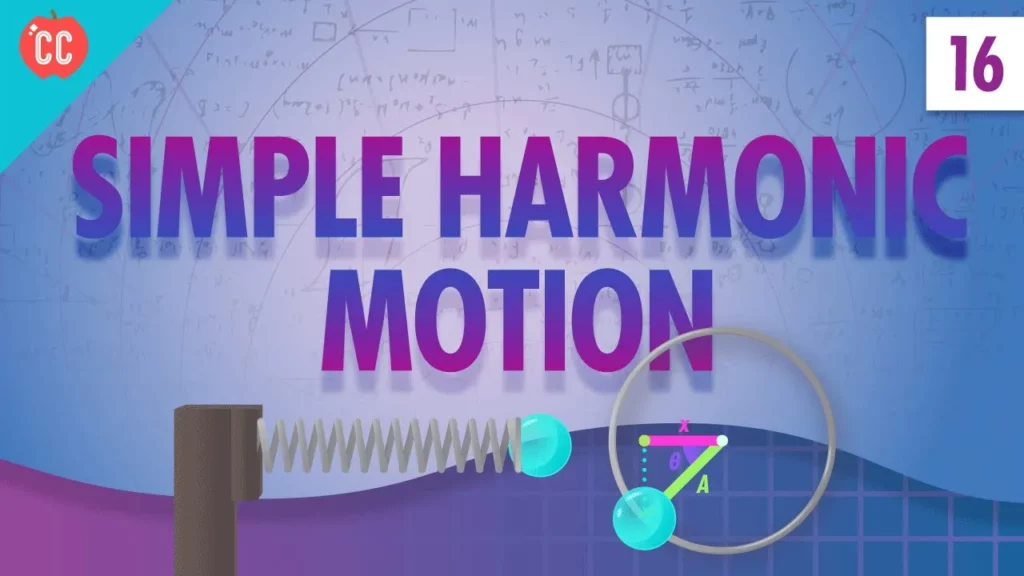
The Millennium Bridge, opened in June 2001, faced significant oscillation issues due to pedestrian movement, leading to its closure shortly after its debut. This case study explores the physics of simple harmonic motion and resonance, revealing how the bridge’s design overlooked the horizontal swaying caused by people walking, which amplified the oscillations. Ultimately, the incident underscores the importance of considering all potential forces in engineering design to ensure safety and functionality in structures.
Rotational Motion: Physics #11
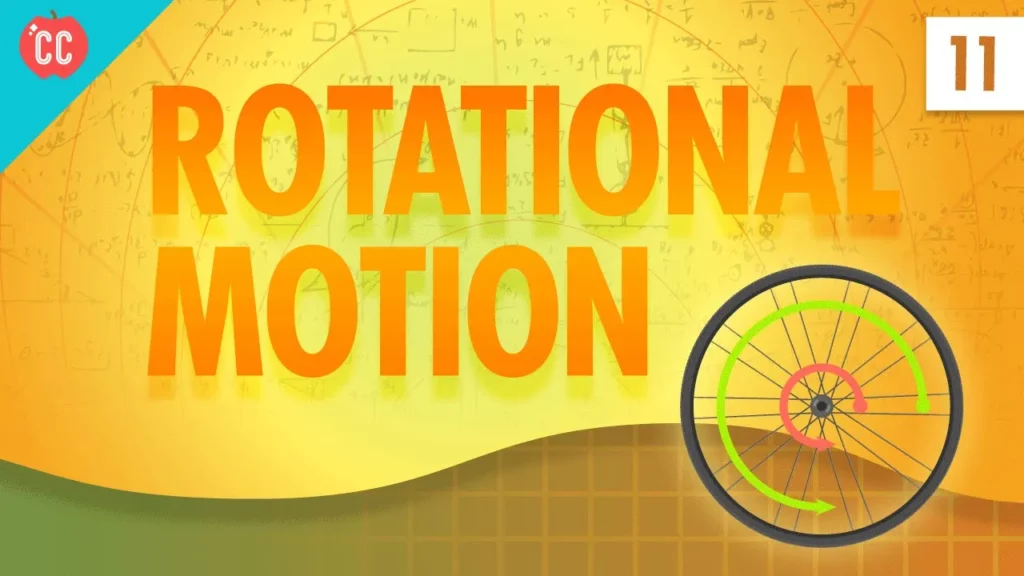
This lesson introduces Grade 11 learners to the fundamentals of rotational motion, highlighting its significance alongside translational motion. Key concepts include angular position, angular velocity, and angular acceleration, which are essential for understanding how objects spin around a fixed point. The lesson also covers periodic motion, rolling without slipping, and the relationships between these concepts, providing a foundation for further exploration into rotational dynamics.
Tissues, Part 1: Anatomy & Physiology #2
This lesson explores the fundamental concepts of human tissue through the lens of histology, highlighting the complexity of human cells compared to simpler organisms like amoebas. It outlines the four primary tissue types—nervous, muscle, epithelial, and connective—each with distinct roles in maintaining health and function. Additionally, the lesson traces the evolution of histology, emphasizing the significance of microscopy and staining techniques in advancing our understanding of tissue structure and function.
Precipitation Reactions: Chemistry #9

The lesson explores precipitation reactions, highlighting their significance in forming valuable minerals like silver and their practical applications in nature and industry. It explains how these reactions occur when certain ionic compounds in a solution combine to form solid deposits, using silver’s historical importance and its extraction process as key examples. By understanding the science of solubility and the calculations involved in precipitation reactions, students gain insight into the complex chemical processes that shape our world.