
Why does France still have a South American Territory? – History of French Guiana
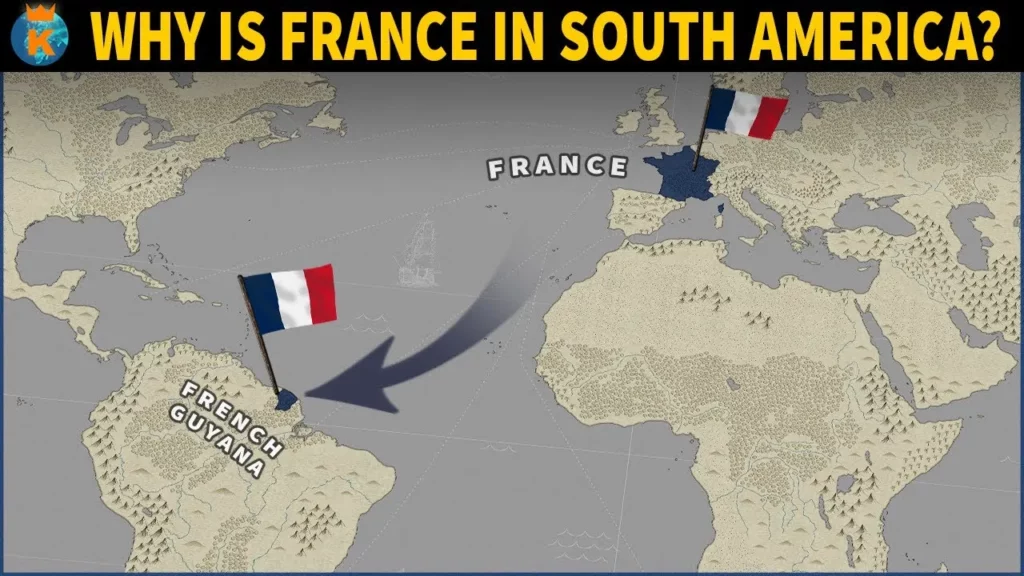
The lesson explores the historical journey of French Guiana, detailing France’s persistent attempts to establish a foothold in South America despite numerous failures and challenges from Portuguese forces and Indigenous populations. Over the centuries, French Guiana evolved from a struggling colony to an official overseas department of France in 1946, experiencing significant developments such as the establishment of the Guiana Space Center. Despite ongoing calls for autonomy and independence from its colonial status, French Guiana remains a part of France today.
How did the Mongols Destroy Baghdad in 1258 ?
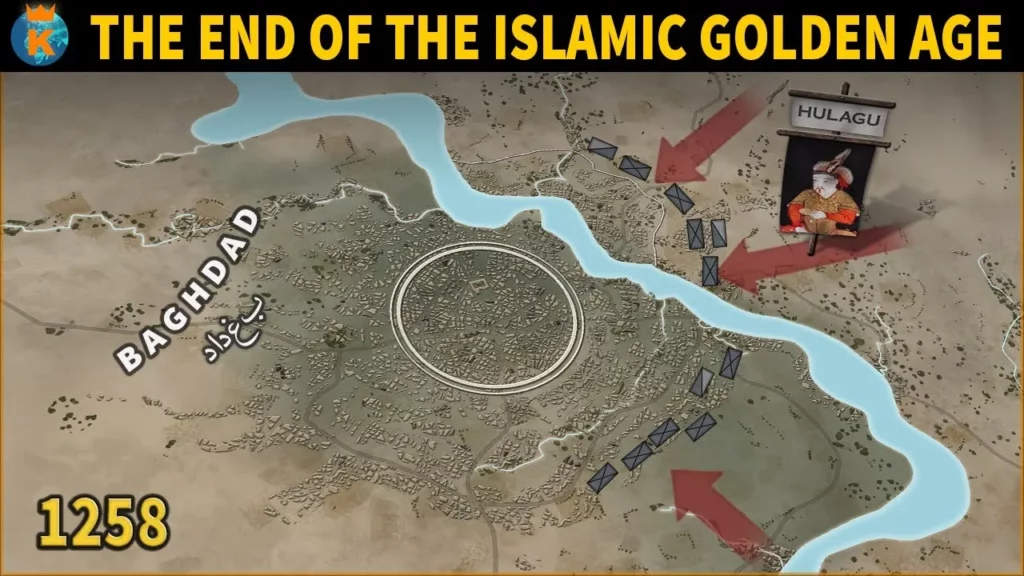
The lesson explores the destruction of Baghdad in 1258 by the Mongols, highlighting the city’s significance during the Golden Age of Islam as a center of knowledge and culture under the Abbasid Caliphate. The siege, initiated by Hulagu Khan, resulted in catastrophic loss of life and the obliteration of invaluable scholarly resources, marking the end of an era of prosperity and intellectual achievement. This event serves as a poignant reminder of the fragility of civilizations and the profound impact of military conquest on cultural heritage.
The History of Texas in 11 Minutes
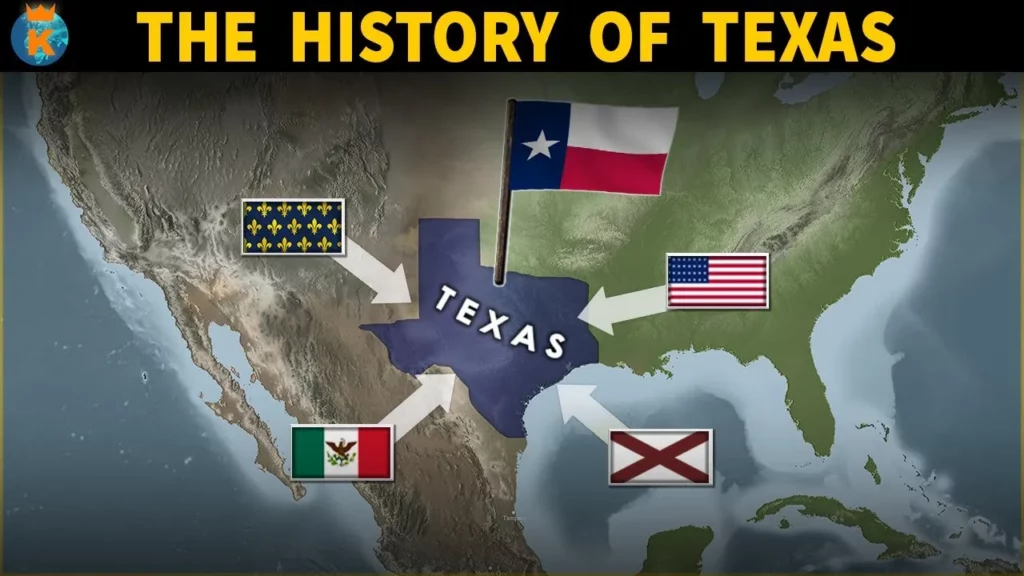
The lesson “The History of Texas in 11 Minutes” provides a concise overview of Texas’s rich and complex history, beginning with the Paleo-Indians around 9200 BC and highlighting key events such as European exploration, the struggle for independence from Mexico, and its eventual incorporation into the United States. It emphasizes the challenges faced by early explorers, the impact of colonial powers, and the significant moments that shaped Texas, including the Battle of the Alamo and the Civil War. Overall, the lesson illustrates how Texas’s diverse history has contributed to its unique identity within the nation.
How did Haiti Overthrow its French colonizers?
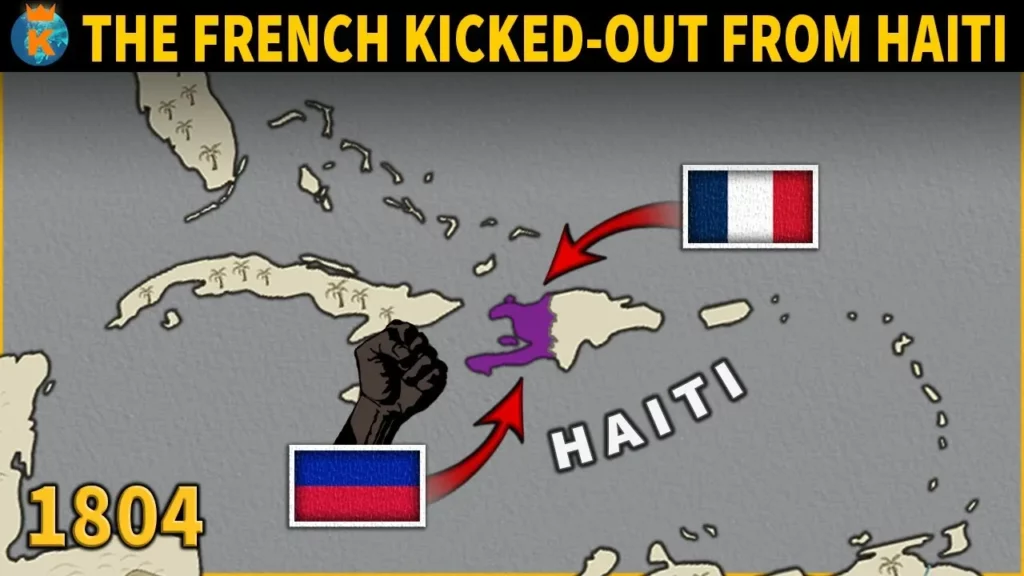
The lesson outlines the historical context of Haiti’s struggle for independence from French colonial rule, beginning with the establishment of the French colony of Saint-Domingue and its reliance on slavery for economic prosperity. Rising tensions among the social classes, exacerbated by the French Revolution, led to a massive slave revolt in 1791, which ultimately resulted in the abolition of slavery in 1794. The conflict culminated in Haiti’s declaration of independence on January 1, 1804, making it the first nation in Latin America to achieve freedom through a successful slave rebellion, highlighting the resilience and determination of the Haitian people.
Why did Spain give up Gibraltar?
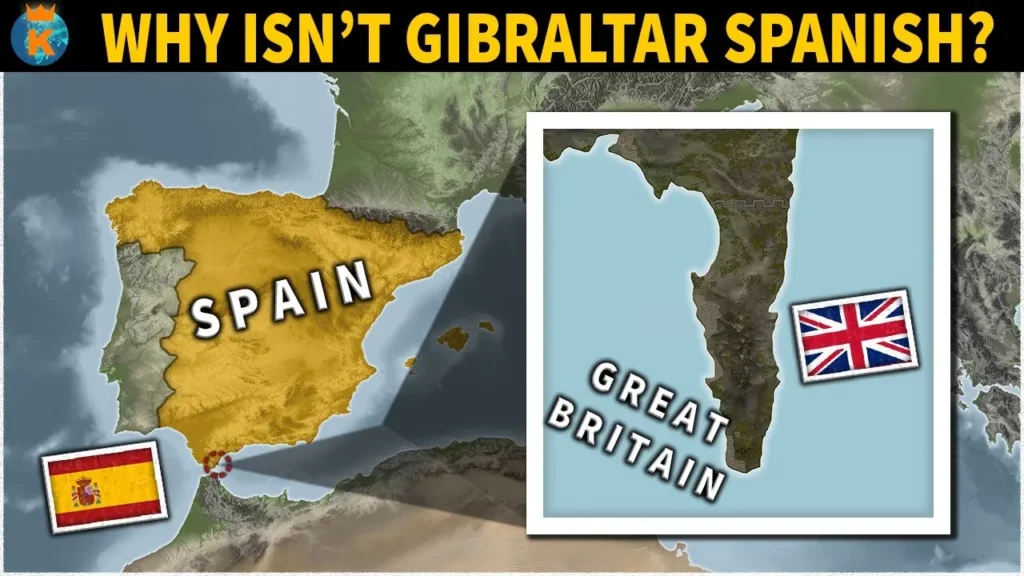
The lesson explains why Gibraltar, despite its geographical location in the Iberian Peninsula, remains under British control rather than being part of Spain. This situation stems from historical events, particularly the Treaty of Utrecht in the early 1700s, which ceded Gibraltar to Britain after the Spanish War of Succession, as well as the strong British identity and preference of Gibraltar’s residents, reinforced by referendums in the 20th century. The combination of historical ties, strategic importance, and the evolving identity of the Gibraltarians has solidified Gibraltar’s status as a British territory.
How did the Opium Wars Actually Happen? – All Parts
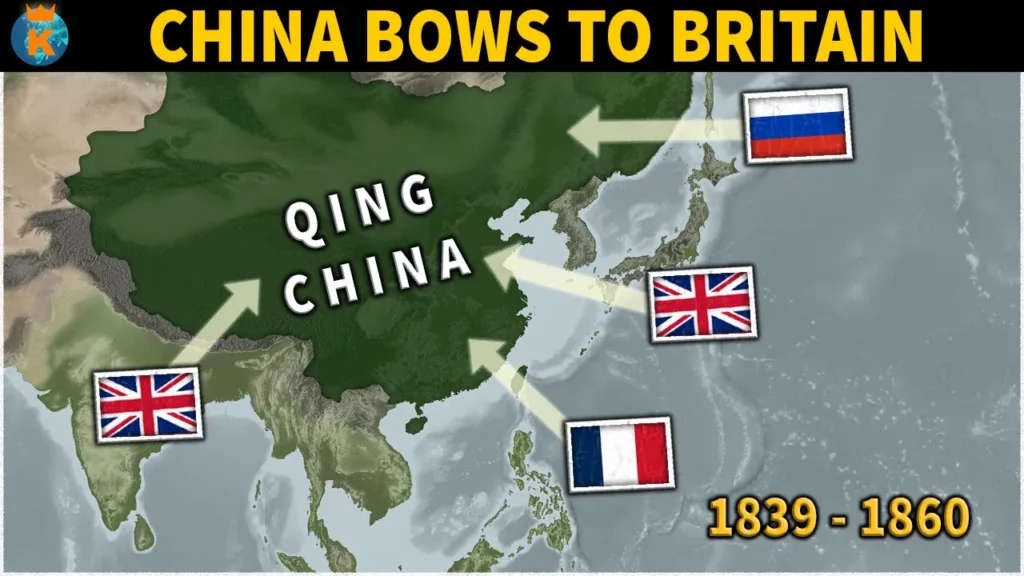
The lesson outlines the historical context and events leading to the Opium Wars between Britain and China, beginning with the establishment of trade relations under the Canton System. As British demand for Chinese goods grew, the East India Company turned to opium to balance trade, leading to widespread addiction in China and escalating tensions. The First Opium War resulted in significant territorial and economic concessions for Britain, followed by the Second Opium War, which further entrenched Western dominance and marked a period of humiliation for the Qing dynasty, despite some opposition within Britain regarding the moral implications of the opium trade.
Why did Nikita Khrushchev Give Crimea to Ukraine?
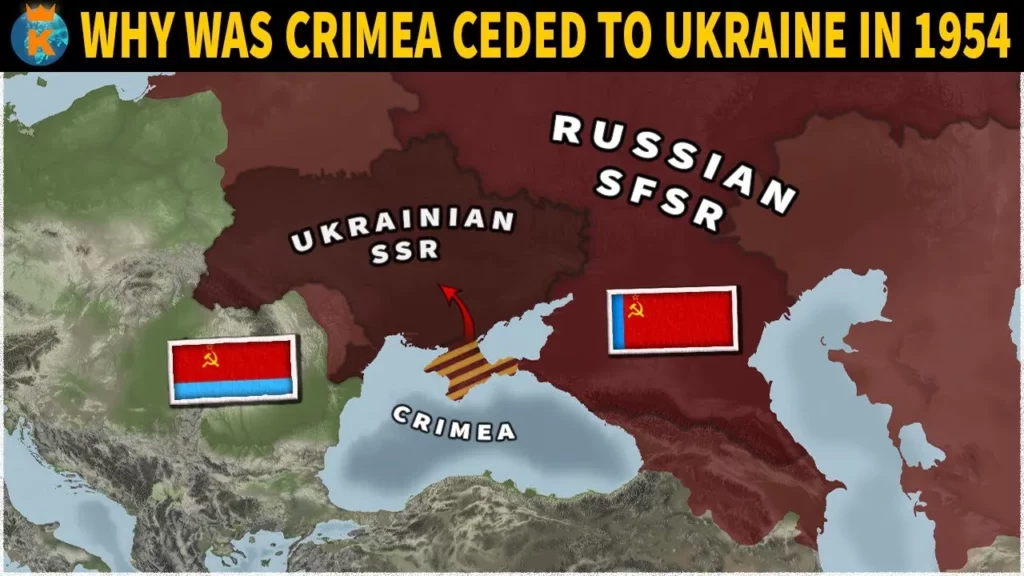
The lesson explores the historical context behind Nikita Khrushchev’s decision to transfer Crimea from the Russian Soviet Federative Socialist Republic to the Ukrainian Soviet Socialist Republic in 1954. It highlights various factors that may have influenced this decision, including economic motivations, Khrushchev’s personal ties to Ukraine, and the desire to address historical injustices. Understanding this complex background is essential for comprehending the ongoing geopolitical tensions between Russia and Ukraine today.
How was Switzerland Formed? -The History of Switzerland
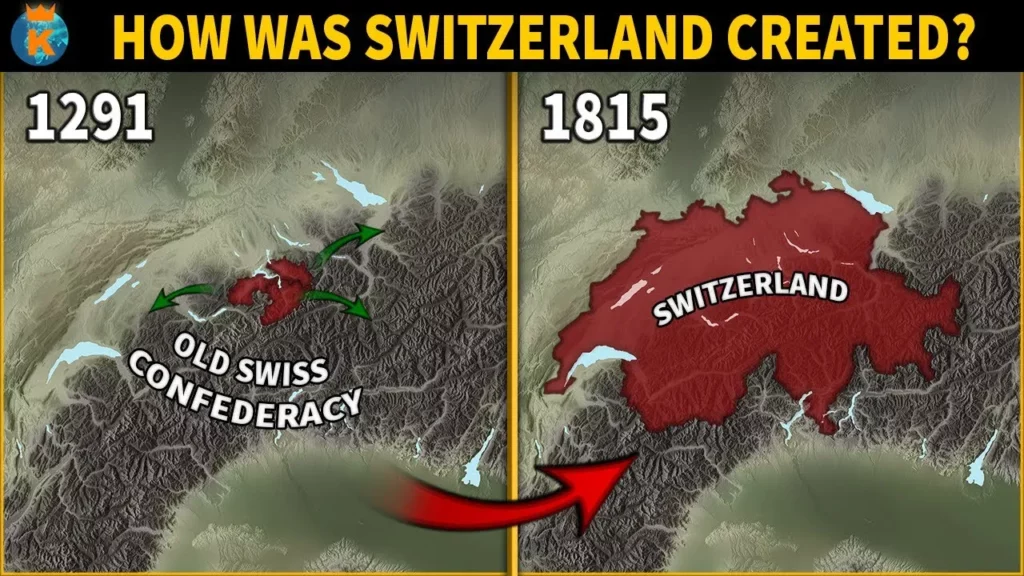
The lesson outlines the historical formation of Switzerland, beginning with its early inhabitants and the establishment of the Swiss Confederation in 1291 by three cantons seeking mutual protection. It details the expansion of the Confederation, the challenges faced during conflicts and religious divisions, and the eventual establishment of a unified federal state with a modern constitution in 1848. Switzerland’s journey to becoming a neutral and diverse nation is highlighted, culminating in its current status as a member of international organizations while maintaining its independence.
Why was Portugal Neutral in World War 2?
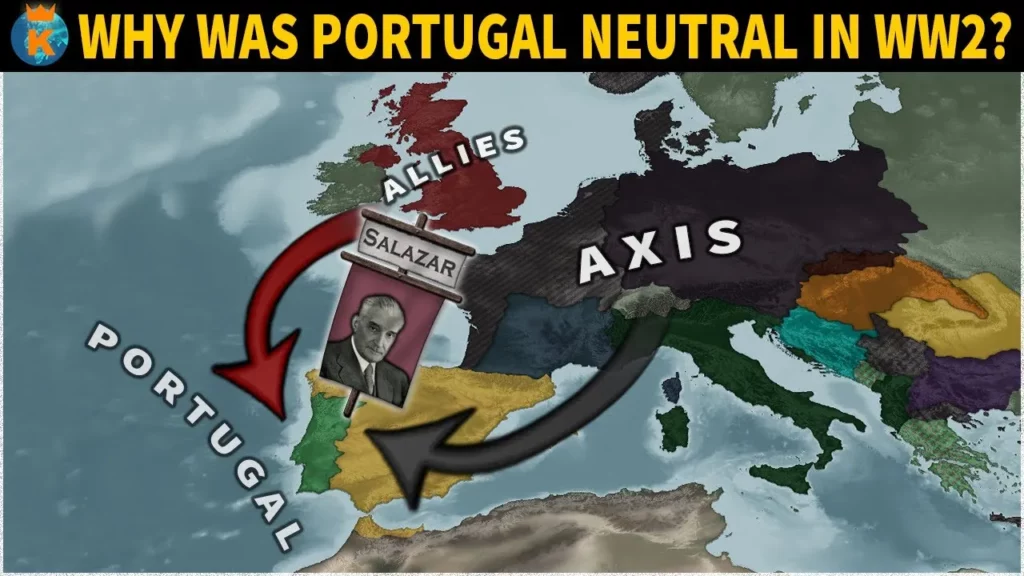
Portugal’s neutrality during World War II was shaped by its historical alliance with Britain, concerns about potential invasions from Axis powers, and the desire to maintain economic benefits through trade with both sides. While officially non-belligerent, Portugal’s actions sometimes favored Germany, reflecting the complexities of its position. Ultimately, this neutrality allowed Portugal to serve as a refuge for war refugees and to profit economically, making it a strategic choice for the nation.
How did The Ottomans Reach Indonesia in the 16th Century?
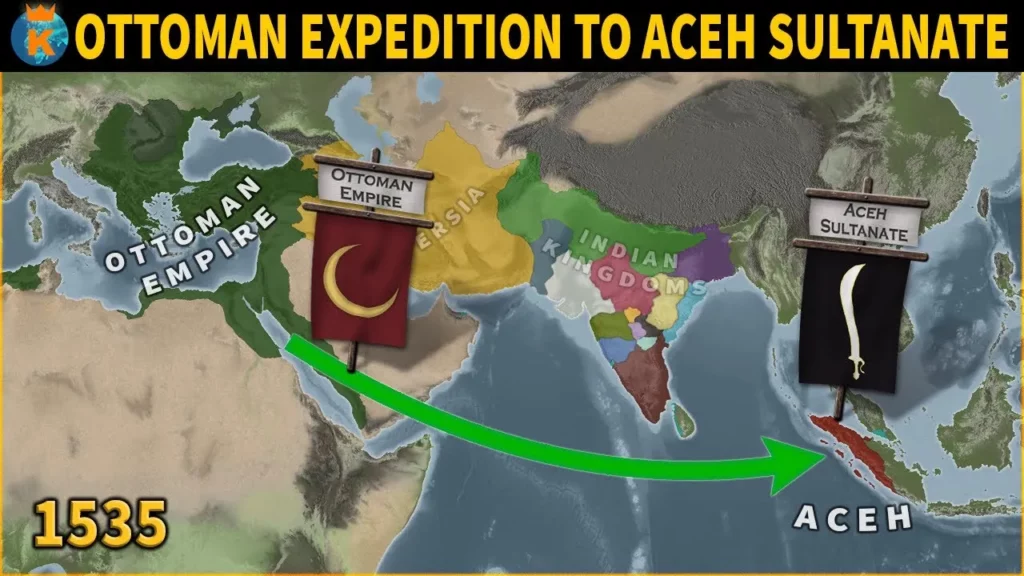
The lesson explores the strategic alliance formed between the Ottoman Empire and the Sultanate of Aceh in the 16th century, highlighting how this partnership was crucial for Aceh’s resistance against Portuguese colonization. The Ottomans provided military and technological support, including advanced cannonry, while also fostering trade relations that challenged Portuguese dominance in the Indian Ocean. This alliance not only helped Aceh maintain its independence but also extended Ottoman influence into Southeast Asia, demonstrating the significance of diplomacy and trade in historical contexts.