
Hydrocarbon Derivatives: Chemistry #43

This lesson focuses on the importance of functional groups in organic chemistry, which are specific clusters of atoms that determine the chemical behavior of organic compounds. It highlights key functional groups, particularly those involving oxygen (such as alcohols, aldehydes, carboxylic acids, ketones, ethers, and esters) and nitrogen (amines), explaining their structures and reactivity. Mastering these functional groups is essential for predicting the properties of compounds and for the synthesis of new materials in the field of organic chemistry.
Outtakes #1: Astronomy

The lesson “Understanding the Universe: A Journey Through Space and Science” explores fundamental concepts of space, including the Earth’s axial tilt, the vastness of the universe, the nature of light, and the complexities of gravity. It emphasizes how these elements shape our understanding of the cosmos and highlights the ongoing journey of discovery in unraveling the mysteries of the universe. Through this exploration, we gain a deeper appreciation for the intricate workings of our world and beyond.
Freedom of Speech: Government and Politics #25

The lesson on “Understanding Free Speech in the United States” explores the significance of the First Amendment, which safeguards individuals’ rights to express their opinions and criticize the government without fear of punishment. While political speech enjoys the highest level of protection, there are limitations, such as in private settings and certain types of speech like “fighting words.” Overall, the lesson emphasizes the importance of recognizing both the protections and restrictions surrounding free speech in the U.S. legal context.
Women’s Experience Under Slavery: Black American History #11
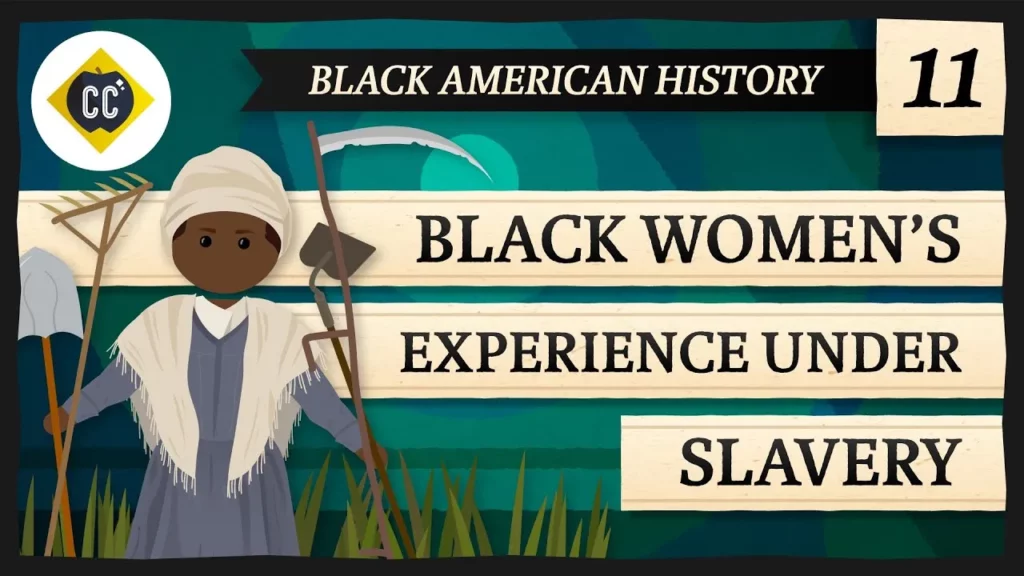
The lesson explores the distinct challenges faced by Black women during early American slavery, highlighting how their experiences were shaped by the intersection of race and gender. Enslaved women were often undervalued compared to men, yet their reproductive labor was crucial to the plantation economy, and they frequently endured domestic and fieldwork alongside severe exploitation, including sexual violence. Figures like Sojourner Truth emerged as advocates for their rights, emphasizing the need to recognize and address the historical roots of systemic inequalities that persist today.
Water & Solutions – for Dirty Laundry: Chemistry #7

This lesson emphasizes the critical role of water in chemistry and life, highlighting its unique properties as a solvent due to its polar nature. Water’s ability to dissolve various substances and form electrolytes is essential for biological functions and chemical reactions, such as in the use of hydrogen peroxide for laundry. Understanding these properties enables effective manipulation of solutions, underscoring water’s fundamental importance in both everyday tasks and complex chemical processes.
Representing Numbers and Letters with Binary: Computer Science #4

This lesson explains how computers store and represent numerical data using the binary system, which relies on two states: 1 and 0. It covers the differences between decimal and binary systems, the process of binary arithmetic, and the significance of bytes and data sizes. Additionally, it discusses how computers represent negative and floating-point numbers, as well as text through coding systems like ASCII and Unicode, emphasizing the importance of understanding these concepts for grasping computer functionality.
Tissues, Part 2 – Epithelial Tissue: Anatomy & Physiology #3
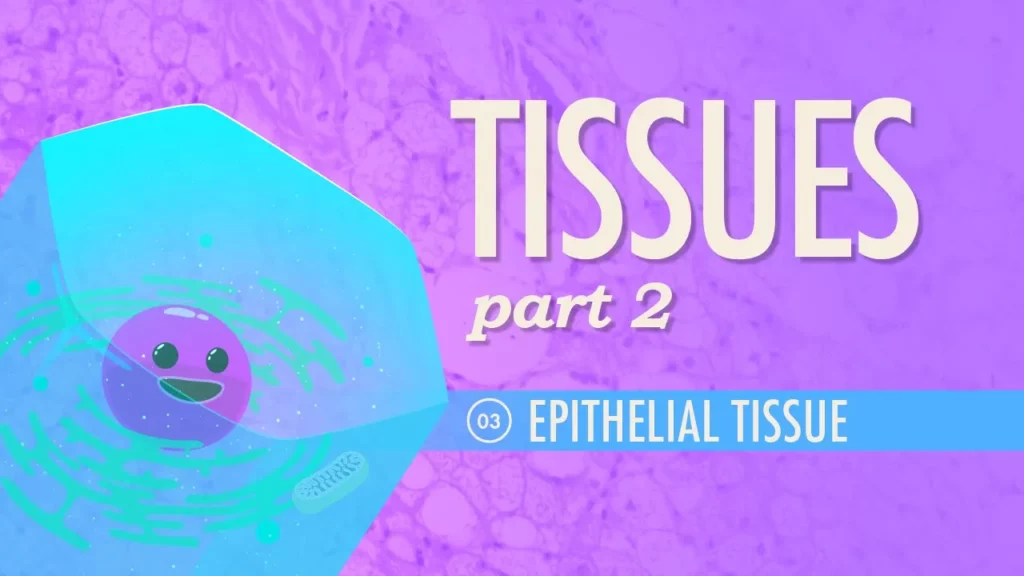
Epithelial tissue serves as the body’s organizational system, providing structure and order by covering surfaces and forming glands that secrete essential substances. It is classified into two main types—proper epithelium, which lines and covers surfaces, and glandular epithelium, which produces hormones and other secretions. Understanding its unique shapes, layering, and polarity is crucial for recognizing its vital role in maintaining the body’s functions and overall health.
Motion in a Straight Line: Physics #1
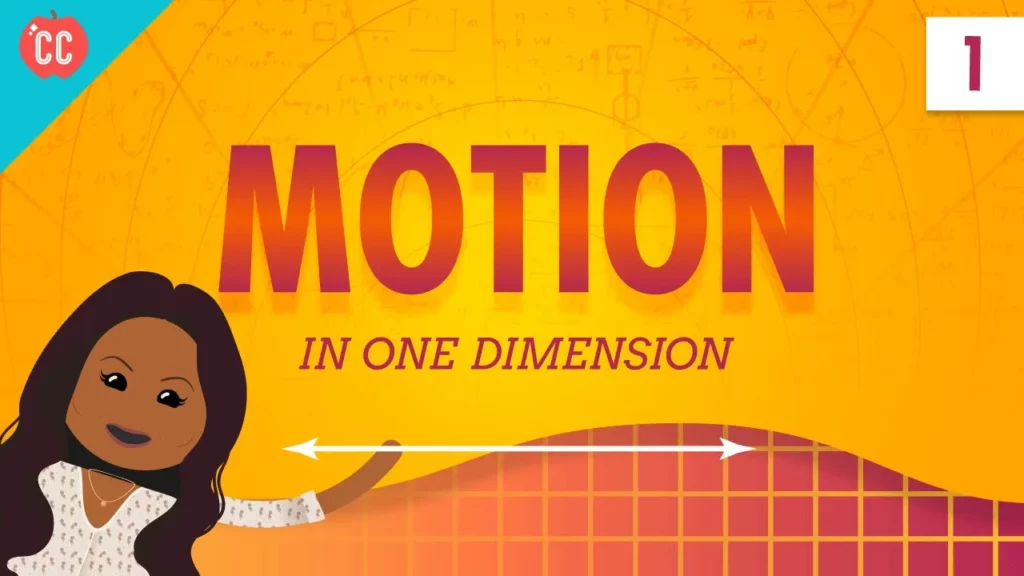
This lesson introduces the fundamental concepts of kinematics, focusing on the science of motion, including time, position, velocity, and acceleration. It emphasizes the importance of understanding motion in real-life scenarios, such as traffic enforcement, and provides key equations to calculate average velocity and acceleration. By exploring one-dimensional motion and graphing techniques, the lesson lays the groundwork for applying these principles to practical situations, like analyzing speeding incidents.
Early Computing: Computer Science #1

The lesson explores the evolution of computing, tracing its origins from ancient tools like the abacus to modern digital machines. It highlights key developments, including the transition from human calculators to mechanical devices, the contributions of pioneers like Charles Babbage and Ada Lovelace, and the impact of innovations such as punch card systems on data processing. The lesson concludes by emphasizing the ongoing advancements in computing technology and its integral role in contemporary society.
Heat Engines, Refrigerators, & Cycles: Engineering #11

The lesson emphasizes the significance of repetition and cyclical processes in engineering, particularly in the context of heat engines and refrigeration systems. By understanding and mastering these cycles, engineers can innovate and enhance technologies, as demonstrated through the historical development of refrigeration and the exploration of sustainable solutions like solar-powered systems. Ultimately, grasping these concepts is crucial for advancing engineering practices and optimizing existing technologies.