
How did Moldavia Defeat The Great Powers of the 15th Century? – Stephen the Great – Part 1
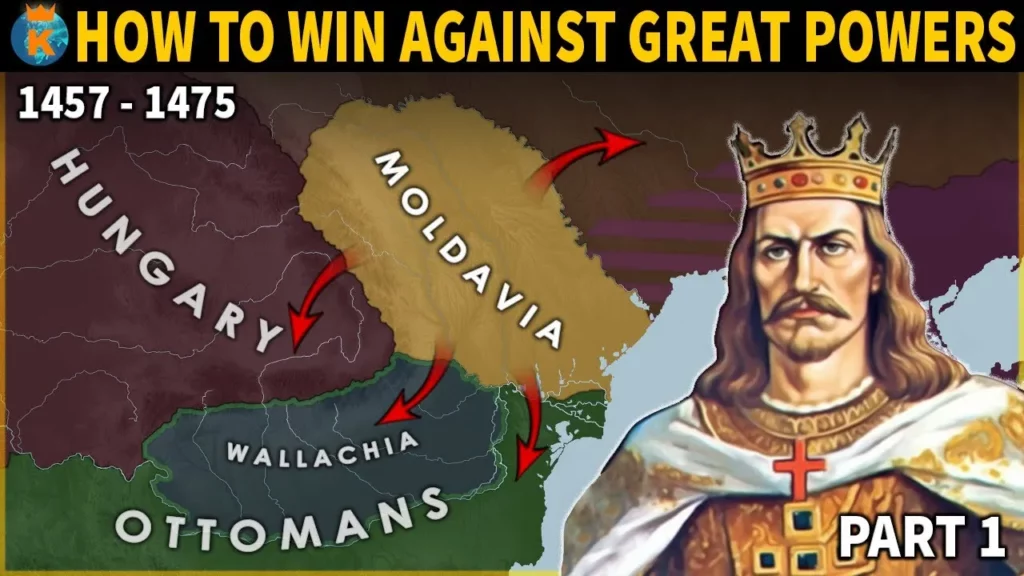
Stephen III of Moldavia, also known as Stephen the Great, is celebrated as a national hero and Christian champion for his military victories against the Ottoman Empire and his dedication to building churches. His rise to power involved complex family dynamics and strategic alliances, particularly with his cousin Vlad the Impaler, as he navigated threats from various regional powers. Stephen’s legacy is marked by his resilience and commitment to his principality, solidifying his place in European history as a formidable leader.
How did the Russians Conquer Siberia?
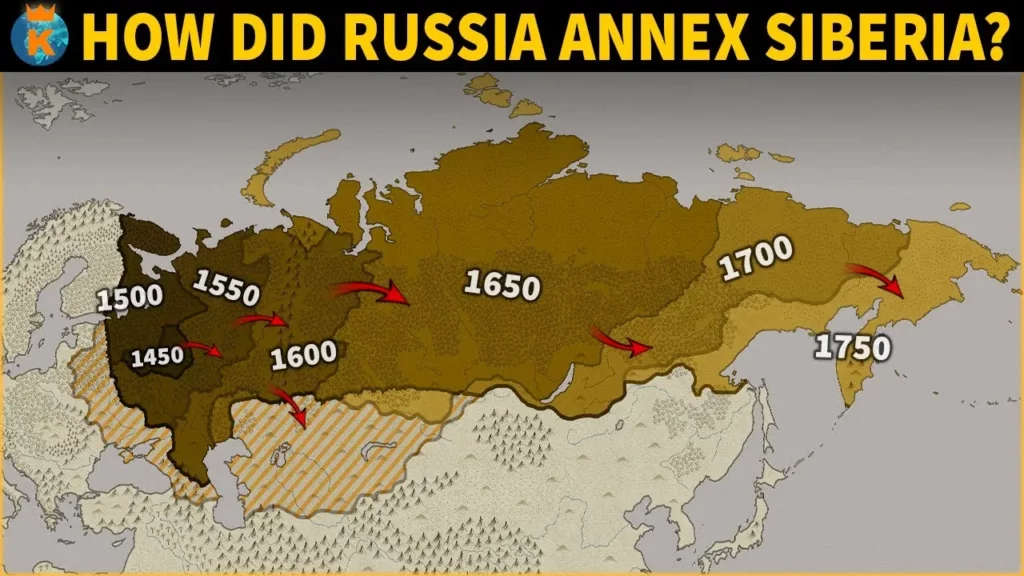
The lesson explores the historical conquest of Siberia by the Russians, highlighting the role of the Cossacks, led by Yermak Timofeyevich, in overcoming local Tartar resistance during the late 16th century. Despite facing significant challenges, including fierce opposition from native populations and the devastating impact of diseases like smallpox, the Cossacks successfully expanded Russian territory, establishing control over Siberia by the early 17th century. This expansion was driven by the lucrative fur trade and resulted in profound changes for the native peoples, often leading to their subjugation or decline.
How did the American Civil War Actually Happen? (Part 2) – All Important Battles of 1861
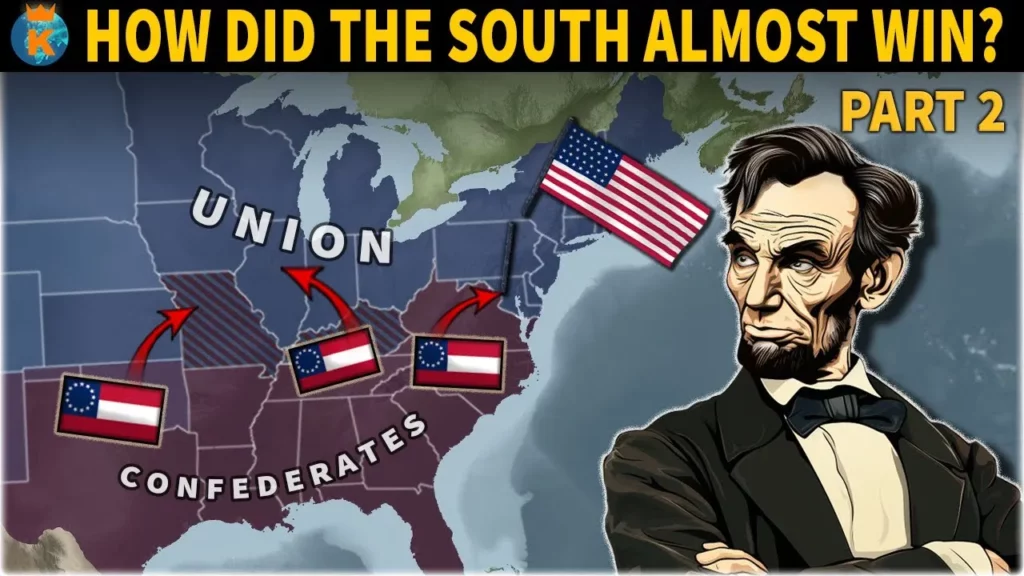
The lesson details the early events of the American Civil War, focusing on key battles and strategic developments in 1861. It begins with the Confederate attack on Fort Sumter, which marked the war’s onset, and highlights President Lincoln’s mobilization efforts and the initial military strategies employed by both sides. The lesson also discusses early battles, setbacks for the Union, and the growing tensions both domestically and internationally, setting the stage for the prolonged conflict ahead.
How did the Reconquista Actually Happen?
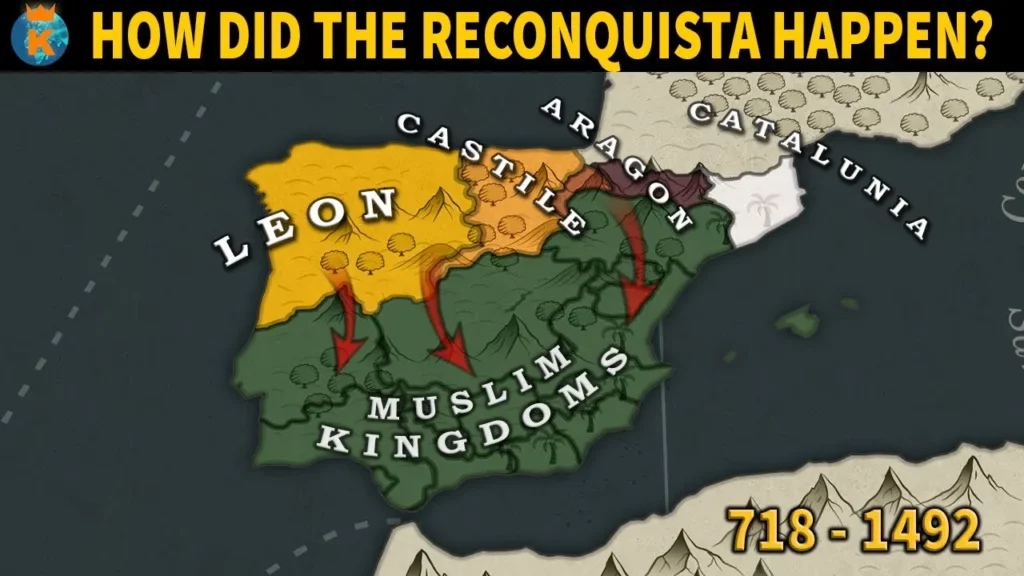
The Reconquista was a prolonged struggle between Christian kingdoms and Muslim rule in the Iberian Peninsula, beginning in 711 with the Umayyad invasion and culminating in the fall of Granada in 1492. Key events included the Battle of Covadonga, the capture of Toledo, and the decisive victory at Las Navas de Tolosa, which allowed Christians to expand their territories significantly. The Reconquista not only reshaped the political landscape of Spain but also led to cultural exchanges and the eventual expulsion of Jews and Muslims, marking a significant turning point in European history.
How did the Soviets win at Stalingrad?
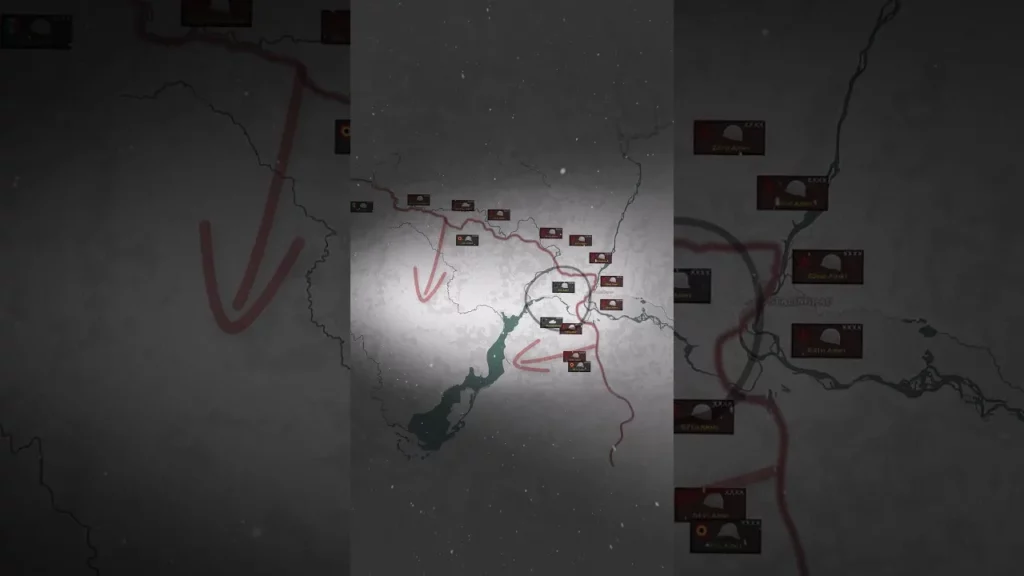
The lesson on the Battle of Stalingrad highlights how the Soviets achieved a pivotal victory during World War II through strategic planning and effective execution. By launching a surprise counter-offensive that targeted the weaker flanks of the German forces, the Soviets successfully encircled and trapped the enemy, demonstrating the significance of exploiting vulnerabilities in military strategy. This battle serves as a powerful reminder of the impact that intelligence and adaptability can have in overcoming seemingly insurmountable odds.
Why is San Marino a country? – History of San Marino in 12 Minutes
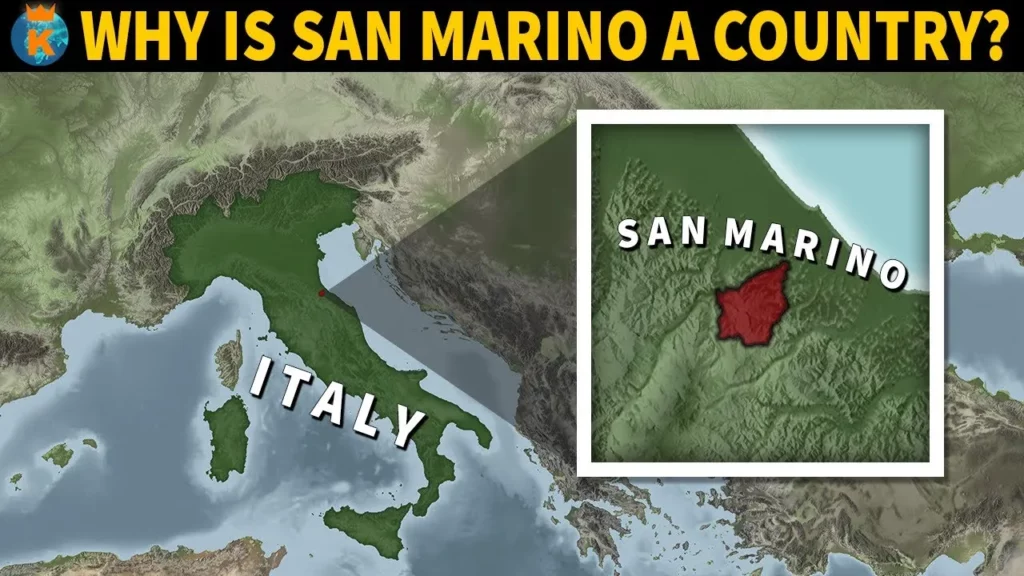
The lesson explores the unique history of San Marino, a small, landlocked country entirely surrounded by Italy, which has maintained its independence since its founding by Saint Marinus in 301 AD. Despite facing various challenges and occupations throughout history, San Marino has preserved its sovereignty through strategic diplomacy and alliances, remaining a respected member of the international community today. The lesson highlights how San Marino’s small size and geographical features contributed to its resilience as an independent nation.
How did Mehmed II create a Muslim Superpower? – History of the Ottoman Empire under Mehmed II
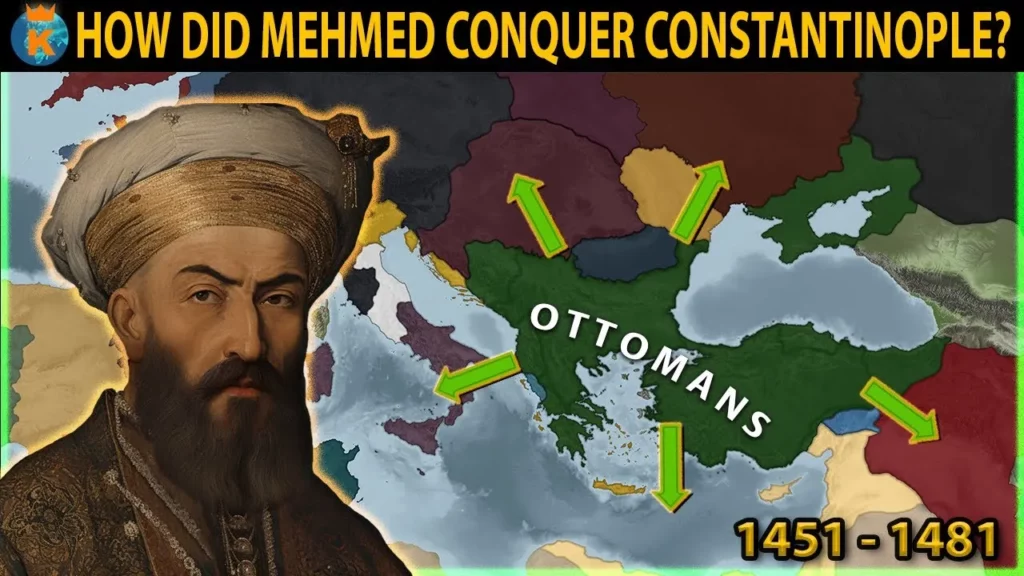
Mehmed II, known as Mehmed the Conqueror, significantly shaped the Ottoman Empire’s rise by defeating the Byzantine Empire and implementing policies that promoted religious tolerance and social equity. His centralized administration and patronage of the arts fostered a rich cultural environment, while his military prowess culminated in the conquest of Constantinople in 1453, marking a pivotal moment in history. Despite facing challenges and an untimely death in 1481, Mehmed’s legacy as a powerful and wise leader endures.
How did The Roman Republic start Collapsing? – History of the Roman Empire – Part 7
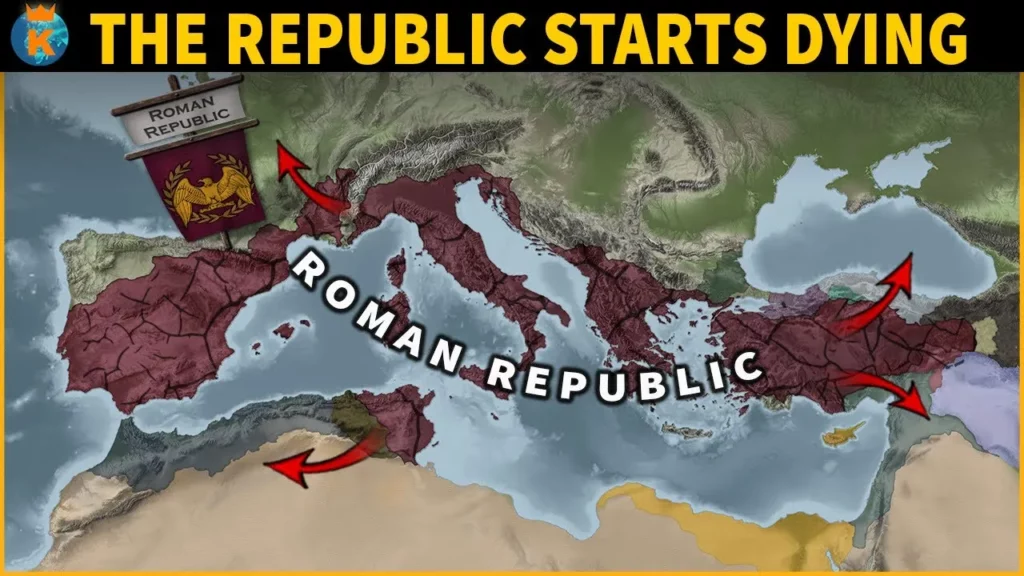
The lesson outlines the factors contributing to the collapse of the Roman Republic, focusing on its alliance with the Achaean League and subsequent conflicts. Internal strife within the Achaean League, coupled with Roman military interventions and domestic challenges such as the Jugurthine War and multiple slave rebellions, highlighted the Republic’s vulnerabilities. Ultimately, these struggles paved the way for the rise of Julius Caesar and the transition from Republic to Empire, marking a significant shift in ancient history.
How did Caesar Conquer Gaul and Destroy the Republic? – History of the Roman Empire – Part 8
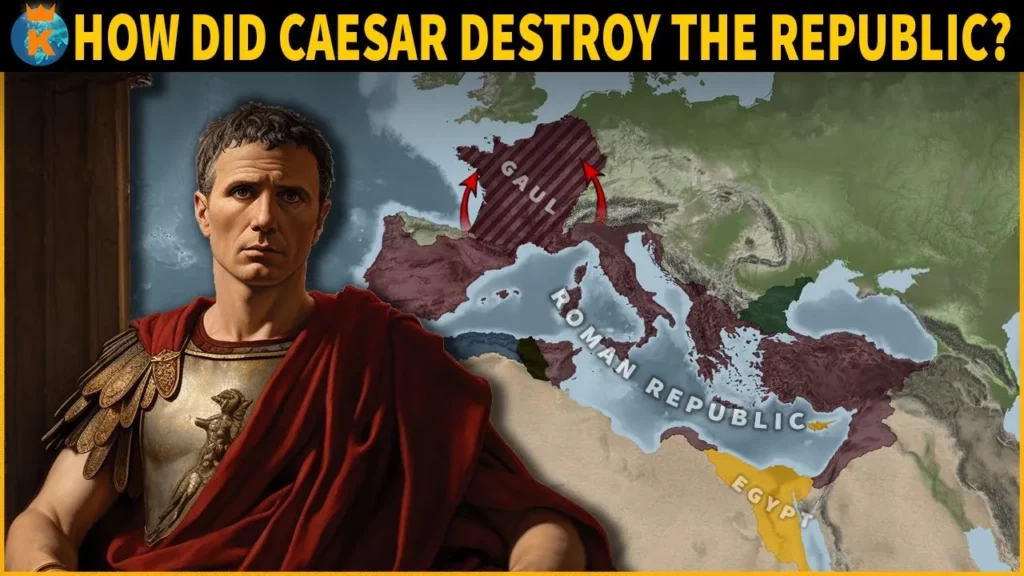
The lesson explores the rise of Julius Caesar during the tumultuous mid-1st century BC in Rome, detailing his military conquests in Gaul and the political maneuvers that led to the collapse of the Roman Republic. It highlights Caesar’s ascent from a noble background to a powerful military leader and dictator, culminating in his assassination on the Ides of March in 44 BC, which marked a pivotal moment in Roman history and set the stage for the emergence of the Roman Empire under Augustus.
Why was Ireland Colonized by the English?
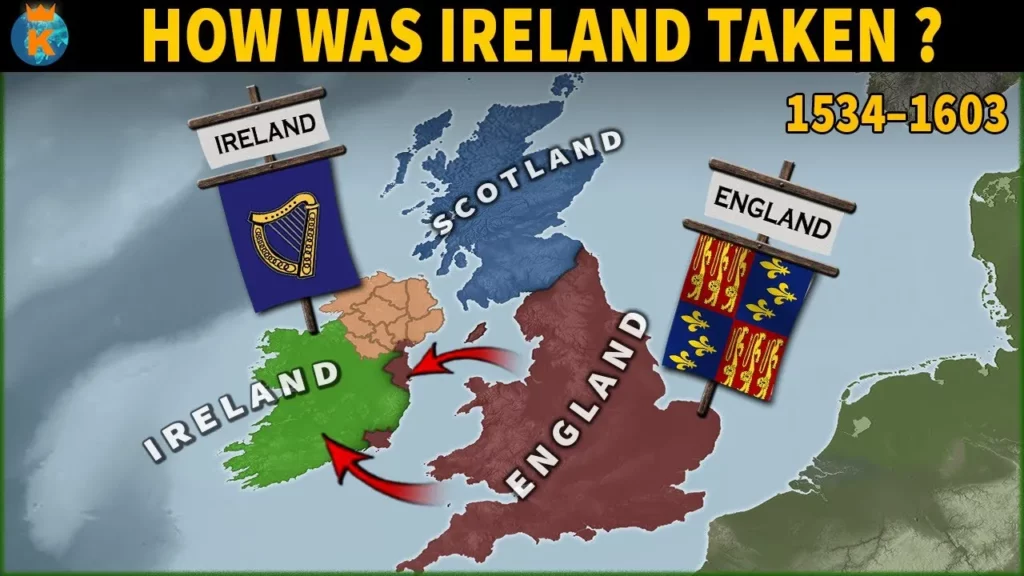
The lesson explores the complex history of Northern Ireland, focusing on its colonization by the English beginning in the mid-16th century. It details the Gaelic roots of Ulster, the conflicts arising from English encroachment, and the establishment of the plantation system, which created deep religious and social divisions. Ultimately, the lesson highlights the lasting impact of colonization on the region and emphasizes the importance of understanding this history to foster peace and unity in the future.