
Battle of Vaslui | How to Win Against a 100,000 Ottoman Army – Stephen The Great – Part 2

The Battle of Vaslui in 1475 marked a significant strategic victory for Stephen, the ruler of Moldavia, against the Ottoman Empire, despite being heavily outnumbered. Utilizing guerrilla tactics and the challenging terrain to his advantage, Stephen’s forces inflicted severe casualties on the Ottomans, earning him recognition as a hero in European history. Although he faced ongoing challenges and shifting alliances afterward, his triumph at Vaslui showcased his military brilliance and resilience in the face of overwhelming odds.
How did the Allies Escape at Dunkirk in WW2? #history #dunkirk
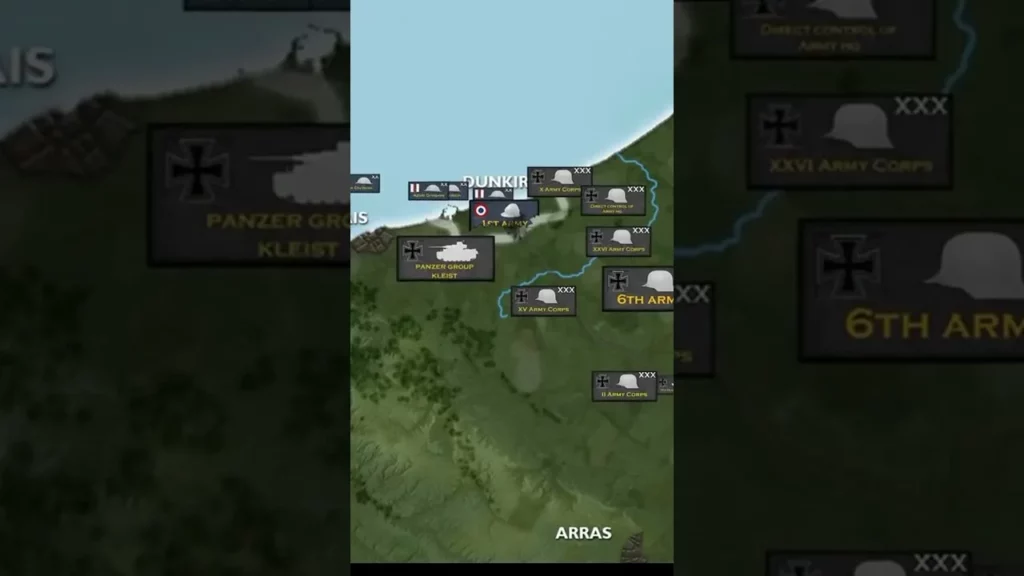
The lesson on the Dunkirk evacuation during World War II highlights the desperate situation faced by Allied forces as they were cornered by the advancing German army. Through Operation Dynamo, a coordinated effort involving military and civilian vessels, over 330,000 soldiers were successfully evacuated, showcasing the bravery of French troops who held the line and the importance of quick decision-making and cooperation in crisis situations. This event not only served as a significant morale boost for the Allies but also exemplified resilience and hope in the face of adversity.
How did Italy Conquer Ethiopia in 1936? ????

The lesson explores Italy’s conquest of Ethiopia in 1936, highlighting the challenges faced by Italian forces and the pivotal shift in tactics with the use of chemical weapons, specifically mustard gas. This strategic decision, combined with modern weaponry and reinforcements, ultimately led to Italy’s victory and the annexation of Ethiopia, illustrating the profound impact of technological advancements in warfare and the ethical implications of such actions. The event serves as a reminder of the importance of international cooperation to prevent the use of inhumane weapons in contemporary conflicts.
The History of New York in 12 Minutes

The lesson outlines the rich history of New York, beginning with its early Indigenous inhabitants, such as the Iroquois and Algonquians, who thrived in the region for thousands of years. It traces the arrival of European explorers, the establishment of New Amsterdam, and the subsequent English takeover, highlighting New York’s pivotal role in the American Revolution and its evolution into a diverse, industrialized state by the 19th century. The lesson concludes by emphasizing New York’s significance in American history and its status as a vibrant, multicultural hub today.
Why did The Fatimid Caliphate Collapse? ????
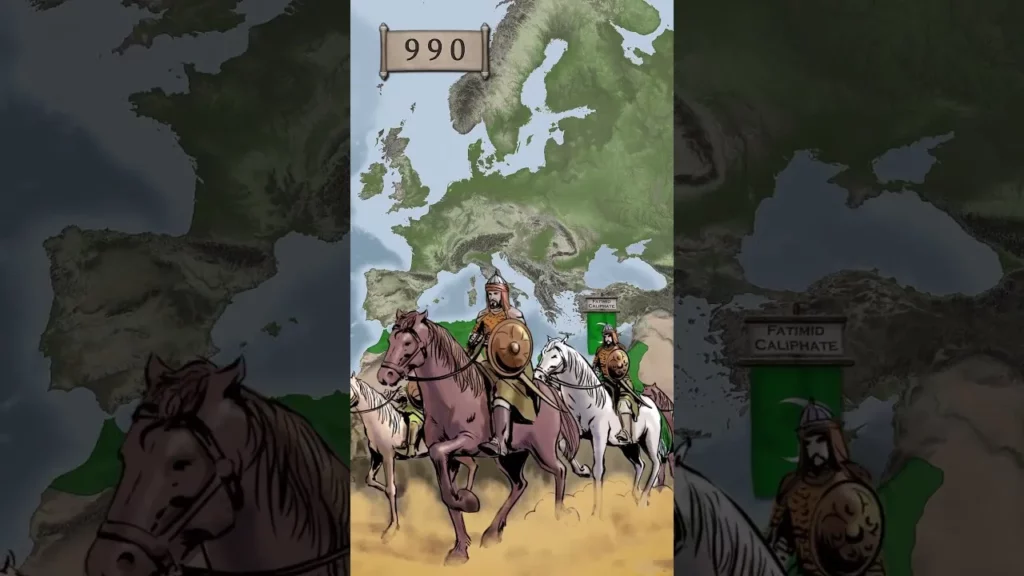
The Fatimid Caliphate, a significant Islamic dynasty known for its cultural achievements and the establishment of Cairo, ultimately collapsed due to a combination of internal divisions, poor governance, and external pressures. While the empire initially embraced diversity, this led to internal conflicts within the military and ineffective leadership, which weakened their control. The lessons from their downfall highlight the necessity of effective governance and the careful management of diverse societies to maintain stability and prosperity.
Why did The Maurya Empire Collapse? – The History of Largest Empire in Ancient India
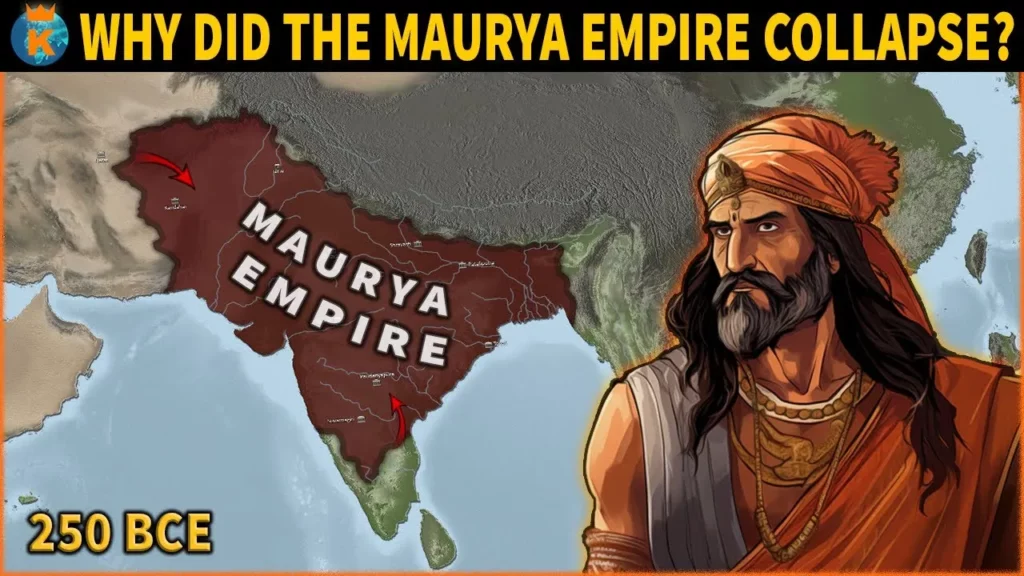
The Maurya Empire, established by Chandragupta Maurya with the guidance of Chanakya, rose to prominence through military conquests and diplomatic alliances, reaching its zenith under Ashoka, who transformed the empire with his promotion of Buddhism and non-violence. However, following Ashoka’s death, weak leadership and internal strife, coupled with foreign invasions, led to the empire’s decline and eventual collapse, culminating in the assassination of the last Mauryan ruler, Brihadrata, by his general. The empire’s inability to adapt to its vast size and maintain strong governance ultimately contributed to its downfall.
How did The Ottomans Try to Conquer Italy? ????

In the late 15th century, Sultan Mehmed II of the Ottoman Empire aimed to expand into Europe by capturing the strategic port city of Otranto in Italy. After successfully breaching Otranto’s defenses in July 1480 and causing significant casualties, the Ottomans initially appeared poised for further conquests. However, their control was short-lived due to resistance from local forces and internal challenges, ultimately leading to their withdrawal and unfulfilled ambitions in Italy.
How did the Great Depression Actually Happen?

The lesson explores the multifaceted causes and consequences of the Great Depression, beginning with the economic prosperity of the Roaring Twenties, followed by the catastrophic stock market crash of 1929. It examines the role of the Federal Reserve, government responses like the Smoot-Hawley Tariff, and Franklin D. Roosevelt’s New Deal initiatives aimed at economic recovery, while also acknowledging the complexities of the crisis and the eventual impact of World War II in revitalizing the economy. Ultimately, the lesson highlights that the Great Depression was a result of various interrelated factors, and its lessons continue to shape modern economic policies.
How did the Muslims win The Battle of Badr? – The first victory of Islam

The Battle of Badr was a crucial turning point in Islamic history, marking the first significant victory for Muslims against the Quraysh tribe of Mecca. Led by Muhammad, the Muslim forces employed strategic tactics, such as disrupting enemy water access and utilizing bold maneuvers during the battle, which ultimately allowed them to triumph despite being outnumbered. This victory not only bolstered the morale and faith of the early Muslim community but also set a precedent for future engagements, illustrating the power of strategic planning and unwavering belief in overcoming challenges.
How did the Muslims lose the Battle of Uhud????? – The first defeat of Islam #short #history #uhud

The Battle of Uhud was a pivotal moment in early Islamic history, where the Muslims, despite initial success against the larger Meccan army, ultimately faced defeat due to a critical mistake by their archers who abandoned their positions. This decision allowed the Meccans to launch a surprise attack, leading to chaos and heavy losses for the Muslims, including injuries to the Prophet Muhammad. The battle underscored the importance of discipline, adherence to orders, and strategic planning in the face of adversity.