
Why couldn’t Antony Win Over Octavian? – The Last Civil War – History of Rome – Part 9
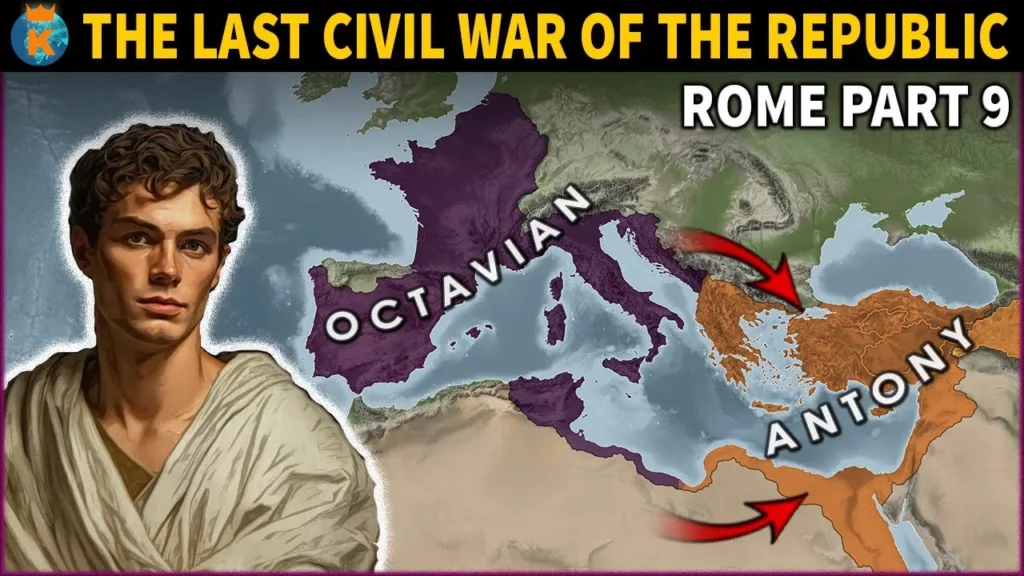
The assassination of Julius Caesar marked a critical turning point in Roman history, leading to the eventual collapse of the Roman Republic amid intense power struggles. Following Caesar’s death, Mark Antony and Octavian formed the Second Triumvirate to eliminate Caesar’s assassins, but their alliance deteriorated due to personal ambitions and conflicts, culminating in the decisive Battle of Actium. Octavian’s victory over Antony and Cleopatra ultimately established him as Augustus, the first Roman Emperor, signaling the transition from Republic to Empire.
How was England Actually Formed? ????
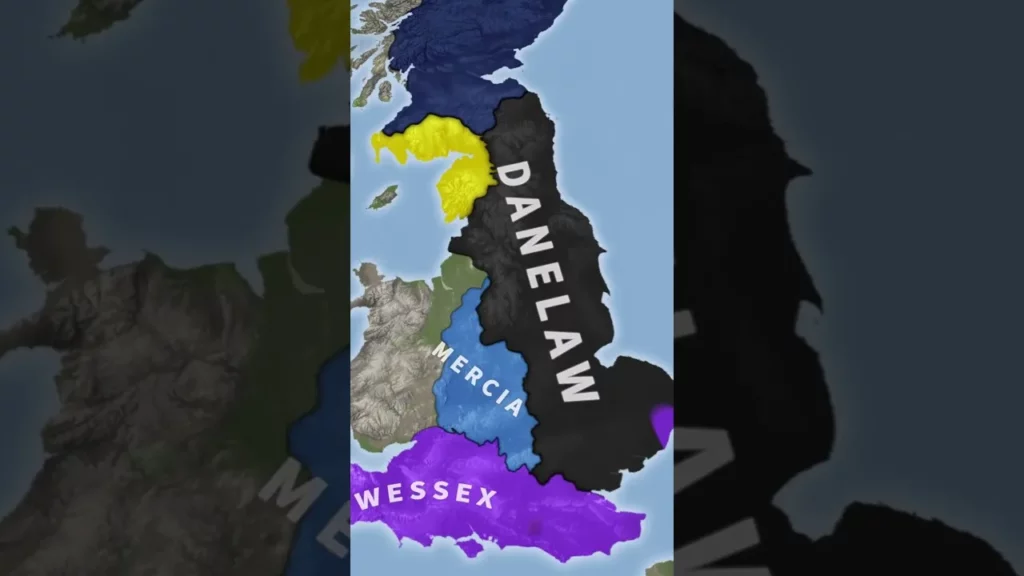
The lesson explores the formation of England, highlighting key events such as the Viking invasions, the defense led by Alfred the Great, and the subsequent expansion under Edward and Æthelflæd. It culminates with Æthelstan’s unification of the Anglo-Saxon kingdoms, marking him as the first true King of England after his significant victory at the Battle of Brunanburh. This historical journey illustrates the complex interplay of battles, leadership, and cultural merging that shaped the England we recognize today.
Why did Yugoslavia Collapse? ????
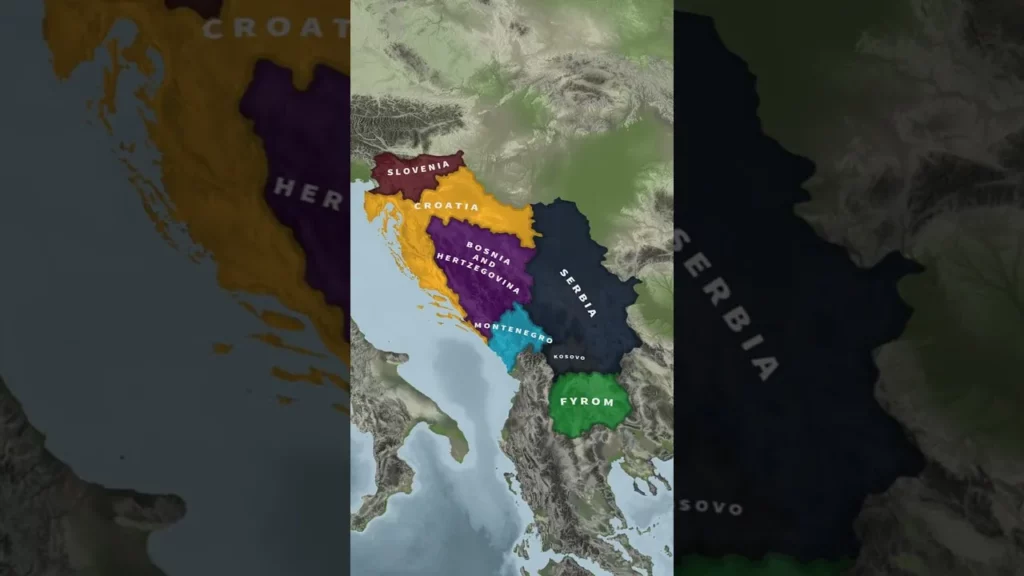
The collapse of Yugoslavia was driven by a combination of economic mismanagement, rising nationalism, and political failures that exacerbated ethnic tensions among its diverse population. As economic hardships intensified, nationalist sentiments surged, leading to declarations of independence by various republics and subsequent violent conflicts, particularly in Bosnia and Herzegovina. Ultimately, the dissolution of Yugoslavia highlights the challenges of maintaining unity in a multi-ethnic state and underscores the critical need for effective governance and cooperation in diverse societies.
Why wasn’t Scotland Conquered by England? – The First Scottish War of Independence
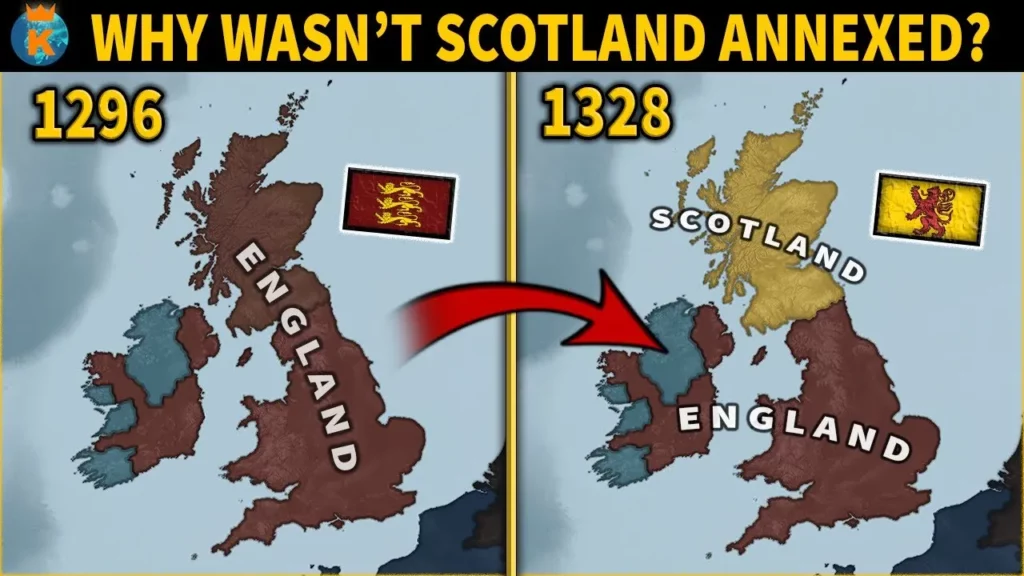
The First Scottish War of Independence was ignited by the death of King Alexander III in 1286, leading to a succession crisis and the eventual rise of Edward I of England’s influence over Scotland. Despite initial setbacks, including the abdication of King John Balliol and English victories, Scottish leaders like William Wallace and Robert the Bruce emerged to rally resistance, ultimately securing Scotland’s independence through strategic alliances and military successes, culminating in the Treaty of Edinburgh-Northampton in 1328. This period highlights Scotland’s resilience and determination to maintain its sovereignty against external pressures.
Why didn’t Japan Join the Offensive against Soviet Union?
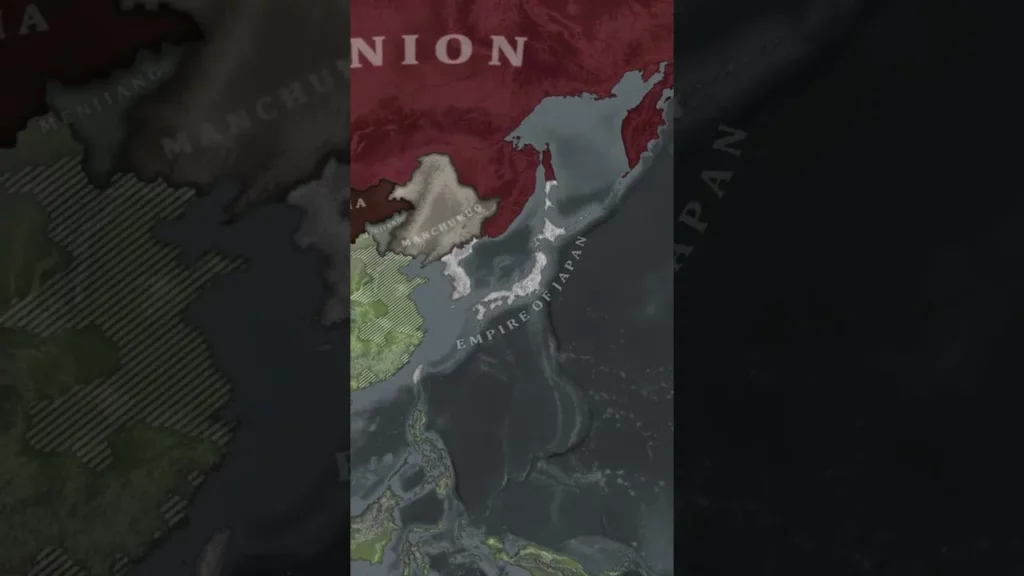
The lesson explores Japan’s decision not to attack the Soviet Union during World War II, despite Germany’s offensive from the West. Key factors included Japan’s defeat in the 1939 Battle of Khalkhin Gol, which made them wary of further conflict with the Soviets, their focus on expanding their empire in Asia, and the signing of a neutrality pact in 1941 that allowed them to concentrate on their strategic goals without the threat of a two-front war. This analysis highlights the complexities of wartime decision-making and the importance of prioritizing national objectives.
How did the Vikings Reach America 500 years before Columbus?
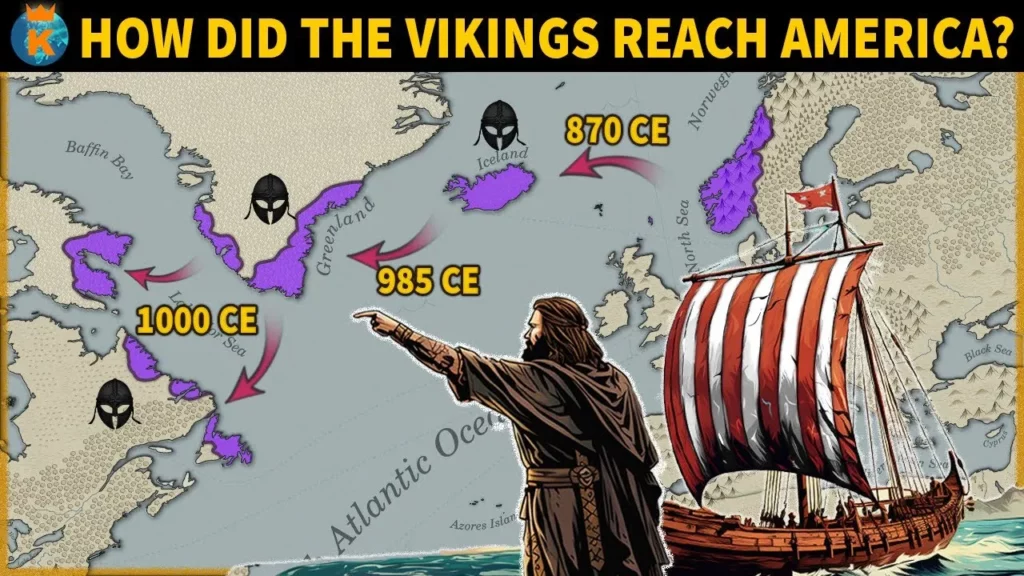
The lesson explores the Viking exploration of North America, highlighting that Leif Erikson reached the continent around 1000 A.D., approximately 500 years before Christopher Columbus. Through the accounts in Icelandic sagas and archaeological evidence, it is established that Erikson and his crew explored areas now known as Newfoundland, marking the Vikings as the first Europeans to set foot in North America, while acknowledging the presence of indigenous peoples long before either explorer arrived. The lesson also emphasizes the significance of recognizing Erikson’s contributions to history, commemorated by Leif Erikson Day.
Why did The Crusades Fail?
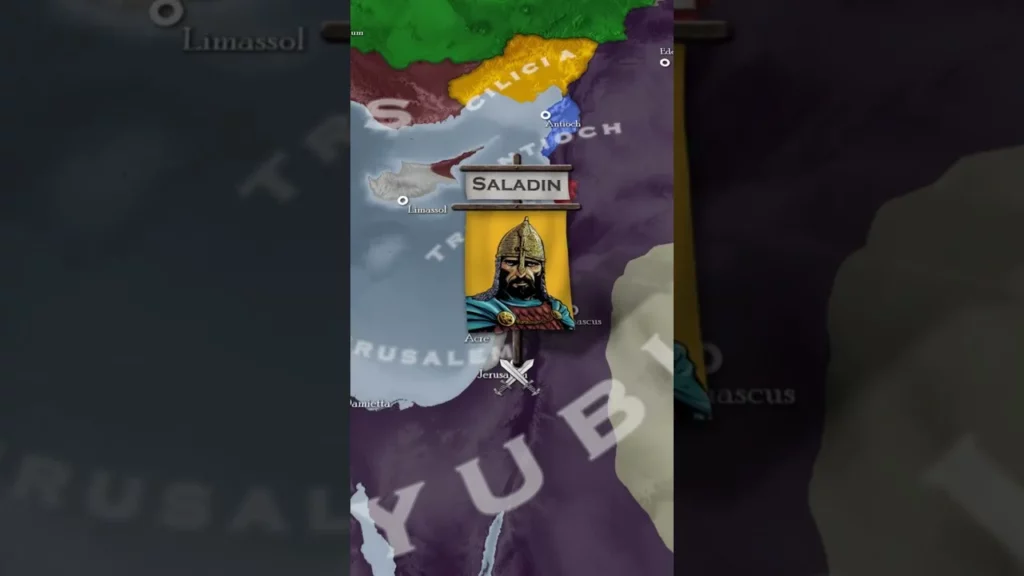
The Crusades ultimately failed due to a combination of logistical challenges, lack of unity among the diverse European forces, strong local opposition from skilled Muslim leaders, declining religious enthusiasm over time, and the unsustainability of their conquests in distant territories. These factors hindered the Crusaders’ ability to maintain control and achieve their long-term objectives in the Holy Land.
Why did Austria-Hungary Collapse?
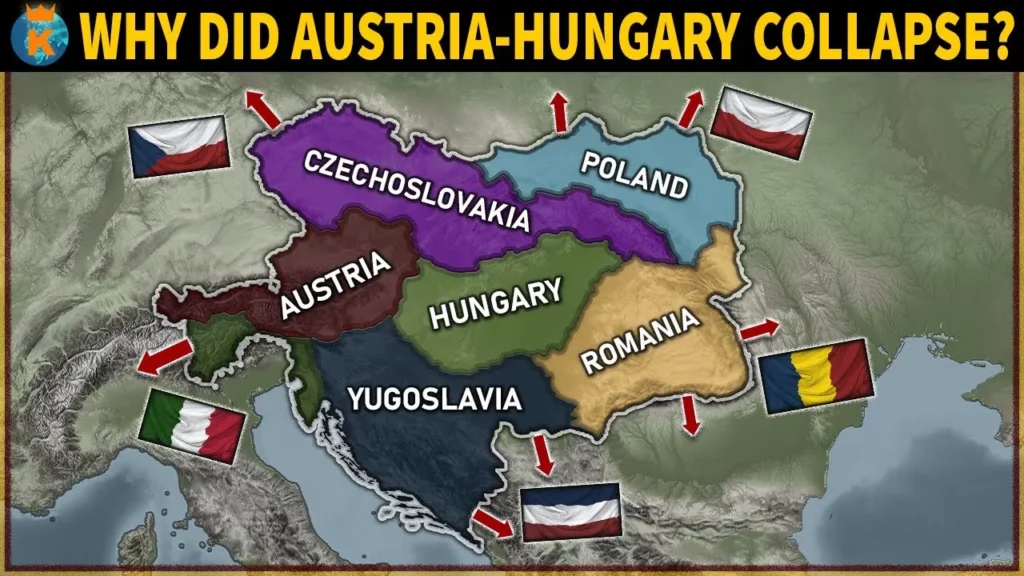
The lesson explores the collapse of the Austro-Hungarian Empire, highlighting the significant role of nationalism among its diverse ethnic groups as a primary factor in its downfall. Established as a dual monarchy in 1867, the empire faced internal strife exacerbated by World War I, leading to a push for independence among various nationalities. Ultimately, the empire disintegrated following the war, culminating in the establishment of new republics and significant territorial losses, illustrating the complexities of managing a multi-ethnic state.
How did North Africa Communicate with the rest of Africa? – Ancient and Medieval Africa
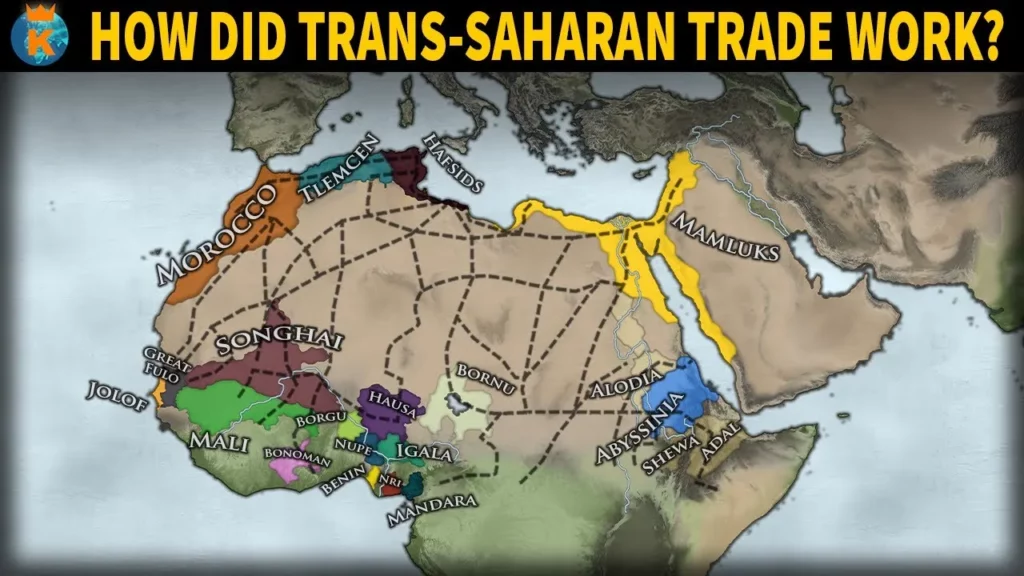
The lesson explores the significance of the Trans-Saharan trade route, which connected North Africa with sub-Saharan regions, facilitating the exchange of goods, culture, and ideas for centuries. Key innovations, such as the domestication of camels, enabled traders to navigate the harsh Sahara, leading to the flourishing of trade and the spread of Islam and Arabic language among various African empires. However, the route eventually declined due to the emergence of new sea trade routes and other geopolitical factors, leaving a complex legacy of both cultural exchange and conflict.
Why were The Knights Templar so Necessary during The Crusades?
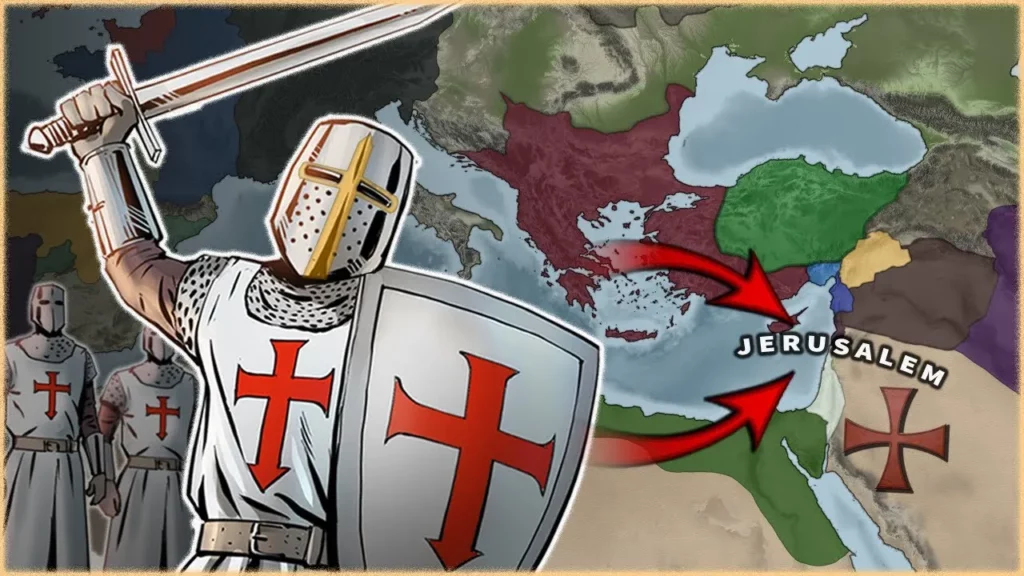
The Knights Templar played a crucial role during the Crusades by providing protection for Christian pilgrims traveling to the Holy Land, which had been reclaimed by European forces in the First Crusade. Founded in 1119 by Hugues de Payens, the Templars grew in influence and wealth, becoming not only defenders of Christianity but also early international bankers. However, their power declined in the early 14th century due to the loss of territories and political pressures, leading to their disbandment in 1312 and leaving a lasting legacy in history.