
The Second Scottish War of Independence – Explained in 26 Minutes (1332 – 1357)
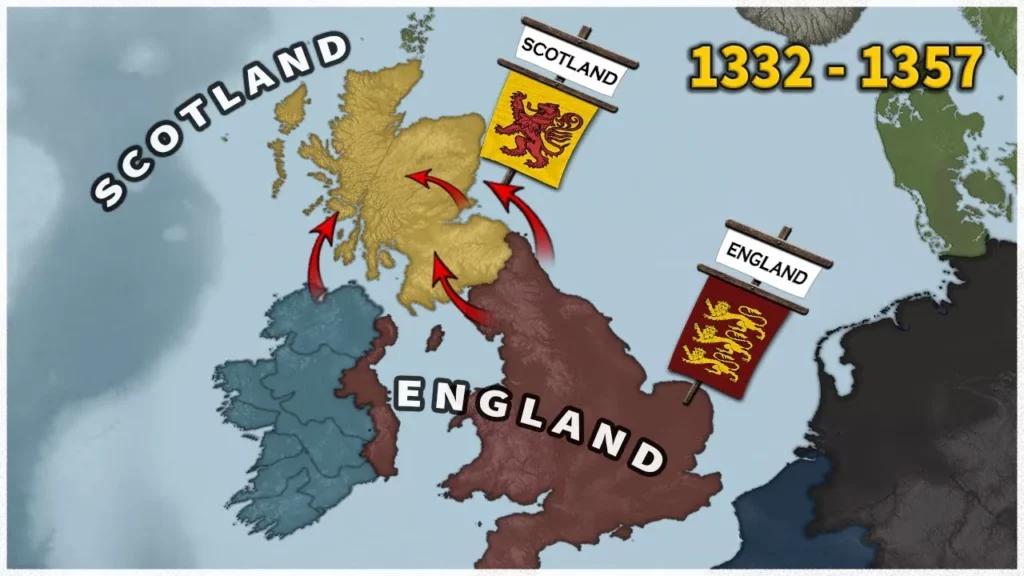
The Second Scottish War of Independence was marked by the initial peace established by the Treaty of Edinburgh-Northampton, which was soon disrupted by Edward Balliol’s ambitions to reclaim the Scottish throne with English support. Despite early successes, including Balliol’s brief reign, the tide turned with the Scottish victory at the Battle of Culblean, leading to a resurgence of Scottish resistance and eventual negotiations that culminated in the Treaty of Berwick, restoring David II as king. This conflict underscored the ongoing struggle for Scottish independence amidst the shifting political landscape of medieval Europe.
Why did The Ottoman Empire Destroy Itself ? – Turkish War of Independence Part 1
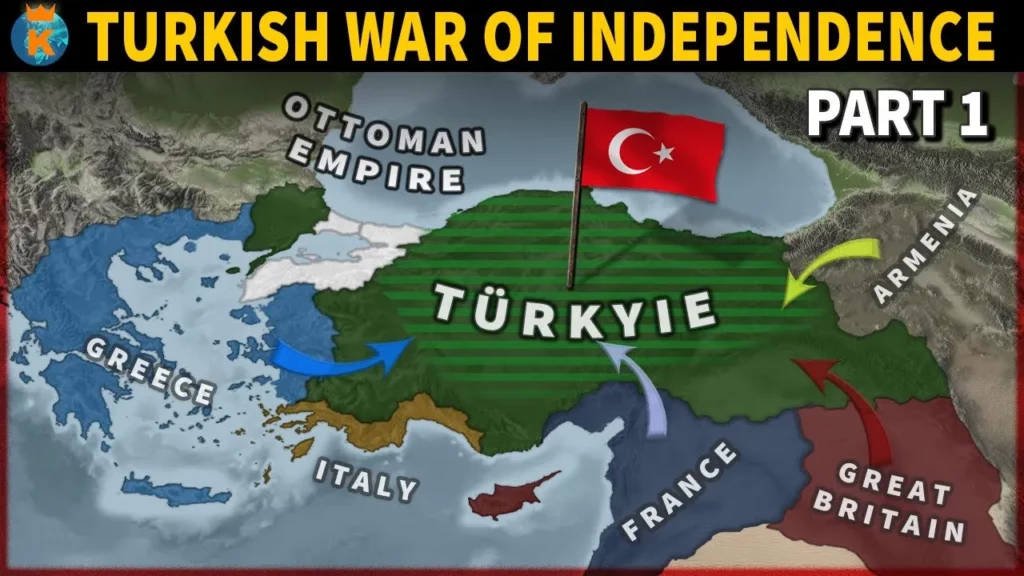
The lesson explores the decline of the Ottoman Empire following its defeat in World War I, particularly focusing on the consequences of the Armistice of Mudros, which led to foreign occupation and internal instability. As nationalist sentiments grew, Mustafa Kemal Pasha emerged as a pivotal figure in the resistance against foreign intervention, ultimately igniting the Turkish War of Independence. This conflict marked a significant turning point in the quest for Turkish sovereignty and national unity, reshaping the future of the region.
How did the Eastern Romans Trade with Far East?
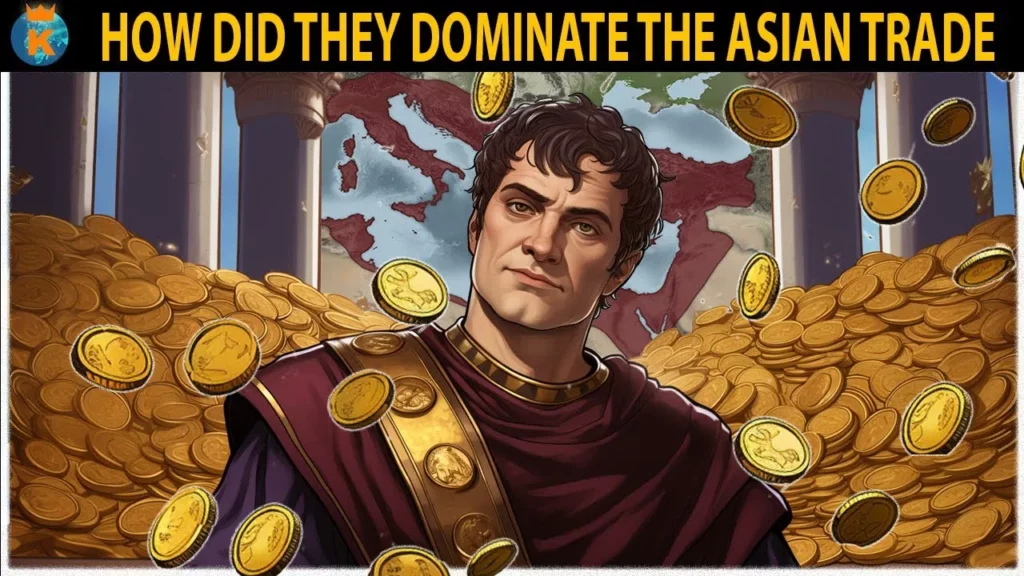
The lesson explores the trade practices of the Byzantine Empire, highlighting its significant economic connections with the Far East, particularly China, through the Silk Road. It discusses the evolution of trade routes, the bustling market of Constantinople, and the challenges faced, such as conflicts with neighboring powers and the impact of the Justinianic Plague. Ultimately, the Byzantine Empire’s trade legacy facilitated cultural exchange and established Constantinople as a vital global marketplace, influencing history long after its decline.
Why did Prussia bully Denmark? – The Schleswig Wars Explained
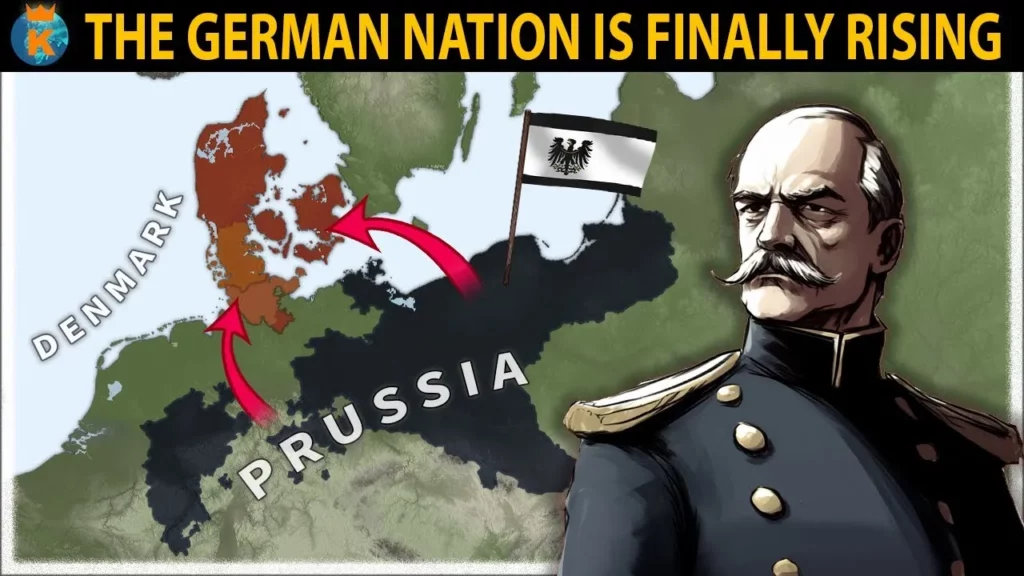
The lesson explores the Schleswig Wars, a series of conflicts between Denmark and Prussia rooted in the Schleswig-Holstein question, which involved disputes over the duchies of Schleswig and Holstein. The tensions arose from historical ties, rising nationalism, and differing political systems, leading to two significant wars in 1848 and 1864, ultimately resulting in Denmark ceding the duchies to Prussia and Austria. The conflicts highlighted broader European power dynamics and the complexities of national identity during a time of significant political change.
The History of the Roman Republic (All Parts) – 753 BC – 27 BC
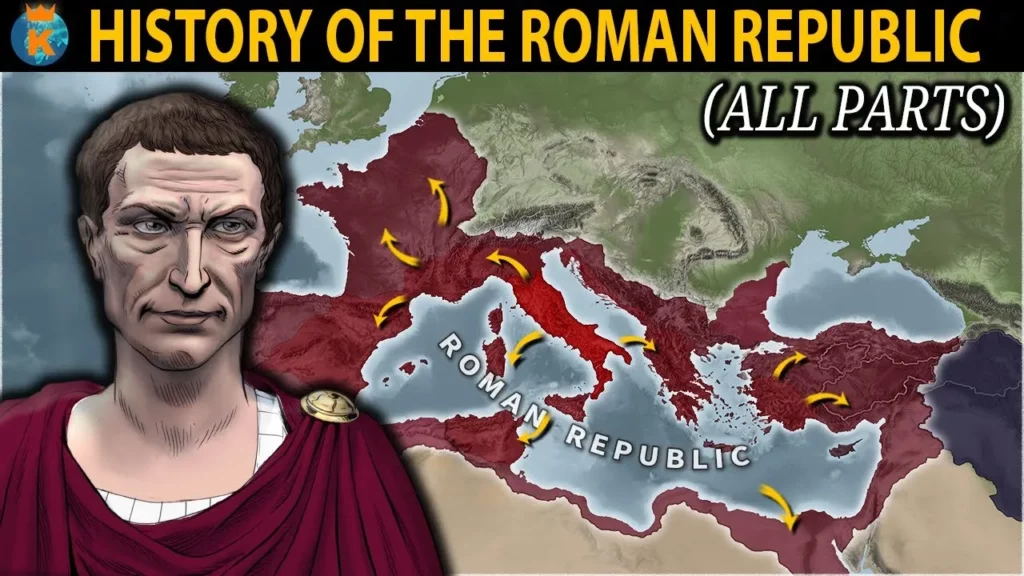
The lesson on the history of the Roman Republic outlines its legendary founding by Romulus and Remus in 753 BC, detailing the challenges faced by Romulus in populating the city and the eventual transition from monarchy to republic following the overthrow of the last king in 509 BC. It highlights the political evolution of Rome, the establishment of a republic governed by elected consuls and a powerful Senate, and the Republic’s expansion through conflicts with neighboring tribes, ultimately laying the groundwork for one of history’s most influential civilizations.
Why did Russia Colonize Alaska?
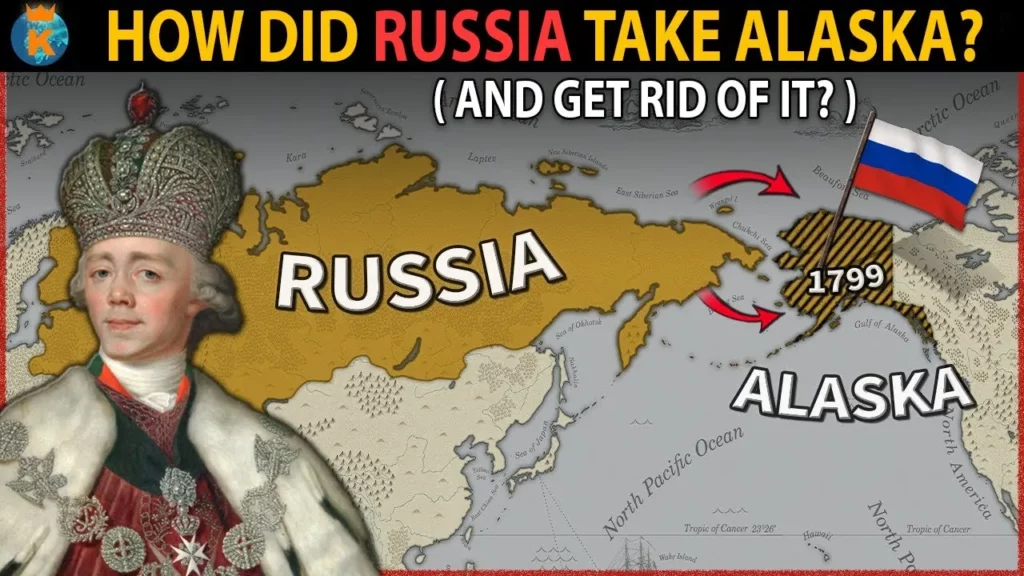
The lesson explores the history of Russia’s colonization of Alaska and its eventual sale to the United States. It details the early Russian exploration efforts, the establishment of settlements, and the challenges faced by the Russian-American Company, leading to Tsar Alexander II’s decision to sell Alaska due to financial strains and strategic concerns. Ultimately, the sale transformed Alaska into a valuable asset for the U.S., driven by the discovery of resources and economic opportunities.
The History of Mexico in 16 Minutes
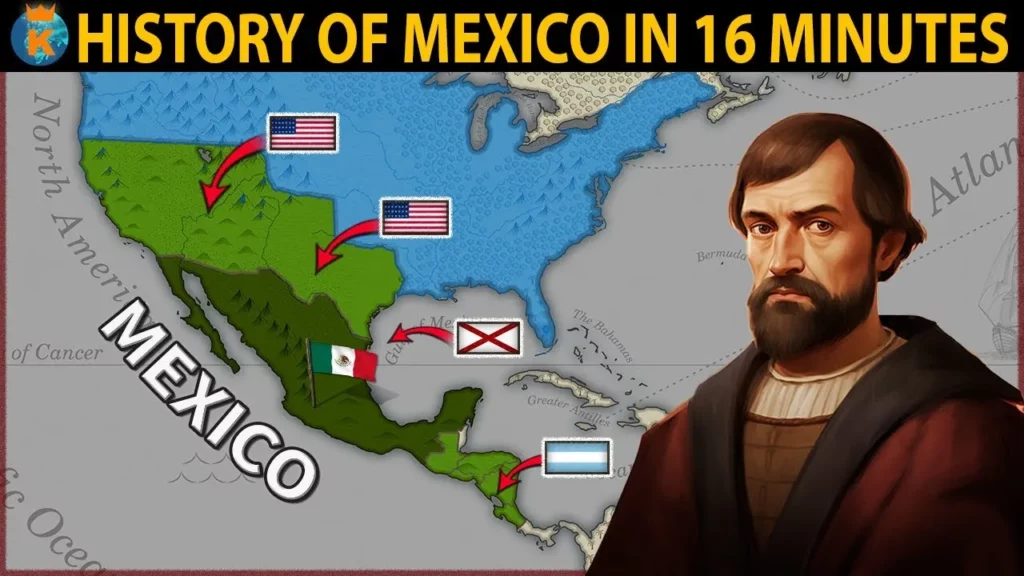
The lesson outlines the complex history of Mexico, beginning with the Spanish conquest of the Aztec Empire in the 16th century and the subsequent colonization that followed. It highlights the struggle for independence sparked by the Napoleonic Wars in the early 19th century, leading to the establishment of a constitutional monarchy and later a federal republic. The lesson concludes with a brief overview of modern Mexico, emphasizing its status as an independent nation and its ongoing development influenced by its rich cultural heritage.
Why is Liechtenstein a Country?
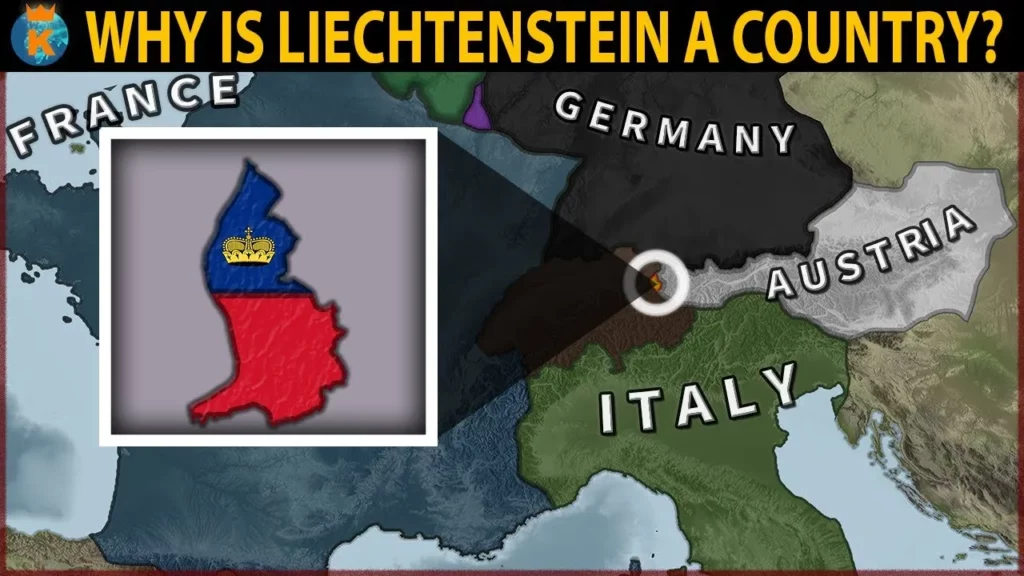
Liechtenstein, one of the world’s smallest countries, became a sovereign state through a combination of historical events and strategic decisions by the Liechtenstein family, who acquired land in the early 18th century. Despite its size and lack of military, Liechtenstein has maintained its independence through neutrality and diplomatic relations, particularly with Switzerland and its larger neighbors. Today, it stands as a constitutional monarchy with a high GDP per capita, showcasing the success of its unique path to nationhood.
Why did The Anglo Saxons Migrate to Britain?
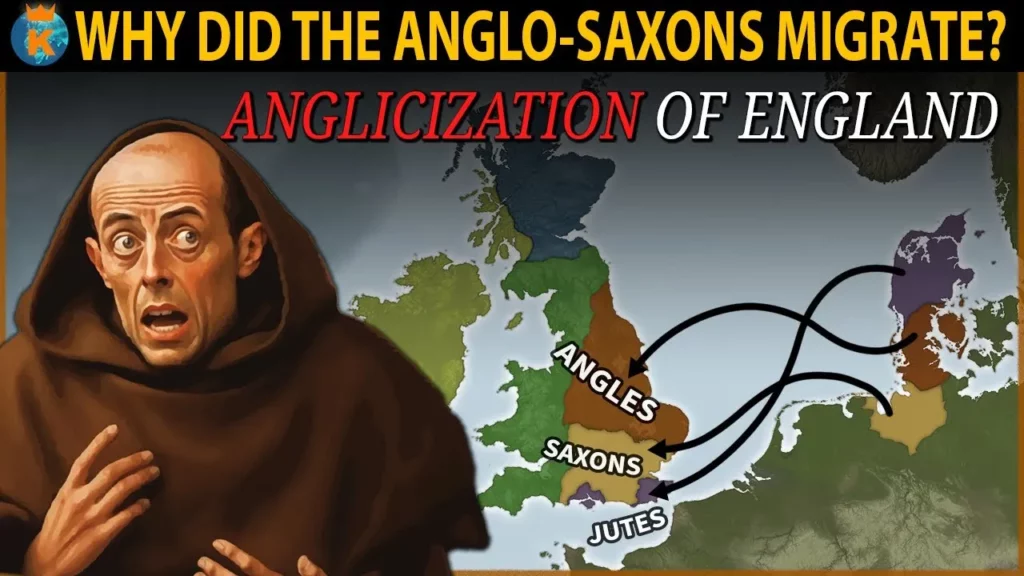
The lesson explores the migration of the Anglo-Saxons to Britain following the Roman withdrawal in the mid-fifth century, highlighting various theories regarding their arrival and integration into British society. It discusses perspectives from historical sources, particularly Bede, who framed the Anglo-Saxons as divine instruments rather than conquerors, and examines motivations for migration, such as agricultural opportunities and potential invitations from the indigenous Britons. Ultimately, the lesson emphasizes that the Anglo-Saxons significantly influenced the culture and language of England, suggesting a complex interplay of migration and integration rather than outright conquest.
How did Rome become an Empire? – History of The Roman Empire (27 BC – 14 AD)
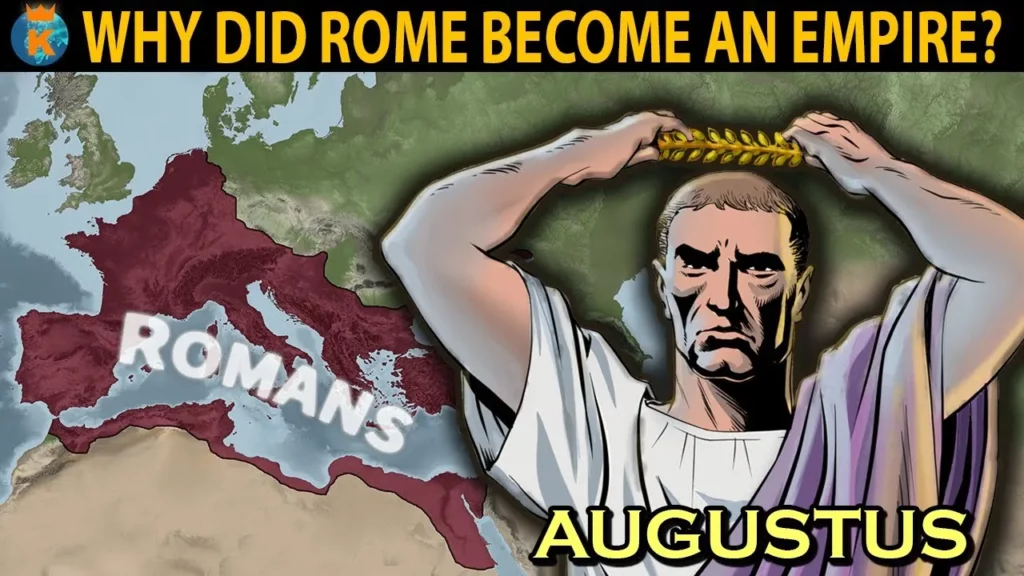
The lesson explores the transformation of Rome from a republic to an empire, primarily through the rise of Gaius Octavius, known as Augustus, who became Rome’s first emperor. It details his early life, political maneuvers, and the formation of the Second Triumvirate, which ultimately led to his consolidation of power and the establishment of the Roman Empire in 27 BC. Augustus’s reign initiated a period of stability and prosperity known as the Pax Romana, leaving a lasting legacy that shaped the future of Rome.