
Why did The Confederates Lose Despite Their Big Military Victories? – The American Civil War (1862)
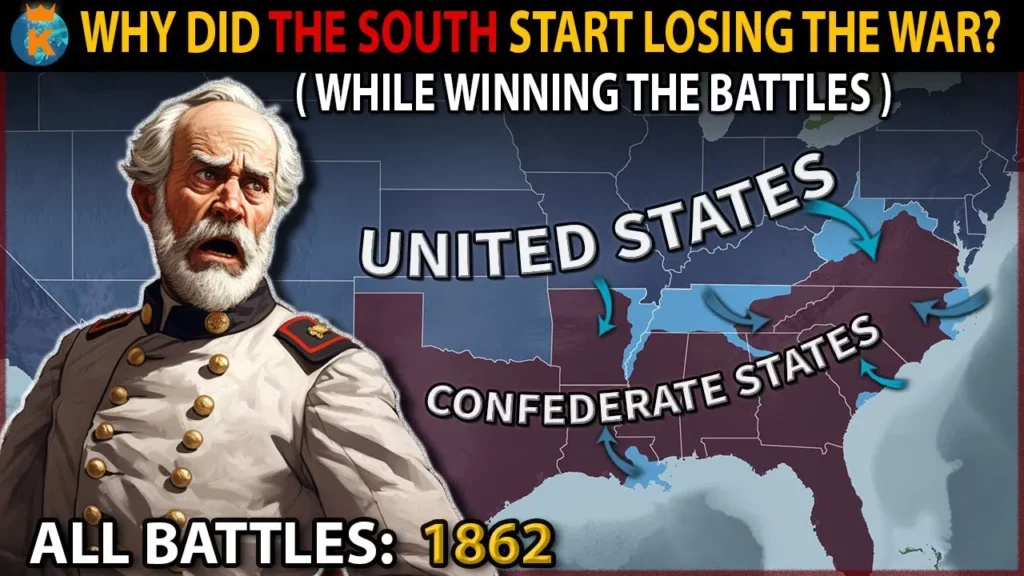
The lesson explores the reasons behind the Confederates’ eventual loss in the Civil War despite their early military victories in 1862. It highlights key battles and strategic shifts, such as the Union’s successes in Kentucky and Tennessee, the capture of crucial forts, and the impact of leadership mistakes on Confederate morale. As the year progressed, the Union’s determination and strategic advances, coupled with the Confederates’ challenges and heavy casualties, set the stage for a prolonged and grueling conflict.
THE HISTORY OF CALIFORNIA – in 13 Minutes
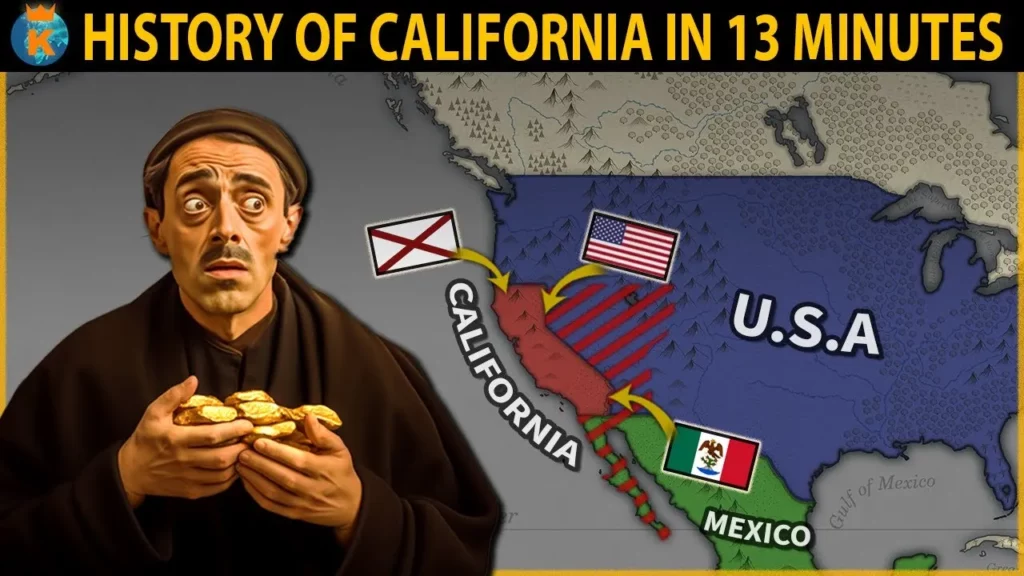
The lesson outlines the rich and complex history of California, beginning with the early Native American tribes that inhabited the region around 10,000 BC, followed by European exploration and the establishment of Spanish missions in the 18th century. It highlights key events such as the Bear Flag Revolt, California’s transition to U.S. statehood after the Gold Rush, and the state’s subsequent growth and challenges, ultimately emphasizing California’s significance as a diverse and economically powerful state in the present day.
Why did Simón Bolívar Betray the Spanish Empire?
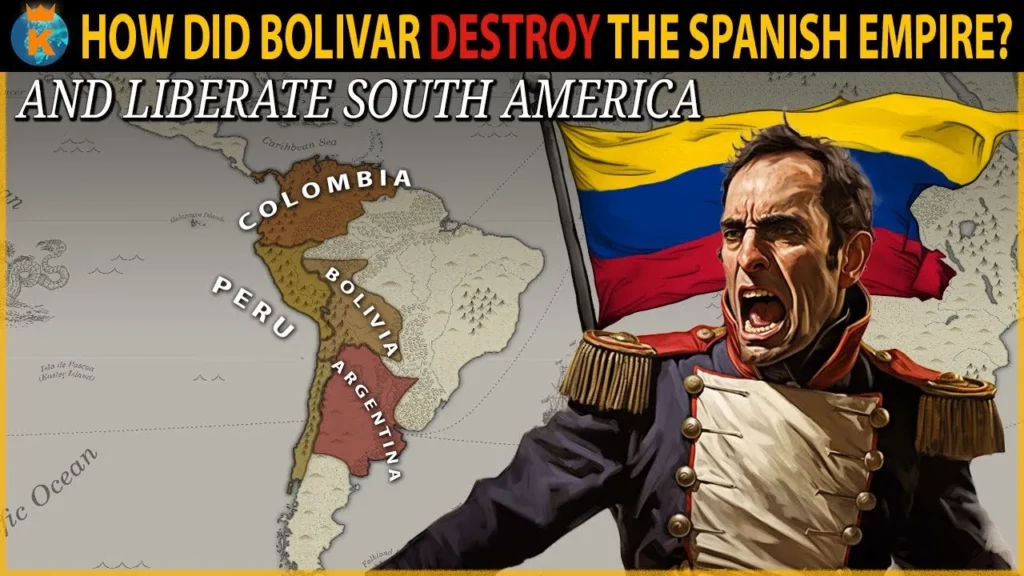
The lesson explores the life and legacy of Simón Bolívar, a key figure in the independence movements of Latin America. Born into privilege, Bolívar’s early experiences and travels shaped his revolutionary ideals, leading him to spearhead the fight for independence from Spanish rule. Despite achieving significant victories and liberating several countries, he ultimately faced challenges in maintaining stability in the newly formed republics, leaving a complex legacy as both a hero to many and a traitor to the Spanish Empire.
Why did Christianity Fail in Asia while Succeeding in Europe?
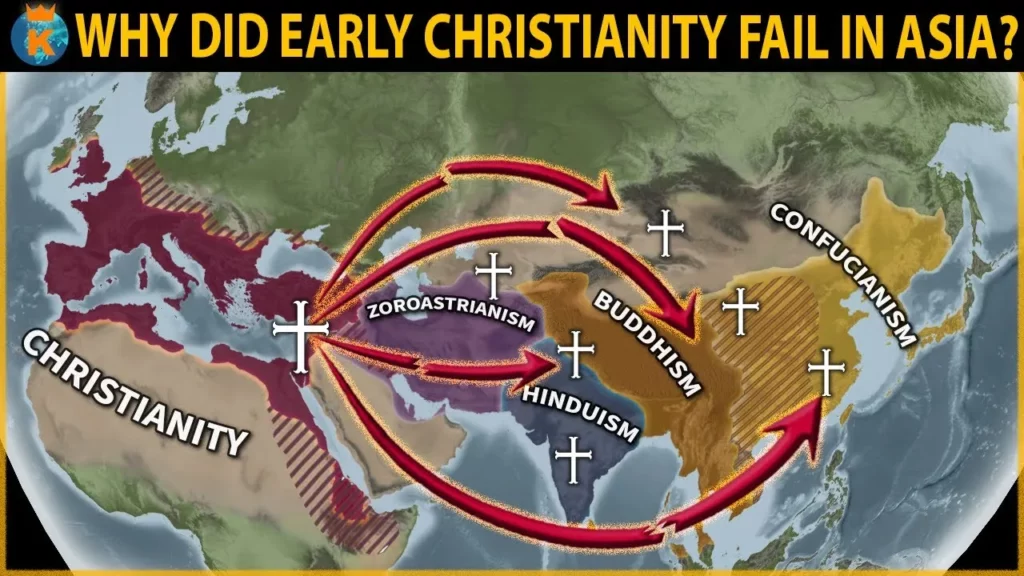
The lesson explores the contrasting trajectories of Christianity’s spread in Europe and Asia, highlighting the early expansion of the faith from Judea to various regions, including China and Taiwan. Despite initial successes, Christianity faced significant challenges in Asia due to cultural resistance, political changes, and the dominance of local religions, resulting in it remaining a minority faith in many Asian countries. Understanding these historical and cultural factors provides insight into why Christianity thrived in Europe while struggling to establish a strong foothold in Asia.
How was an Entire Continent Annexed in 1 year? – The Scramble of Africa
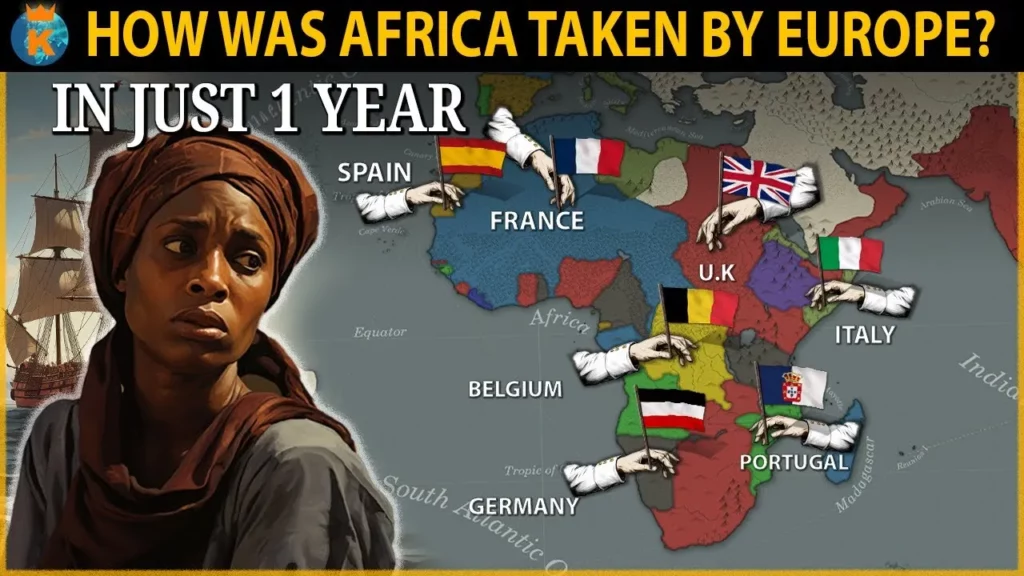
The lesson explores the rapid colonization of Africa by European powers during the late 19th century, known as the Scramble for Africa, where by 1914, only Liberia and Ethiopia remained independent. It highlights the motivations behind this colonization, including the perceived superiority of Europeans, the quest for valuable resources, and advancements in military and transportation technology that facilitated control over African territories. The lesson also addresses the long-lasting impacts of colonialism on African nations, which continue to shape their political, social, and economic landscapes today.
Why did Germany Actually Fail at Normandy?
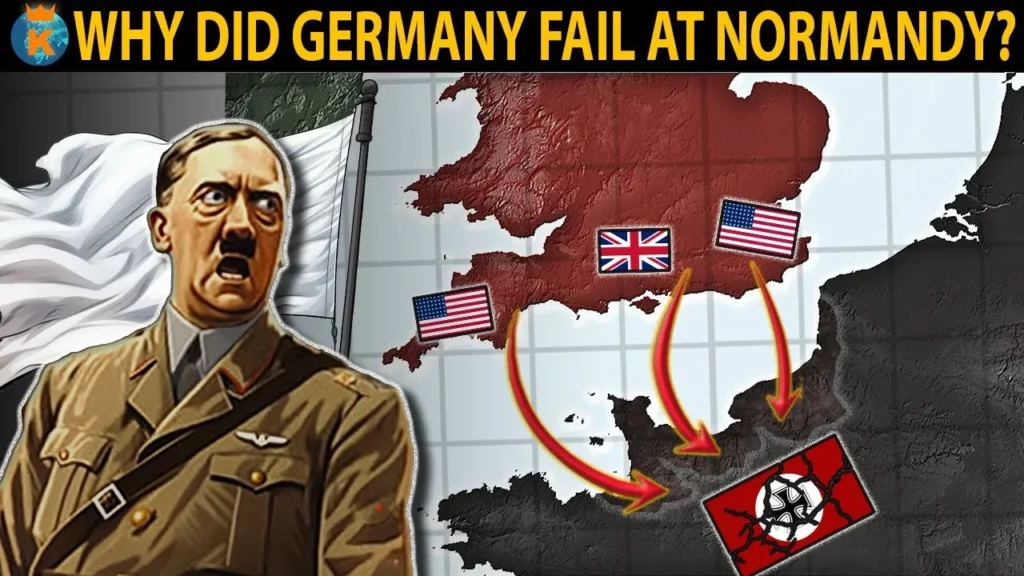
The lesson on the Battle of Normandy highlights the significance of D-Day, which marked a pivotal moment in World War II and the beginning of the end for German control over France. Germany’s failure was attributed to Adolf Hitler’s misjudgments, internal disagreements among military leaders, and confusion among troops, compounded by the Allies’ successful deception strategy, Operation Fortitude. Ultimately, these factors contributed to the downfall of the Third Reich and the liberation of France.
Why did Great Britain Colonize India?
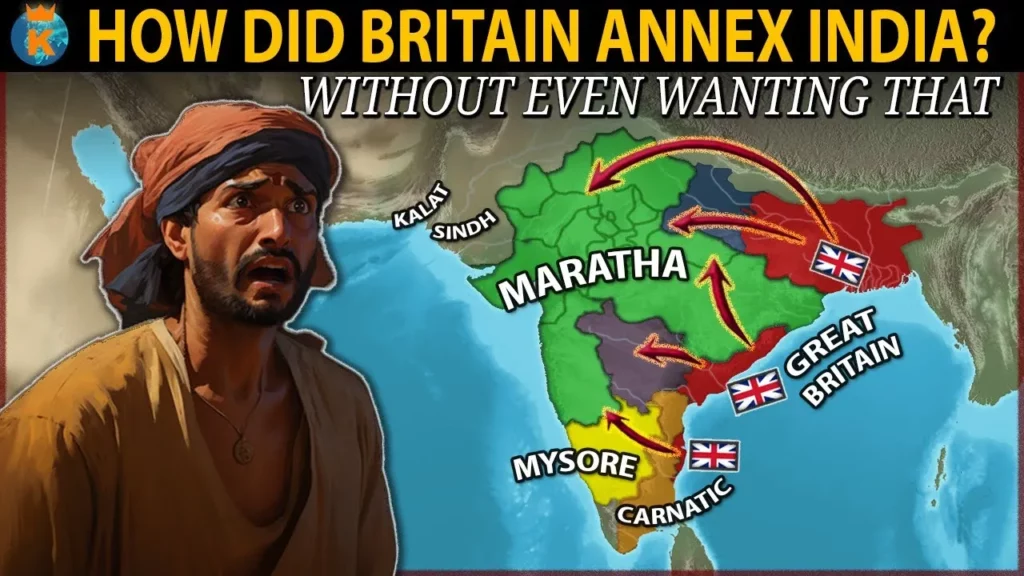
The lesson explores the complex journey of how Great Britain came to colonize India, initially driven by trade interests through the British East India Company, which evolved into a governing power following military and political maneuvers. The transformation from a trading entity to a colonial ruler culminated in the establishment of the British Raj after the Indian Rebellion of 1857, leading to direct British control until India’s independence in 1947. The lesson highlights the significant impact of British colonialism on India’s history, shaped by factors such as the decline of the Mughal Empire and the strategic actions of the British.
Why isn’t Vatican a part of Italy?
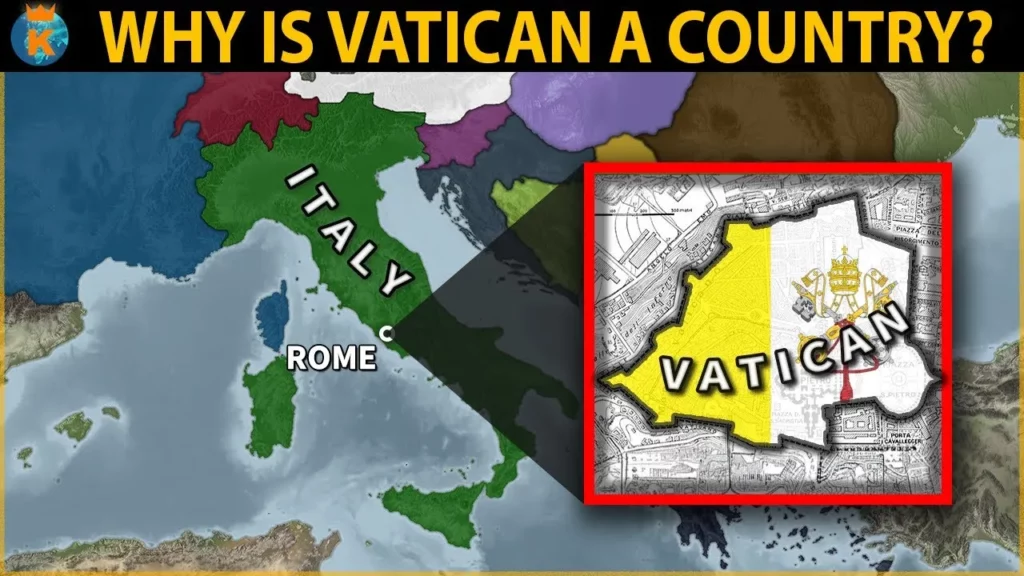
Vatican City, the smallest independent state in the world, has a unique historical background that explains its separation from Italy. Established as a sovereign entity through the Lateran Treaty in 1929, Vatican City’s independence stems from the complex relationship between the Papacy and the Italian government, particularly during the Italian unification in the late 19th century. Today, it remains a significant center of the Catholic Church, influenced by its historical authority and geopolitical dynamics.
Why was Tiberius forced to be Emperor? – History of The Roman Empire (14 AD – 37 AD)
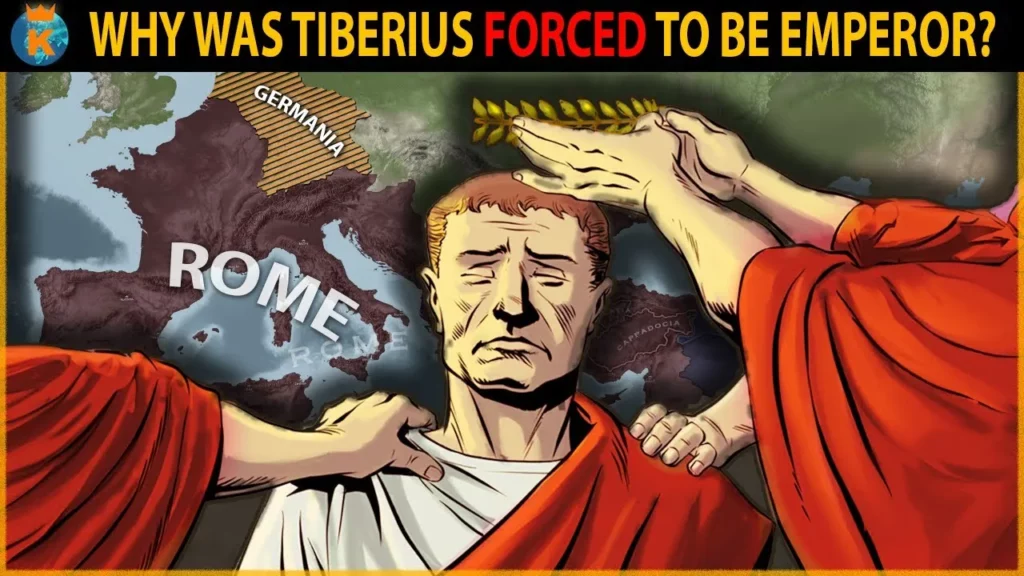
The lesson explores the life of Tiberius, the second emperor of Rome, who reluctantly ascended to power amidst a backdrop of personal tragedy and political intrigue. Despite his military successes and initial moderation in governance, Tiberius became increasingly isolated and paranoid, particularly after the deaths of loved ones. His reign ended with his unclear death, leading to the rise of Caligula, marking a significant transition in Roman leadership.
Why isn’t Taiwan a Part of China? – The Chinese Civil war
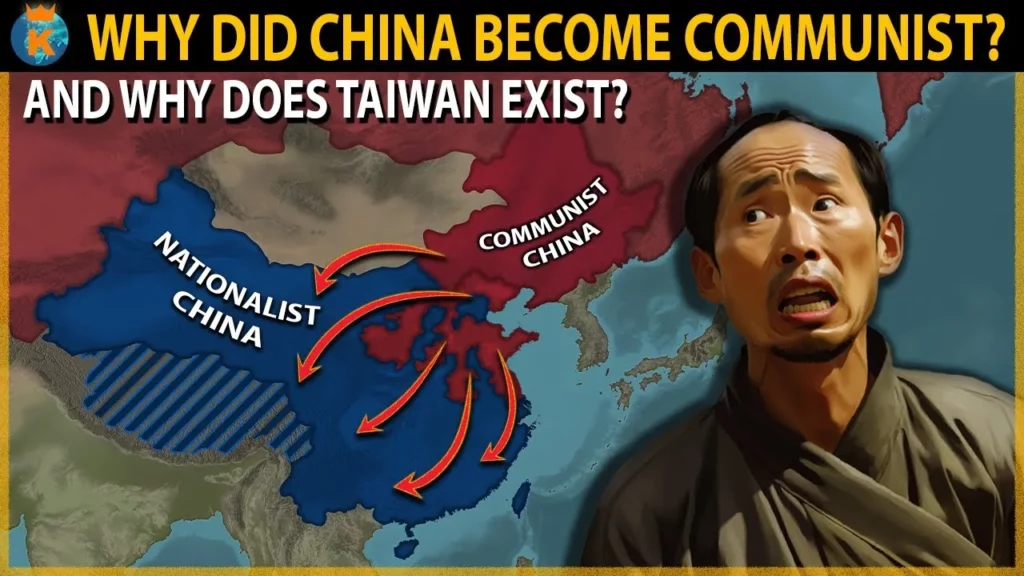
The lesson explores the historical context of Taiwan’s separation from China, focusing on the Chinese Civil War and the rise of the Chinese Communist Party (CCP) under Mao Zedong. It details the chaotic aftermath of the Qing dynasty’s fall, the alliance and subsequent split between the Kuomintang (KMT) and the CCP, the impact of Japan’s invasion, and the eventual establishment of two distinct governments in 1949: the People’s Republic of China on the mainland and the Republic of China in Taiwan. The ongoing tensions between these two entities highlight the complexities of their relationship and its significance in contemporary global politics.