
How did Caligula Come to Power? – History of the Roman Empire (37 AD – 41 AD)
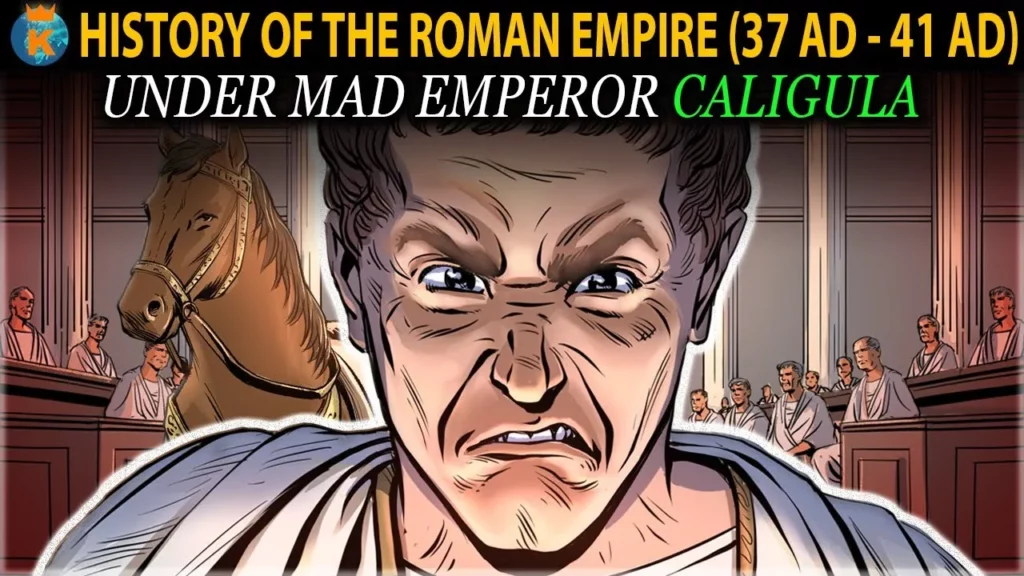
The lesson explores the rise and fall of Emperor Caligula, highlighting his initial popularity following Tiberius’s reign and the dramatic shift in his behavior after a serious illness. His erratic and cruel actions alienated both the Senate and the Roman populace, ultimately leading to his assassination in 41 AD. The aftermath of his death saw Claudius ascend to power, marking a significant transition in Roman history characterized by stability and reform.
How was Egypt Conquered by the Ottomans in just 1 Year?
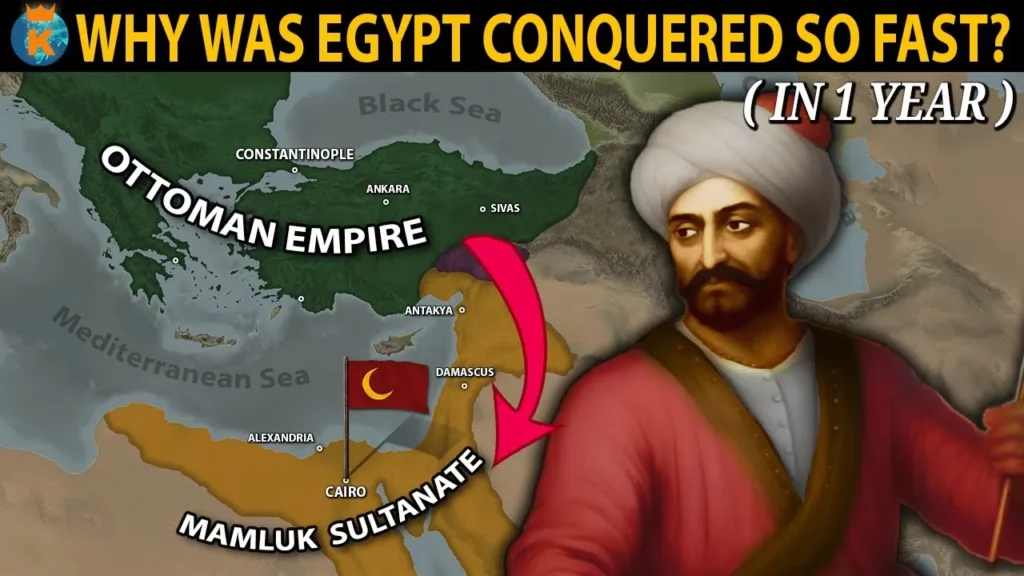
The lesson outlines the swift conquest of Egypt by the Ottoman Empire in the early 16th century, driven by Sultan Selim I’s ambitions to dismantle the declining Mamluk Sultanate. Utilizing a well-trained military and advanced weaponry, the Ottomans achieved decisive victories, including the pivotal Battle of Marj Dabiq, leading to the Mamluks’ collapse and the establishment of Ottoman control over Egypt and its surrounding regions. This conquest not only expanded Ottoman territory but also solidified their influence in the Middle East, marking a significant shift in power dynamics that lasted for over two centuries.
Why did the Second Bulgarian Empire Collapse?
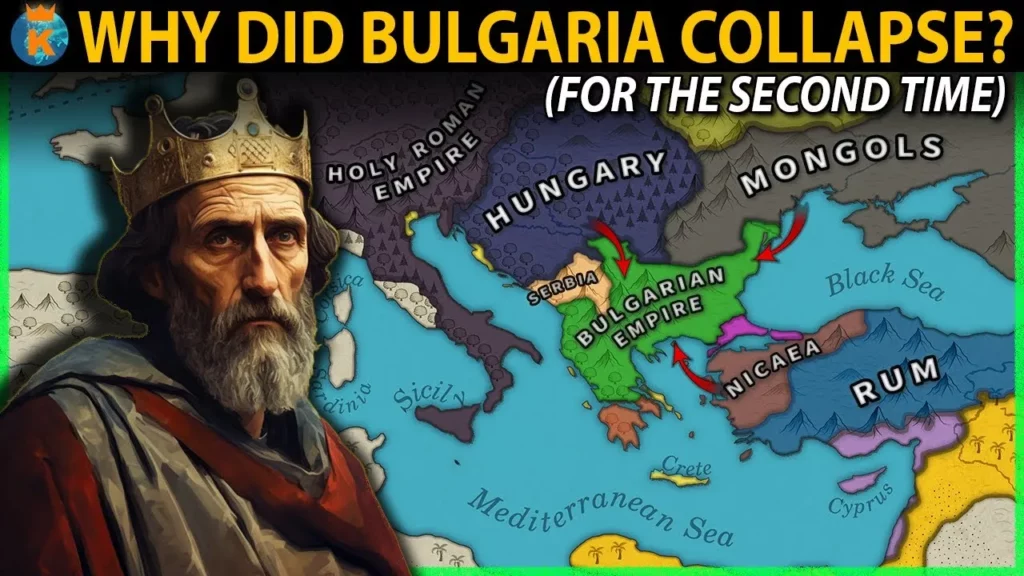
The Second Bulgarian Empire’s collapse was primarily due to a combination of internal strife and external pressures, beginning with the regency of young kings who failed to unify the nobility and effectively respond to threats. As neighboring powers seized territories and internal revolts erupted, the empire weakened further, culminating in the rise of the Ottomans, who ultimately conquered Bulgaria by the late 14th century. The empire’s inability to establish strong leadership and stability from its inception left it vulnerable to both internal divisions and relentless foreign invasions.
Story of Emperor Nero – History of the Roman Empire (41 AD – 68 AD)
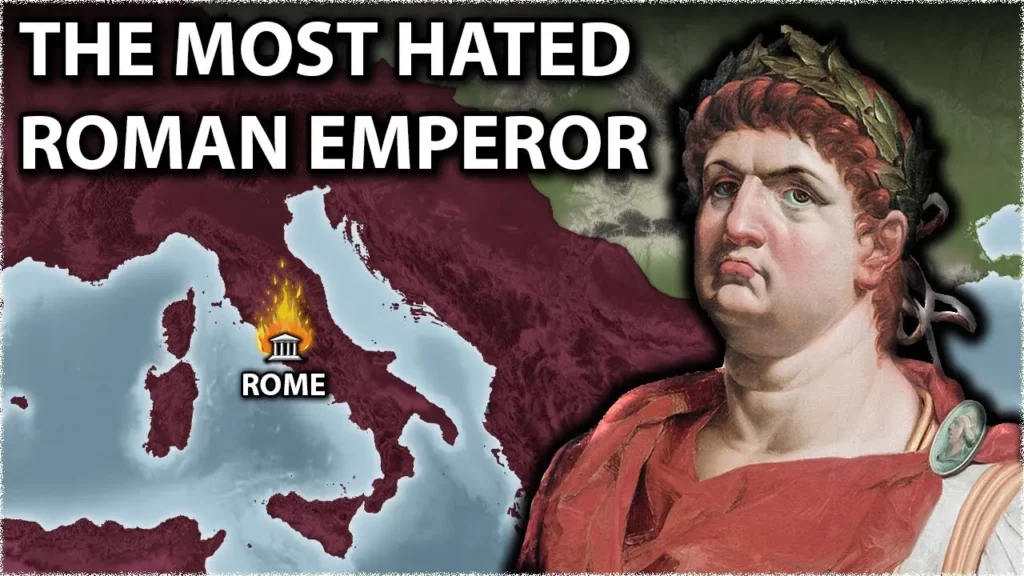
The lesson outlines the tumultuous history of Emperor Nero and the events leading up to his reign from 41 AD to 68 AD, beginning with Claudius’s rise to power after Caligula’s assassination. It details Claudius’s reforms, family intrigues, and eventual death, which paved the way for Nero’s initial popularity and subsequent decline marked by erratic behavior, the Great Fire of Rome, and his eventual downfall due to rebellion and loss of support. Ultimately, the lesson concludes with Nero’s suicide, signaling the end of the Julio-Claudian Dynasty.
Indo-Pakistani War of 1947-1948 | The First Kashmir War – Explained in 13 Minutes
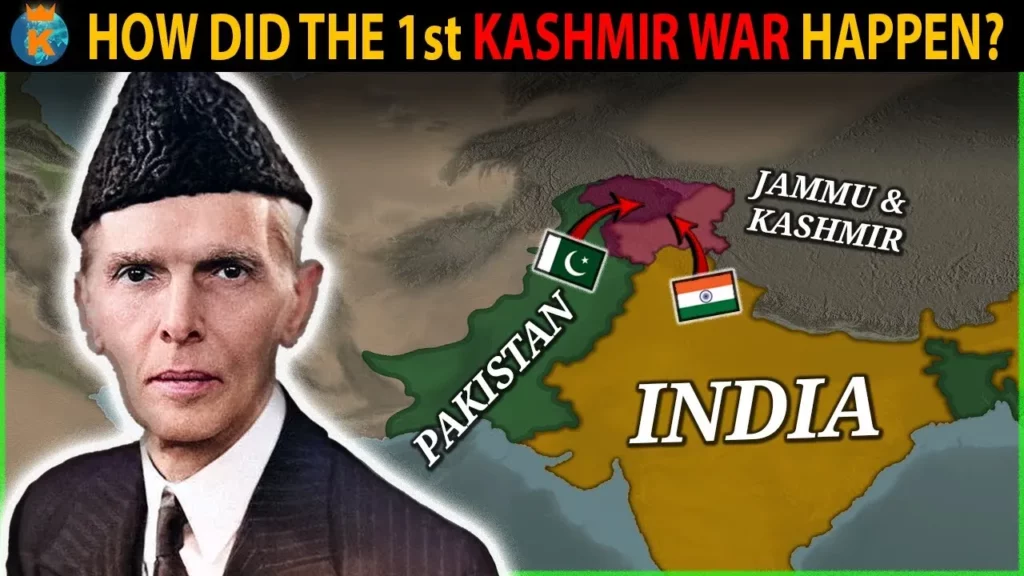
The Indo-Pakistani War of 1947-1948, also known as the First Kashmir War, arose from the chaotic partition of British India into Hindu-majority India and Muslim-majority Pakistan, leading to significant territorial disputes, particularly over Jammu and Kashmir. The conflict escalated when the Maharaja of Kashmir sought military assistance from India after facing unrest and invasion threats, resulting in intense military engagements and a subsequent ceasefire brokered by the United Nations in January 1949. This war not only caused substantial casualties but also established a contentious foundation for the ongoing rivalry between India and Pakistan.
Why is Hawaii a Part of the United States?

The lesson outlines the complex history of Hawaii’s journey to statehood, highlighting its transition from an independent kingdom to a U.S. territory and finally to the 50th state in 1959. It discusses key events, such as the Bayonet Constitution, the influence of missionaries, the overthrow of Queen Liliuokalani, and the eventual annexation by the United States, which was marked by significant political manipulation and external pressures. Ultimately, the lesson emphasizes the cultural and historical significance of Hawaii, as well as the overwhelming support from its residents for statehood.
The first Civil War of the Roman Empire – The Year of the 4 Emperors
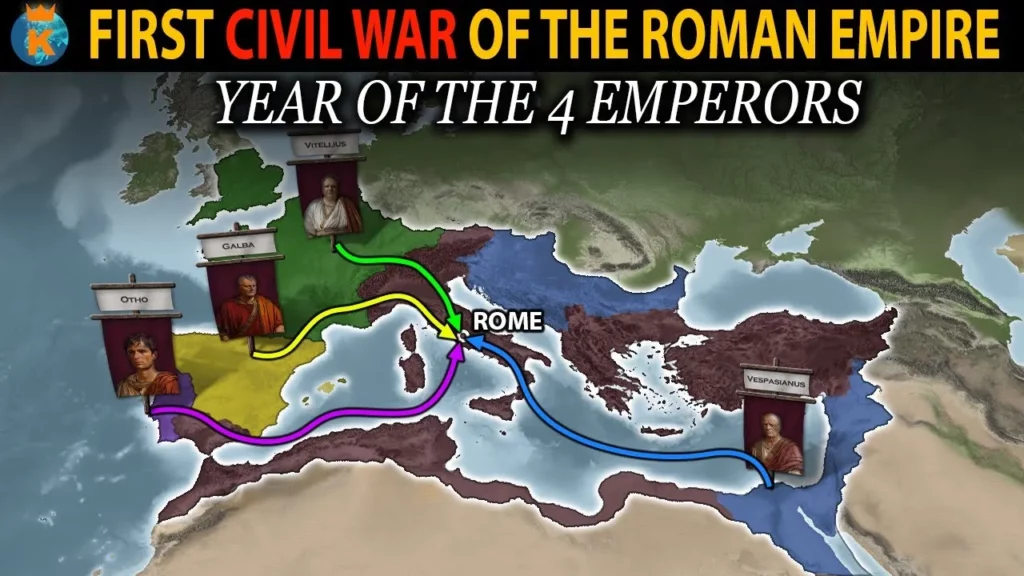
The lesson discusses the tumultuous period known as the Year of the Four Emperors, which followed the death of Emperor Nero and was characterized by political instability and civil war in the Roman Empire. It highlights the rapid rise and fall of four emperors: Galba, Otho, Vellus, and Vespasian, detailing their struggles for power, unpopular decisions, and the eventual chaos that led to significant bloodshed. Ultimately, Vespasian’s ascension marked the end of this chaotic year and the beginning of a new era for Rome.
Why did The Mongols Fail To Take Indonesia?
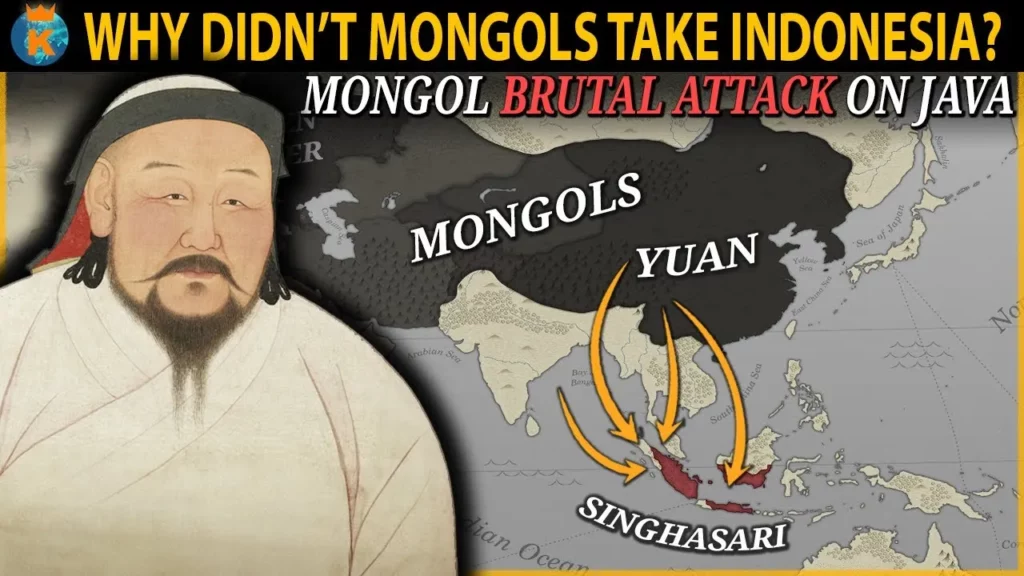
The lesson explores the reasons behind Kublai Khan’s failure to conquer Indonesia, focusing on his ambitions as a ruler and the challenges he faced. Despite his successful establishment of the Yuan Dynasty in China and his military prowess, Kublai’s expedition to Java in 1292 was thwarted by betrayal from local allies and the death of the original king, leading to a retreat. Ultimately, the lesson highlights the complexities of Kublai’s reign, including his cultural influences and the decline of Mongol power following his death.
Why isn’t Belarus a part of Russia?
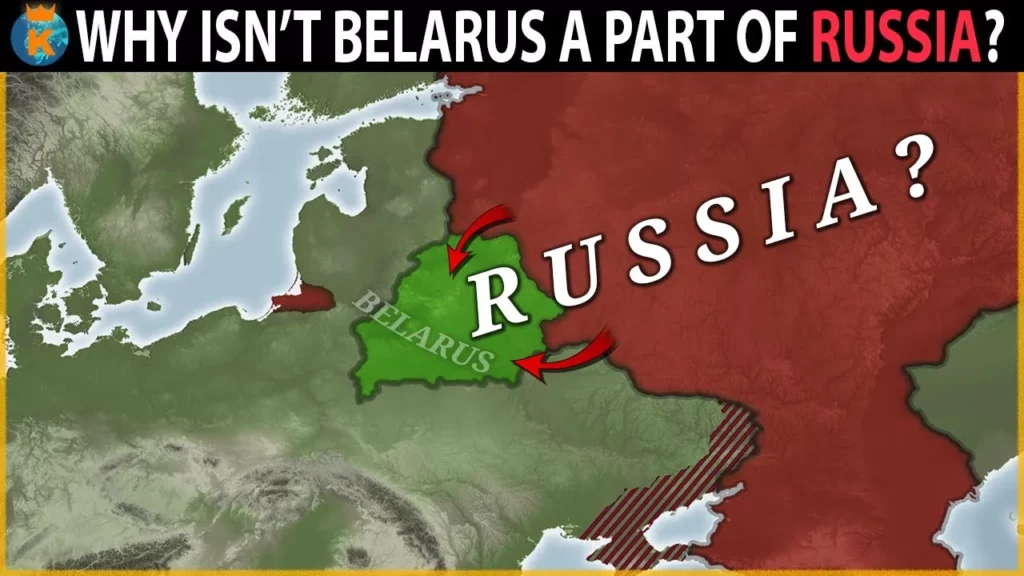
The lesson explores the historical and political factors that explain why Belarus remains an independent nation rather than a part of Russia. It traces their intertwined history from the Kievan Rus to the rise of the Grand Duchy of Lithuania, the impact of the Polish-Lithuanian Commonwealth, and the subsequent incorporation of Belarus into the Russian Empire and later the Soviet Union. Despite deepening ties in recent years, particularly in the context of the Ukraine conflict, Belarus’s future relationship with Russia and potential alignment with the European Union remains uncertain.
Why did The Polish–Lithuanian Commonwealth Collapse?
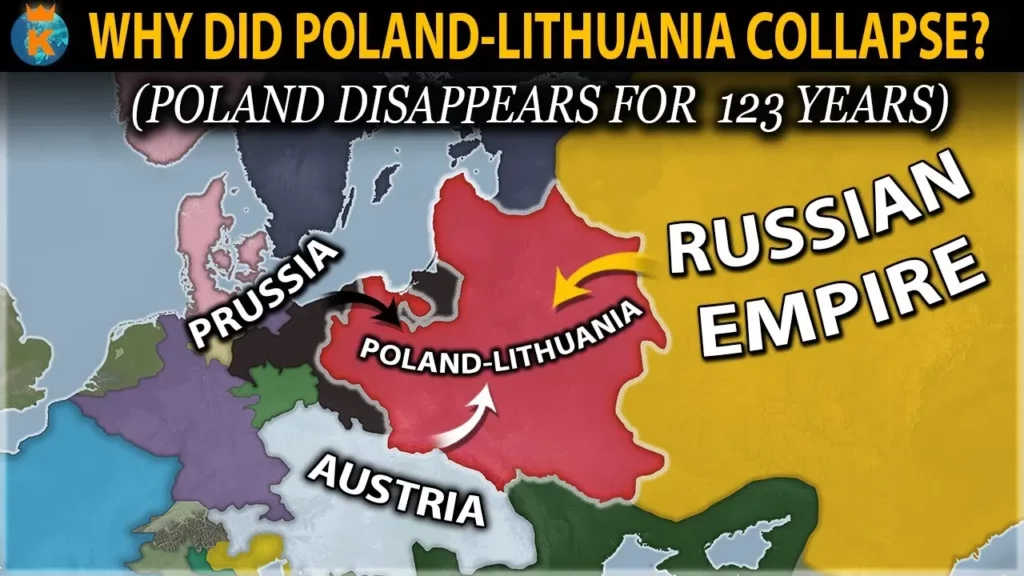
The Polish-Lithuanian Commonwealth, once a powerful entity in Europe, collapsed due to a combination of internal strife, foreign invasions, and political instability. Key factors included the challenges posed by the Cossack revolts, the liberum veto’s hindrance on governance, and the opportunistic actions of neighboring powers that led to its eventual partitioning in the late 18th century. This lesson highlights the intricate dynamics of political power and the vulnerabilities that can lead to the decline of nations.