
Why did The Celts (Almost) Disappear? #history #romanhistory #celts #ancient #romehistory
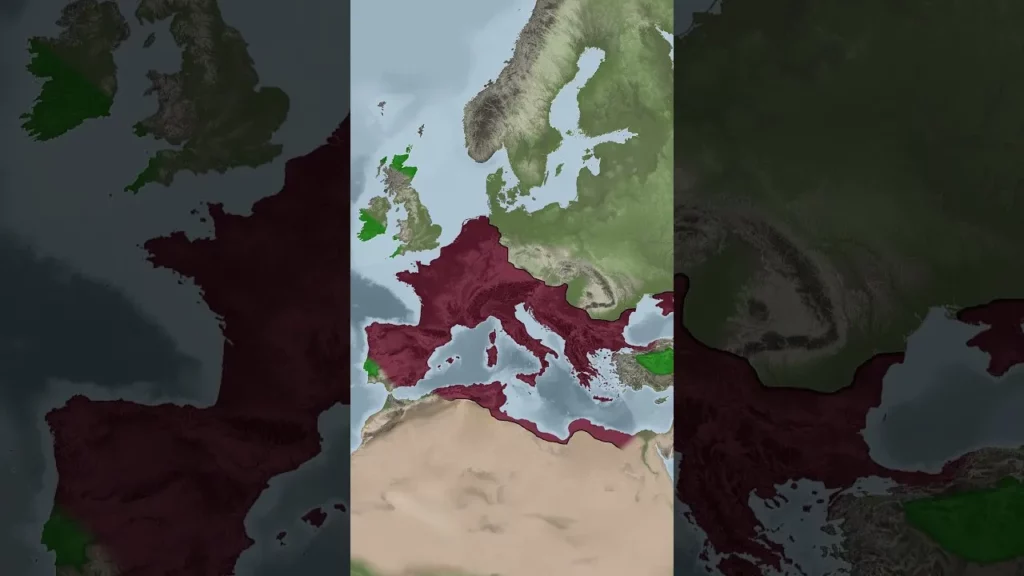
The lesson explores the history of the Celts, an ancient group known for their distinct culture and widespread presence across Europe. It highlights the challenges they faced from the expanding Roman Empire, leading to cultural assimilation and significant changes in their way of life. Despite these pressures and the subsequent invasions after the fall of Rome, Celtic culture survived in remote areas, particularly in the British Isles, where it continues to influence modern traditions and languages.
THE HISTORY OF FLORIDA in 16 Minutes
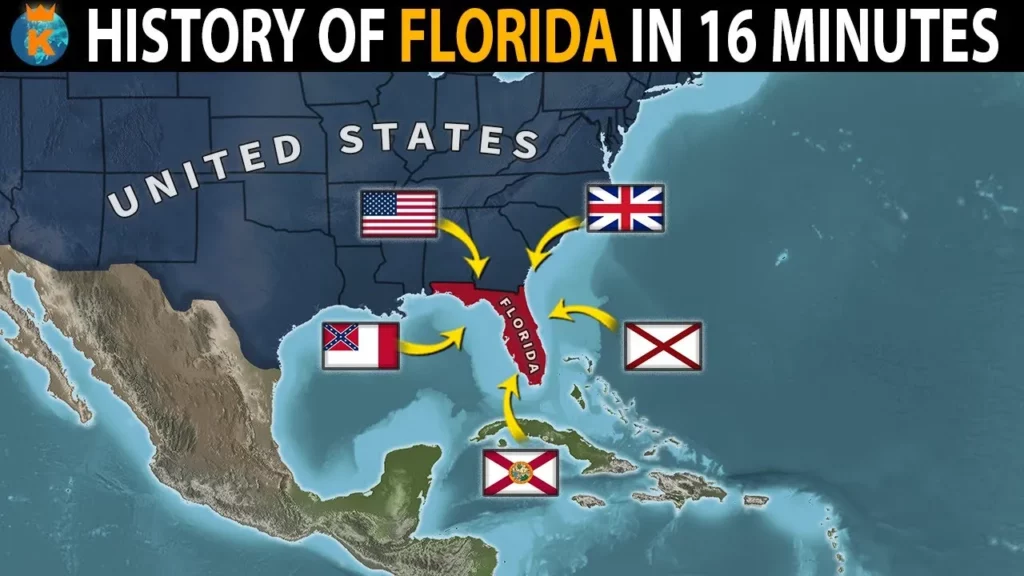
The lesson “The History of Florida in 16 Minutes” explores the state’s transformation from its ancient underwater beginnings to its current status as a popular tourist destination. It highlights the early inhabitants, European exploration, and colonization, as well as significant events such as the transition of control between Spain and Britain, the impact of the Civil War, and Florida’s role in modern developments like the civil rights movement and the Space Race. Ultimately, Florida’s rich history has shaped its diverse culture and economy, making it a vital part of the United States today.
How did Suleiman The Magnificent create a World Superpower?
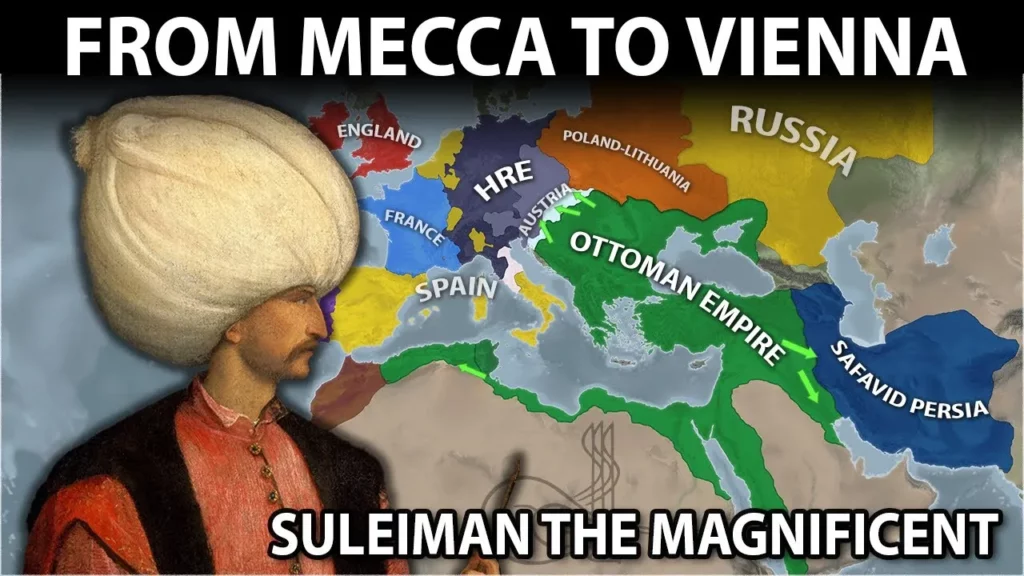
Suleiman the Magnificent, who ascended to the Ottoman throne in 1520, transformed the empire into a world superpower through strategic military campaigns, significant political reforms, and economic growth. His military successes, including the Siege of Belgrade and the Battle of Mohacs, showcased his strategic brilliance and expanded Ottoman influence in Europe and the Mediterranean. Additionally, Suleiman’s implementation of a comprehensive legal code and investment in trade and infrastructure solidified the empire’s power, while his cultural contributions left a lasting legacy in art and architecture.
What Happened to the Muslim Majority of Spain and Portugal? #history #alandalus #arabs #spain
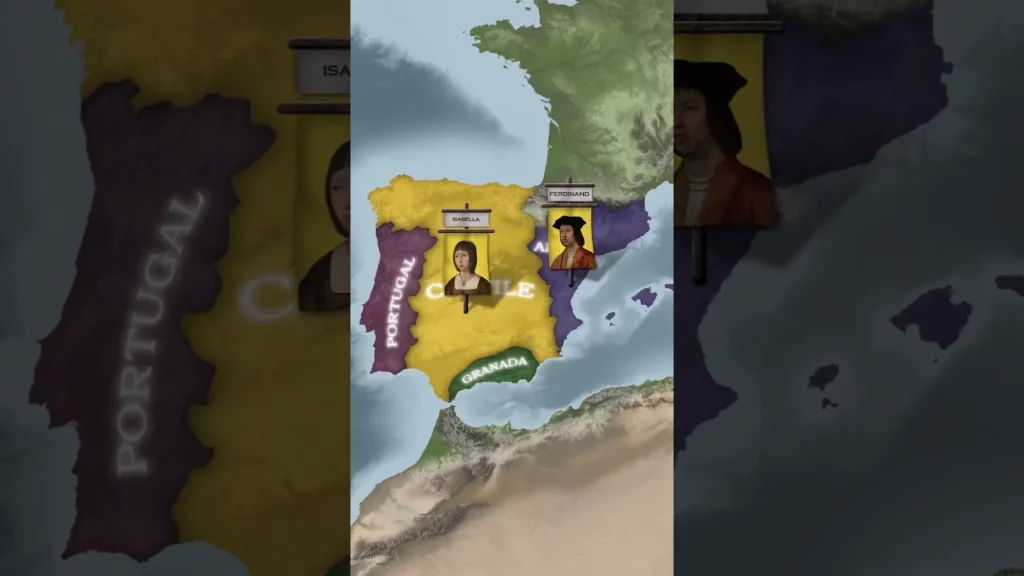
The lesson explores the history of Muslim rule in Spain and Portugal, beginning with the establishment of Al-Andalus in the 8th century, where a vibrant culture thrived under Muslim governance. It details the Christian Reconquista, culminating in the fall of Granada in 1492, which led to the persecution and eventual expulsion of the Moriscos, Muslims who remained in the region. The legacy of this period is still evident today in the cultural and architectural influences that shape the identity of the Iberian Peninsula.
The History of The Philippines Before Magellan (3000 BCE – 1521 CE)
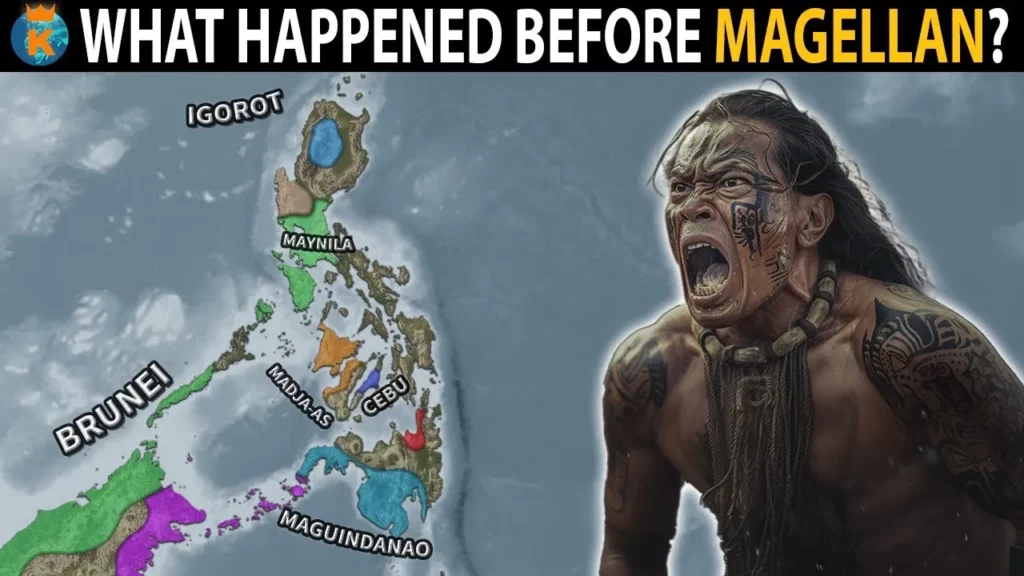
The lesson explores the rich history of the Philippines from 3000 BCE to 1521 CE, highlighting its geographical features, early inhabitants, and the development of sociopolitical structures. It discusses the arrival of Austronesian settlers, the establishment of trade networks, the influence of Buddhism, Hinduism, and Islam, and the formation of barangays as small city-states. The lesson concludes with the first European contact by Ferdinand Magellan in 1521, marking a significant turning point in Philippine history.
Why didn’t the Russians Conquer Persia?
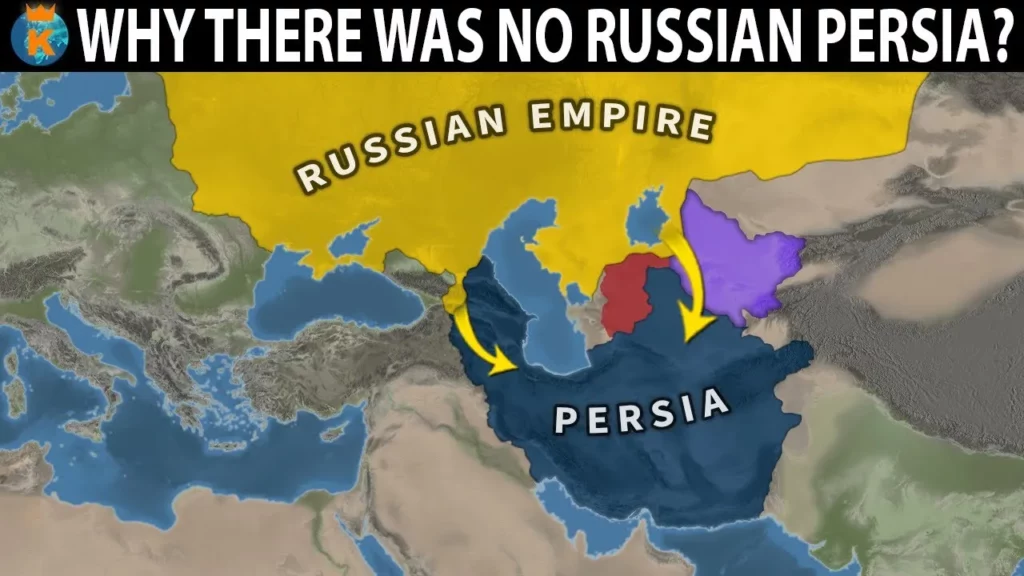
The lesson explores the complex historical relationship between Russia and Persia, particularly regarding their struggles for control over the strategically important Caucasus region. Despite occasional alliances against the Ottoman Empire and significant trade interactions, both nations often found themselves at odds due to shifting political landscapes, territorial ambitions, and external pressures, leading to a series of conflicts and treaties from the 18th to the 20th centuries. Ultimately, Russia’s focus on European interests and internal challenges prevented it from fully conquering Persia, allowing Persia to maintain its sovereignty despite territorial losses.
THE HISTORY OF PENNSYLVANIA in 13 Minutes

The lesson outlines the rich and complex history of Pennsylvania, from its geological origins as an underwater landscape to its development as a key player in American history. It highlights significant events such as the arrival of the first humans, European colonization led by William Penn, and the state’s pivotal role during the American Revolution and Civil War. Additionally, it addresses Pennsylvania’s industrial growth, challenges, and recent transition towards a service and technology-driven economy.
The History of The Philippines Under The Spanish Empire (1521 – 1899)
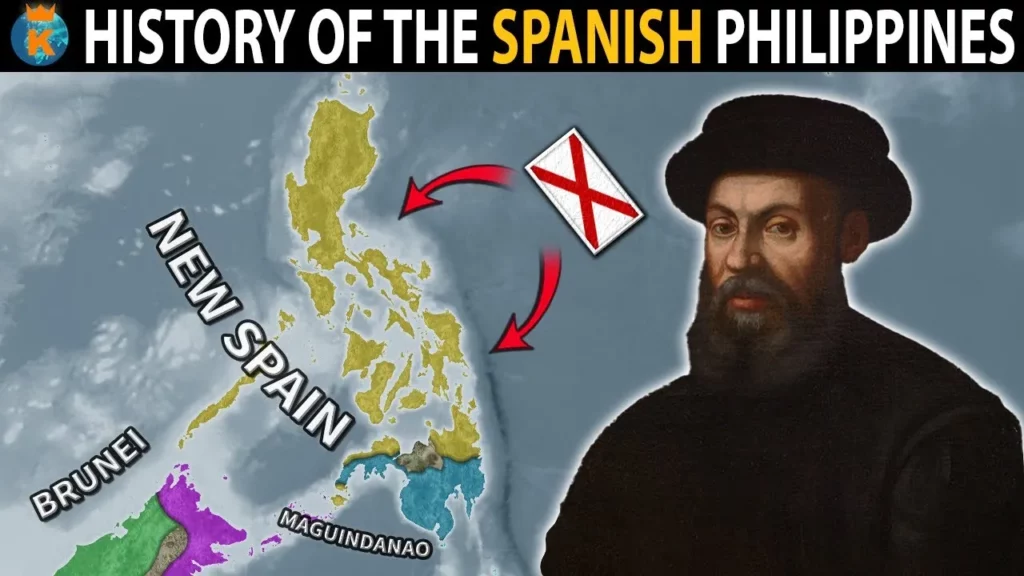
The lesson outlines the history of the Philippines under Spanish rule from 1521 to 1899, beginning with early expeditions led by Ferdinand Magellan and Ruy López de Villalobos, which faced challenges and conflicts with the Portuguese. The establishment of a Spanish colony in 1565 marked the beginning of significant cultural and economic changes, including the exploitation of resources and the rise of a Filipino middle class, which fueled nationalist sentiments. The lesson culminates in the Philippine Revolution of 1898, leading to the end of Spanish rule and the establishment of the First Philippine Republic, although U.S. intervention soon followed.
How did the Romans Conquer the Known World? #history #romanhistory #romanempire
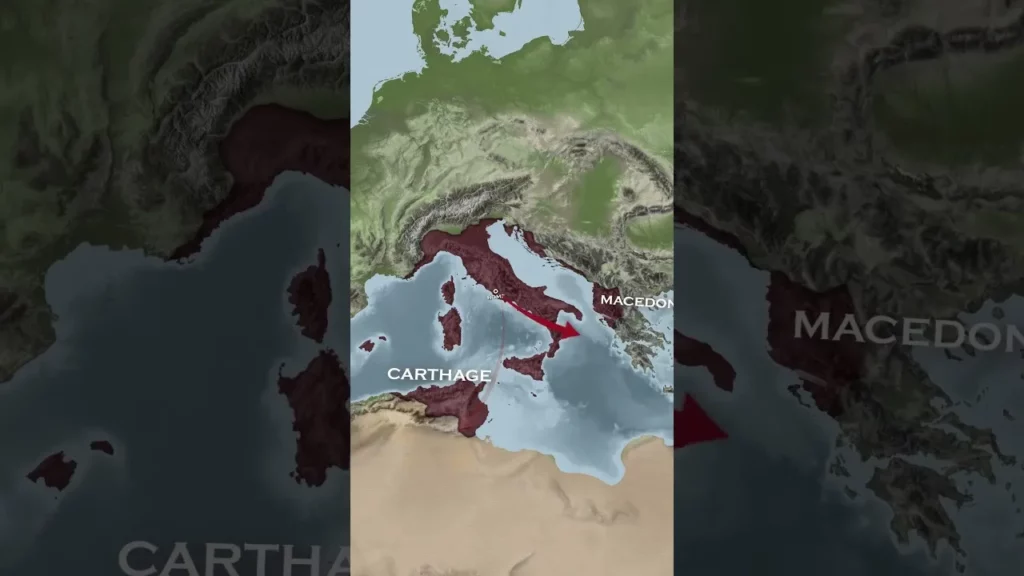
The lesson explores how Rome transformed from a city-state into a vast empire through a series of strategic military campaigns and wars, beginning with the Samnite Wars and culminating in the Punic Wars against Carthage. Key victories in southern Italy and the Eastern Mediterranean, along with the conquest of various regions in Europe, solidified Rome’s dominance and influence. The legacy of the Roman Empire continues to shape modern law, engineering, and culture, highlighting the significance of its historical journey.
How Mansa Musa searched for Mecca? | Mansa Musa – The Richest Man that Ever Existed
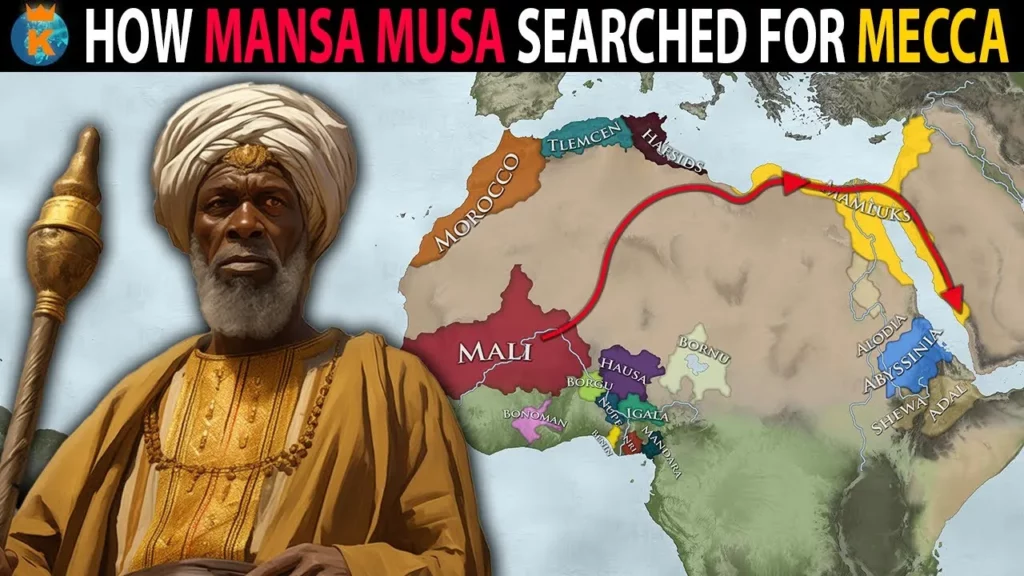
The lesson explores the remarkable life of Mansa Musa, the 14th-century ruler of the Mali Empire, renowned for his immense wealth and significant contributions to culture and knowledge. His famous pilgrimage to Mecca in 1324 not only showcased his riches but also had a lasting impact on the economies of the regions he visited, particularly Cairo. Mansa Musa’s legacy as a generous leader and a symbol of luxury continues to captivate and inspire people today.