
How did Ibn Battuta Explore the World? #history #map #ibnbattuta
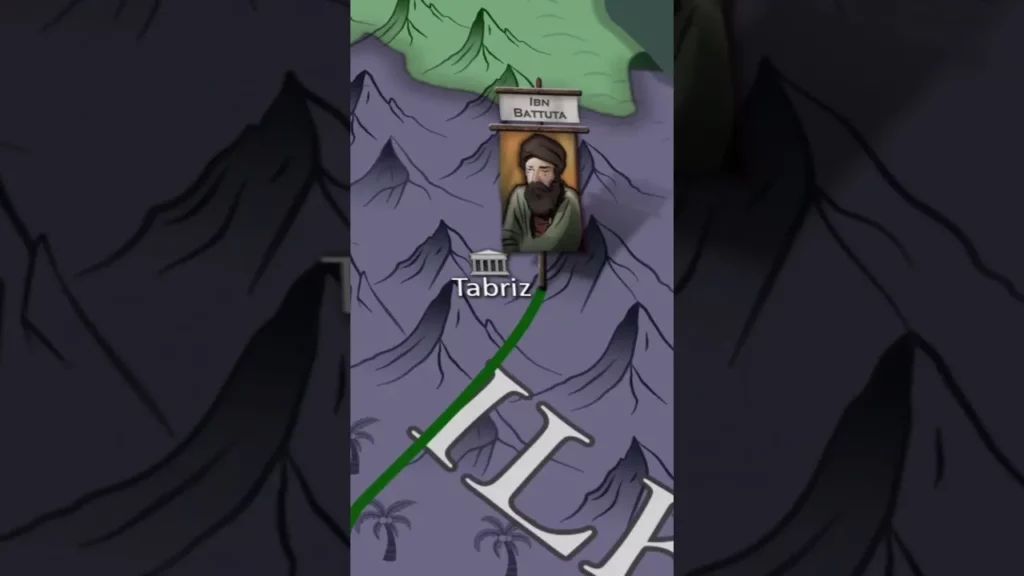
Ibn Battuta was a remarkable explorer who embarked on an extensive journey starting in 1325, traveling from Morocco to various regions including Egypt, the Arabian Peninsula, Iraq, Persia, India, and even reaching China. His adventures spanned 24 years and provided valuable insights into the cultures and societies of the 1300s, highlighting the interconnectedness of the world during that time. Ibn Battuta’s experiences continue to inspire curiosity and exploration in others.
Why couldn’t the English Conquer Scotland? – Wars of Scottish Independence (ALL PARTS)
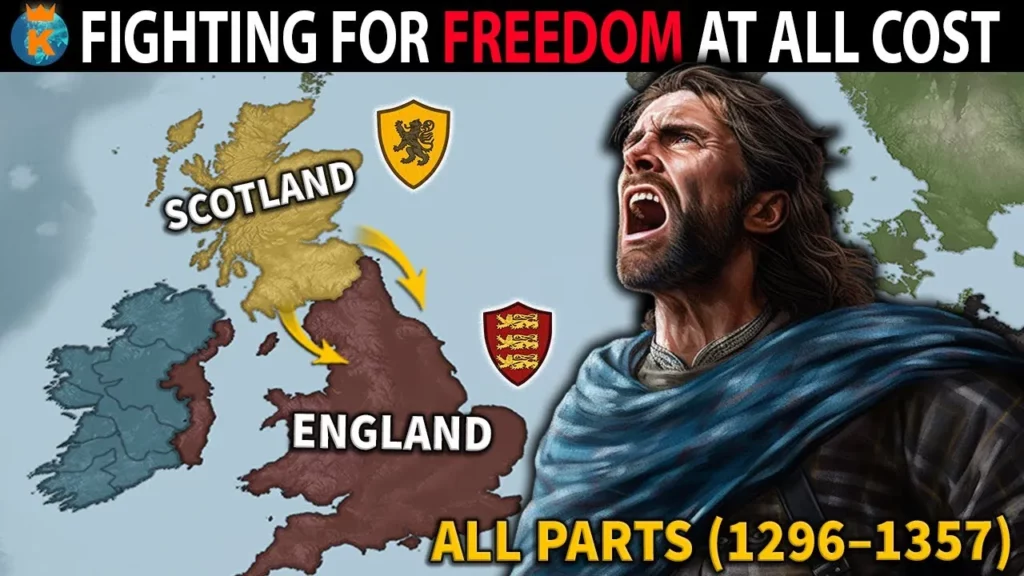
The lesson explores the tumultuous period of the Wars of Scottish Independence, beginning with the succession crisis following the death of King Alexander III in 1286, which left Scotland vulnerable to external influence, particularly from King Edward of England. Despite initial setbacks, including the defeat of King John Balliol and the challenges faced by leaders like William Wallace and Robert de Bruce, the Scots ultimately achieved significant victories, notably at the Battle of Bannockburn, which solidified their quest for independence and led to the recognition of Scotland’s sovereignty through the Treaty of Edinburgh-Northampton in 1328. The lesson emphasizes the resilience of the Scottish people in their struggle against English domination amidst complex political dynamics.
Why couldn’t the Romans conquer Ireland?
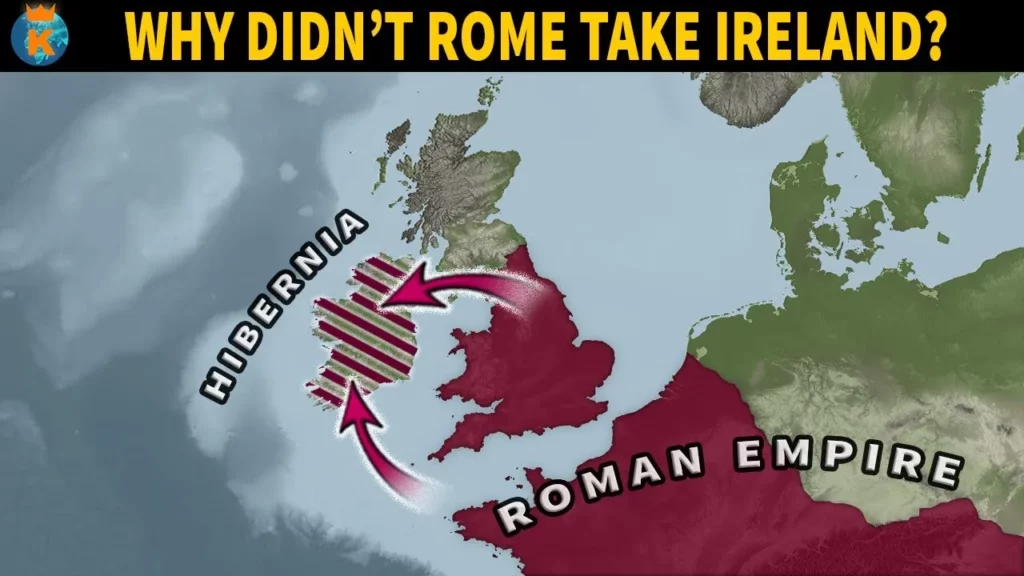
The lesson explores the reasons behind the Roman Empire’s failure to conquer Ireland, despite its extensive territorial expansion across Europe and beyond. Key factors included the challenges of managing rebellions in Britannia, political instability within the Empire, and missed opportunities during the governorship of Gnaeus Julius Agricola. Although Ireland was never militarily conquered, significant trade and cultural exchanges occurred, particularly the introduction of Christianity, which left a lasting impact on Irish society.
Why didn’t Rome Conquer Germania? #history #romanhistory #ancient #romehistory
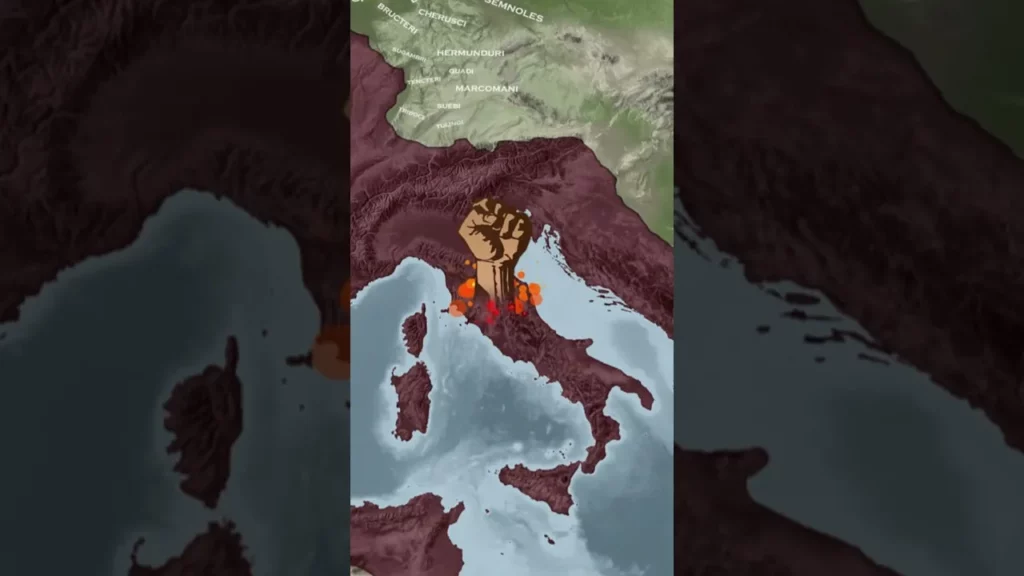
The lesson explores the reasons why the Roman Empire was unable to fully conquer Germania, highlighting the fierce resistance from Germanic tribes, challenging terrain, and significant military losses, particularly the defeat at the Battle of the Teutoburg Forest in 9 AD. Additionally, internal issues within Rome and cultural differences further complicated their efforts, leading to a focus on defending existing borders rather than pursuing expansion into Germania. Ultimately, these factors combined to prevent Rome from making Germania a permanent part of its empire.
Why isn’t Sri Lanka a Part of India?
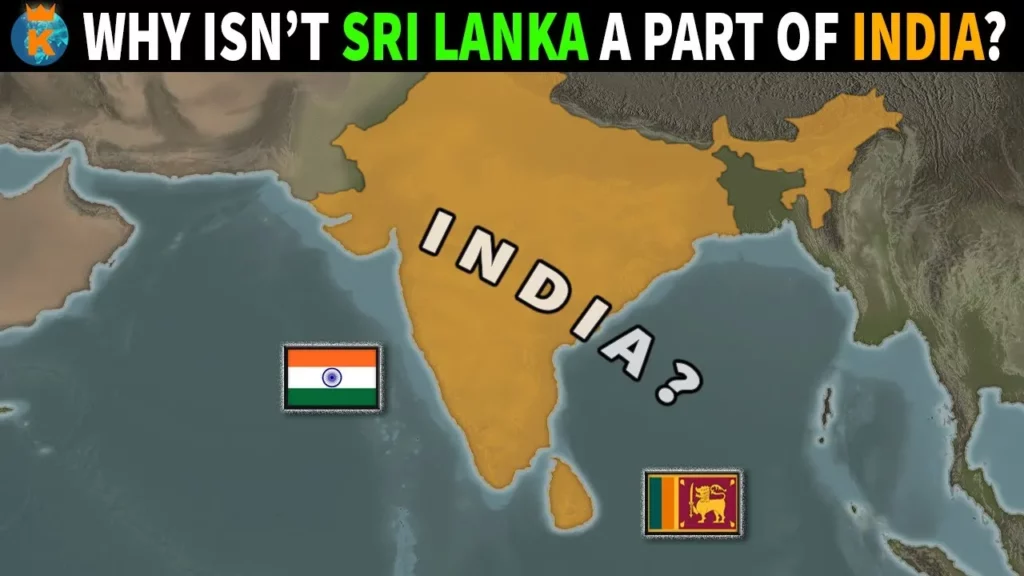
The lesson explores the historical, cultural, and political factors that explain why Sri Lanka is not part of India, despite their geographical proximity and shared colonial past. It highlights the unique ethnic composition of Sri Lanka, the influence of Buddhism, and the distinct colonial experiences that shaped its path to independence in 1948. Ultimately, these elements contributed to Sri Lanka’s development of a separate national identity and its decision to remain an independent nation.
How did America Take The Philippines? – The History of The American Philippines (1899 – 1946)
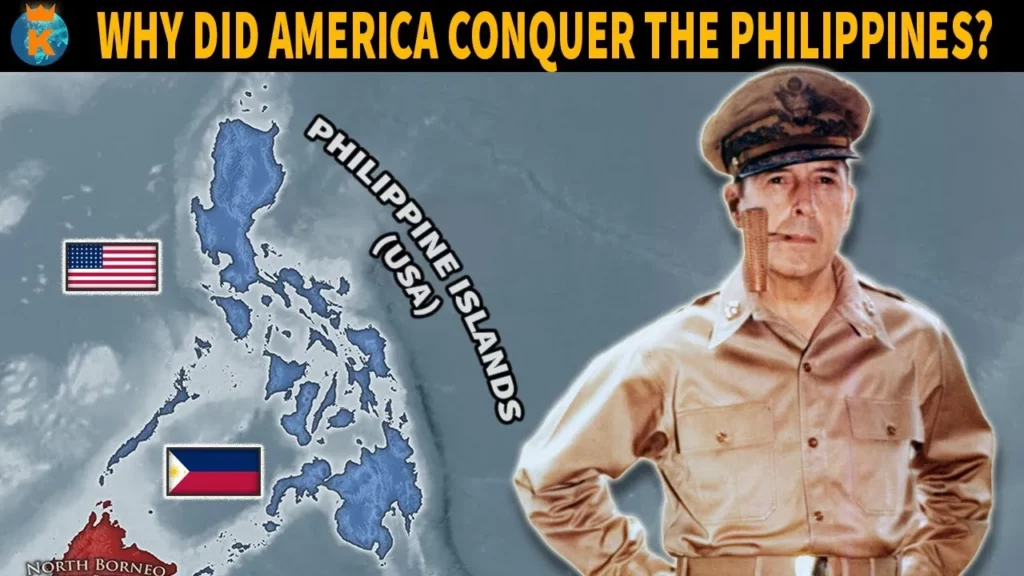
The lesson outlines the history of American involvement in the Philippines from the end of the Spanish-American War in 1898 to the country’s independence in 1946. Initially welcomed as liberators, the U.S. soon imposed military rule, leading to the Philippine-American War, where Filipino forces employed guerrilla tactics against a better-equipped American military. Following years of conflict, governance changes, and the impact of World War II, the Philippines ultimately achieved independence on July 4, 1946.
Why wasn’t Thailand Colonized? #history #thailand #siam
The lesson explores the reasons why Thailand, formerly known as Siam, successfully avoided colonization during the 19th and early 20th centuries, unlike many of its Southeast Asian neighbors. Key factors included strategic diplomacy with colonial powers, its advantageous geographical position as a buffer state, progressive leadership that implemented reforms, and a strong sense of nationalism among its people. Together, these elements enabled Thailand to maintain its independence and sovereignty.
The Flavian Dynasty – History of the Roman Empire (69 – 96 AD)
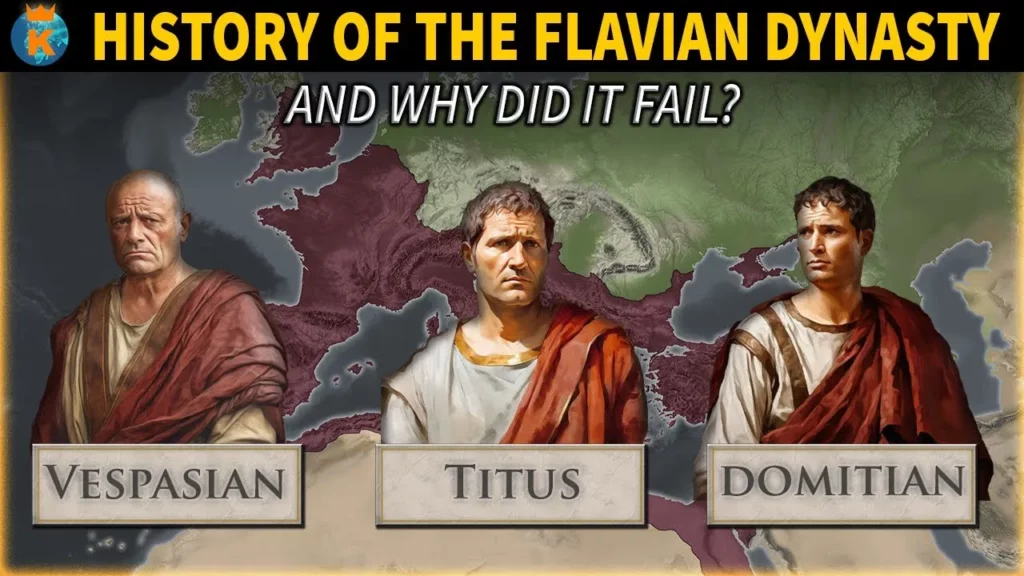
The Flavian Dynasty (69 – 96 AD) marked a transformative era in Roman history, beginning with Vespasian’s rise to power amidst civil unrest and significant challenges, including revolts in Judea and Gaul. His successors, Titus and Domitian, faced their own trials, with Titus gaining popularity through public works and reforms, while Domitian’s reign became increasingly controversial due to his authoritarian rule and paranoia, ultimately leading to his assassination. This dynasty’s complex dynamics of power and governance significantly influenced the trajectory of the Roman Empire.
What happened to the Christian Majority of Turkey?
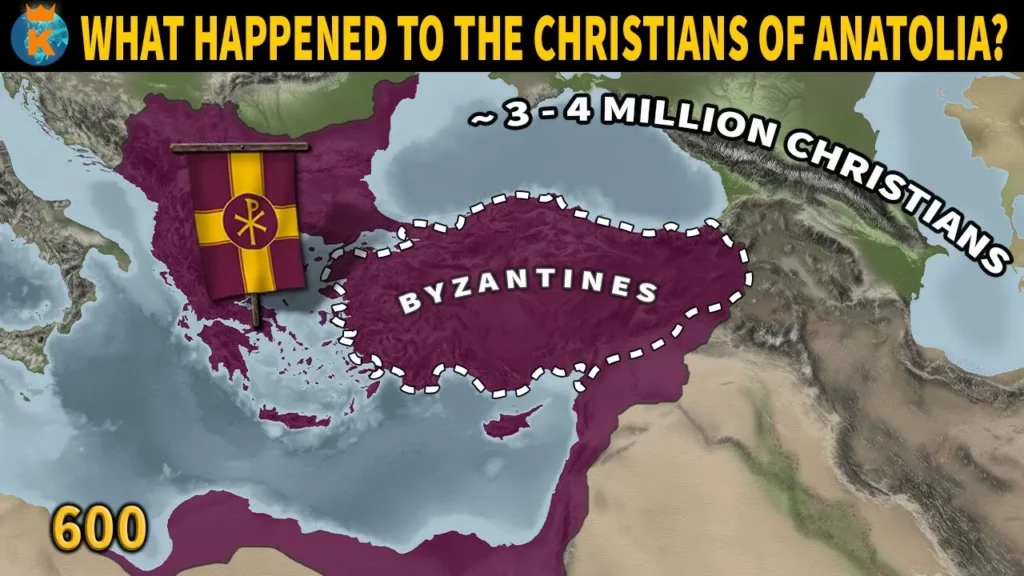
The lesson explores the historical transformation of Turkey from a center of Christianity to a predominantly Muslim nation, primarily due to the spread of Islam beginning in the 7th century, the Seljuk Turks’ victory at the Battle of Manzikert in 1071, and the Ottoman conquest of Constantinople in 1453. It examines the religious and cultural dynamics under Ottoman rule, including the millet system that allowed some autonomy for Christians and Jews, as well as the impact of nationalism and population shifts in the 19th and 20th centuries, culminating in the establishment of the secular Republic of Turkey in 1923. This complex history illustrates the interplay of religion, politics, and identity in shaping Turkey’s demographic landscape.
Why did Sparta Collapse? #history #sparta #ancient #map
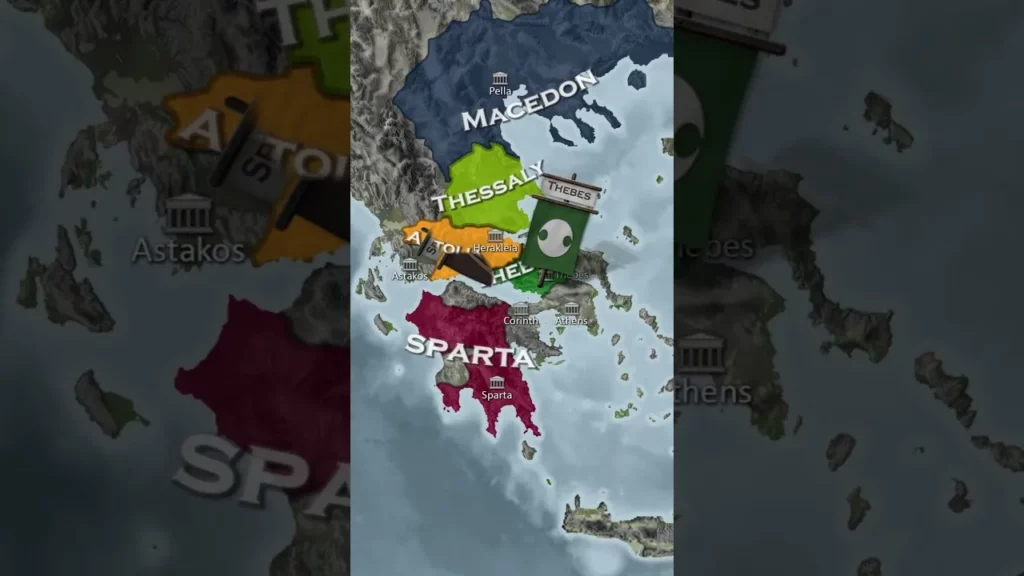
The collapse of Sparta, a once-powerful city-state in ancient Greece, resulted from a combination of factors including its prioritization of military strength over economic development, the draining effects of the Peloponnesian War, and internal conflicts that destabilized its society. Additionally, strategic missteps, such as the defeat at the Battle of Leuctra, further weakened Sparta’s influence and led to the loss of key allies. Ultimately, these challenges culminated in the decline of Sparta as a dominant power in Greece.