
How did Prussia beat France so badly? -The Franco-Prussian War in a Nutshell
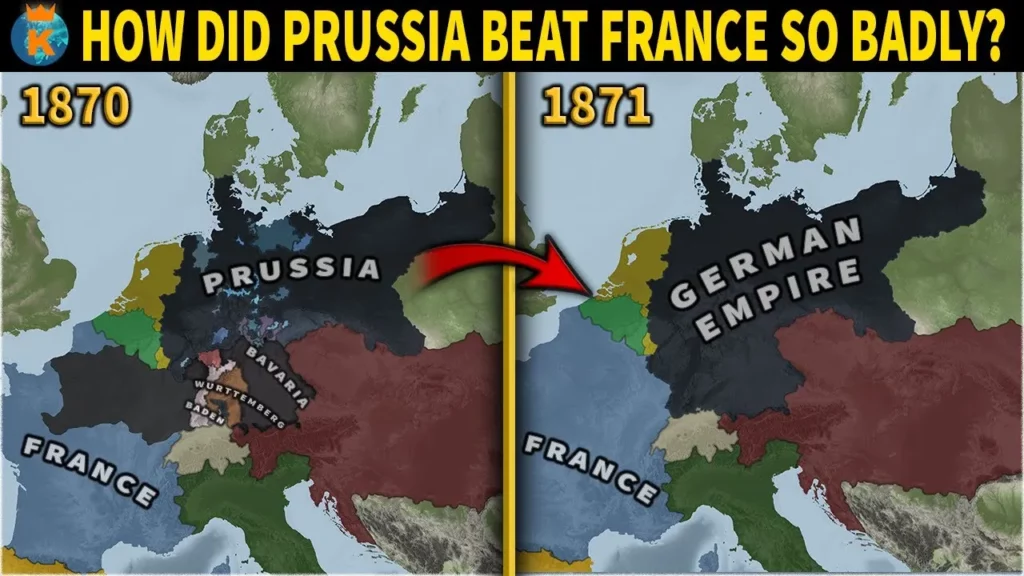
The Franco-Prussian War was a pivotal conflict in the late 19th century that resulted in the unification of Germany and the decline of French power in Europe. Sparked by tensions over territorial demands and manipulated by Prussian Chancellor Otto von Bismarck, the war saw France initially on the offensive but ultimately defeated by a united German military. The war concluded with the fall of Paris and the establishment of the German Empire, marking a significant shift in the continent’s political landscape.
The History of California, Texas, Florida, New York & Pennsylvania – All Parts
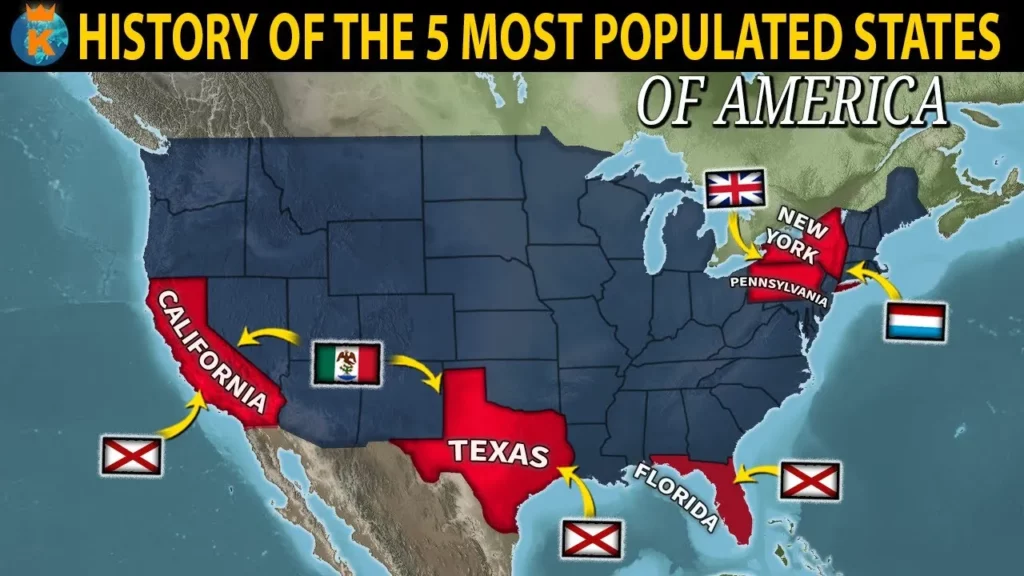
The lesson on the history of California outlines the state’s evolution from its early Native American inhabitants to its current status as a significant U.S. state. It highlights key events such as European exploration, Spanish colonization, the transition to Mexican territory, the Bear Flag Revolt, and the Gold Rush, all of which shaped California’s demographic and cultural landscape. The lesson concludes by acknowledging California’s ongoing challenges and its role as a center for social justice and economic growth.
Why did the American Civil War Actually Happen? #history #civilwar #documentary
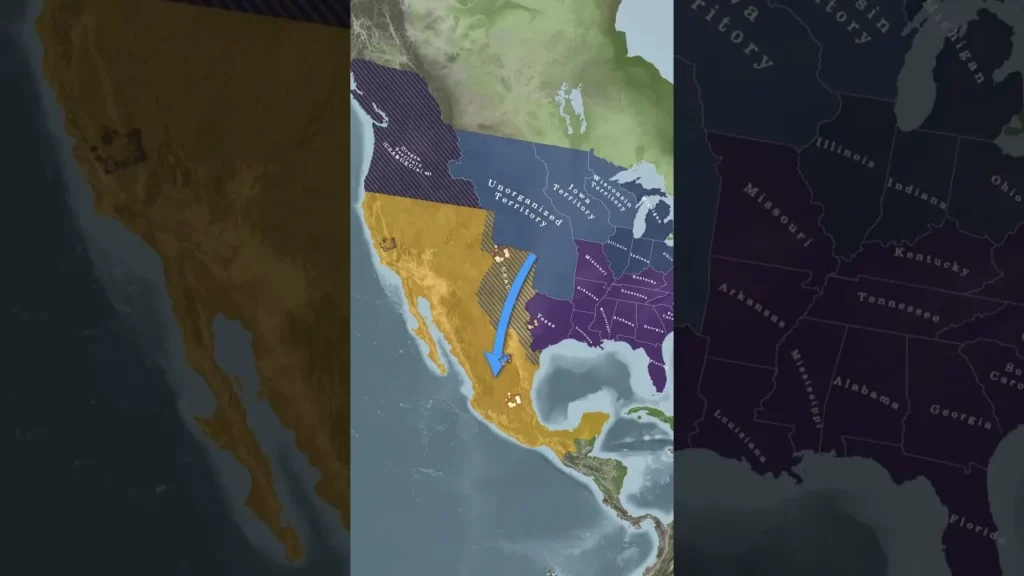
The American Civil War was driven by a combination of factors, including the struggle to maintain a balance between free and slave states, the ideology of Manifest Destiny, and significant events like the Missouri Compromise and the Mexican-American War. Rising tensions, exemplified by violent confrontations in “Bleeding Kansas” and the election of Abraham Lincoln, ultimately led Southern states to secede from the Union, igniting the conflict. This lesson highlights the complex interplay of political, social, and economic issues that culminated in one of the most pivotal moments in U.S. history.
Why did The Anglo Saxons Migrate to Britain? #anglosaxons #migration #history
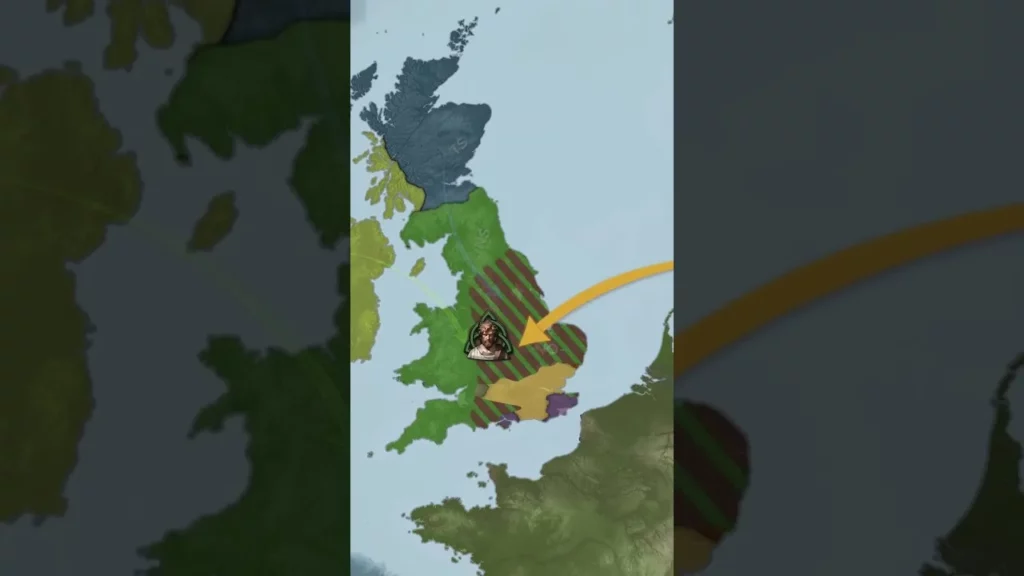
The lesson explores the migration of the Anglo-Saxons to Britain, which was largely influenced by the end of Roman rule in the mid-fifth century, creating a power vacuum that attracted new settlers. Comprised of various Germanic tribes, the Anglo-Saxons sought fertile land for farming and often settled peacefully, leading to significant cultural influences and the establishment of new kingdoms that transformed Britain’s landscape and language. This migration marked a pivotal moment in history, shaping the cultural and societal foundations of modern Britain.
Why did Japan Attack Germany in World War 1?
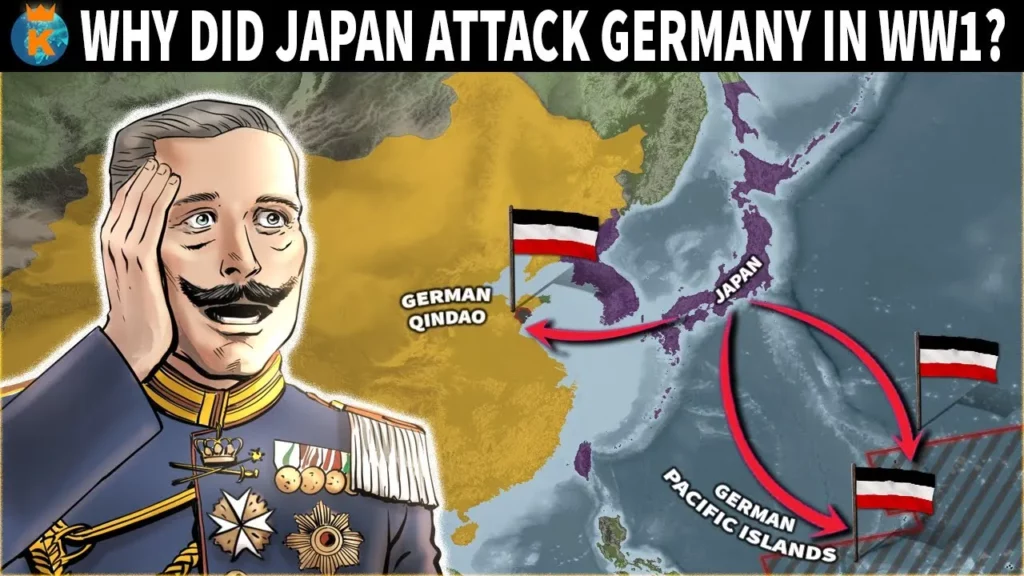
The lesson explores Japan’s involvement in World War I, highlighting its strategic decision to ally with the Triple Entente and attack German territories in Asia. Driven by ambitions for territorial expansion and bolstered by the Anglo-Japan Alliance with Britain, Japan successfully captured Qingdao and other territories, marking its emergence as a significant global power. This transformation from an agricultural society to an industrial powerhouse during the war set the stage for Japan’s future influence in the region.
How did Atatürk Save Turkey? – Turkish War of Independence Part 2
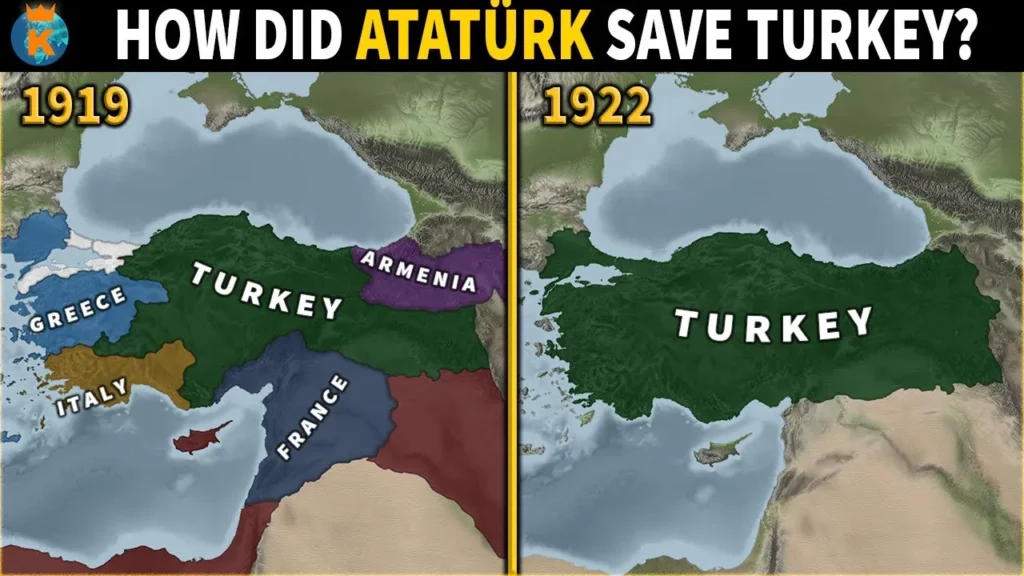
The Turkish War of Independence was a crucial conflict in which Turkish nationalists, led by Mustafa Kemal Atatürk, fought against both external forces, such as the Greeks and Western powers, and the internal authority of the Ottoman government. Key battles, including the victories at İnönü and Sakarya, ultimately led to the defeat of Greek forces and the establishment of the Republic of Turkey in 1923, with Atatürk emerging as a central figure in the nation’s transformation from an empire to a sovereign state. His leadership and vision laid the foundation for modern Turkey, earning him the title “Father of the Turks.”
Why was Germany so Effective in World War 2? #short #Germany #ww2
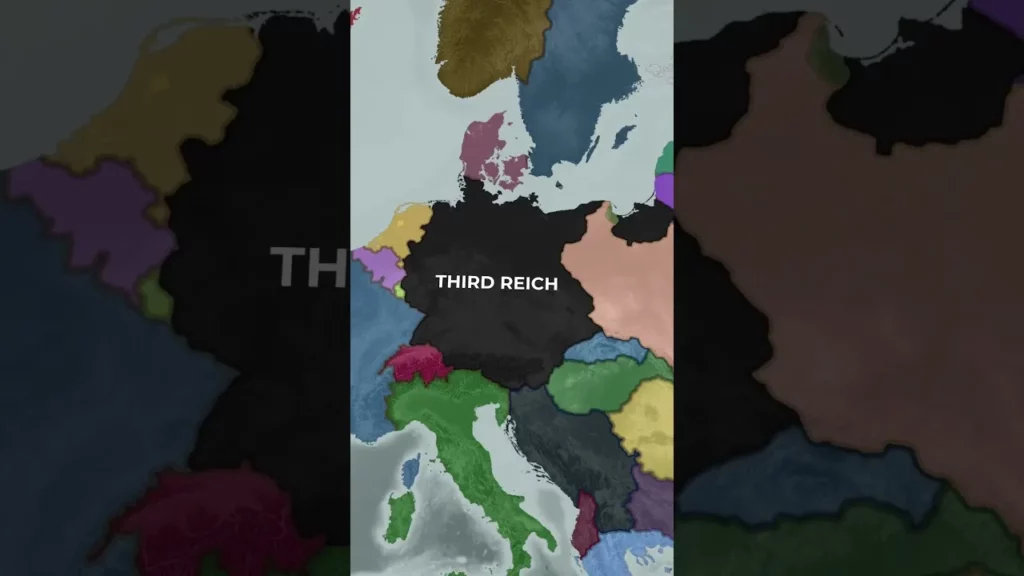
The lesson explores how Germany effectively rebuilt its military and expanded its territory after World War I, despite facing significant economic challenges. Key factors in their early success included the lack of immediate intervention from the Allies, strategic military tactics like Blitzkrieg, and the ability to quickly reoccupy and annex neighboring regions. Understanding these dynamics highlights the complexities of war and the critical role of strategic planning in international relations.
How did The Roman Empire Conquer Dacia and Mesopotamia?
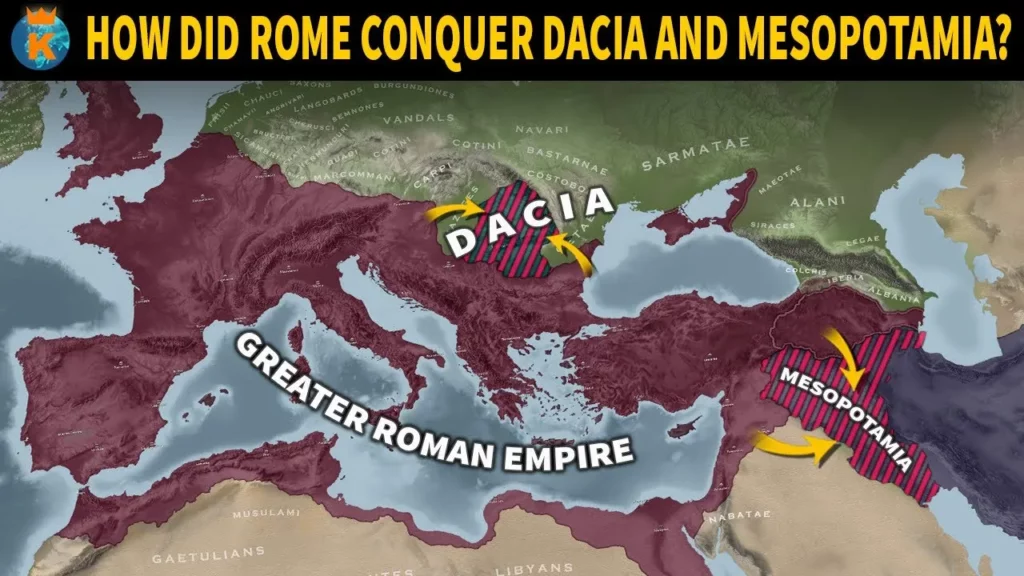
The lesson explores the significant leadership of Emperor Nerva and his successor, Trajan, during the Roman Empire’s expansion into Dacia and Mesopotamia. Nerva’s ascent to power marked a shift towards more stable governance, while Trajan’s military campaigns, particularly against the Dacians, solidified Rome’s territorial gains and established him as one of the empire’s most revered rulers. Together, their reigns contributed to a period of prosperity and expansion that defined the Roman Empire’s legacy.
How did the Ottoman Empire Conquer so Much? #short #ottoman #history
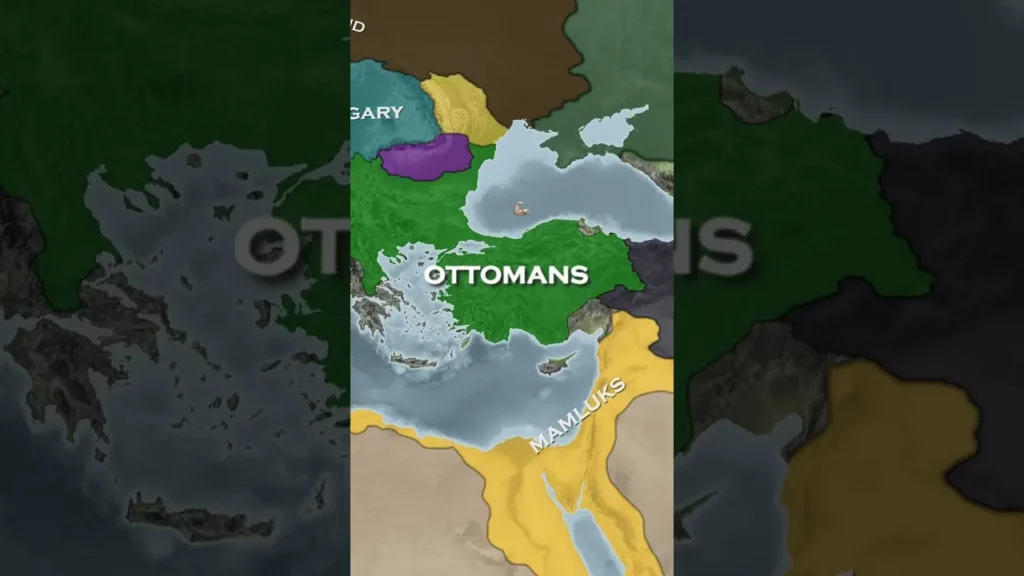
The lesson explores the rise of the Ottoman Empire, beginning with its foundation by Osman I in 1299 and highlighting key events such as the capture of Bursa and the pivotal fall of Constantinople in 1453. The empire’s expansion under leaders like Selim I and Suleiman the Magnificent is attributed to a combination of strategic military organization, the use of gunpowder weaponry, and the disunity among rival states, ultimately showcasing how these factors enabled the Ottomans to become a dominant political force in the region.
The History of The Philippines After Independence (1946 – PRESENT DAY)
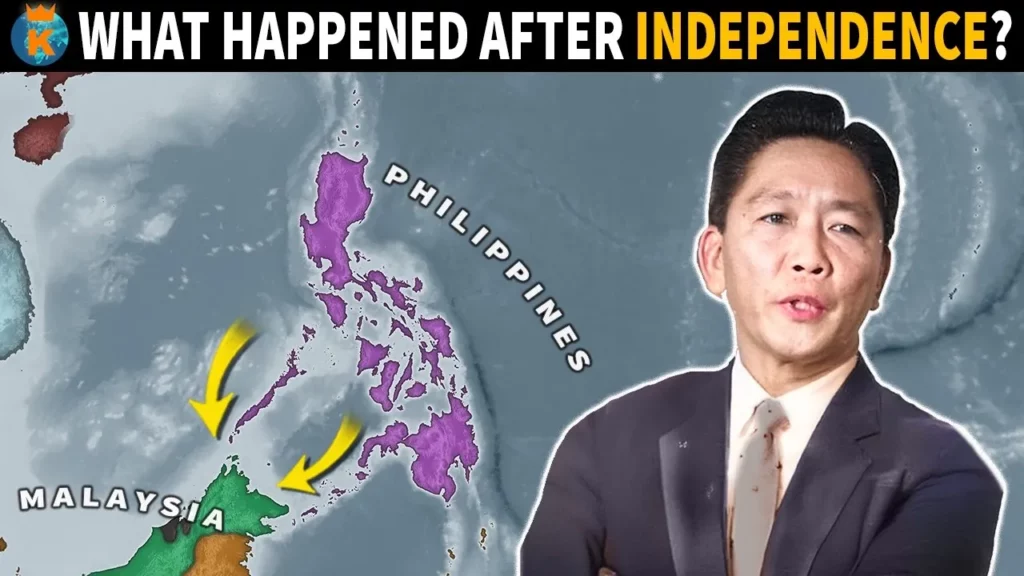
The lesson outlines the history of the Philippines from its independence in 1946 to the present day, highlighting key political transitions, economic reforms, and social challenges. It details the evolution of leadership from Manuel Roxas to Ferdinand Marcos and the subsequent transition to democracy under Corazon Aquino, as well as the complexities faced by modern leaders like Rodrigo Duterte and Ferdinand Marcos Jr. The lesson emphasizes the Philippines’ ongoing struggle with governance, international relations, and its role in regional politics amidst challenges such as China’s territorial ambitions.