
What did Wilhelm II Think of Hitler? #short #history #documentary
The lesson explores Wilhelm II’s critical perspective on Adolf Hitler and the Third Reich, emphasizing his disapproval of Hitler’s leadership style and policies, particularly regarding the treatment of the Jewish community. Wilhelm II believed that Hitler’s regime was detrimental to Germany’s cultural and historical identity, leading to a nation marked by hysteria and fanaticism. Their mutual disdain is highlighted by Wilhelm’s decision to be buried in the Netherlands to avoid being used as propaganda by Hitler, underscoring his rejection of the new regime’s vision for Germany.
Why did the German Tribes Start Migrating?
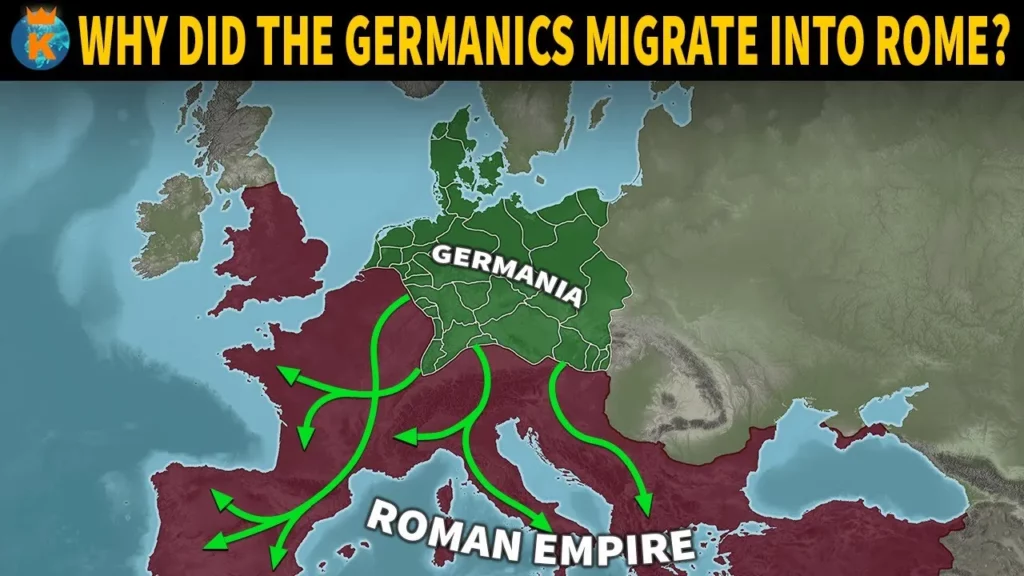
The lesson explores the migration of Germanic tribes into Roman territories between 375 and 568, a period known as the Barbarian Invasion or Migration Period, which contributed to the fall of the Western Roman Empire. Driven by factors such as the threat from the Huns, overpopulation, and the search for fertile land, these tribes, including the Goths, Franks, and Vandals, settled in various regions of Europe, leading to significant cultural and political changes that shaped the foundations of modern Western Europe and Great Britain. The lesson highlights the complex interactions between the Germanic tribes and the Romans, ultimately marking a transformative era in European history.
Why did the Umayyad Caliphate Collapse?
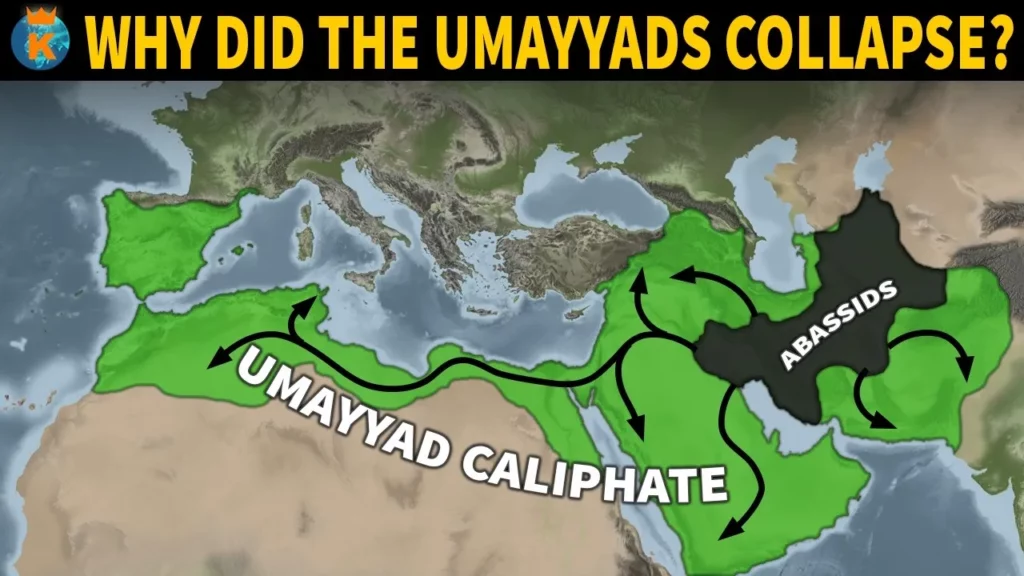
The lesson explores the collapse of the Umayyad Caliphate, culminating in the decisive battle at the Great Zab River on January 25, 750, where the Abbasids, despite being outnumbered, defeated the Umayyad forces. The Umayyad dynasty, which had expanded to become one of the largest empires in history, faced internal dissent due to favoritism towards Arab Muslims and dissatisfaction among non-Arab subjects, ultimately leading to the Abbasid uprising and the end of Umayyad rule. This transition marked a significant shift in Islamic governance and the rise of the Abbasid Caliphate.
Why didn’t the Ottomans Conquer Persia? #short #ottoman #history
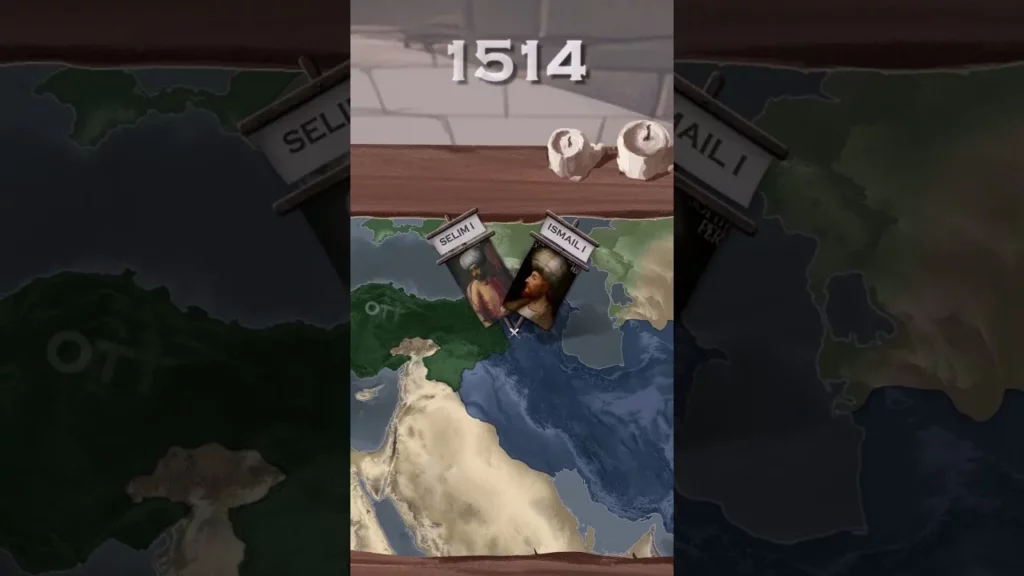
The lesson explores the reasons why the Ottoman Empire was unable to fully conquer Persia, highlighting key factors such as the challenging geography of the region, which hindered troop movement and supply lines, and the effective guerrilla tactics employed by the Persians. Additionally, religious conflicts between the Sunni Ottomans and Shiite Safavids, along with internal distractions and external threats faced by the Ottomans, contributed to their inability to maintain control over Persian territories. Ultimately, these complexities illustrate the multifaceted nature of historical conquests.
Why isn’t Puerto Rico a US State?
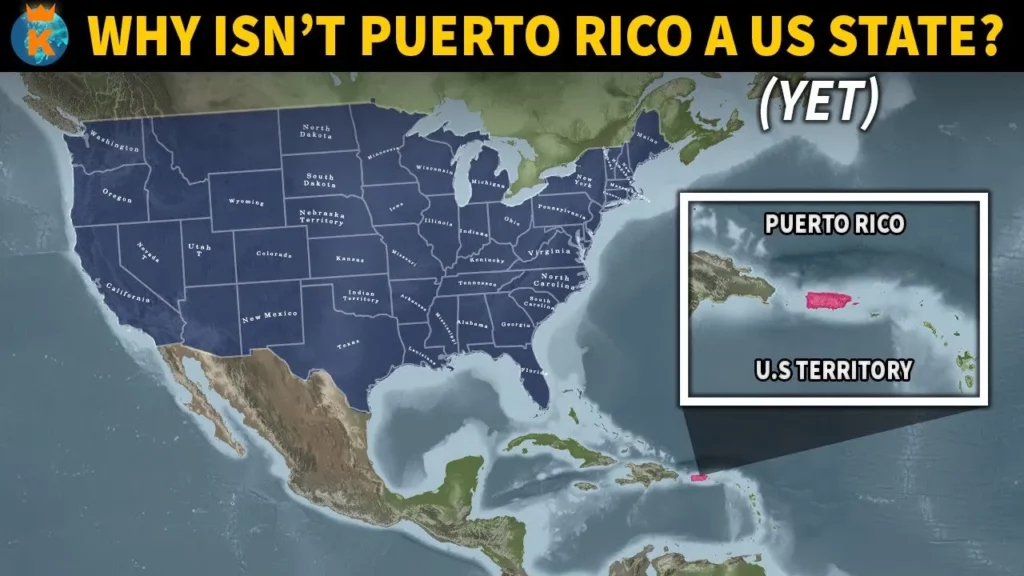
The lesson explores the complex historical relationship between Puerto Rico and the United States, highlighting its transition from Spanish rule to becoming a US territory after the Spanish-American War. Despite gaining US citizenship in 1917 and more local control in 1952, Puerto Rico has not achieved statehood due to various political, economic, and cultural factors, including concerns about the implications of adding new representatives and the divided opinions among Puerto Ricans regarding statehood. The ongoing debate reflects the island’s unique status and its significance in American history.
Why isn’t Central America a Part of Mexico?
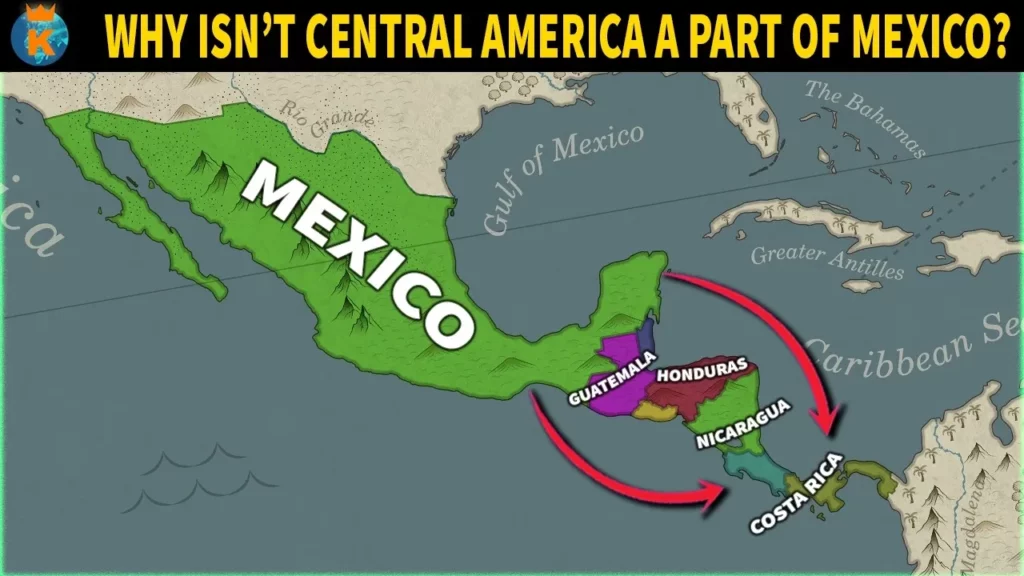
The lesson explains the historical context behind Central America’s separation from Mexico, detailing how the region, once part of the Spanish Captaincy General, sought independence following the collapse of the First Mexican Empire and the rise of discontent under Emperor Agustín de Iturbide. In 1823, after a series of political upheavals and resistance to Mexican rule, Central American provinces declared their independence, ultimately forming the United Provinces of Central America. This decision marked a significant shift in the political landscape, leading to the establishment of the seven countries that make up Central America today.
How did the Silk Road Actually Work? #short #silkroad #documentary
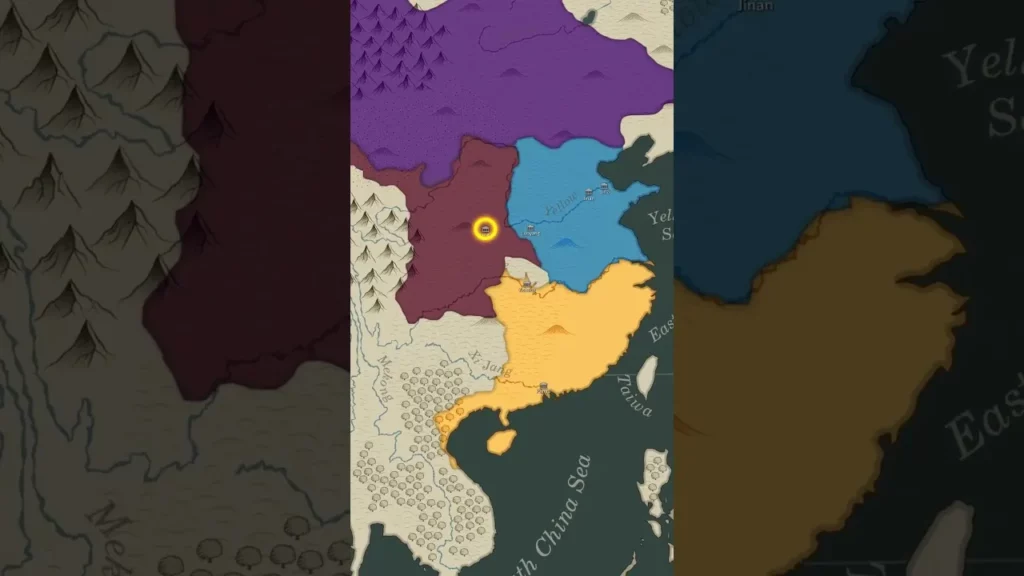
The Silk Road was an extensive network of trade routes connecting Europe and China, facilitating the exchange of goods, ideas, and cultures across continents. Trade operated like a relay, with goods passed between various merchants and transported primarily by caravans using camels, which were well-suited for the challenging terrain. Key cities along the route served as vibrant trade hubs, fostering cultural exchanges that significantly influenced the development of societies throughout history.
What Actually Happened with Amelia Earhart? #history #documentary #ww2
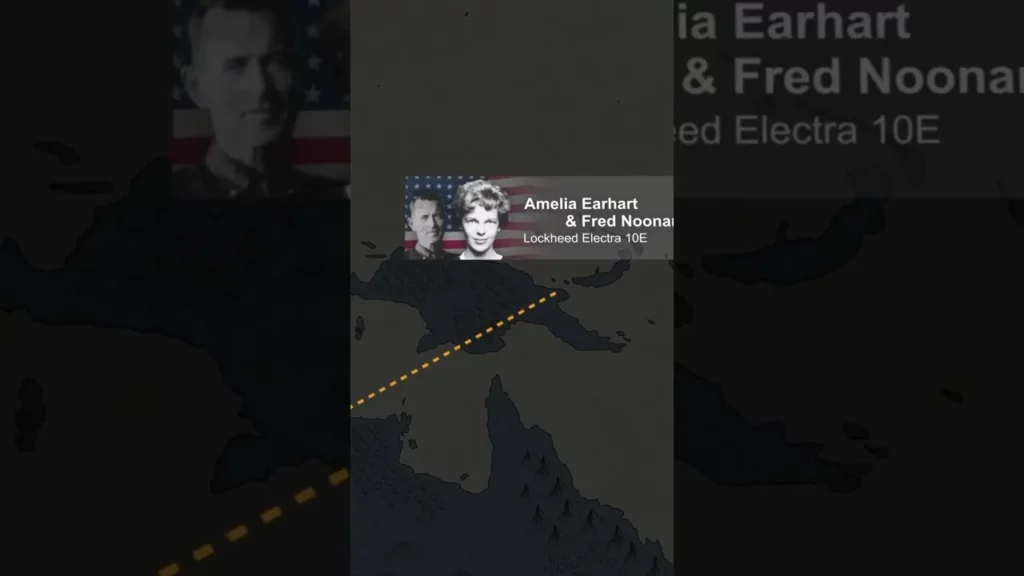
The lesson explores the mysterious disappearance of Amelia Earhart, a pioneering female pilot who vanished on July 2, 1937, during her attempt to fly around the world. Despite various theories regarding her fate, including potential landing on another island or crashing into the Pacific Ocean due to fuel shortages, her legacy as a courageous aviator continues to inspire people worldwide. Earhart’s story remains a captivating chapter in aviation history, highlighting her determination and the enduring intrigue surrounding her disappearance.
Why couldn’t The Romans Conquer Scythia? | Who were the Scythians?
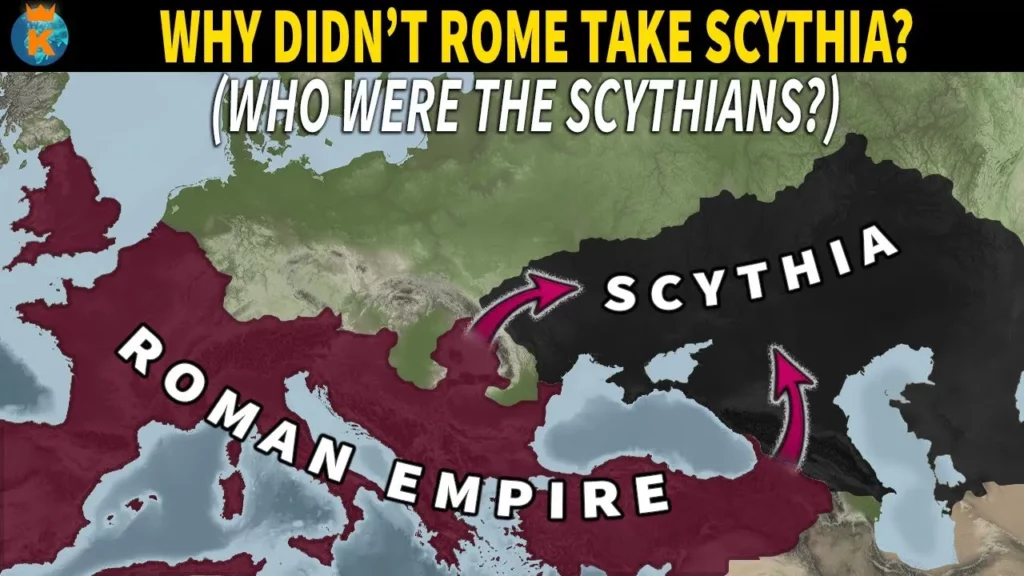
The lesson explores the reasons why the Romans never conquered Scythia, despite their military prowess and expansive empire. Key factors included the Scythians’ formidable skills as nomadic warriors, the geographical challenges of the vast steppe land, and the Romans’ strategic focus on more resource-rich territories. Ultimately, the Scythians’ fierce reputation and effective military tactics deterred Roman interest, allowing them to maintain their independence throughout the Roman Empire’s expansion.
How was Germany Formed?
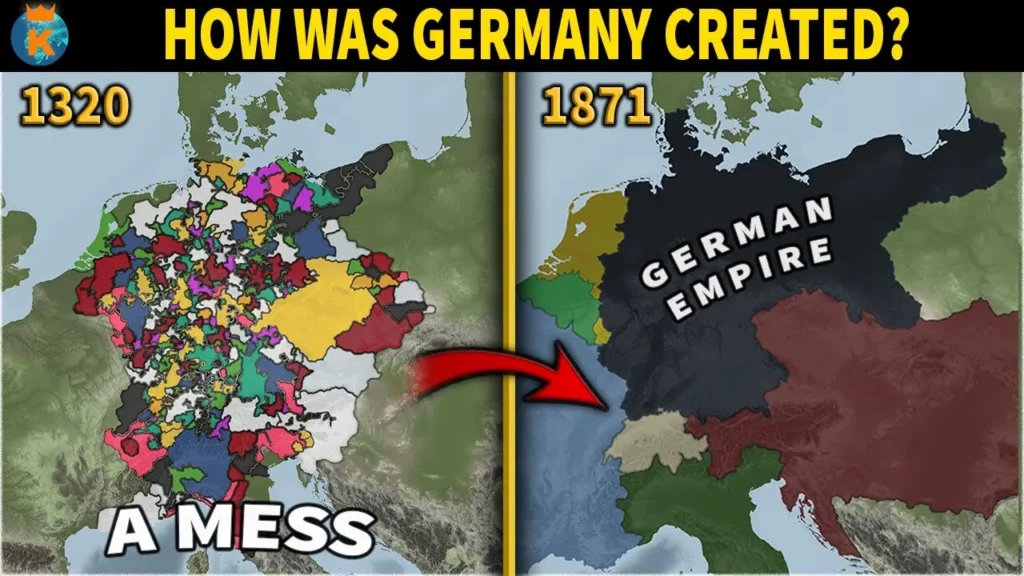
The lesson explores the formation of Germany during medieval times, highlighting the region’s complex political landscape comprised of various entities such as counties, duchies, and principalities. It details the significant role of Prussia in unifying these fragmented states through a series of strategic wars, including the Austro-Prussian and Franco-Prussian Wars, culminating in the proclamation of Wilhelm I as German Emperor in 1871. This transformation from a patchwork of territories to a unified nation was driven by a combination of diplomacy, military conflict, and the desire for national identity among the German-speaking populations.