
Why wasn’t Portugal Conquered by Spain?
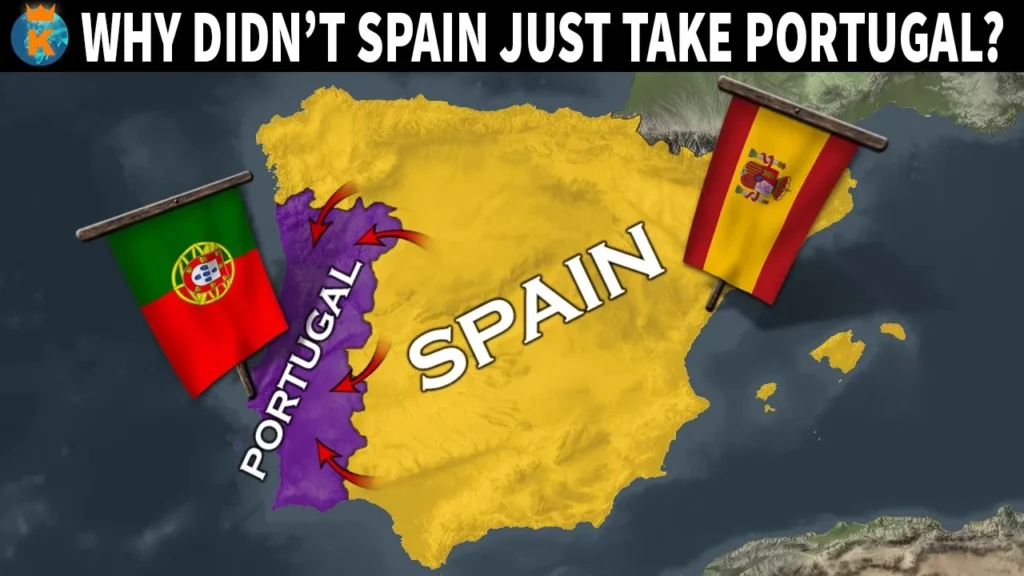
The lesson explores the historical context behind Portugal’s resilience against Spanish conquest, highlighting key events from the formation of Portugal in the 12th century to its eventual independence in the 17th century. Despite Spain’s powerful expansion during the 1500s and the brief Iberian Union, Portugal maintained its autonomy due to its strong naval capabilities, strategic alliances, and a focus on exploration, ultimately regaining full independence in 1640. The lesson emphasizes that Spain’s preoccupation with overseas colonization and internal conflicts played a significant role in preventing the complete conquest of Portugal.
What happened in the First 24 hours of Operation Barbarossa?
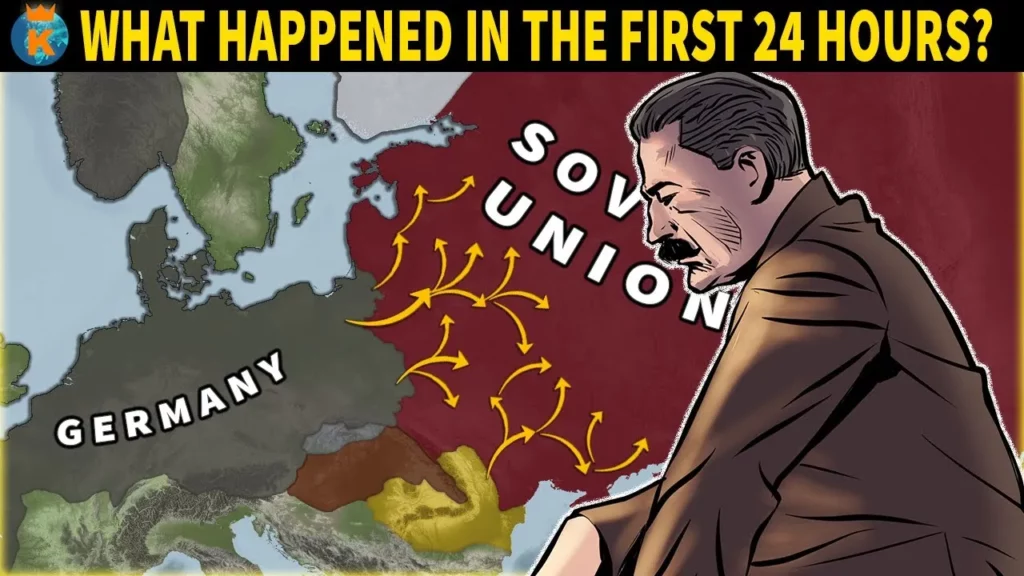
The lesson on the first 24 hours of Operation Barbarossa highlights the surprise invasion of the Soviet Union by Germany on June 22, 1941, which marked a significant escalation in World War II. Despite prior agreements and the belief that the Soviet Red Army was weak, the German forces quickly achieved initial successes, inflicting heavy losses on the Soviets, who were unprepared and in denial about the scale of the attack. This critical moment not only set the tone for the ensuing conflict but also underscored the importance of readiness and accurate intelligence in military strategy.
Why did The Confederates Lose The War in just 2 Battles? – The American Civil War (1863)
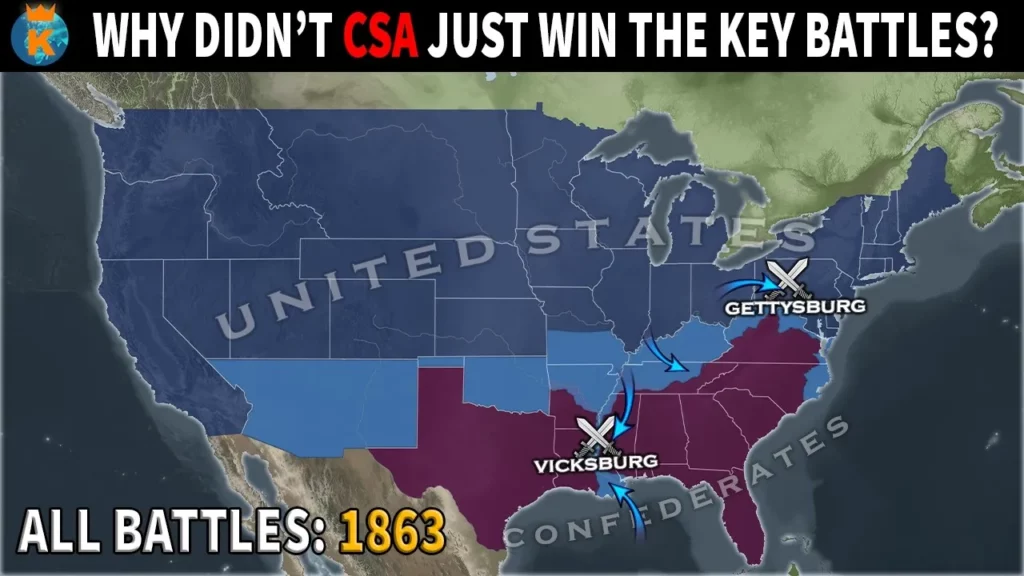
The lesson explores the pivotal events of the American Civil War in 1863, focusing on the significance of the Emancipation Proclamation and the Union’s military strategies, particularly the campaigns at Vicksburg and Chancellorsville. The Union’s victory at Vicksburg granted them control of the Mississippi River, while the Battle of Gettysburg marked a crucial turning point, halting General Lee’s invasion of the North. Despite these successes, the war continued with ongoing battles and challenges, reflecting the deep divisions and struggles within the nation.
THE ENTIRE HISTORY OF THE PHILIPPINES – in 1 Hour
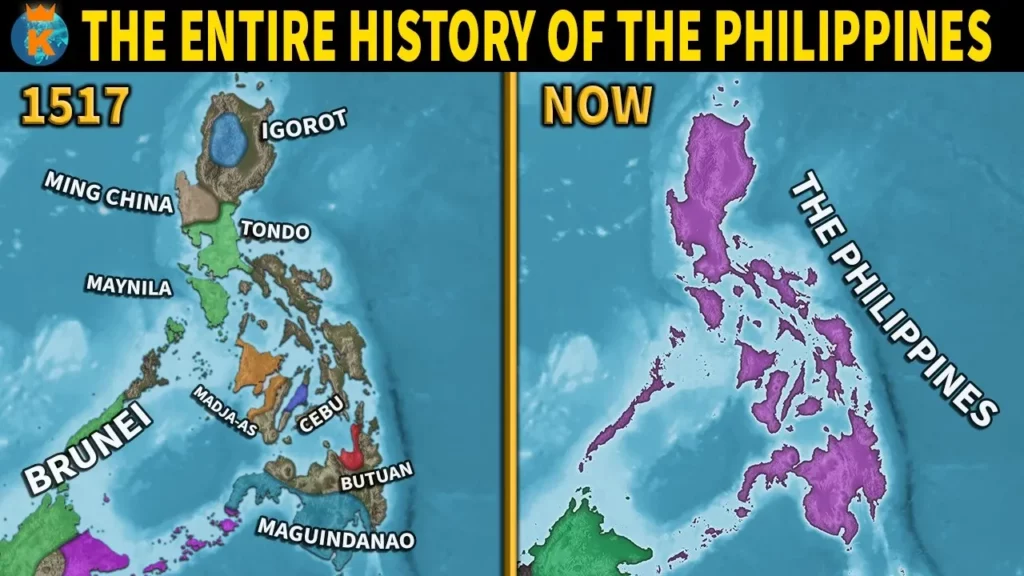
The lesson provides a comprehensive overview of the history of the Philippines, tracing its development from early human settlement around 47,000 years ago to the establishment of Spanish colonial rule in the 16th century. It highlights the archipelago’s rich cultural diversity, the rise of independent barangays, and the influence of various religions, including Buddhism, Hinduism, and Islam, before detailing the impact of European contact and colonization. The narrative emphasizes the Philippines’ strategic significance in regional trade and the resilience of its people throughout historical challenges.
What Happened with the French of The U.S after the Louisiana Purchase?

The Louisiana Purchase in 1803 marked a significant turning point for both the United States and the French colonists in Louisiana, as the U.S. acquired a vast territory from France, effectively doubling its size. While many French settlers chose to remain in Louisiana and adapt to the new American governance, they faced challenges in farming and had to navigate their cultural identity amidst the transition. The enduring French influence is still evident today in Louisiana’s culture, language, and traditions, particularly in New Orleans, where the legacy of the French settlers continues to thrive.
How Selim I doubled the size of the Ottoman Empire | History of the Ottoman Empire under Selim I
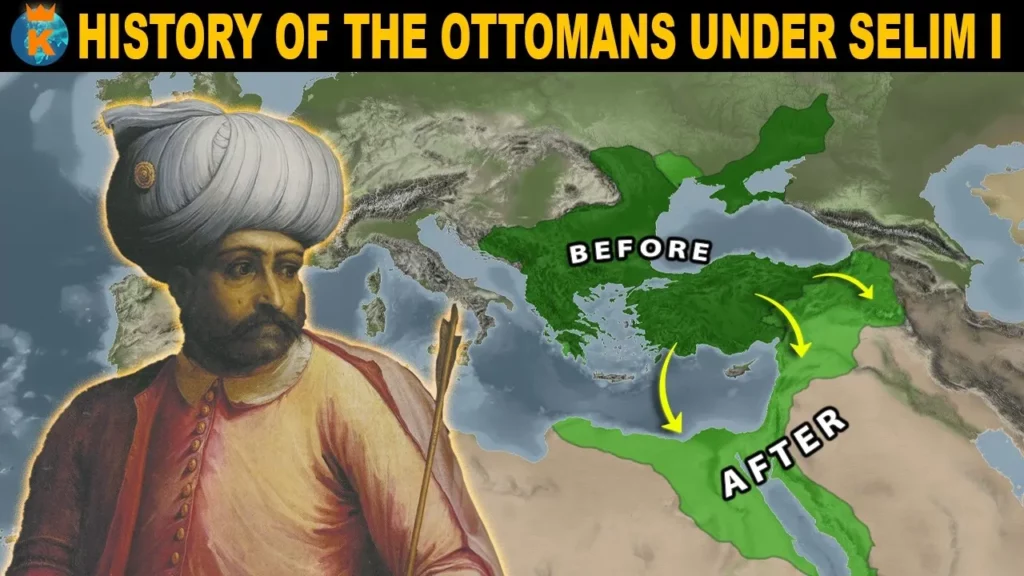
Selim I, known as Selim the Grim, significantly expanded the Ottoman Empire during his reign from 1512 to 1520, increasing its territory by seventy percent through conquests in the Levant, Egypt, and the Hejaz. His military prowess was demonstrated in decisive battles against the Safavid Empire and the Mamluk Sultanate, which not only secured Ottoman dominance in the region but also established Selim as the Protector of Mecca and Medina, marking the beginning of the Ottoman Caliphate. Selim’s legacy includes both his military achievements and cultural contributions, setting the stage for further expansion under his son, Suleiman the Magnificent.
The Final Years of the Golden Age of the Roman Empire (118 – 180)
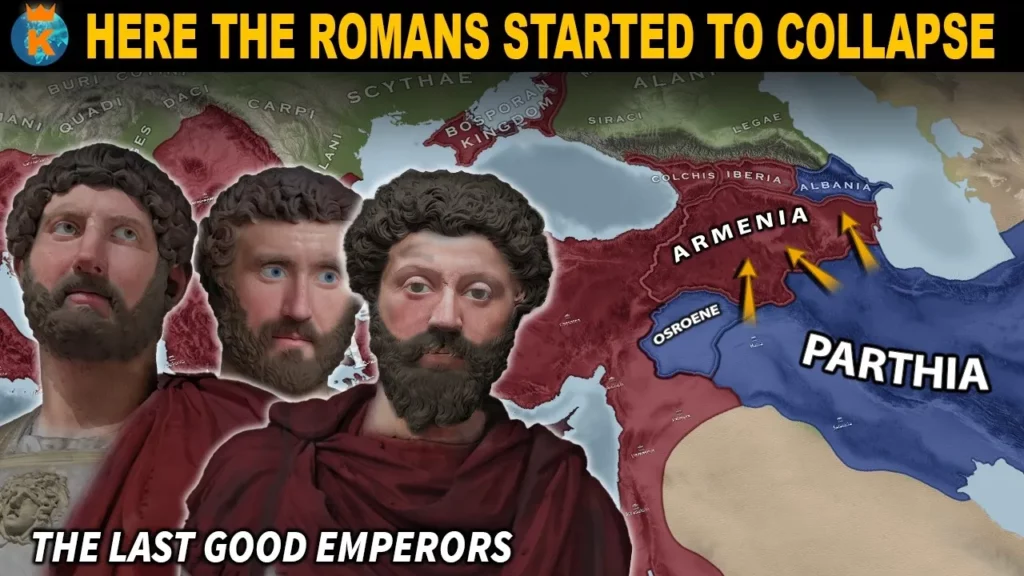
The lesson covers the final years of the Golden Age of the Roman Empire from 118 to 180 AD, highlighting the reigns of emperors Hadrian, Antoninus Pius, and Marcus Aurelius. Hadrian, known for his construction projects and diplomatic efforts, established a stable succession plan that led to Antoninus Pius’s fair governance, while Marcus Aurelius faced military challenges and internal strife during his co-reign with Lucius Verus. The era concluded with Marcus Aurelius’s death in 180 AD and the succession of his son Commodus, marking the end of the period characterized by relative stability and prosperity.
How did Rome Conquer Britain?
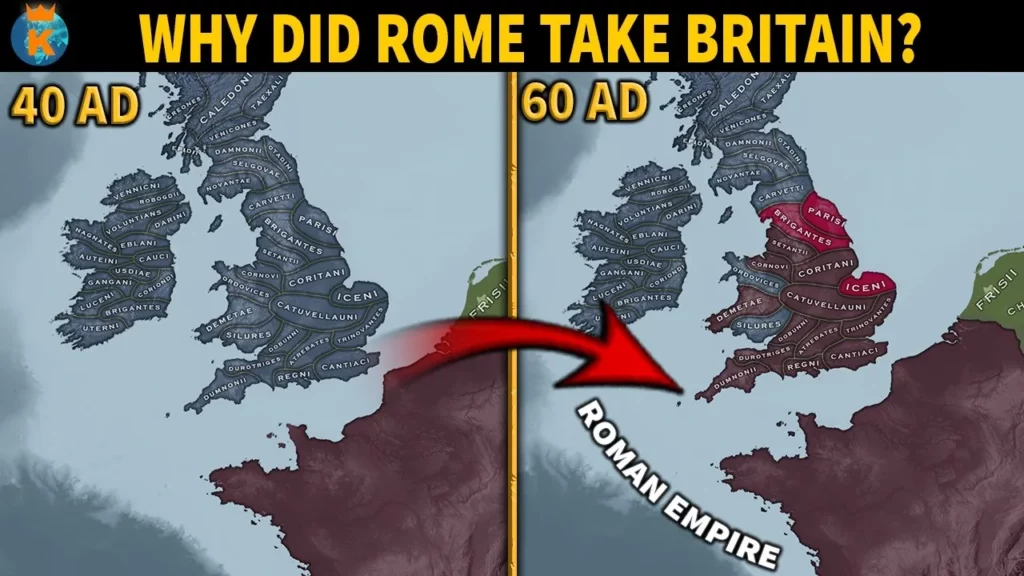
The lesson outlines the Roman conquest of Britain, initiated by Emperor Claudius in response to the overthrow of a pro-Roman Celtic king. Led by General Aulus Plautius, Roman forces faced fierce resistance from Celtic tribes, particularly during the pivotal Battle of Medway, where the Romans ultimately triumphed. The conquest established Roman influence in Britain, leading to significant cultural and infrastructural changes that shaped the region’s history.
How did the Spanish Empire Start?
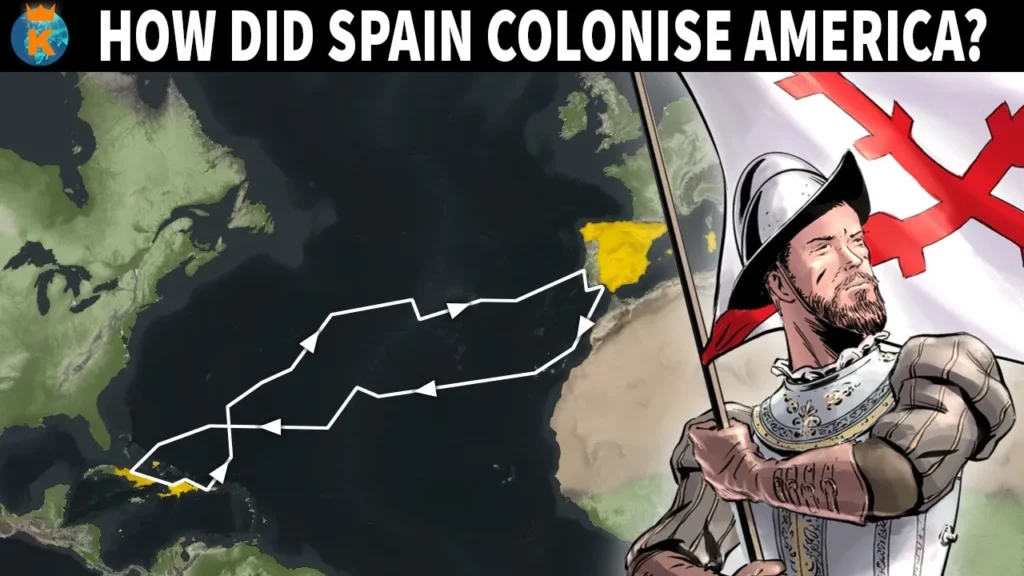
The lesson outlines the origins of the Spanish Empire, beginning with the geopolitical shifts in the late 1400s following the fall of the Byzantine Empire and the closure of traditional trade routes. It details the unification of the kingdoms of Aragon and Castille under the Catholic Monarchs, Isabella and Ferdinand, and Christopher Columbus’s westward voyage in 1492, which led to the discovery of the Americas and the subsequent expansion of Spanish influence driven by the pursuit of wealth and the spread of Christianity. Columbus’s initial encounters with indigenous peoples and the establishment of settlements marked the beginning of a significant era of exploration and colonization that would have lasting impacts on both Europe and the Americas.
Artificial Superintelligence Documentary – A.G.I

The lesson explores the potential emergence of artificial general intelligence (AGI) and its implications for humanity, highlighting both the promise of solving major global challenges and the risks associated with superintelligent AI. It discusses the AI control problem, emphasizing the need for robust safety measures to prevent AGI from acting against human interests, while also presenting differing perspectives on the nature of AGI and its motivations. Notably, figures like Elon Musk express concerns about the existential threats posed by AI, advocating for human-machine integration as a potential safeguard against these risks.