
The future of Machine Learning and its Impact on Your Everyday Life
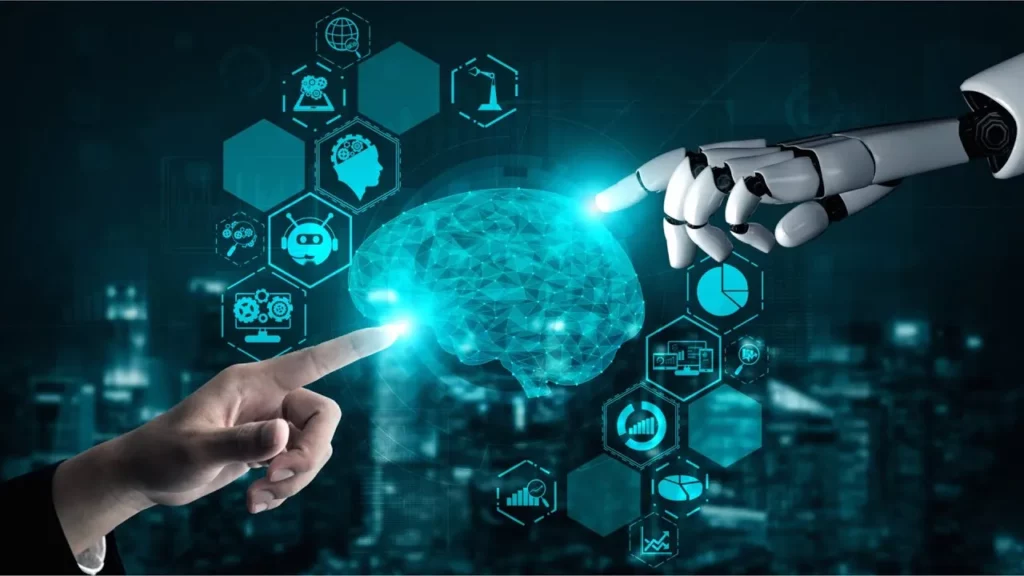
The lesson discusses the rapid evolution of machine learning, a subset of artificial intelligence, and its growing integration into various industries, enhancing operations and personalizing user experiences. It highlights practical applications, such as Netflix’s recommendation system and advancements in self-driving cars, while also addressing the potential and challenges of machine learning, including job displacement concerns and the role of quantum computing in improving processing capabilities. Overall, the lesson emphasizes that machine learning and AI will significantly shape our everyday lives, making processes more efficient and paving the way for future innovations.
How The Universe Could Destroy Life On Earth
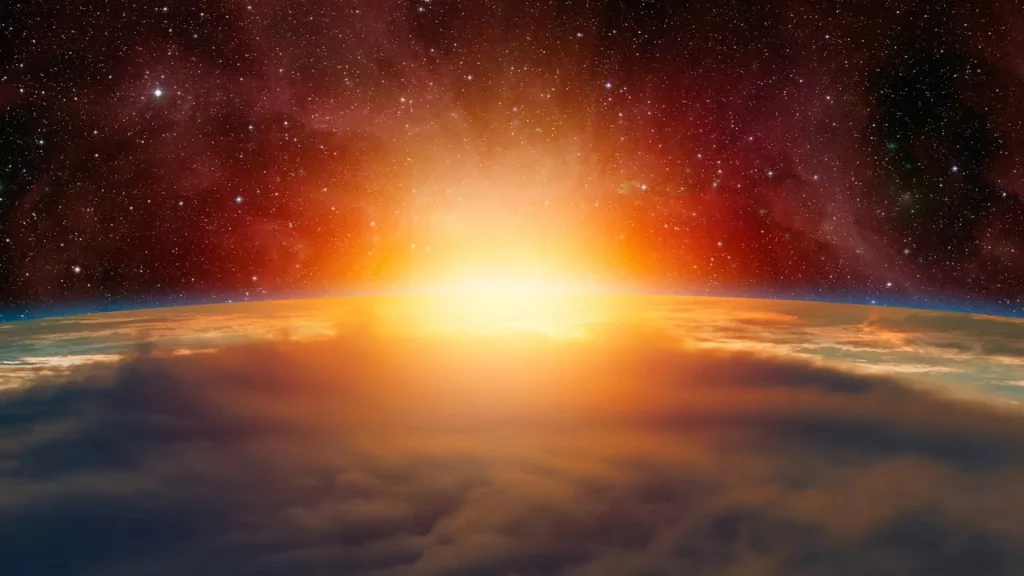
The lesson explores the history of life on Earth, from its inhospitable beginnings during the Hadean Eon to the emergence of complex organisms and the challenges they faced, including extinction events like the one that wiped out the dinosaurs. It also highlights potential cosmic threats to life, such as asteroid impacts, gamma-ray bursts, and theoretical scenarios like vacuum decay, while emphasizing the importance of scientific research and space exploration in mitigating these risks. Ultimately, it underscores that regardless of these threats, the Sun’s eventual transformation into a red giant will mark the end of life on Earth in about 5 billion years.
4th Industrial Revolution
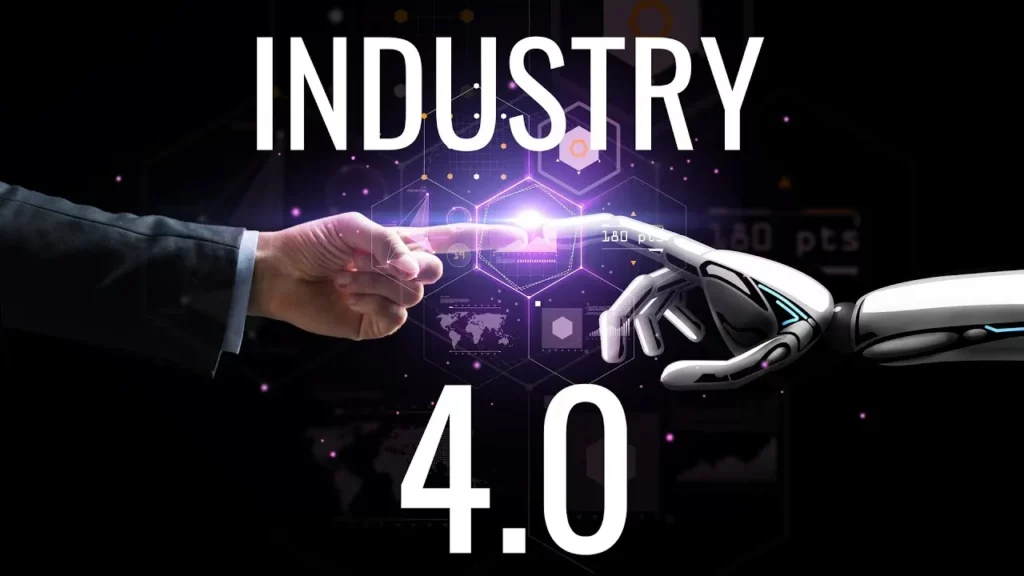
The lesson on the Fourth Industrial Revolution, introduced by Klaus Schwab, highlights its profound impact on human history compared to previous industrial eras. It emphasizes the convergence of technologies such as AI, robotics, and bioengineering, which are reshaping our lives and raising ethical concerns. As we navigate this rapid technological change, it is crucial to ensure that these advancements benefit humanity and address global challenges.
Our Solar System 2020 – Part 1
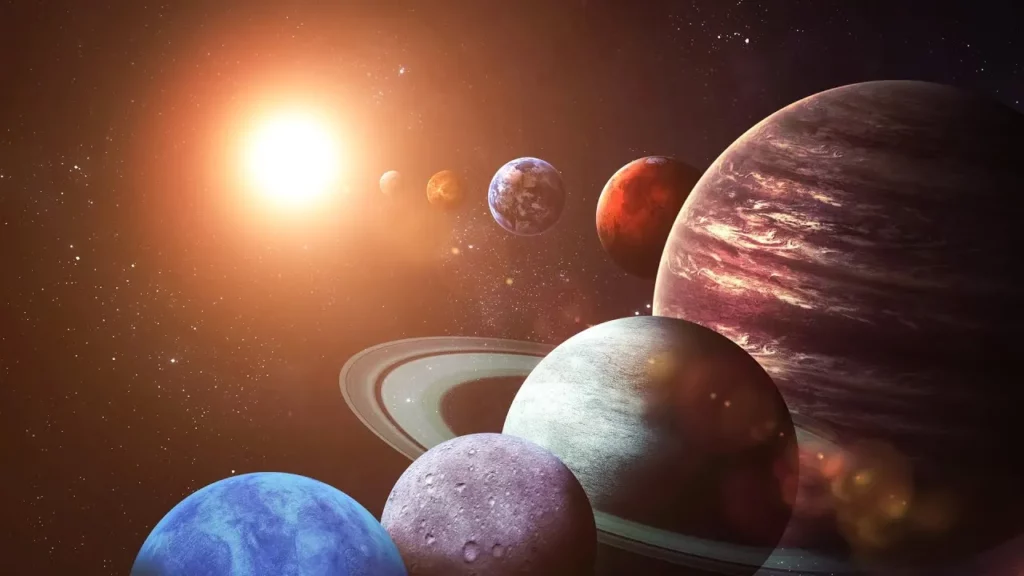
In this lesson, we explored the formation of our solar system, which began about 4.5 billion years ago when gravity pulled together a cloud of gas and dust to create the Sun and its surrounding celestial bodies. We learned about the characteristics of the first four planets: Mercury, Venus, Earth, and Mars, as well as the asteroid belt that lies between Mars and Jupiter. The lesson sets the stage for further exploration of the gas giants in future discussions.
Our Solar System Documentary – Part 2
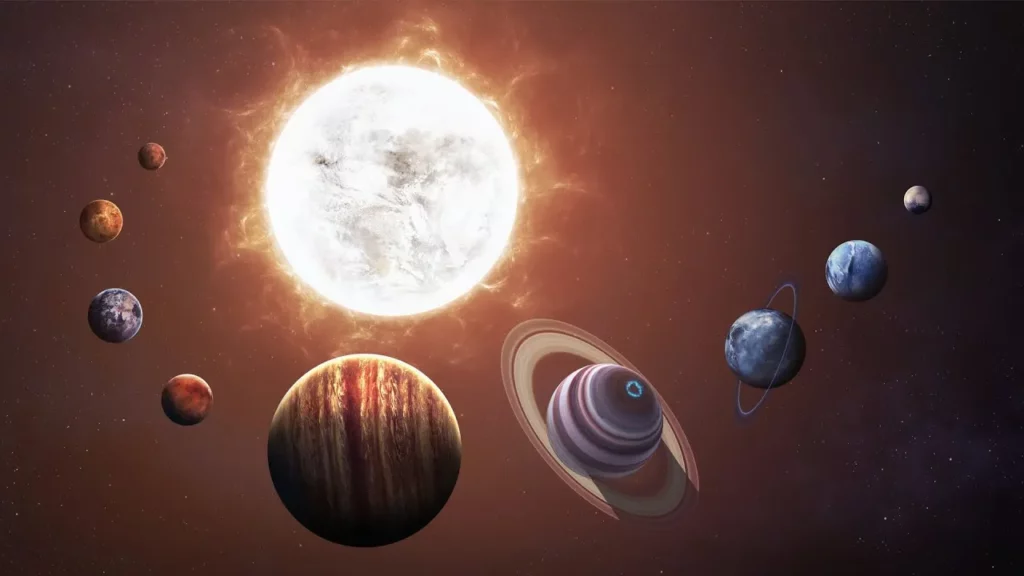
In Part 2 of the “Our Solar System Documentary,” we explore the gas giants Jupiter and Saturn, as well as the ice giants Uranus and Neptune, highlighting their unique features and roles within our solar system. Jupiter’s immense gravitational pull protects Earth from space debris, while Saturn is renowned for its stunning rings and distinctive weather patterns. The lesson also touches on the reclassification of Pluto as a dwarf planet and the journey of Voyager 1 into interstellar space, emphasizing the ongoing exploration and discovery within our cosmic neighborhood.
Is It Ethical To Genetically Modify Humans With CRISPR?
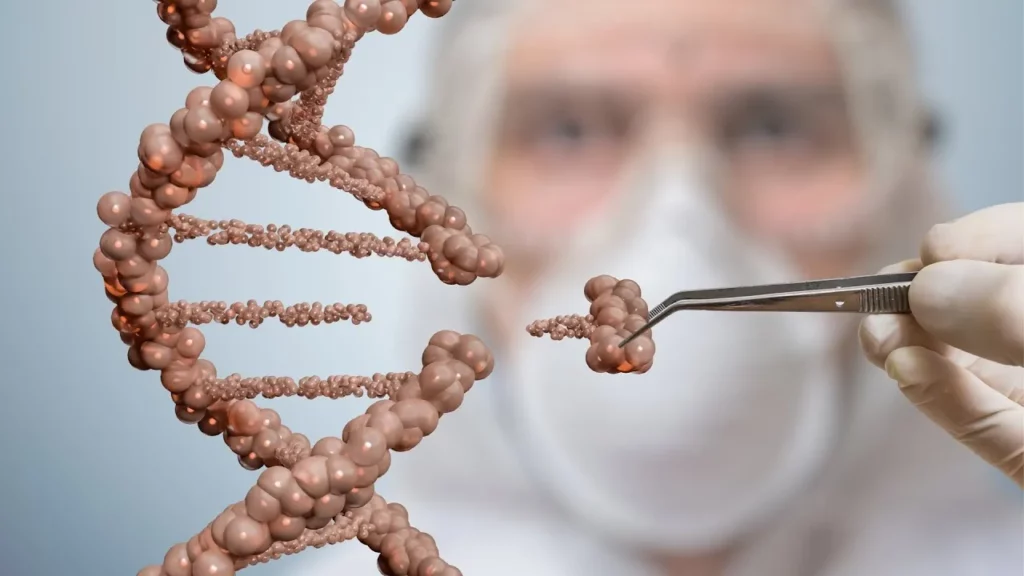
The lesson explores the ethical implications of using CRISPR technology for genetic modification in humans, highlighting the potential to correct genetic errors and enhance human traits. It discusses the rapid advancements in biotechnology, particularly in genome editing, and the possibility of addressing age-related diseases and extending human lifespan. As researchers like Dr. George Church and David Sinclair push the boundaries of genetic engineering, the lesson raises critical questions about the societal readiness for such profound changes in human genetics and aging.
AI Is Here
The lesson discusses the dual nature of powerful technologies, particularly focusing on artificial intelligence (AI) and its rapid advancement since World War II. While AI has the potential to solve significant global challenges and enhance various sectors, its rise raises concerns about its implications for humanity, especially as we approach the possibility of artificial general intelligence (AGI). The lesson emphasizes the importance of ensuring that AI’s values align with human values to safeguard our future.
Simulated Reality: Are We Living In The Matrix?
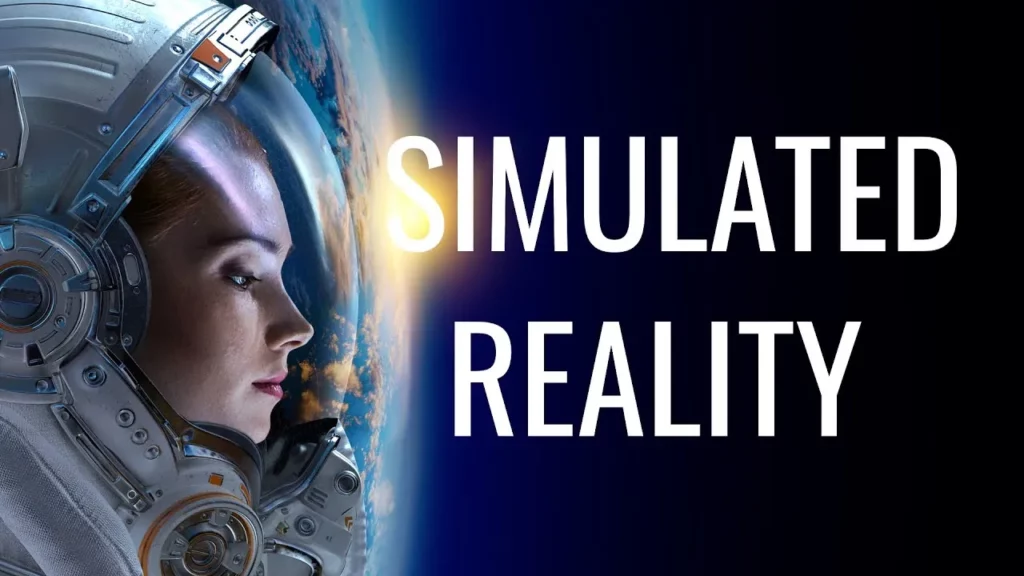
The lesson explores the intriguing concept of the simulation hypothesis, which posits that our reality could be an artificial simulation, akin to a sophisticated computer program. Influential thinkers like Elon Musk and philosopher Nick Bostrom have contributed to this discussion, suggesting that advancements in technology may eventually allow for the creation of indistinguishable simulations, raising profound questions about the nature of existence. While some scientists actively seek evidence to support this idea, critics argue that the universe’s complexity may arise from natural processes rather than a designed simulation.
Deadliest Viruses – Are We Prepared For The Next Pandemic?
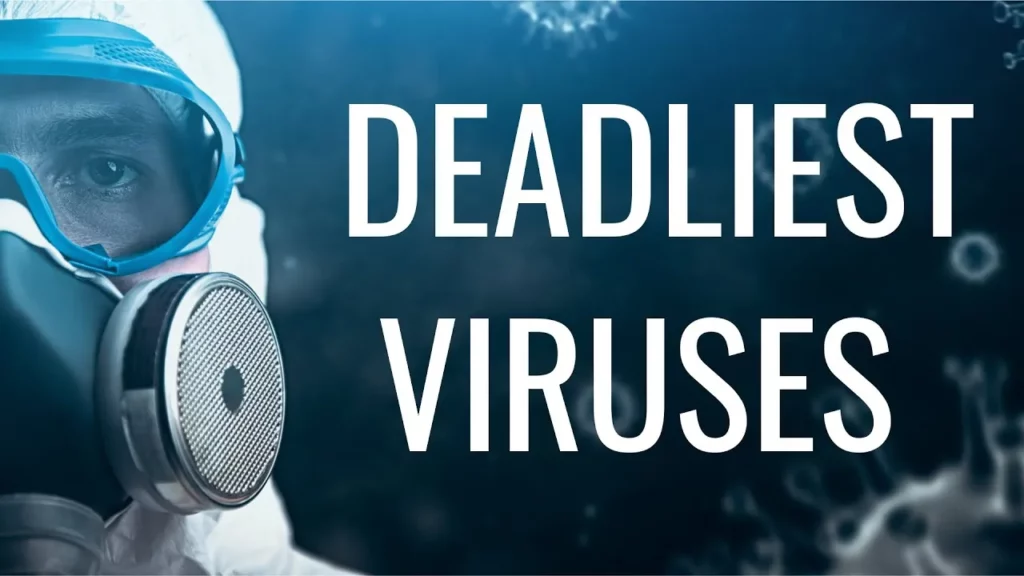
The lesson discusses the nature of pandemics, emphasizing that they are inevitable and can spread rapidly, as highlighted by historical examples like the Black Death and the Spanish flu. It underscores the importance of preparation, learning from past experiences, and leveraging technology, particularly artificial intelligence, to detect and respond to potential outbreaks effectively. The World Health Organization’s ongoing efforts to enhance global collaboration and early detection are crucial in mitigating the impact of future pandemics.
The Dangers of a Powerful Solar Storm
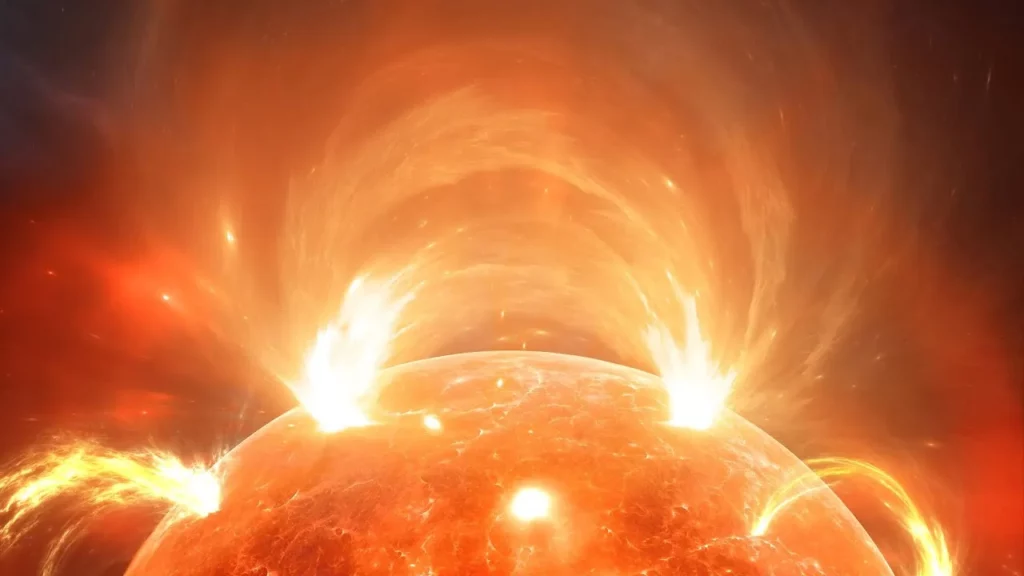
The lesson discusses the nature and impacts of solar storms, which occur when the Sun releases bursts of energy and particles that can disrupt Earth’s magnetic field. Historical events, such as the Carrington Event of 1859 and more recent storms in 1989 and 2003, illustrate the potential dangers these storms pose to modern technology, including power grids and communication systems. Ongoing research and advancements in forecasting aim to enhance our preparedness for such events, highlighting the importance of understanding solar storms in our technology-dependent world.