
11 Things About Landing Pilots Want You to Know

This lesson explores the intriguing aspects of airplane landings, addressing common questions such as why planes point their noses up during descent and the significance of dimmed cabin lights. It also covers essential topics like runway light patterns, fuel dumping in emergencies, and techniques pilots use to land in challenging conditions, providing a comprehensive overview of the landing process in aviation.
If You Hear Creaky Noises at Night, You May Not Be Alone

In “A Night of Noises: An Adventure in Trying to Sleep,” the protagonist faces a series of disturbances that prevent them from getting a good night’s rest, starting with raccoons rummaging through the trash and escalating to various household noises and unexpected visitors like a mosquito and a mouse. Despite their efforts to investigate and resolve each noise, they remain restless and anxious, ultimately realizing that their imagination has turned the night into a sleepless ordeal. By dawn, they are left exhausted and unprepared for the day ahead.
What If Natural Disasters Happened Every 5 Minutes
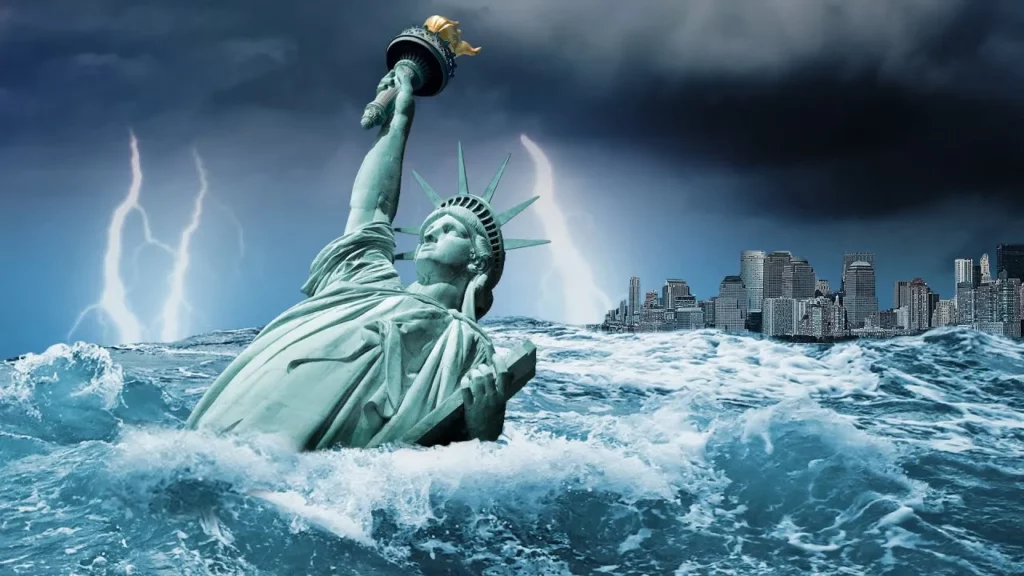
The lesson “Surviving in a World of Constant Cataclysms” explores the challenges and adaptations of life in a world plagued by frequent natural disasters. Through the journey of a survivor navigating earthquakes, volcanic eruptions, and extreme weather, the narrative highlights human resilience and ingenuity in creating safe underground communities that harness Earth’s resources for survival. Ultimately, it emphasizes the importance of adaptability and preparedness in the face of relentless environmental chaos.
A Man Found 6 Boys on a Deserted Island, That’s What He Saw
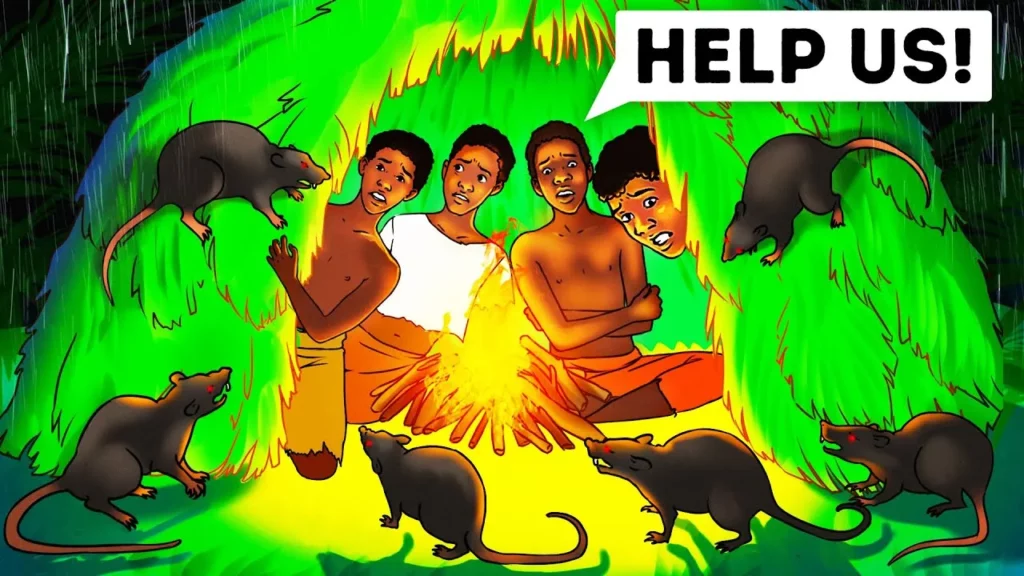
The lesson “Can You Survive on a Deserted Island?” recounts the incredible true story of six young boys from Tonga who survived for 15 months on Ata Island after their fishing boat capsized. Through teamwork, resourcefulness, and resilience, they built shelter, sourced food, and maintained hope despite numerous challenges. Their adventure highlights the importance of friendship and collaboration in overcoming adversity.
What If You Didn’t Use Soap for 1 Whole Month

The lesson explores the benefits of a water-only shower routine, highlighting how it can save time, money, and water while maintaining cleanliness. Through a personal experiment, the individual discovers that most body odor can be eliminated with just water, and that natural oils can keep hair and skin healthy without the need for soap. Ultimately, the lesson encourages exploring alternative cleansing methods and understanding one’s body to achieve cleanliness sustainably.
A Unique Creature on Earth That Can Live Forever
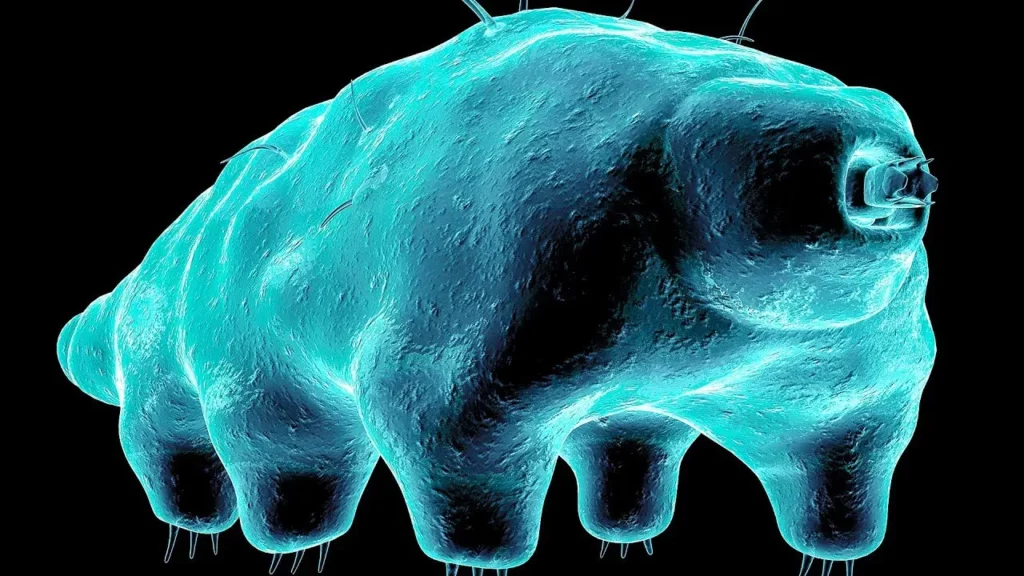
The lesson introduces the tardigrade, a tiny yet remarkably resilient creature often referred to as the “water bear.” These microscopic animals, measuring about 0.5 millimeters, can survive extreme environments and conditions, including high radiation, extreme temperatures, and even the vacuum of space, by entering a dormant state called cryptobiosis. Their long history on Earth, dating back 530 million years, and their potential to survive on other planets make them a fascinating subject of study in the search for extraterrestrial life.
If You See Bubbling Water, Get Away From There Quickly

The lesson on “Understanding Natural Warning Signs” emphasizes the importance of recognizing various natural indicators that signal impending disasters, such as tsunamis, hurricanes, and storms. Key signs include unusual water movement, animal behavior, and specific weather patterns, all of which can provide critical warnings to seek safety. By being aware of these signs, individuals can better prepare for and respond to natural threats.
How Planes Land with Zero Visibility in Fog
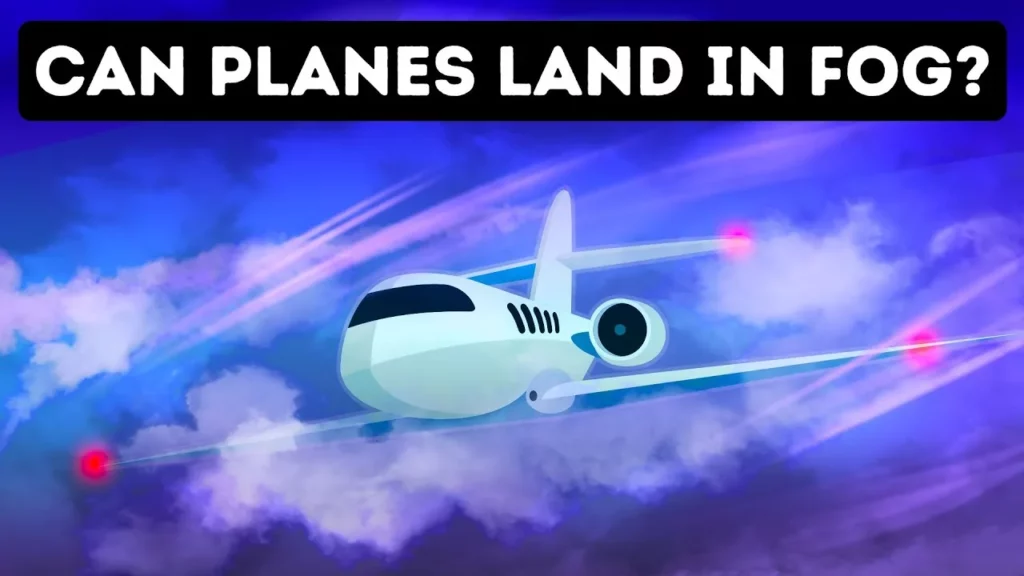
This lesson explores how airplanes safely land in foggy weather, highlighting the advancements in technology that have transformed aviation since its early days. It emphasizes the importance of well-equipped airfields, navigational tools, and the role of air traffic controllers in guiding pilots during low visibility conditions. Despite these advancements, fog can still cause delays, particularly at smaller airports lacking the necessary equipment for safe landings.
26 Short Facts That Explain Lots of Confusing Things

This lesson explores intriguing facts about the world, explaining various phenomena such as why storm clouds appear dark, why leaves change color, and why car rides can make you sleepy. It highlights the science behind everyday occurrences, from the behavior of animals to natural processes, encouraging curiosity and further exploration of the world around us.
Why We Don’t Eat Ostrich Eggs

This lesson explores the fascinating world of eggs, highlighting the impressive size of ostrich eggs, which can weigh as much as two basketballs and feed up to ten people. It also delves into the culinary aspects of various eggs, from the rich flavor of ostrich eggs to the delicacies of quail and ant eggs, while emphasizing the importance of sustainable sourcing for exotic options like turtle and fish eggs. Overall, the lesson showcases the diversity and nutritional value of eggs across different species.